The Mad Max franchise has only five movies, which should make it one of the easiest long-running action series to organize.
It is not.
The first three films follow Mel Gibson’s Max Rockatansky as civilization falls apart around him. Decades later, Tom Hardy takes over the role in Mad Max: Fury Road, but the movie never stops to explain whether this is the same Max, a rebooted Max, or the Wasteland’s latest version of a story that has been told so many times that the details no longer matter.
Then Furiosa: A Mad Max Saga arrives as a prequel to Fury Road, giving the franchise its first movie that clearly belongs earlier in the timeline than the film released before it.
The result is a series with a straightforward release order but a much looser internal chronology. The broad sequence is clear, yet George Miller has never treated continuity like a spreadsheet that must balance perfectly. These movies work more like legends from the Wasteland, where Max wanders into someone else’s story, changes its outcome, and eventually disappears again.
For most viewers, release order remains the best way to watch the Mad Max movies. It preserves the evolution of the world, the filmmaking, and the franchise’s increasingly mythic view of Max. Chronological order is also possible, but it makes the most sense if you treat Furiosa and Fury Road as a closely connected pair rather than trying to force every detail of all five movies into one rigid timeline.
Quick Answer: The Mad Max Movies in Release Order
The simplest way to watch the Mad Max movies is in theatrical release order.
| Movie | Year |
|---|---|
| Mad Max | 1979 |
| Mad Max 2: The Road Warrior | 1981 |
| Mad Max Beyond Thunderdome | 1985 |
| Mad Max: Fury Road | 2015 |
| Furiosa: A Mad Max Saga | 2024 |
This is the best order for first-time viewers because it lets the Wasteland develop naturally. The original Mad Max begins with a society that is damaged but still recognizable. The Road Warrior pushes that world into full post-apocalyptic collapse, while Beyond Thunderdome expands its settlements, cultures, and legends. Fury Road then returns after a 30-year break with a version of the Wasteland that feels both familiar and far more elaborate.
Although Furiosa takes place before Fury Road, it was made after that film and assumes the audience already understands places such as the Citadel, Gas Town, and the Bullet Farm. Watching it last allows those familiar elements to gain new history instead of introducing them without the context that made them significant.
The Best Way to Watch the Mad Max Movies
For a first viewing, use release order:
- Mad Max
- Mad Max 2: The Road Warrior
- Mad Max Beyond Thunderdome
- Mad Max: Fury Road
- Furiosa: A Mad Max Saga
This order also reveals how George Miller’s conception of the franchise changed over time. The first movie is a low-budget revenge thriller set during the decline of ordinary society. The second transforms that idea into a post-apocalyptic western. By the third, the Wasteland has developed its own communities, political systems, rituals, and forms of entertainment, although not all of those developments were equally welcome.
Fury Road takes those ideas and rebuilds them on an enormous scale, while Furiosa explores how that world operates beyond the single chase that defined the previous film.
The chronological alternative is to place Furiosa immediately before Fury Road:
- Mad Max
- Mad Max 2: The Road Warrior
- Mad Max Beyond Thunderdome
- Furiosa: A Mad Max Saga
- Mad Max: Fury Road
That order works well for repeat viewing because the final scenes of Furiosa lead directly toward the events of Fury Road. It should not be mistaken for proof that every continuity question has a clean answer, however. Max’s age, the apparent passage of time, and the visual differences between eras do not line up neatly enough to support a precise chronology.
The Mad Max Movies in Chronological Order
The practical chronological order is:
| Movie | Timeline Placement |
|---|---|
| Mad Max | Society is failing, but police, towns, hospitals, and ordinary homes still exist |
| Mad Max 2: The Road Warrior | Set after social collapse has spread and fuel has become a central resource |
| Mad Max Beyond Thunderdome | Max encounters more developed Wasteland settlements and communities |
| Furiosa: A Mad Max Saga | Follows Furiosa’s life before she becomes Immortan Joe’s Imperator |
| Mad Max: Fury Road | Furiosa attempts to escape the Citadel with Immortan Joe’s wives |
The first three movies clearly show the world deteriorating around Max, even if the exact number of years between them is less certain. Furiosa and Fury Road are more directly connected, with the prequel explaining Furiosa’s childhood, her rise within the Citadel, and the history that eventually leads to her rebellion.
The difficult question is how literally the audience should connect Mel Gibson’s Max to Tom Hardy’s version. Fury Road behaves like a continuation rather than a conventional remake. Max remembers losing people, drives the Interceptor, and is already established as a haunted wanderer. At the same time, the film does not explain how much time has passed or why he appears young enough to fit comfortably into this later era.
The best answer is that the movies preserve Max’s essential history without demanding exact arithmetic from the audience. He is the same character in the ways that matter, but the Wasteland has turned him into a legendary figure whose adventures do not always line up like entries in a police report.
Mad Max Movies in Release Order
Mad Max (1979)
The original Mad Max looks very different from the movie many viewers imagine when they hear the franchise’s name.
There is no endless desert civilization ruled by warlords. People still live in houses, eat at restaurants, receive medical treatment, and drive on paved roads. The police still operate, although barely, and the Main Force Patrol is attempting to maintain order as violent gangs become increasingly bold.
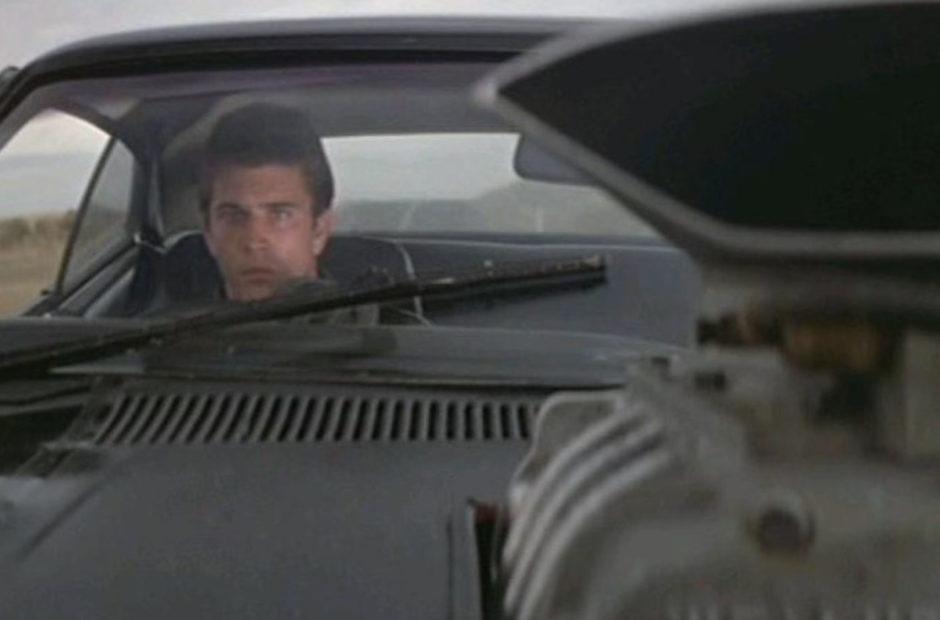
Mel Gibson plays Max Rockatansky, one of the force’s most capable pursuit officers. He begins the movie trying to preserve an ordinary family life while recognizing that the job is gradually consuming everyone around him. After a motorcycle gang targets Max and his family, the story becomes a revenge thriller that strips away the remaining parts of the man he was.
The film’s limited budget is visible, but it also gives the movie an immediacy that later installments could not reproduce. The roads feel dangerous because they are real roads, and the vehicles look unstable because many of them probably were. George Miller stages the crashes with a medical understanding of how violence affects bodies, machines, and the people watching from just outside the frame.
Mad Max matters to the larger series because it shows the world before the mythology completely takes over. Max does not begin as a silent Wasteland legend. He becomes one because the institutions and relationships connecting him to normal life are destroyed.
Where to watch: Available to stream; sold on physical media and digitally.
Mad Max 2: The Road Warrior (1981)
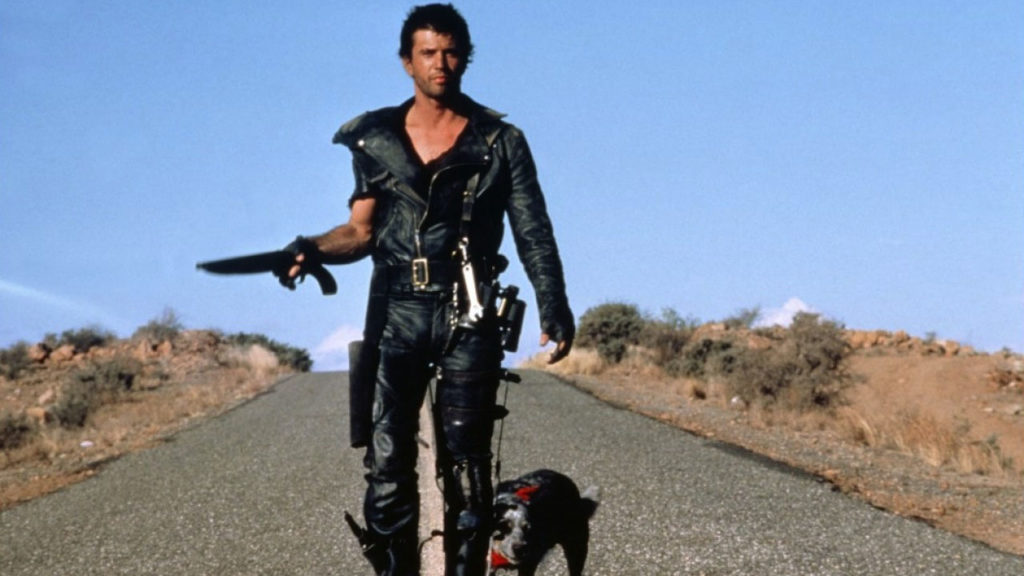
Mad Max 2, released in the United States as The Road Warrior, is the movie that establishes the version of the franchise most people recognize.
Civilization has collapsed much further. Fuel has become precious, armed groups dominate the roads, and isolated communities survive behind improvised defenses. Max now wanders through that world with little interest in heroism, helping others only when doing so serves his immediate needs.
He becomes involved with a group protecting an oil refinery from Lord Humungus and his followers. Max initially sees the settlement as an opportunity to obtain fuel, but the story gradually forces him to choose whether he is merely passing through the Wasteland or still capable of caring what happens to other people.
The film expands the first movie’s world without burying it under explanation. An opening narration provides enough history to understand that war and resource shortages accelerated the collapse, but Miller remains more interested in what people have become than in the exact order of political events.
The Road Warrior also introduces the storytelling pattern that defines most of the series. Max enters an existing conflict, becomes part of someone else’s survival story, helps change the outcome, and then moves on. He is the title character, but he is often less a conventional protagonist than the stranger who arrives when a community reaches its breaking point.
The climactic tanker chase remains one of the defining action sequences of the franchise. Later movies would become larger and more technically elaborate, but The Road Warrior established the language they would continue speaking.
Where to watch: Available to stream; sold on physical media and digitally.
Mad Max Beyond Thunderdome (1985)
Mad Max Beyond Thunderdome is the most divisive entry in the original trilogy, and its reputation is not difficult to understand.
The first half introduces Bartertown, one of the franchise’s most memorable settlements. Tina Turner plays Aunty Entity, the ruler attempting to impose order on a community powered by a methane refinery beneath the city. Max becomes involved in her struggle with Master Blaster and is forced into Thunderdome, where disputes are settled according to the wonderfully efficient rule, “Two men enter, one man leaves.”
This portion of the movie expands the Wasteland in productive ways. Bartertown has laws, commerce, entertainment, political factions, and an energy system that is both disgusting and practical. It feels like a society that developed after people accepted that the old world was not coming back.
The film changes considerably after Max is exiled and discovered by a group of children living in an oasis. Their belief that he is the pilot who will return them to civilization pushes the movie toward a younger and more openly sentimental adventure. That tonal shift is where many viewers lose patience with it, particularly after the ferocity and economy of The Road Warrior.
There are still ideas here that matter to the franchise. The children preserve a distorted oral history of the old world, reinforcing the notion that these stories become legends as they are passed from one generation to the next. Aunty Entity is also far more interesting than a simple villain, because her goal is not destruction but the creation of a functioning society under her control.
Still, this is the movie most easily omitted from a shortened marathon. It is part of Max’s journey and contains important pieces of the franchise’s developing mythology, but anyone who reaches the children and begins wondering whether the previous disc accidentally ended should know that they are not alone.
Where to watch: Available to stream; sold on physical media and digitally.
Mad Max: Fury Road (2015)
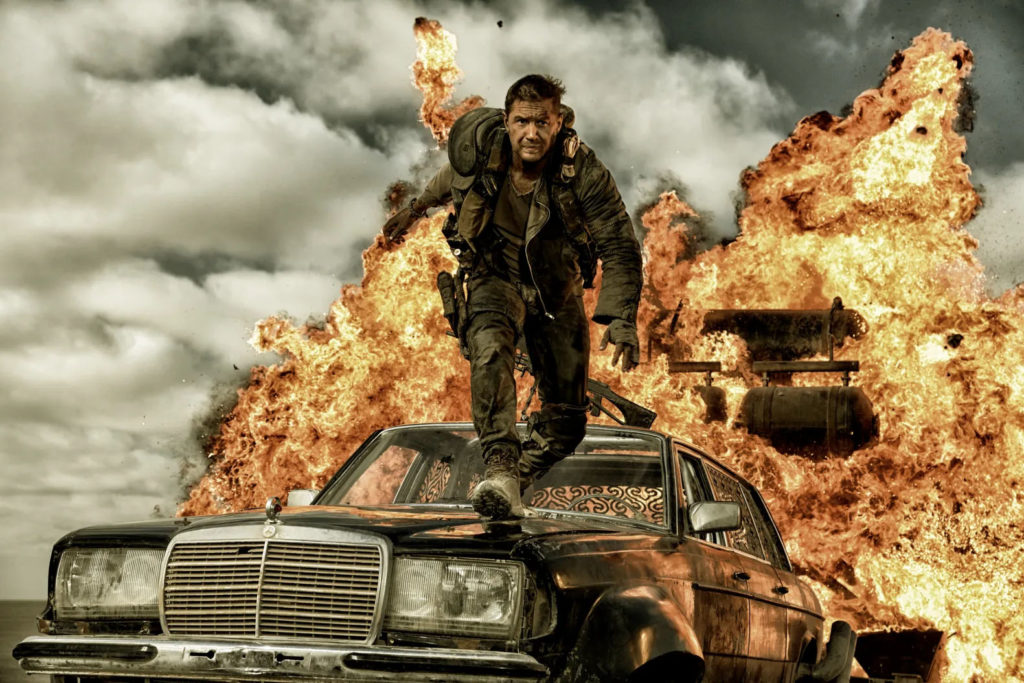
Thirty years after Beyond Thunderdome, George Miller returned to the Wasteland with a movie that did not behave like a cautious revival.
Mad Max: Fury Road begins at full speed and spends most of its running time refusing to slow down. Tom Hardy takes over as Max, who is captured by the War Boys serving Immortan Joe at the Citadel. His escape becomes entangled with Imperator Furiosa, played by Charlize Theron, after she steals a War Rig and attempts to free Joe’s five wives.
Although Max remains important, Furiosa drives the story. She has the plan, the history, and the direct conflict with Immortan Joe. Max begins as a captive attached to the front of a vehicle and gradually chooses to help a group whose goals have nothing to do with him.
That makes Fury Road consistent with the earlier films even as it changes actors and greatly expands the scale. Max again enters someone else’s struggle, becomes essential to its outcome, and leaves once the survivors no longer need him.
The movie’s world-building is dense without becoming cumbersome. Terms such as War Boys, Valhalla, Aqua Cola, and the Bullet Farm are introduced through behavior and context rather than long explanations. The Citadel’s power rests on control of water, reproduction, machinery, and belief, allowing Immortan Joe to function as political ruler, military leader, and religious figure.
The action is extraordinary, but the film is not merely an extended stunt demonstration. Every major pursuit changes relationships, reveals character, or forces a new decision. By the time the survivors turn the War Rig around and head back toward the Citadel, the return journey means something entirely different from the escape.
Where to watch: Available to stream; sold on physical media and digitally.
Furiosa: A Mad Max Saga (2024)
Furiosa: A Mad Max Saga moves backward in the timeline to explain how Furiosa became the Imperator seen in Fury Road.
The movie begins with Furiosa as a child living in the Green Place of Many Mothers. After she is abducted by raiders serving Dementus, played by Chris Hemsworth, she is pulled into the conflicts among the Wasteland’s emerging powers. The story follows her across many years as she survives Dementus, enters the Citadel, and builds the skills and position that will eventually allow her to challenge Immortan Joe.
Anya Taylor-Joy plays Furiosa for most of the film, while Alyla Browne portrays her younger years. Their performances create a character whose determination develops through observation, patience, and accumulated loss rather than constant declarations about revenge.
Where Fury Road is a concentrated chase, Furiosa is a broader Wasteland history. It explores the relationships among the Citadel, Gas Town, and the Bullet Farm, while showing how trade, warfare, fuel, water, and ammunition shape political power.
Dementus is a very different ruler from Immortan Joe. Joe maintains control by building systems that can outlive individual battles. Dementus relies on spectacle, appetite, and the belief that he can improvise his way through every crisis. Hemsworth gives the character enough humor and theatricality to be entertaining without hiding the damage he causes.
Chronologically, Furiosa belongs before Fury Road. For first-time viewers, it still works better afterward. The prequel assumes familiarity with the Citadel and gains much of its power from showing how Furiosa became the woman the audience already knows. Its final movement also points so directly toward Fury Road that watching the two together makes an excellent repeat-viewing double feature.
Where to watch: Available to stream; sold on physical media and digitally.
Is There One Mad Max Timeline?
Broadly, yes. Precisely, not really.
The first three movies follow a recognizable progression. Society is deteriorating in Mad Max, has largely collapsed by The Road Warrior, and has produced more established Wasteland communities by Beyond Thunderdome. Max’s emotional history also carries forward, even when the films do not spend much time discussing earlier events.
Fury Road retains the character’s basic history and his familiar Interceptor, but the timeline becomes harder to reconcile literally. Max appears younger than the amount of social development around him would suggest, especially if viewers assume the earlier films occurred exactly as shown and many years have passed since then.
George Miller’s approach makes more sense when Max is treated as a legendary Wasteland figure rather than the subject of a perfectly documented biography. The movies may represent different stories told about the same man, with details changing as those stories pass between survivors.
That does not mean nothing connects. Furiosa and Fury Road share an especially clear continuity, and the original trilogy follows Max through a recognizable character arc. The looseness appears in the spaces between those stories, where exact dates and ages matter less than the recurring image of a damaged wanderer who cannot entirely abandon people in need.
Are Fury Road and Furiosa Reboots?
Fury Road is often described as a soft reboot because it recasts Max, introduces a largely new setting, and allows viewers to enter without seeing the original trilogy. It does not completely erase the earlier films, however. Max retains familiar history, behavior, and visual elements, while George Miller presents the movie as another story from the same Wasteland mythology.
Furiosa is not a reboot. It is a direct prequel to Fury Road, using the same locations, factions, vehicles, and political structure while explaining Furiosa’s history before the events of that movie.
The simplest description is that Fury Road refreshes the franchise without pausing to define every continuity detail, while Furiosa expands the specific version of the Wasteland introduced there.
Should You Watch Furiosa Before Fury Road?
For a first viewing, watch Fury Road before Furiosa.
Fury Road introduces the Citadel and Furiosa with extraordinary efficiency. The audience learns what it needs to know through her actions, her relationships, and the risks she takes. Watching the prequel first provides more background, but it also changes the experience by explaining details that were originally meant to emerge through implication.
After you have seen both films, chronological order becomes more appealing. Furiosa leads naturally into Fury Road, and watching them together emphasizes the length of Furiosa’s struggle against the Citadel.
The recommended approach is therefore:
- First viewing: Fury Road, then Furiosa
- Repeat viewing: Furiosa, then Fury Road
Do You Need to Watch Beyond Thunderdome?
If you are watching the complete franchise, yes.
Beyond Thunderdome continues Max’s journey, expands the Wasteland, and introduces the idea that post-collapse societies are already turning the past into folklore. Bartertown and Aunty Entity also remain memorable parts of the franchise even for viewers who find the second half less successful.
For a shortened marathon, it is the easiest movie to skip. The later films do not depend on its specific events, and the shift toward the children’s storyline makes it considerably less intense than The Road Warrior or Fury Road.
That does not make it irrelevant. It makes it the franchise entry most likely to provoke a debate about whether Tina Turner, Thunderdome, and Bartertown are enough to outweigh everything that happens after Max reaches the oasis.
Which Mad Max Movies Are Essential?
For the strongest shortened version of the franchise, watch:
- Mad Max
- Mad Max 2: The Road Warrior
- Mad Max: Fury Road
- Furiosa: A Mad Max Saga
This gives you Max’s origin, the creation of the classic Wasteland formula, and the two modern films that expand Furiosa’s story.
For the complete experience, watch all five movies. Even Beyond Thunderdome contributes to the franchise’s changing view of civilization, myth, and the communities that emerge after the old world collapses.
Frequently Asked Questions About the Mad Max Movies
What is the first Mad Max movie?
The first film is Mad Max, released in 1979 and directed by George Miller.
What is the best Mad Max movie to watch first?
Start with the original Mad Max if you want the full franchise experience. Viewers interested mainly in the modern films can begin with Mad Max: Fury Road and then watch Furiosa.
Is The Road Warrior the same movie as Mad Max 2?
Yes. The second movie was released as Mad Max 2 in Australia and as The Road Warrior in the United States. It is often listed today as Mad Max 2: The Road Warrior.
Is Fury Road a sequel or a reboot?
Fury Road functions as a loose continuation and soft reboot. It preserves Max’s established identity and history while recasting the role and making the story accessible without the original trilogy.
Is Tom Hardy playing the same Max as Mel Gibson?
The movies treat him as Max Rockatansky, with the same essential history and characteristics. The timeline is deliberately loose enough that viewers should not expect every age and date to align perfectly.
Is Furiosa set before Fury Road?
Yes. Furiosa: A Mad Max Saga is a prequel that follows Furiosa from childhood through the period leading toward Fury Road.
Does Mad Max appear in Furiosa?
Yes, but only briefly. Max appears in a short cameo overlooking the Wasteland after Furiosa collapses, but he is not part of the main story and does not interact with her directly.
Can I skip Beyond Thunderdome?
You can skip it during a shortened watch without losing the main story of Fury Road or Furiosa. It should still be included in a complete franchise marathon.
How many Mad Max movies are there?
There are five theatrical movies: Mad Max, Mad Max 2: The Road Warrior, Mad Max Beyond Thunderdome, Mad Max: Fury Road, and Furiosa: A Mad Max Saga.
Final Thoughts on Watching the Mad Max Movies in Order
Release order is the best way to watch the Mad Max movies for the first time. It shows how the world changes from the failing society of the original film into the fully developed Wasteland of Fury Road and Furiosa, while allowing the franchise’s mythology to grow in the same order audiences encountered it.
Chronological order becomes useful when revisiting the modern films. Watching Furiosa immediately before Fury Road turns them into a larger, connected story about one woman’s abduction, survival, rise to power, and eventual attempt to free others from the world that imprisoned her.
The series is less interested in maintaining a rigid timeline than in examining what remains after civilization collapses. Communities form, rulers create new systems of control, survivors turn memory into mythology, and Max continues moving through the Wasteland as both a man and a story people tell about one.
More Movie Franchise Guides
Movie timelines become complicated quickly once prequels, reboots, alternate cuts, and decades-late continuations enter the picture.
Fun Jug Media, LLC (operating TheNerdy.com) has affiliate partnerships with various companies. These do not at any time have any influence on the editorial content of The Nerdy. Fun Jug Media LLC may earn a commission from these links.