Television has one disadvantage that movies and books usually don’t.
Most shows never get to decide how they end.
Some are canceled without warning. Others lose key cast members, suffer declining ratings, or simply fade away until the network decides it’s time to move on. Writers often spend years building toward a conclusion they never get the opportunity to tell, leaving fans with unresolved cliffhangers or finales that were never meant to be finales at all.
That’s what makes a truly great television ending so rare.
When a series is given the chance to conclude on its own terms, the finale carries enormous expectations. It has to reward years of emotional investment, remain true to the characters, and provide a satisfying sense of closure without losing sight of what made the show special in the first place. Few series manage to pull off that balancing act.
The shows on this list did.
Some delivered unforgettable emotional goodbyes. Others found the perfect final twist or brought long-running character arcs to a natural conclusion. A few simply knew exactly when to stop, leaving audiences wanting just a little more instead of overstaying their welcome.
Whether they made you laugh, cry, or sit in silence as the credits rolled, these are the television series that absolutely nailed their final episode.
Six Feet Under (2001–2005)
Few television finales are mentioned as consistently or as passionately as Six Feet Under. Throughout its five seasons, the HBO drama explored mortality through the Fisher family and their funeral home, reminding viewers that every life eventually comes to an end. The series finale, “Everyone’s Waiting,” brought that central idea full circle with an ending that many critics and fans still consider the gold standard for concluding a television series.
Why it worked
Rather than focusing on shocking twists or last-minute surprises, the finale stayed true to everything the series had been about from the beginning: accepting that life is temporary and that every ending gives meaning to what came before it. Each member of the Fisher family takes the next step in life, carrying both hope and uncertainty as they move forward.
The episode also avoided the temptation to wrap everything up too neatly. The characters don’t suddenly become perfect versions of themselves. They simply continue living, growing, succeeding, failing, and ultimately finding their own paths.
The moment everyone remembers
The final montage has become one of television’s most iconic closing sequences. As Sia’s “Breathe Me” plays, viewers are shown the eventual fate of every major character, watching decades pass in just a few emotional minutes. Instead of leaving audiences wondering what happened after the credits rolled, Six Feet Under quietly answers the question for everyone.
It’s a bold storytelling choice that transforms what could have been a simple farewell into a meditation on the passage of time itself.
Its lasting legacy
Whenever television fans debate the greatest series finales ever produced, Six Feet Under almost inevitably enters the conversation. Critics regularly rank it among the best television endings of all time, while newer series are often measured against the emotional standard it established. More than two decades after it first aired, its final moments continue to resonate because they deliver exactly what the series promised from its opening episode: every story ends, and that’s precisely what gives it meaning.
Where to watch: Available to stream; sold on physical media and digitally.
Breaking Bad (2008–2013)

By the time Breaking Bad reached its final episode, Walter White had completed one of television’s greatest character transformations. The mild-mannered chemistry teacher who once claimed he was cooking meth for his family’s future had long since embraced his alter ego, Heisenberg. The only remaining question was whether creator Vince Gilligan could bring such a complex story to a satisfying close. The answer, for most viewers, was a resounding yes.
Why it worked
The finale succeeds because it never loses sight of who Walter White had become. Rather than attempting to redeem him, the episode allows Walt one final opportunity to set a few things right while acknowledging the damage he caused. His admission to Skyler that he continued because he liked it, and because he was good at it, strips away years of self-deception in one of the series’ most important moments.
Every major storyline also reaches a natural conclusion. Jesse escapes captivity, Skyler receives the information she needs to negotiate with authorities, and Walt finally confronts the consequences of the empire he built.
The moment everyone remembers
The final sequence inside Jack Welker’s compound delivers exactly the kind of payoff viewers had been anticipating without feeling excessive. Walt’s homemade machine gun system eliminates the neo-Nazis, Jesse refuses to grant Walt the death he wants, and Walt quietly dies in the meth lab where his transformation truly began.
As Badfinger’s “Baby Blue” plays over the closing moments, the series comes full circle with an ending that feels both inevitable and deeply earned.
Its lasting legacy
Breaking Bad is frequently cited as one of the rare prestige dramas that maintained its quality through its final episode. Instead of collapsing under enormous expectations, the finale reinforced the themes, characters, and moral consequences that had defined the series from the beginning. More than a decade later, “Felina” remains the benchmark for how to conclude a serialized drama without sacrificing either emotional payoff or narrative consistency.
Where to watch: Available to stream; sold on physical media and digitally.
Better Call Saul (2015–2022)
Prequels often struggle because audiences already know where the story is headed. Better Call Saul faced an even greater challenge by following one of the most memorable characters from Breaking Bad while attempting to prove it was far more than a companion series. By the time the finale aired, it had accomplished exactly that, delivering a conclusion many fans believe rivals, and in some cases surpasses, its predecessor.
Why it worked
The finale succeeds because it brings Jimmy McGill’s journey full circle instead of simply concluding Saul Goodman’s story. Throughout the series, Jimmy repeatedly avoided responsibility by reinventing himself whenever life became difficult. In the final episode, he finally abandons that pattern, sacrificing his freedom by confessing to the full extent of his crimes instead of exploiting every legal loophole available.
That decision transforms the ending from a courtroom drama into the completion of one of television’s richest character arcs.
The moment everyone remembers
Jimmy’s confession before the court stands as the emotional centerpiece of the finale. After negotiating an astonishingly favorable plea agreement, he unexpectedly admits everything, reclaiming the identity of Jimmy McGill in front of Kim Wexler rather than hiding behind Saul Goodman one final time.
The closing cigarette shared between Jimmy and Kim, echoing one of their earliest moments together, provides a quiet, deeply personal farewell that perfectly suits a series built on character rather than spectacle.
Its lasting legacy
Better Call Saul accomplished something exceedingly rare: it elevated an already beloved supporting character while enriching the series that inspired it. The finale has been widely praised for resisting fan service in favor of emotional honesty, proving that redemption doesn’t always mean escaping punishment. Instead, it can mean finally accepting responsibility. As a result, many critics now rank Better Call Saul alongside the greatest television finales ever produced.
Where to watch: Available to stream; sold on physical media and digitally.
M*A*S*H (1972–1983)
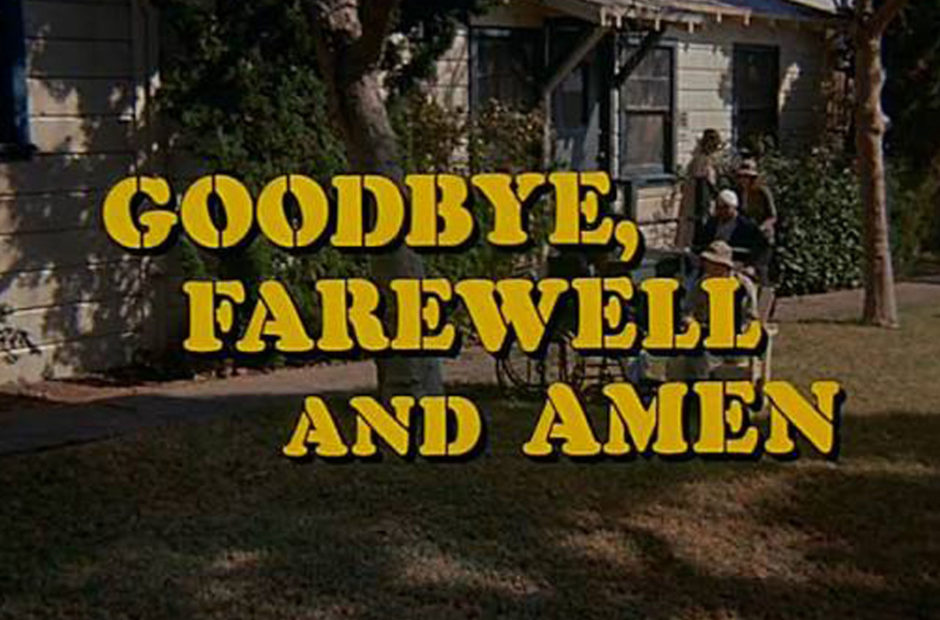
When M*A*S*H aired its final episode on Feb. 28, 1983, it wasn’t simply ending one of television’s most beloved series. It became a national event. More than 100 million viewers tuned in to watch “Goodbye, Farewell and Amen,” making it the most-watched scripted television episode in American history. Thankfully, the finale proved worthy of the enormous audience that gathered to say goodbye.
Why it worked
The finale succeeds because it captures everything that made M*A*S*H exceptional. It balances broad comedy with heartbreaking drama, reminding viewers that while the characters had learned to laugh together, they were still living through the horrors of war. Every major member of the 4077th receives a meaningful farewell that feels true to the person audiences had spent 11 seasons getting to know.
Rather than manufacturing a perfect ending, the episode acknowledges that war leaves lasting scars even after people return home. The conflict may be ending for the characters, but their experiences will remain with them forever.
The moment everyone remembers
For many viewers, the emotional centerpiece comes when Hawkeye finally confronts the truth behind the traumatic memory he has been suppressing. His breakthrough gives the finale one of the most powerful dramatic moments in sitcom history.
The final goodbye is equally unforgettable. As Hawkeye’s helicopter lifts away from the 4077th, he looks down to discover B.J. has spelled the word “GOODBYE” using stones on the ground. Without a single spoken word, the series delivers one last emotional farewell between two friends who endured the unimaginable together.
Its lasting legacy
More than four decades later, “Goodbye, Farewell and Amen” remains the standard by which television farewell episodes are judged. It demonstrated that a comedy could conclude with emotional honesty without abandoning the humor that made audiences fall in love with it in the first place. Whether measured by its record-breaking audience or its enduring reputation, the M*A*S*H finale remains one of television’s greatest achievements.
Where to watch: Available to stream; sold on physical media and digitally.
Cheers (1982–1993)
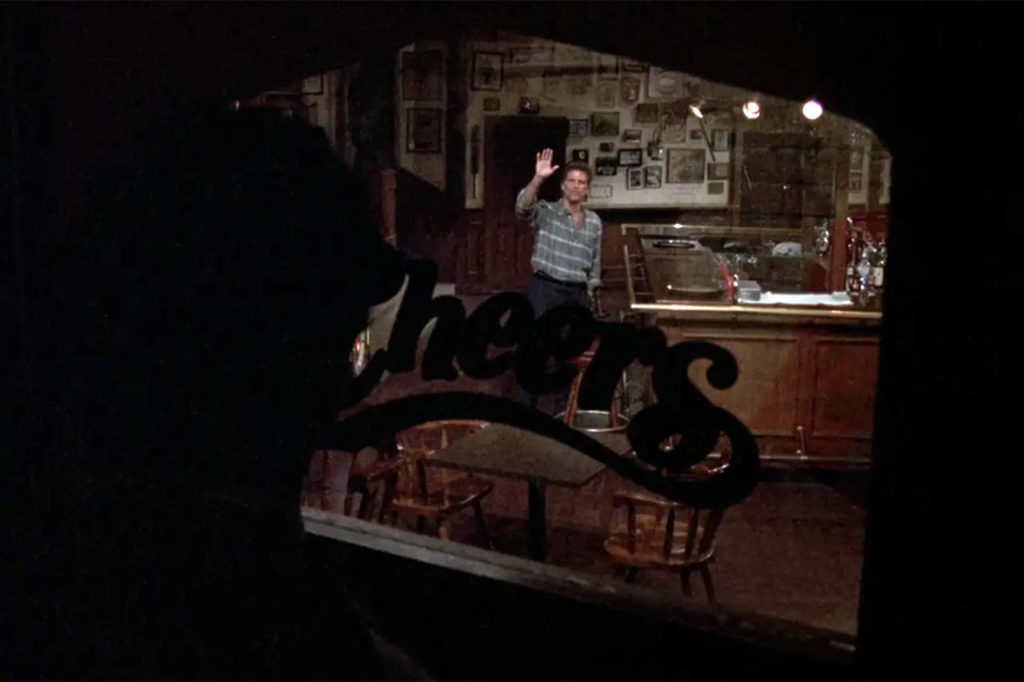
For 11 seasons, viewers gathered at a Boston bar where everybody knew your name. Cheers built its success on memorable characters, sharp writing, and the comforting idea that no matter what happened in life, there was always a place where friends would be waiting. When the series ended in 1993, the challenge wasn’t creating a shocking conclusion. It was saying goodbye to a place that millions of viewers had come to think of as home.
Why it worked
The finale wisely avoids trying to reinvent the series. Instead, it focuses on the relationships that had carried Cheers for more than a decade, particularly Sam Malone’s realization that the bar alone could never provide the fulfillment he had been searching for. Diane Chambers’ unexpected return allows the series to revisit its defining romance without pretending that the past can simply be recreated.
In the end, the finale accepts that people change, life moves forward, and nostalgia isn’t always enough to build a future.
The moment everyone remembers
After Diane asks Sam to leave Boston with her, the two ultimately realize they belong to different worlds. Sam returns to the bar alone, and after one final customer tries the locked door, he simply says, “Sorry, we’re closed.”
It’s an understated ending that perfectly reflects the series. There are no grand speeches or dramatic twists. The lights go out, the bar closes for the night, and viewers quietly say goodbye to a place they had been visiting every week for 11 years.
Its lasting legacy
The Cheers finale demonstrated that a beloved sitcom didn’t need an elaborate ending to leave a lasting impression. Its emotional strength came from restraint, allowing the characters to remain themselves until the very last scene. More than 80 million people watched the final episode, and decades later, it remains one of television’s finest examples of how to end a long-running comedy with warmth, dignity, and just the right amount of sentiment.
Where to watch: Available to stream; sold on physical media and digitally.
Newhart (1982–1990)
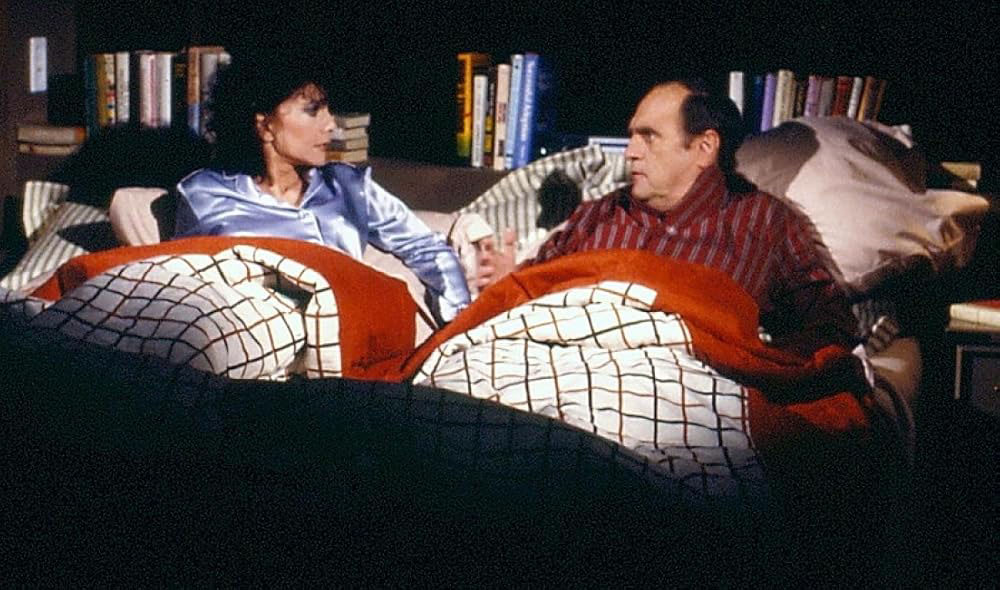
Some finales are remembered because they’re emotional. Others because they’re satisfying. Newhart is remembered because it pulled off one of the most audacious surprises in television history. More than 30 years later, the final moments remain one of the most famous twists ever broadcast.
Why it worked
Throughout its eight seasons, Newhart embraced increasingly eccentric humor, filling a quiet Vermont inn with wonderfully oddball characters. The finale leans into that spirit before taking an unexpected turn that instantly became part of television history.
Rather than ending with a sentimental goodbye, the series rewards longtime fans with a joke so clever that it recontextualizes the entire show while celebrating Bob Newhart’s earlier sitcom.
The moment everyone remembers
After Dick Loudon is struck in the head by a golf ball, he wakes up… not in Vermont, but in the bedroom from The Bob Newhart Show. Suzanne Pleshette reprises her role as Emily Hartley, revealing that the entire eight-season run of Newhart had apparently been a dream experienced by Dr. Bob Hartley.
The reveal is immediately followed by Emily’s deadpan suggestion that Bob should avoid eating Japanese food before bed, delivering one final laugh before the credits roll.
Its lasting legacy
Television finales have attempted surprise twists ever since, but few have matched the sheer delight of Newhart‘s closing scene. The ending works because it isn’t simply shocking. It feels like the perfect joke for Bob Newhart’s understated comedic style while serving as a loving tribute to the sitcom that made him a television icon. It remains one of the cleverest and most affectionately remembered endings the medium has ever produced.
Where to watch: Available to stream; sold on physical media and digitally.
The Mary Tyler Moore Show (1970–1977)
Long before prestige television became a buzzword, The Mary Tyler Moore Show demonstrated that a sitcom could be smart, character-driven, and emotionally honest without sacrificing laughs. By the time the series reached its seventh season, Mary Richards and the staff of WJM-TV felt less like television characters and more like coworkers viewers had visited every week. Their farewell remains one of television’s most beloved finales.
Why it worked
Rather than centering the finale on Mary alone, the episode celebrates the ensemble that made the series special. When the station’s new ownership decides to fire nearly everyone in the newsroom, the characters are forced to confront an unexpected reality: sometimes life changes without warning, even when you’ve done everything right.
The episode never turns bitter. Instead, it focuses on the friendships the characters built over seven seasons, reminding viewers that while jobs come and go, the people we meet along the way often leave the greatest impact.
The moment everyone remembers
After saying their goodbyes, the WJM staff shares one final group hug before slowly shuffling toward the newsroom exit while still embracing one another. The awkward, sideways walk has become one of television’s most iconic closing images, perfectly capturing how difficult it can be to let go.
The final touch comes moments later when Ted Baxter instinctively asks who turned off the lights, prompting one last laugh before the screen fades to black.
Its lasting legacy
The finale is frequently cited as one of the greatest sitcom endings ever produced because it strikes such a delicate balance between humor and heartbreak. It never abandons the optimism that defined the series, yet it acknowledges that every chapter eventually comes to an end. More than four decades later, the final group hug remains one of the most enduring images in television history and helped establish the blueprint for ensemble sitcom finales that followed.
Where to watch: Available to stream; sold on physical media and digitally.
Star Trek: The Next Generation (1987–1994)
Ending a beloved television series is difficult. Ending one of the most influential science fiction series ever produced is even harder. After seven seasons and nearly 180 episodes, Star Trek: The Next Generation concluded with “All Good Things…,” a finale that not only celebrated everything the series had accomplished but is regularly cited as one of the finest episodes in the franchise’s history.
Why it worked
Rather than serving as a simple farewell, the finale feels like one last grand adventure for Captain Jean-Luc Picard and the crew of the Enterprise. Picard finds himself shifting between the past, present, and future, forcing him to solve a mystery that spans the entire timeline of the series. The story rewards longtime viewers by revisiting the crew’s earliest days while also offering a glimpse of where their lives may eventually lead.
Most importantly, it reinforces the optimistic spirit that has always defined Star Trek. Humanity’s greatest strength isn’t its technology. It’s its willingness to continue exploring, learning, and growing.
The moment everyone remembers
After saving humanity from one final test orchestrated by Q, Picard does something that had become surprisingly rare over seven seasons. Instead of returning to his ready room after the mission, he joins the senior staff for their regular poker game.
As Picard sits down at the table, he quietly remarks, “I should have done this a long time ago.”
It’s a simple line, but it perfectly captures the emotional heart of the series. These officers were more than crewmates. They had become a family.
Its lasting legacy
“All Good Things…” remains one of the rare finales that satisfies both as a standalone story and as a conclusion to an entire series. It earned widespread critical acclaim, won the Hugo Award for Best Dramatic Presentation, and continues to appear on lists of television’s greatest finales. Even after multiple feature films and later reunions revisited these characters, many fans still view this episode as the perfect ending to The Next Generation‘s original journey.
Where to watch: Available to stream; sold on physical media and digitally.
The Americans (2013–2018)
Spy stories often end with explosions, betrayals, or one final impossible mission. The Americans chose a different path. After six seasons following Soviet agents Philip and Elizabeth Jennings as they lived double lives in suburban America, the series concluded with an ending built almost entirely on difficult conversations, impossible choices, and the quiet realization that some sacrifices can never be undone.
Why it worked
The finale remains true to the series’ greatest strength: its characters. While espionage drove the plot, The Americans was always more interested in the emotional cost of deception than in spy gadgets or action sequences. The final episode forces Philip, Elizabeth, and their family to confront the consequences of decades spent living lies, delivering resolutions that feel honest rather than convenient.
Instead of providing easy victories, the finale accepts that doing the right thing often comes with painful consequences.
The moment everyone remembers
Several unforgettable scenes define the episode, but none more than the silent train platform where Paige makes her decision. After boarding the train with her parents as they flee the United States, she quietly steps off before it departs, choosing to remain in the only country she has ever truly known.
The image of Philip and Elizabeth watching their daughter disappear through the train window is heartbreaking precisely because almost nothing is said. Years of family conflict, love, loyalty, and regret are conveyed through expressions alone.
Its lasting legacy
The finale earned widespread acclaim for resisting the temptation to become an action spectacle. Instead, it trusted viewers to appreciate an ending driven by character and emotional truth. Critics frequently cite it as one of the finest conclusions of the modern television era, praising its restraint and willingness to accept that not every story can end happily. Like the series itself, the finale proves that the greatest tension often comes not from bullets or explosions, but from the choices people make when there are no good options left.
Where to watch: Available to stream; sold on physical media and digitally.
The Good Place (2016–2020)
Comedy series rarely end by asking viewers to reflect on the meaning of existence, yet that’s exactly what The Good Place accomplished. Over four inventive seasons, the sitcom evolved from a clever afterlife comedy into a thoughtful exploration of ethics, friendship, and what gives life purpose. Its finale, “Whenever You’re Ready,” managed to answer those enormous questions while remaining warm, funny, and deeply human.
Why it worked
The finale succeeds because it stays faithful to the philosophy the series had been building toward all along. Rather than presenting eternal happiness as the ultimate reward, it suggests that life’s beauty comes from its impermanence. By allowing souls to move on when they truly feel complete, the show argues that endings give meaning to everything that comes before them.
Each member of the group reaches that realization in their own way, giving every major character a farewell that feels earned rather than manufactured.
The moment everyone remembers
One by one, the central characters decide they are ready to walk through the final door. Chidi explains the idea using the image of a wave returning to the ocean, a simple metaphor that has resonated with audiences ever since.
Eleanor is the last to let go, spending one final day making sure everyone she loves has found peace before quietly taking her own final step. The closing moments, which suggest that the goodness people cultivate continues to ripple outward into the world, provide a hopeful ending without pretending every mystery must be answered.
Its lasting legacy
The Good Place accomplished something exceedingly rare by ending a network sitcom with genuine emotional and philosophical weight while never losing its sense of humor. Critics praised the finale for providing satisfying closure without becoming sentimental, and many viewers consider it one of the finest television endings of the 21st century. It stands as proof that a comedy can ask profound questions about life and still leave audiences smiling through tears.
Where to watch: Available to stream; sold on physical media and digitally.
Justified (2010–2015)
Many crime dramas build toward a final showdown between hero and villain, but few have a rivalry as compelling as the one between U.S. Marshal Raylan Givens and outlaw Boyd Crowder. From the opening episode of Justified, the two men were destined to collide one last time. The series finale delivered that confrontation while remembering that the relationship between them had always been more complicated than good versus evil.
Why it worked
The finale understands that Justified was never simply about catching criminals. At its heart, it was a story about two men from the same Kentucky hills who made very different choices. Raylan finally comes to terms with the life he wants beyond wearing the badge, while Boyd remains incapable of escaping the person he has always been.
Rather than relying on a shocking twist, the episode allows both characters to arrive at endings that feel inevitable after six seasons of shared history.
The moment everyone remembers
Several years after Boyd is imprisoned, Raylan pays him one final visit. Boyd insists they are connected because they dug coal together as young men, suggesting their bond can never truly be broken.
Raylan smiles and replies, “We dug coal together.”
The understated line instantly became one of television’s most memorable closing exchanges. It acknowledges their shared past without romanticizing everything that followed, serving as the perfect farewell to one of the medium’s greatest character rivalries.
Its lasting legacy
Justified concluded without betraying the sharp dialogue, rich character work, and understated humor that defined the series. Critics praised the finale for resisting spectacle in favor of emotional honesty, and it continues to appear on lists of television’s best endings. While Justified: City Primeval later reunited viewers with Raylan Givens, many fans still regard “The Promise” as the true ending of the original series and one of modern television’s finest finales.
Where to watch: Available to stream; sold on physical media and digitally.
The Shield (2002–2008)
For seven seasons, The Shield challenged viewers to follow one of television’s most morally compromised protagonists. Detective Vic Mackey justified corruption, violence, and betrayal by convincing himself that the ends always justified the means. The series finale doesn’t attempt to redeem him. Instead, it delivers one of the most fitting examples of poetic justice television has ever produced.
Why it worked
The finale refuses to let Vic escape the consequences of his choices. Although he negotiates immunity by confessing to years of crimes, his legal victory comes at an extraordinary personal cost. Friends are dead or imprisoned, his family has disappeared from his life, and the career that once defined him has been reduced to endless paperwork inside a sterile federal office.
The punishment isn’t death or prison. It’s forcing Vic to live with everything he sacrificed to protect a version of himself that no longer exists.
The moment everyone remembers
After spending the episode trapped behind a desk, Vic quietly removes the suit jacket that symbolizes his new life and stares at the gun he is no longer authorized to carry. Moments later, he walks out of the office alone, disappearing into the night.
The ending leaves his future deliberately uncertain, but it makes one thing unmistakably clear: the man who once controlled every room he entered has become isolated, powerless, and utterly alone.
Its lasting legacy
The Shield is regularly praised for concluding one of television’s darkest antihero stories without compromising its central themes. Rather than offering easy redemption or sensational punishment, the finale presents consequences that feel psychologically inevitable. In the years since it aired, many critics have cited it as one of the strongest crime drama finales ever produced, proving that justice on television doesn’t always require handcuffs. Sometimes living with your choices is the harsher sentence.
Where to watch: Available to stream; sold on physical media and digitally.
The Leftovers (2014–2017)
Few television series have asked bigger questions than The Leftovers. After two percent of the world’s population mysteriously disappears without explanation, the HBO drama spends three seasons exploring grief, faith, guilt, and humanity’s search for meaning rather than trying to solve the mystery itself. The finale understands that some questions matter less than the people searching for the answers.
Why it worked
The ending succeeds because it remains completely faithful to the show’s central philosophy. The Leftovers was never interested in providing scientific explanations or neatly tying together every mystery. Instead, it focused on how people cope when life refuses to make sense.
The finale ultimately becomes an intimate story about Kevin Garvey and Nora Durst, two deeply damaged people who have spent years struggling to find peace. Rather than offering certainty, it offers something far more meaningful: the possibility of forgiveness, acceptance, and love.
The moment everyone remembers
Years after they last saw one another, Kevin finds Nora living alone in rural Australia. During their reunion, Nora finally tells the story of what she believes happened after entering the mysterious machine designed to follow those who vanished during the Departure.
The series never confirms whether Nora’s story is literally true, and that’s exactly the point. Kevin simply tells her that he believes her. In that quiet act of trust, the finale resolves the emotional journey that mattered far more than the supernatural mystery ever did.
Its lasting legacy
The Leftovers has steadily grown in reputation since its conclusion, with many critics now ranking it among television’s greatest dramas. Its finale is frequently praised for demonstrating that satisfying endings don’t always require definitive answers. By choosing emotional truth over narrative certainty, the series delivered a conclusion that continues to inspire discussion years after its final episode aired.
Where to watch: Available to stream; sold on physical media and digitally.
More Television Reading
Looking for more unforgettable moments from television history? These companion guides explore the finales that divided audiences and the shows that left the biggest mark on TV.
There’s no formula for creating a perfect television finale.
Some end with laughter. Others end with heartbreak. Some answer every lingering question, while others deliberately leave room for interpretation. What the best finales have in common is that they understand the characters, respect the audience’s investment, and bring the story to a conclusion that feels earned.
For every series that sticks the landing, dozens never get the chance. Shows are canceled unexpectedly, storylines are left unfinished, or endings simply fail to live up to years of anticipation. That makes the finales that truly succeed all the more remarkable.
Whether you prefer the emotional farewell of Six Feet Under, the moral reckoning of Breaking Bad, the optimism of The Good Place, or the unforgettable twist of Newhart, these episodes demonstrate that television can deliver endings every bit as memorable as the greatest moments in film or literature.
Long after the final credits roll, they’re the endings that remind us why we spent years coming back week after week.