Few things in television generate more debate than a series finale.
Viewers invest years following their favorite characters, celebrating triumphs, mourning losses, and speculating about where the story is headed. When that final episode finally arrives, expectations are enormous. Sometimes a finale satisfies almost everyone. More often, it sparks an argument that continues long after the credits roll.
The most controversial TV endings are not necessarily the worst ones. In fact, some of television’s most celebrated finales also happen to be among its most divisive. Fans can watch the exact same episode and come away with completely different opinions. One person sees a masterpiece that perfectly captures the themes of the series. Another sees a frustrating conclusion that undoes years of storytelling.
That’s what makes these finales so fascinating.
This list isn’t ranking the worst television endings or the biggest disappointments. Instead, it’s looking at the finales that continue to divide audiences years later. Some left viewers arguing over what really happened. Others made shocking creative decisions that split fan bases down the middle. A few simply asked audiences to accept an ending they never expected.
Whether you loved these finales, hated them, or still find yourself changing your mind years later, they all accomplished one thing: they made people keep talking.
The Sopranos (1999–2007)
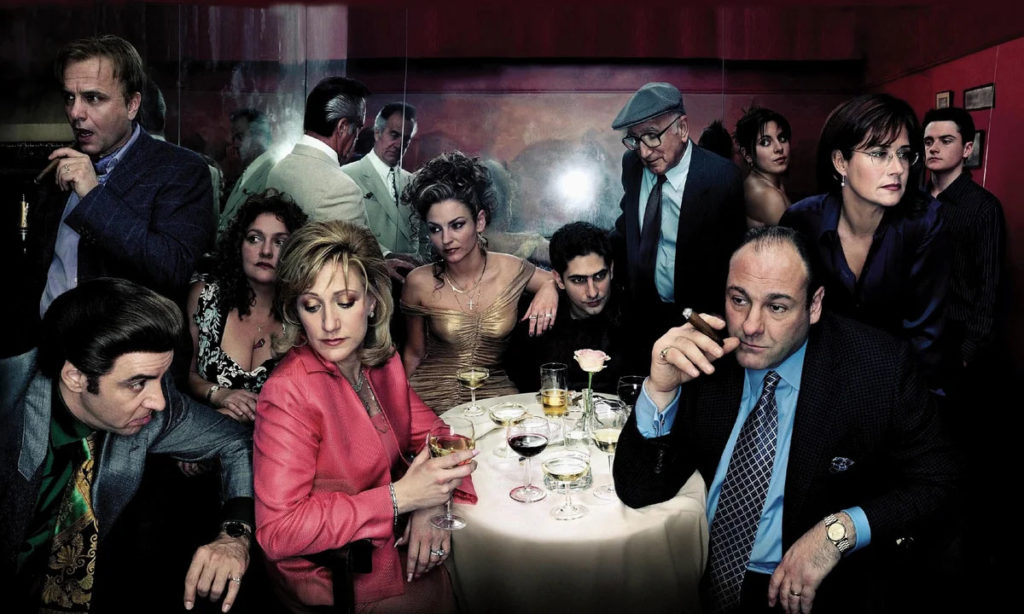
Very few television finales have been dissected as thoroughly as The Sopranos. Nearly 20 years after it aired, viewers are still debating what happened during the final moments inside Holsten’s diner. The abrupt cut to black instantly became one of the most famous endings in television history, inspiring endless theories, essays, interviews, and arguments that continue today.
Why some viewers loved it
Supporters argue that creator David Chase delivered exactly the ending the series deserved. Rather than providing a conventional shootout or neatly wrapping up every storyline, the finale forces viewers to experience Tony Soprano’s world. Every person who walks through the diner’s door could be a threat. Every innocent moment could become the last.
Many fans also point to clues planted throughout the final season, particularly Bobby Baccalieri’s observation that when death comes, “you probably don’t even hear it.” Whether the final cut to black represents Tony’s death or simply the constant uncertainty of his life, supporters believe the ambiguity is the point. The audience is left living with the same tension that Tony carried every day.
Why others hated it
Not everyone appreciated being asked to interpret the ending for themselves. After following the Soprano family for six seasons, many viewers expected a definitive conclusion. Instead, the screen suddenly went black without warning, leading some to believe their televisions had malfunctioned.
Critics argued that the finale withheld information rather than providing a satisfying ending. For viewers who wanted to know whether Tony lived, died, or went to prison, ambiguity felt less like artistic storytelling and more like refusing to answer the central question.
Why it’s still debated today
Perhaps no television ending better illustrates how two people can watch the same episode and reach completely different conclusions. Some consider it one of the greatest finales ever produced, while others still find it frustratingly incomplete. Whether you believe Tony died in that diner or simply continued living under constant threat, The Sopranos remains the standard against which nearly every controversial TV ending is measured.
Where to watch: Available to stream; sold on physical media and digitally.
Lost (2004–2010)
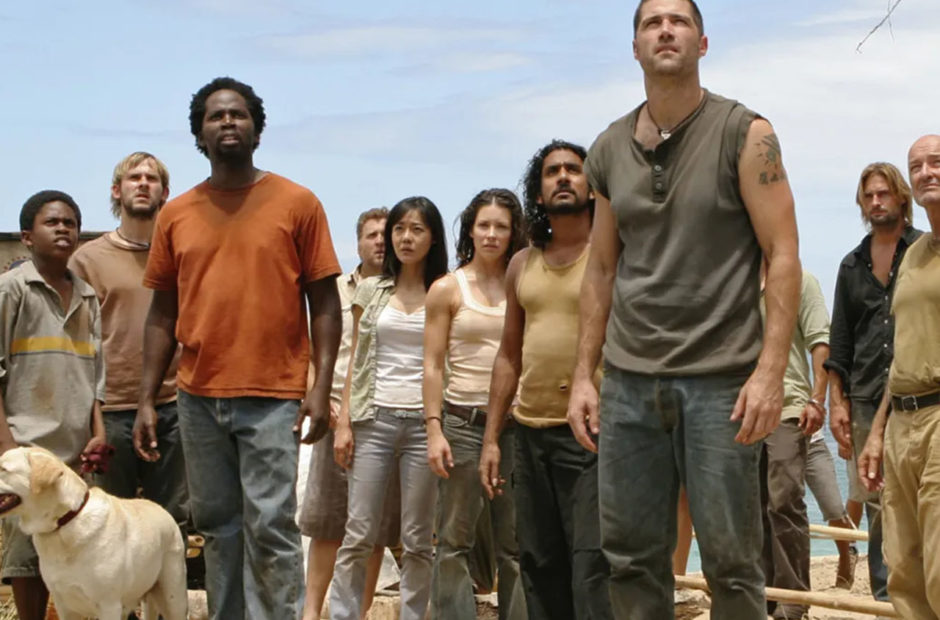
For six seasons, Lost became one of television’s biggest cultural phenomena by encouraging viewers to ask questions. What was the island? What was the smoke monster? Why were these people brought together? Fans spent years building theories, searching for hidden clues, and expecting that every mystery would eventually receive an answer. When the two-and-a-half-hour finale finally aired, it immediately split audiences in a way few television endings ever have.
Why some viewers loved it
Supporters argue that the finale was never meant to answer every mystery. Instead, it focused on the characters who had driven the series from the beginning. The emotional reunions in the flash-sideways timeline, culminating in the survivors moving on together, gave many viewers the heartfelt conclusion they wanted after years of following Jack, Kate, Sawyer, Locke, Hurley, and the rest of Oceanic Flight 815’s passengers.
Fans also point out one of the biggest misconceptions surrounding the ending: the survivors were not dead the entire time. Everything that happened on the island was real. The flash-sideways storyline represented a place the characters found one another after living out the rest of their lives.
Why others hated it
For many viewers, the emotional payoff wasn’t enough. After years of mythology, cryptic clues, and seemingly endless mysteries, they expected more concrete explanations. Questions surrounding the island’s origins, Walt’s abilities, the Dharma Initiative, and numerous other storylines left some fans feeling that the series had prioritized emotion over satisfying answers.
The widespread misunderstanding that “they were dead the whole time,” despite being directly contradicted by the episode itself, only fueled the backlash and continues to color discussions of the finale today.
Why it’s still debated today
Lost remains one of television’s defining examples of how expectations shape audience reactions. Those who viewed the show as a character-driven drama often consider the finale deeply moving. Those who expected every mystery to be solved frequently walked away disappointed. More than a decade later, the series finale continues to spark passionate debates about what audiences should expect from ambitious serialized storytelling.
Where to watch: Available to stream; sold on physical media and digitally.
Game of Thrones (2011–2019)
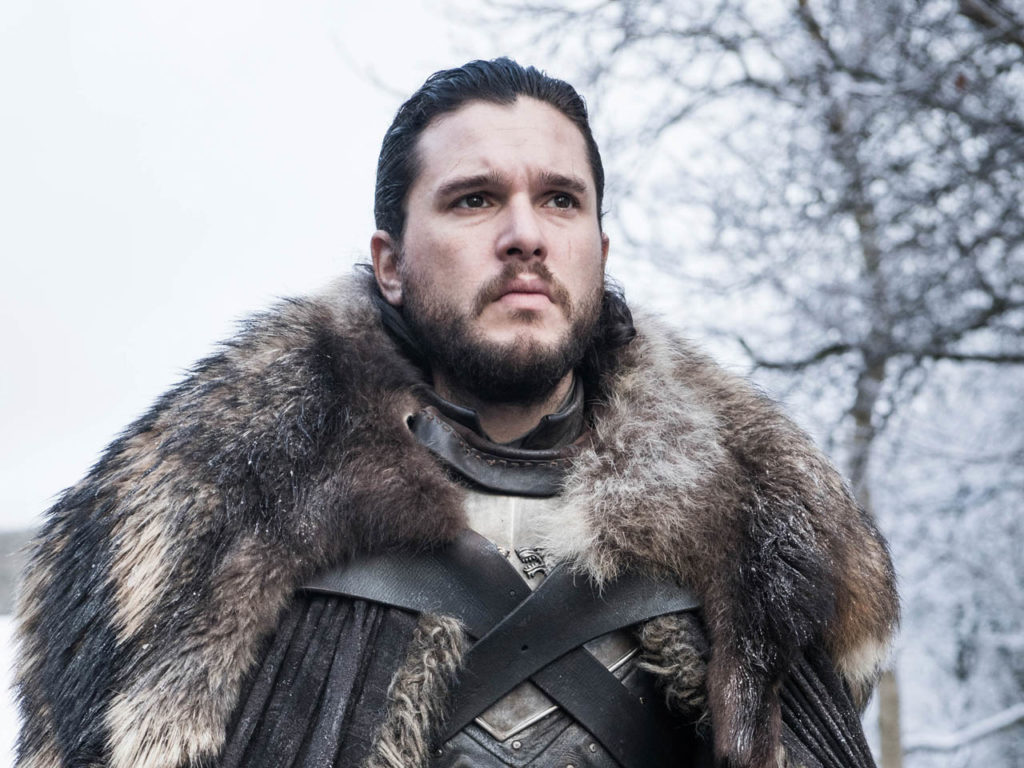
HBO/Warner Bros.
For nearly a decade, Game of Thrones was one of the biggest television events in the world. It built its reputation on unpredictable storytelling, morally complex characters, and the promise that actions had consequences. Then came the final season. While earlier years were almost universally praised, the conclusion divided fans so dramatically that it became a cultural phenomenon in its own right.
Why some viewers loved it
Supporters argue that many of the major story beats made sense. Daenerys Targaryen’s willingness to use overwhelming force had been foreshadowed throughout the series, Bran Stark’s knowledge made him an unconventional but logical choice to rule, and Jon Snow’s decision to stop Daenerys reflected the difficult moral choices that had always defined the show. Many viewers also appreciated that the ending avoided a traditional fairy-tale conclusion where every hero lived happily ever after.
Why others hated it
Critics rarely objected to what happened as much as how quickly it happened. After years of careful pacing, many felt the final six episodes rushed through major character arcs and world-changing events that deserved far more development. Daenerys’ descent into tyranny, Bran’s coronation, Jaime Lannister’s reversal, and several other storylines left viewers feeling that years of character growth had been compressed into a handful of episodes.
The backlash became so intense that millions of fans signed a petition calling for the final season to be remade, an unprecedented reaction for a television series.
Why it’s still debated today
Game of Thrones remains a fascinating example of how execution can shape the legacy of an ending. Even many critics acknowledge that the broad destination for several characters may have been appropriate, while arguing the journey there was rushed. Others maintain that the finale was a fitting conclusion to a story that had always rejected audience expectations. Years later, it remains one of television’s defining examples of a finale that continues to split its fan base.
Where to watch: Available to stream; sold on physical media and digitally.
Dexter (2006–2013)
For eight seasons, Dexter asked viewers to root for a serial killer who targeted other murderers. It was an unusual premise that worked because Dexter Morgan lived by a strict moral code and constantly struggled to balance his violent urges with the life he had built. The original series finale, “Remember the Monsters?,” attempted to bring that story to a close, but instead delivered one of the most criticized endings in television history.
Why some viewers loved it
Supporters believe the finale was appropriately bleak. Rather than dying or escaping to live happily ever after, Dexter chose self-imposed exile after realizing everyone he cared about suffered because of him. By abandoning his son and disappearing into a lonely life as a lumberjack, he effectively sentenced himself to a lifetime of isolation. To those viewers, it was a punishment more fitting than prison or execution.
Some fans also appreciated that the ending refused to give audiences the satisfaction of seeing Dexter either triumph or receive a clean, dramatic downfall.
Why others hated it
Most criticism centered on the execution. Debra Morgan’s abrupt death, Dexter’s decision to dump her body into the ocean, and his seemingly random new life in Oregon left many viewers feeling the finale abandoned the emotional logic the series had spent years establishing.
The infamous “lumberjack ending” quickly became shorthand for a disappointing television finale. Even longtime fans who accepted Dexter’s fate often questioned how the series reached that conclusion, arguing that the final season squandered stronger opportunities for the character’s ending.
Why it’s still debated today
The reaction to the original finale became so overwhelming that Showtime eventually revived the series with Dexter: New Blood, in part to provide a more definitive ending. Ironically, that sequel generated its own wave of debate, leaving fans divided over which conclusion worked better. The original finale remains one of television’s most infamous examples of an ending that continues to inspire arguments years after it aired.
Where to watch: Available to stream; sold on physical media and digitally.
How I Met Your Mother (2005–2014)
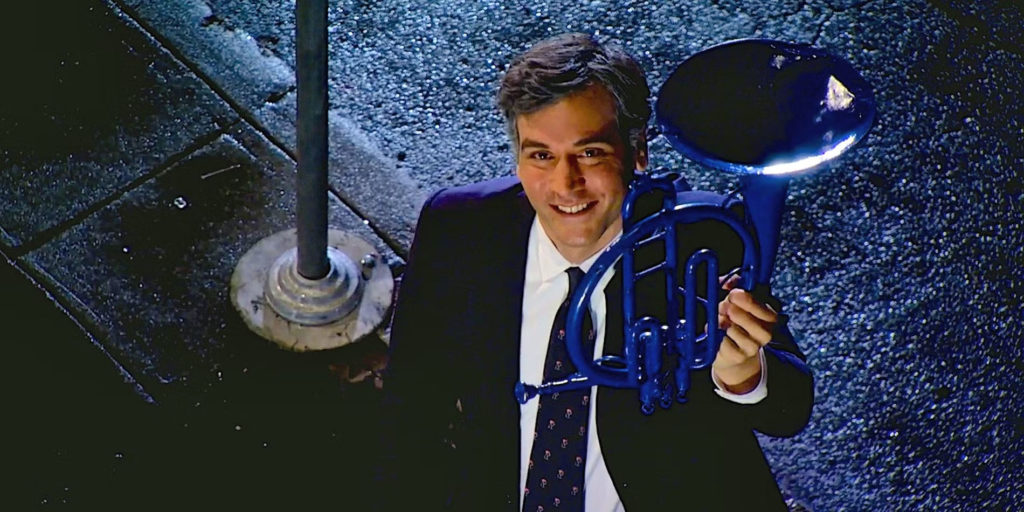
For nine seasons, How I Met Your Mother built toward one question: how did Ted Mosby meet the woman who would become the mother of his children? The series introduced Tracy McConnell late in the final season, and audiences quickly embraced her. Then, in the finale, the show revealed that Tracy had died years earlier and Ted’s story had really been about asking his children for permission to reconnect with Robin. Few sitcom endings have divided viewers more.
Why some viewers loved it
Supporters argue that the finale stayed true to the show’s original plan. The creators had filmed the children’s final scene years earlier, long before the series grew beyond its initial concept. From that perspective, Ted ending up with Robin had always been the intended destination, while Tracy represented an important chapter in his life rather than its final destination.
Many viewers also appreciated that the ending acknowledged life doesn’t always follow a fairy-tale path. People lose loved ones, relationships change, and sometimes life offers unexpected second chances.
Why others hated it
Critics felt the series had outgrown its original ending. After spending multiple seasons showing why Ted and Robin ultimately weren’t compatible, and dedicating an entire final season to Barney and Robin’s wedding, the finale abruptly divorced Barney and Robin before revealing Ted’s return to Robin.
Many fans also believed Tracy had become too compelling a character to be reduced to a narrative device. After years of anticipation, her death came quickly, leaving some viewers feeling the Mother herself deserved far more time on screen.
Why it’s still debated today
Unlike many controversial finales, much of the debate surrounding How I Met Your Mother centers on whether the show’s original ending should have been changed as the series evolved. Some believe the creators honored their long-term vision. Others argue they ignored nearly a decade of character development in order to preserve an ending that no longer fit the story they had actually told.
Where to watch: Available to stream; sold on physical media and digitally.
Seinfeld (1989–1998)
When Seinfeld ended in 1998, it was one of the biggest television events in history. More than 76 million people tuned in expecting one final masterpiece from “the show about nothing.” Instead, they got a courtroom trial that brought back dozens of familiar faces to testify against Jerry, George, Elaine, and Kramer before the foursome landed in prison. It was an ending that immediately divided audiences and still does today.
Why some viewers loved it
Supporters argue that the finale was the perfect summation of the series. For nine seasons, the main characters had drifted through life displaying remarkable selfishness while rarely facing meaningful consequences. The trial simply forced them to answer for years of self-centered behavior, with a parade of returning characters serving as a humorous reminder of the chaos they had left behind.
Fans also appreciate the ending’s symmetry. The final conversation in the jail cell mirrors dialogue from the very first episode, reinforcing the idea that these characters never truly changed.
Why others hated it
Many viewers felt the finale abandoned what made Seinfeld special. Rather than building comedy around everyday observations and awkward social situations, the episode relied on a parade of callbacks and a legal premise that felt unusually grand for a sitcom famous for avoiding traditional television conventions.
Others objected to the notion that the characters needed to be punished at all. They argued that Jerry, George, Elaine, and Kramer had always been deeply flawed, and audiences laughed with them because of those flaws, not in spite of them.
Why it’s still debated today
Over time, opinions on the finale have softened, but it remains one of television’s most polarizing sitcom endings. Some see it as a clever farewell that finally held its characters accountable. Others view it as an episode that misunderstood its own series. The fact that people are still debating whether the gang deserved their fate decades later shows just how memorable the finale remains.
Where to watch: Available to stream; sold on physical media and digitally.
St. Elsewhere (1982–1988)
Few finales have inspired as much discussion as St. Elsewhere, not because of what happened during the episode itself, but because of its final minute. After six seasons following the doctors and staff of St. Eligius Hospital, the camera pulled back to reveal that the entire series may have existed inside the imagination of a young autistic boy named Tommy Westphall as he stared into a snow globe. It was one of television’s earliest “everything might have been imagined” endings, and viewers have been arguing about it ever since.
Why some viewers loved it
Supporters praise the finale for its boldness. Rather than delivering a conventional farewell, the series took an enormous creative risk that left audiences thinking long after the credits rolled. The ending also fit a show that had often experimented with unusual storytelling, dream sequences, and surreal moments throughout its run.
Many fans appreciate that the finale never explicitly states the entire series was imaginary. Instead, it leaves just enough room for interpretation, inviting viewers to decide for themselves what the snow globe really represents.
Why others hated it
Critics felt the twist undermined six years of emotional investment. If everything only existed in Tommy’s imagination, then every triumph, tragedy, and character arc suddenly seemed less meaningful. For many viewers, it was an early example of an ending that appeared to invalidate the story they had spent years watching.
The finale also created an unexpected ripple effect years later. Because characters from St. Elsewhere crossed over with other television series, fans jokingly constructed the “Tommy Westphall Universe,” suggesting that hundreds of shows might all exist within Tommy’s imagination.
Why it’s still debated today
The St. Elsewhere finale remains one of television’s most influential endings because it demonstrated both the power and the danger of an ambiguous final twist. Some consider it a brilliant piece of storytelling that trusted audiences to draw their own conclusions. Others see it as the original example of a finale that pulled the rug out from under its viewers. Either way, decades later, people are still talking about a snow globe.
Where to watch: Available to stream; sold on physical media and digitally.
Roseanne (1988–1997)
For most of its run, Roseanne was celebrated for portraying a working-class family with honesty, humor, and heart. Then came its final season, which abandoned much of that grounded approach in favor of lottery winnings, extravagant lifestyles, and increasingly surreal storylines. Just when viewers thought the series couldn’t become more unexpected, the finale revealed that much of the final season had been fictionalized by Roseanne Conner herself.
Why some viewers loved it
Supporters argue that the twist gave emotional weight to an otherwise uneven final season. The finale reveals that Dan had actually died following his heart attack, and Roseanne had rewritten her family’s story as a way of coping with overwhelming grief. The lottery, the lavish lifestyle, and even several family relationships were revealed to be part of the story she wished had happened instead.
Viewed through that lens, many fans believe the finale transforms the final season from a bizarre detour into a portrait of loss and denial.
Why others hated it
Many viewers felt the reveal asked them to disregard an entire season they had just watched. Beyond Dan’s fate, the finale rewrote several established relationships and family dynamics, leaving fans wondering how much of the series they could still trust.
For audiences already frustrated by the show’s dramatic tonal shift during its final year, the ending reinforced the feeling that the series had wandered too far from the grounded family comedy that made it successful.
Why it’s still debated today
The original finale became even more complicated years later when Roseanne returned to television in 2018 and largely ignored many of its own final revelations, most notably by bringing Dan back. That revival, followed by The Conners, effectively created a second layer of debate over which ending viewers should consider definitive. The original finale remains one of television’s boldest attempts to recontextualize an entire season, and one of its most polarizing.
Where to watch: Available to stream; sold on physical media and digitally.
Battlestar Galactica (2004–2009)

Throughout its acclaimed run, Battlestar Galactica blended military science fiction with politics, religion, philosophy, and questions about what it means to be human. The series constantly challenged viewers with moral dilemmas and unexpected revelations. Its finale attempted to tie those themes together in an ambitious conclusion that answered many long-running questions while introducing a few new ones, leaving fans deeply divided.
Why some viewers loved it
Supporters praise the finale for remaining true to the show’s central themes rather than focusing solely on spectacle. The survivors choosing to abandon their advanced technology and begin again on a new Earth reflected the series’ recurring belief that humanity must continually struggle to break its cycles of violence. The emotional farewells for characters like Adama, Roslin, Starbuck, and Baltar also provided satisfying conclusions for many longtime viewers.
Fans who embraced the show’s spiritual elements likewise felt the ending naturally completed storylines that had hinted for years that unseen forces were guiding events.
Why others hated it
Critics argued that the finale leaned too heavily on faith and divine intervention after years of presenting itself as grounded science fiction. Starbuck’s mysterious disappearance, the role of angels, and several unanswered mythology questions left some viewers feeling the writers substituted spirituality for concrete explanations.
Others also questioned the survivors’ decision to abandon their technology entirely, arguing it was both impractical and inconsistent with the pragmatic choices many of the characters had made throughout the series.
Why it’s still debated today
The Battlestar Galactica finale remains a fascinating example of how viewers can interpret the same story through completely different lenses. Those who viewed the series primarily as a character drama often found the ending emotionally satisfying. Those expecting a more traditional science-fiction explanation frequently left disappointed. Years later, it continues to spark conversations about whether great science fiction should answer every mystery or embrace something more philosophical.
Where to watch: Available to stream; sold on physical media and digitally.
Star Trek: Enterprise (2001–2005)
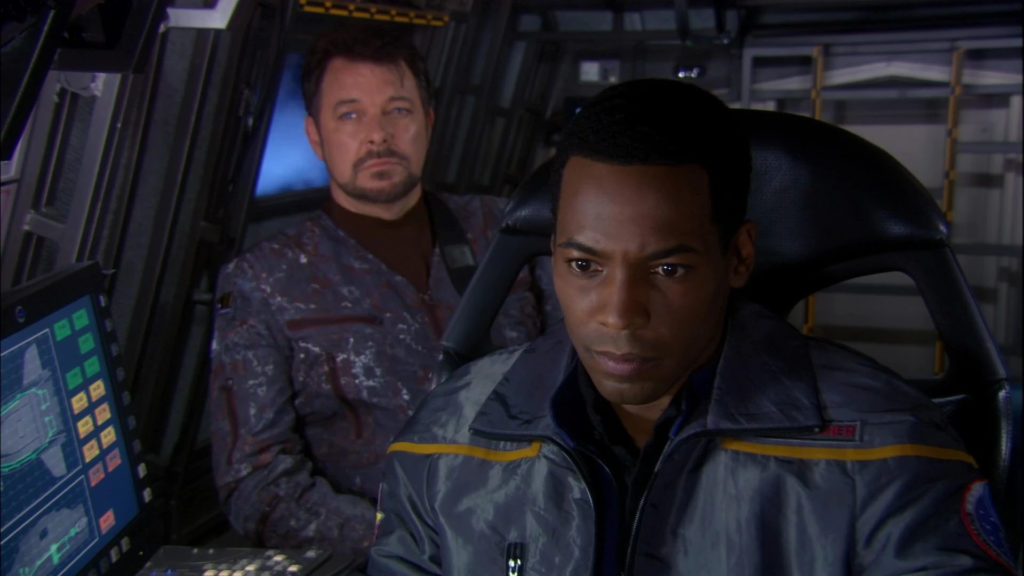
Star Trek: Enterprise had already endured a difficult road before its finale aired. Ratings had declined, the series was canceled after four seasons, and fans knew “These Are the Voyages…” would be the last adventure for Captain Jonathan Archer and his crew. Unfortunately, the episode became controversial almost immediately by shifting the spotlight away from the characters audiences had followed for four years.
Why some viewers loved it
Supporters appreciate the finale as a celebration of the broader Star Trek franchise. Framing the episode through Commander Riker’s holodeck program connected Enterprise to Star Trek: The Next Generation, reinforcing that Archer’s mission laid the foundation for everything that followed. The episode also underscored the historical importance of the NX-01 crew within the larger Star Trek timeline.
Some fans also argue that, viewed as a franchise epilogue rather than a traditional series finale, the episode succeeds in honoring the legacy of Star Trek.
Why others hated it
Most criticism centered on the decision to make Riker and Counselor Troi the emotional focus of Enterprise’s farewell. Many viewers felt Archer, T’Pol, Trip Tucker, and the rest of the cast deserved their own ending rather than serving as supporting players in another series’ story.
Trip Tucker’s sudden death drew particularly strong criticism. Fans argued it felt unnecessary, rushed, and existed primarily to create an emotional moment rather than complete his character arc. Even members of the cast have publicly expressed disappointment with the finale over the years.
Why it’s still debated today
The reputation of Enterprise has improved considerably since it left the air, with many viewers now praising its fourth season as one of the franchise’s strongest. That renewed appreciation has only intensified criticism of the finale, leading many fans to instead view the preceding two-part story, “Demons” and “Terra Prime,” as the show’s true ending. Even so, “These Are the Voyages…” remains one of the most debated finales in Star Trek history.
Where to watch: Available to stream; sold on physical media and digitally.
Twin Peaks: The Return (2017)
When Twin Peaks originally ended in 1991, it already had one of television’s most unsettling cliffhangers. Twenty-six years later, David Lynch and Mark Frost returned with Twin Peaks: The Return, an 18-part continuation that promised answers while introducing even more mysteries. Rather than delivering the nostalgic reunion many viewers expected, the series concluded with one of the most enigmatic endings in television history.
Why some viewers loved it
Supporters view the finale as a masterpiece that perfectly reflects David Lynch’s storytelling philosophy. Instead of providing neat resolutions, the ending invites viewers to wrestle with questions about identity, memory, alternate realities, and whether some tragedies can ever truly be undone. Cooper’s final journey, culminating in Laura Palmer’s haunting scream, is seen by many as a fittingly unsettling conclusion to a series that was never interested in easy answers.
Fans also praise the finale for refusing to become a conventional nostalgia project. Rather than simply revisiting familiar characters and locations, The Return challenged audiences in ways few television revivals ever attempt.
Why others hated it
Many viewers found the finale bewildering rather than thought-provoking. After investing 18 episodes into the revival, they expected at least some definitive answers regarding Cooper’s mission, Judy, and the fate of Laura Palmer. Instead, the final hour raised new questions while leaving many existing ones unresolved.
Some critics also felt the ending was so deliberately opaque that meaningful interpretation became nearly impossible, making the emotional investment less rewarding than the series seemed to promise.
Why it’s still debated today
Few finales demonstrate the divide between artistic ambition and audience expectations as clearly as Twin Peaks: The Return. Admirers consider it one of television’s greatest achievements, while detractors see it as an exercise in frustration. The final exchange, “What year is this?” followed by Laura’s unforgettable scream, remains one of the most analyzed moments in modern television.
Where to watch: Available to stream; sold on physical media and digitally.
Killing Eve (2018–2022)
For four seasons, Killing Eve built a complicated relationship between intelligence investigator Eve Polastri and assassin Villanelle. Their fascination with one another became the emotional core of the series, evolving from a game of cat and mouse into something far more intimate and difficult to define. By the time the finale aired, viewers expected a bold conclusion. They got one, but not the one many had hoped for.
Why some viewers loved it
Supporters argue that the ending remained true to the show’s willingness to subvert expectations. Villanelle’s death reinforced the idea that a life built on violence could never have a peaceful conclusion, while Eve’s survival represented an opportunity to finally escape the obsession that had consumed her for years.
Some viewers also appreciated that the finale refused to romanticize the relationship between the two women, choosing tragedy over a more conventional happy ending.
Why others hated it
The backlash was immediate and intense. Many fans felt Villanelle’s death came abruptly after finally allowing the characters to acknowledge their feelings for one another. Rather than feeling tragic, critics argued it seemed designed purely for shock value, cutting short a relationship that had driven the entire series.
Others believed the finale undermined years of character development by resolving the central relationship only moments before permanently ending it. The reaction became so widespread that members of the creative team publicly defended the ending while many cast members acknowledged the passionate response from disappointed fans.
Why it’s still debated today
The Killing Eve finale has become a frequent topic whenever television fans discuss endings that divided their audience. Some believe it was a fittingly bittersweet conclusion to a dangerous relationship that could never last. Others view it as an example of a series misunderstanding what viewers had become invested in over four seasons. The debate shows no signs of fading.
Where to watch: Available to stream; sold on physical media and digitally.
Veronica Mars (Season 4, 2019)
When Veronica Mars returned in 2019, longtime fans were thrilled to spend more time with the quick-witted private investigator they had supported through a canceled television series, a fan-funded movie, and several novels. Season 4 was intended to launch a new era for Veronica, but its final minutes instead sparked one of the fiercest fan reactions any television revival has received.
Why some viewers loved it
Supporters argue that the ending forced Veronica to confront the emotional stagnation that had defined much of her adult life. By killing Logan Echolls shortly after his wedding to Veronica, creator Rob Thomas sought to free the character from what he believed had become a comfortable domestic life and return her to the lonely, emotionally guarded detective who could anchor future mysteries.
Some viewers also appreciated that the series remained willing to take major risks instead of simply delivering nostalgic wish fulfillment.
Why others hated it
The backlash centered on both the decision itself and its timing. Logan and Veronica had spent years overcoming personal struggles to finally build a healthy relationship, only for Logan to be killed minutes after their wedding. Many fans felt the death existed solely to create shock value rather than serve the story.
Critics also argued that the finale punished the characters for achieving happiness, undoing years of emotional growth in order to preserve a version of Veronica that many viewers believed she had already outgrown.
Why it’s still debated today
The reaction to the finale effectively ended hopes for additional seasons. Rob Thomas has continued to defend the creative decision, while many fans maintain it fundamentally misunderstood what kept audiences invested in the series. Years later, the ending remains one of the most divisive examples of a television revival attempting to reinvent itself at the expense of the relationships that made viewers return in the first place.
Where to watch: Available to stream; sold on physical media and digitally.
Dinosaurs (1991–1994)
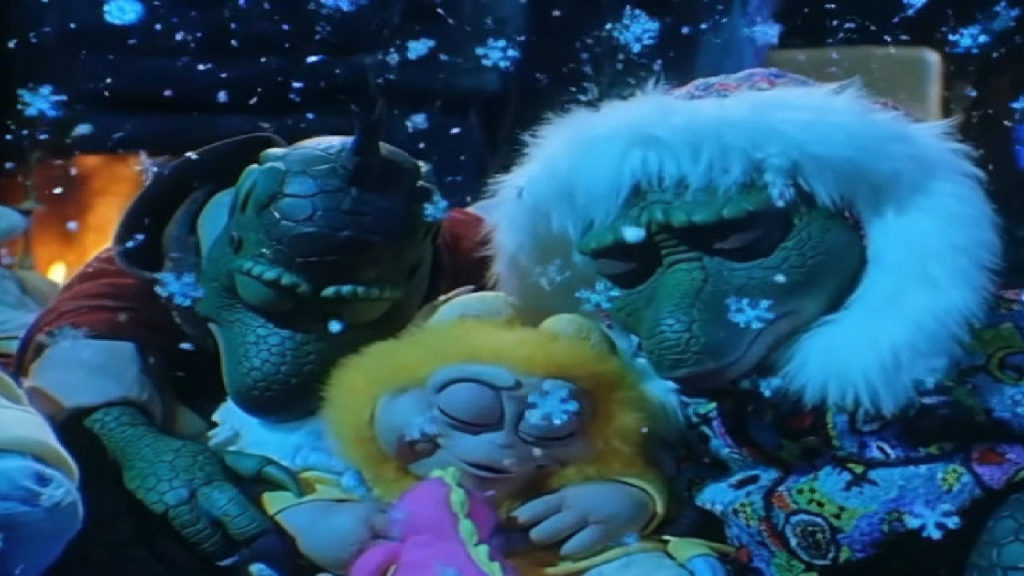
Most family sitcoms end with weddings, new jobs, or one last sentimental gathering. Dinosaurs chose a very different path. After four seasons of broad comedy and social satire, the series concluded with Earl Sinclair’s latest workplace mistake triggering an environmental catastrophe that led to the extinction of the dinosaurs. Instead of a happy ending, audiences watched an entire family quietly accept that they were facing the end of their world.
Why some viewers loved it
Supporters praise the finale for fully committing to the show’s environmental message. Although Dinosaurs often looked like a lighthearted puppet sitcom, it had always used comedy to tackle serious issues. The bleak ending reinforced the consequences of greed, corporate irresponsibility, and ignoring scientific warnings in a way that few family shows had ever attempted.
Many fans also admire the finale for refusing to undermine its message with a last-minute miracle. The story ends exactly where history says it must.
Why others hated it
For many viewers, especially younger audiences, the ending was simply devastating. After spending years with the Sinclair family, seeing them calmly prepare for the extinction of their species felt unexpectedly grim for a Disney-produced sitcom. Parents expecting one final laugh instead found themselves explaining why the characters weren’t going to survive.
Others argued the series’ dramatic tonal shift was too abrupt, replacing its usual warmth with an ending that bordered on existential horror.
Why it’s still debated today
The Dinosaurs finale has only become more remarkable with time. Some consider it one of television’s bravest endings because it remained faithful to both its themes and the unavoidable reality of its premise. Others believe it was far too dark for the audience the series had spent four years attracting. Decades later, it remains one of the most unforgettable sitcom finales ever produced.
Where to watch: Available to stream; sold on physical media and digitally.
The X-Files (2018)
After originally ending in 2002, The X-Files returned for two revival seasons that reunited FBI agents Fox Mulder and Dana Scully. Fans hoped the additional episodes would finally provide satisfying answers to mythology questions that had been building for decades. Instead, the 2018 finale, “My Struggle IV,” added even more twists to an already complicated mythology, leaving viewers more divided than ever.
Why some viewers loved it
Supporters appreciated that Chris Carter remained committed to the show’s mysterious tone rather than explaining every unanswered question. The finale’s revelations about William, the Cigarette Smoking Man, and Mulder and Scully’s future reinforced the idea that The X-Files had always thrived on uncertainty and conspiracy rather than neat resolutions.
Many fans also found hope in the episode’s final revelation that Scully was pregnant, viewing it as an optimistic conclusion for two characters who had endured decades of loss and sacrifice.
Why others hated it
Critics argued the finale only made an already convoluted mythology even more confusing. Major revelations contradicted earlier storylines, long-standing questions remained unanswered, and William’s fate left many viewers unsatisfied after years of buildup.
Some fans also felt the revival spent too much time revisiting mythology that had become increasingly difficult to follow instead of focusing on the character-driven storytelling that had made the series a classic in the first place.
Why it’s still debated today
The final season of The X-Files highlighted a challenge many long-running franchises face: how do you conclude a mythology that has been expanding for more than 25 years? Some viewers accepted that mystery had always been part of the show’s identity. Others believed the revival represented one missed opportunity after another to finally provide satisfying answers. The debate continues whenever fans discuss whether the series should ever return again.
Where to watch: Available to stream; sold on physical media and digitally.
Quantum Leap (2022–2024)
Reviving a beloved television series is always a challenge, especially one with an ending as iconic as the original Quantum Leap. The modern series successfully established its own identity through Dr. Ben Song’s time-travel adventures while gradually building toward an emotional finale that promised new possibilities for both Ben and his team. Then NBC canceled the series before viewers had a chance to see where those possibilities would lead.
Why some viewers loved it
Supporters believe the finale still works remarkably well under the circumstances. Ben successfully completes his mission, several major character arcs reach satisfying emotional conclusions, and the episode leaves audiences with a sense of hope instead of ending on a devastating cliffhanger. Compared to many canceled shows, it offers far more closure than fans typically receive.
Many viewers also appreciated that the revival honored the spirit of the original series while introducing a new cast and mythology instead of simply repeating what had come before.
Why others hated it
The controversy has little to do with the episode itself and everything to do with what happened afterward. The finale clearly establishes new directions for Ben, Addison, and the Quantum Leap project, only for NBC to cancel the series days before the episode aired. As a result, what was intended as the beginning of a new chapter instead became an accidental series finale.
Fans were left with major questions about Ben’s future and the consequences of the finale’s final moments that now may never be answered.
Why it’s still debated today
Quantum Leap occupies an unusual place among controversial finales because the debate centers on circumstance rather than creative intent. Many fans believe the writers struck an admirable balance between providing closure and leaving room for another season. Others can’t separate the ending from the frustration of knowing the story was cut short before it could continue. That combination has made it one of television’s more bittersweet recent finales.
Where to watch: Available to stream; sold on physical media and digitally.
The Prisoner (1967–1968)
Few television finales have generated as much confusion, analysis, and debate as The Prisoner. Throughout its 17-episode run, the series challenged viewers with questions about individuality, authority, and identity while following Number Six’s attempts to escape the mysterious Village. Fans naturally expected the finale to reveal who Number One really was and explain the Village once and for all. Instead, they received one of the most surreal endings ever broadcast.
Why some viewers loved it
Supporters argue that the finale perfectly reflects everything the series had been building toward. Rather than providing tidy explanations, it reinforces the idea that the greatest prison is often the one people create for themselves. The shocking revelation involving Number One has inspired decades of philosophical discussion, with many viewers believing it represents humanity’s struggle against its own nature rather than a literal plot twist.
Fans also appreciate that creator Patrick McGoohan refused to compromise his vision simply to provide conventional answers.
Why others hated it
Many viewers were simply baffled. The finale’s dreamlike imagery, symbolic storytelling, and refusal to explain its central mysteries left audiences wondering whether they had missed something important. Instead of resolving the Village’s secrets, the episode seemed to replace one mystery with several more.
Critics argued that after asking viewers to invest in an intricate conspiracy for 16 episodes, the finale abandoned narrative resolution in favor of abstract symbolism.
Why it’s still debated today
More than half a century later, The Prisoner remains one of television’s most analyzed finales. Entire books and documentaries have been devoted to interpreting its final scenes, and fans still disagree over what the ending actually means. Whether viewed as a brilliant philosophical statement or an intentionally frustrating puzzle, it stands as one of the earliest examples of a television series trusting its audience to wrestle with ambiguity long after the credits rolled.
Where to watch: Available to stream; sold on physical media and digitally.
The 100 (2014–2020)
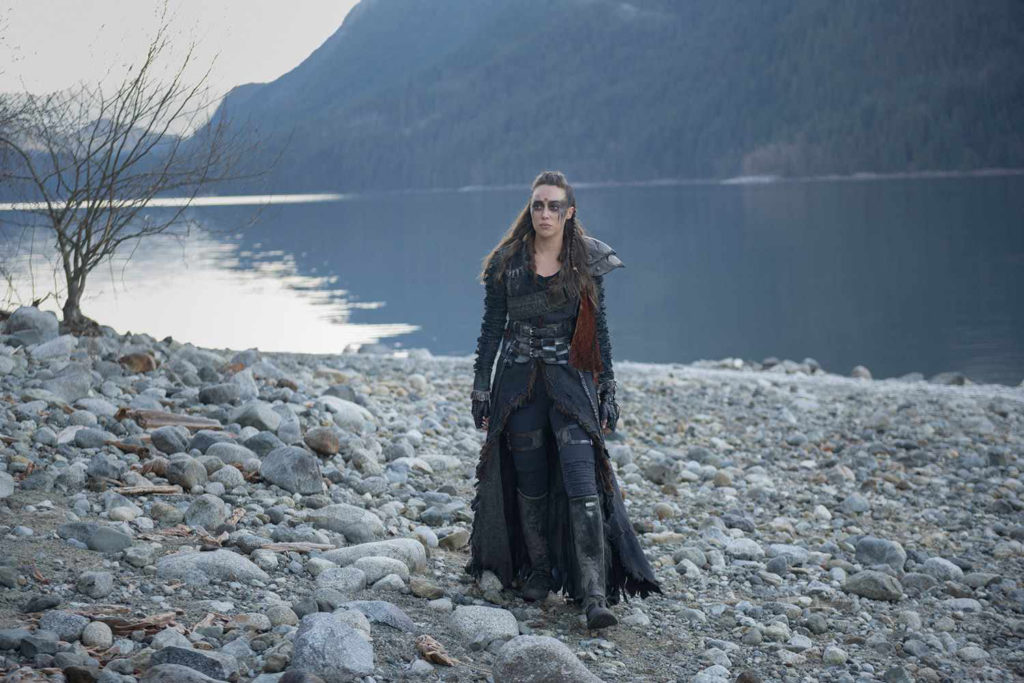
Throughout its seven seasons, The 100 built a reputation for making bold, often heartbreaking choices. Major characters died unexpectedly, moral compromises became routine, and survival almost always came at a terrible cost. The series finale continued that tradition by introducing humanity’s final test, transcendence into a higher state of existence, and one last impossible decision for Clarke Griffin. Fans were anything but unanimous in their response.
Why some viewers loved it
Supporters argue that the finale stayed true to the series’ central theme that survival is only meaningful if people learn from their mistakes. Humanity’s opportunity to transcend represented the culmination of years of conflict between violence and compassion, while Clarke’s friends choosing to give up transcendence so she wouldn’t spend the rest of her life alone became one of the show’s most emotional moments.
Many fans also appreciated that the ending emphasized friendship and chosen family over a traditional happy ending.
Why others hated it
Critics felt the final season introduced an entirely new mythology too late in the series. The concept of transcendence, higher beings, and humanity’s ultimate judgment struck many viewers as a dramatic departure from the grounded post-apocalyptic survival story that had originally defined the show.
Bellamy Blake’s controversial death shortly before the finale generated even greater backlash. Many fans believed one of the series’ most important characters deserved a far different conclusion, making it difficult to embrace the philosophical direction of the ending itself.
Why it’s still debated today
The finale remains one of television’s clearest examples of a series expanding its scope so dramatically that it divided its audience. Some viewers see the ending as a natural evolution from survival to enlightenment. Others believe it abandoned the very premise that made The 100 compelling in the first place. Years later, fans still debate whether the series reached an ambitious conclusion or simply lost sight of its own identity.
Where to watch: Available to stream; sold on physical media and digitally.
Merlin (2008–2012)
For five seasons, Merlin reimagined the Arthurian legend by exploring the friendship between a young Merlin and the future King Arthur before Camelot reached its legendary destiny. Viewers spent years waiting for the moment Arthur would finally learn Merlin’s secret and witness the two fulfill the prophecy that had guided the entire series. The finale delivered those moments, but not in the way many fans expected.
Why some viewers loved it
Supporters argue that the ending remained faithful to Arthurian legend. Arthur’s death at the Battle of Camlann has been part of the mythology for centuries, and the series embraced that tragic destiny instead of rewriting it. Many viewers also praise the emotional performances during Arthur’s final journey with Merlin, particularly after Arthur finally learns his loyal servant has secretly been the kingdom’s greatest protector all along.
The closing scene, showing Merlin still waiting for Arthur’s promised return in the modern world, also resonated with fans who appreciated its bittersweet sense of hope.
Why others hated it
Many viewers felt the series waited far too long to reveal Merlin’s magic to Arthur. After years of building toward that moment, Arthur learns the truth only shortly before his death, leaving almost no time to explore how their relationship would have changed.
Others argued the finale spent five seasons promising audiences the legendary golden age of Camelot, only to end the story before viewers ever had the chance to experience it. For those fans, the payoff simply didn’t match the years of anticipation.
Why it’s still debated today
The Merlin finale continues to divide audiences because it fulfilled the broad outline of Arthurian legend while denying viewers the version of the story many had hoped to see. Some believe the tragedy gives the series its emotional power. Others remain convinced the show ended just as its most interesting chapter was about to begin. More than a decade later, it remains one of fantasy television’s most passionately debated finales.
Where to watch: Available to stream; sold on physical media and digitally.
Ozark (2017–2022)
From its very first episode, Ozark made one thing clear: good people don’t survive by staying good. Marty and Wendy Byrde repeatedly crossed moral lines to protect their family, leaving viewers to wonder whether they would ultimately pay for their crimes or somehow escape the dangerous world they had created. The series finale answered that question in a way that continues to divide audiences.
Why some viewers loved it
Supporters argue that the ending was entirely consistent with the show’s worldview. Throughout the series, the Byrdes repeatedly discovered that wealth, influence, and political power often shield people from consequences. Allowing the family to emerge largely intact reinforced the cynical message that those who accumulate enough power can manipulate the system to their advantage.
Many viewers also appreciated that the finale avoided a more predictable ending in which every major character either died or went to prison.
Why others hated it
Critics felt the finale denied meaningful consequences to characters who had spent four seasons making increasingly destructive choices. Ruth Langmore’s death struck many fans as especially unfair, with some arguing she was punished while the Byrdes escaped despite being responsible for much of the chaos surrounding them.
The final scene, in which Jonah appears ready to protect his family through violence, also divided audiences. Some viewed it as the completion of the Byrdes’ moral collapse, while others saw it as an unnecessarily bleak ending that suggested nothing had truly been learned.
Why it’s still debated today
The Ozark finale remains controversial because it forces viewers to decide whether justice is necessary for a satisfying ending. Some believe the Byrdes’ survival perfectly captures the show’s cynical view of power and corruption. Others argue the series spent years building toward consequences that never meaningfully arrived. That disagreement continues to make Ozark one of the most discussed modern television finales.
Where to watch: Available to stream; sold on physical media and digitally.
Succession (2018–2023)
Few modern dramas inspired as much speculation about their ending as Succession. For four seasons, viewers watched the Roy siblings battle for control of Waystar Royco while attempting to earn the approval of their domineering father, Logan Roy. After Logan’s death, the question became simple: which sibling would finally win? The finale answered that question, but many fans continue to debate whether anyone truly did.
Why some viewers loved it
Supporters praise the finale for remaining completely faithful to the characters. Kendall, Shiv, and Roman each had opportunities to claim the company, yet their own flaws repeatedly prevented them from succeeding. In the end, Tom Wambsgans becoming CEO while Lukas Matsson acquired the company reinforced one of the series’ central ideas: the Roy children were never as capable as they believed.
Many viewers also appreciated that the finale resisted the temptation to manufacture a triumphant ending for any member of the family. Instead, everyone walked away diminished in different ways.
Why others hated it
Critics argued that four seasons of maneuvering ultimately resulted in an ending where none of the principal players achieved meaningful growth or satisfaction. Some viewers found Shiv’s last-minute decision to block Kendall’s takeover unconvincing, while others believed Tom’s promotion made him feel more like a placeholder than a true victor.
For fans hoping one of the Roy siblings would finally break the cycle and earn the company’s leadership, the finale felt deliberately anticlimactic.
Why it’s still debated today
The debate surrounding Succession largely comes down to expectations. Some see the ending as a perfectly executed tragedy in which every character’s flaws inevitably lead to failure. Others believe the series built toward a conclusion that was emotionally satisfying but intentionally denied audiences the payoff they had been anticipating. That tension has kept the finale at the center of discussions about television endings since it aired.
Where to watch: Available to stream; sold on physical media and digitally.
The Umbrella Academy (2019–2024)
From the beginning, The Umbrella Academy embraced chaos. Time travel, alternate timelines, superpowered siblings, and multiple apocalypses became routine as the dysfunctional Hargreeves family repeatedly tried to save a world that seemed determined to end. By the time the fourth and final season arrived, fans expected an unconventional conclusion. They got one that immediately divided the audience.
Why some viewers loved it
Supporters argue that the finale completed the series’ central theme of sacrifice. After years of unintentionally causing reality to fracture, the Hargreeves siblings ultimately choose to erase themselves from existence so the timeline can finally heal. Their decision ends the cycle of apocalypses and allows billions of ordinary people to live lives untouched by their family’s mistakes.
Many viewers also appreciated that the ending focused less on superhero spectacle and more on the siblings finally putting one another ahead of themselves.
Why others hated it
Critics felt the final season rushed toward its conclusion while introducing new ideas that never received enough development. Some believed the siblings deserved more meaningful resolutions after four seasons of emotional growth, while others argued that erasing the main characters from existence made much of their journey feel ultimately meaningless.
The shorter six-episode final season also drew criticism, with many fans feeling the story needed additional time to fully develop its mythology and character arcs before arriving at such a sweeping conclusion.
Why it’s still debated today
The Umbrella Academy finale asks a difficult question: can an ending be satisfying if its heroes essentially undo their own existence? Some viewers see the siblings’ sacrifice as the only logical way to finally save the world. Others believe the conclusion came at too great a cost, leaving audiences to wonder whether four seasons of struggle simply disappeared along with the characters themselves.
Where to watch: Available to stream; sold on physical media and digitally.
Fun Jug Media, LLC (operating TheNerdy.com) has affiliate partnerships with various companies. These do not at any time have any influence on the editorial content of The Nerdy. Fun Jug Media LLC may earn a commission from these links.