If you sit down to watch an episode of Gilligan’s Island, The Brady Bunch, or Bewitched today, there is a very specific sound that immediately dates the production. Every time a character delivers a punchline, a chorus of disembodied, roaring laughter erupts from the void. It feels surreal to modern ears, but for decades, the laugh track was a mandatory ingredient for a successful television comedy.
Networks didn’t just use canned laughter because they thought audiences were too dim to understand the jokes. The laugh track was actually invented to solve a massive logistical nightmare created by the transition from live radio to filmed television.
The Problem with Real People
In the early days of broadcast entertainment, comedy lived on the radio, and radio comedies always had live studio audiences. When television became the dominant medium in the 1950s, early pioneers like Lucille Ball insisted on keeping that live audience for I Love Lucy. They believed actors performed better when they could feed off the energy of a real crowd.
There was just one major problem. Filming a television show requires multiple takes, lighting adjustments, and camera setups. If an actor messed up a line, the scene had to be shot again. The first time the audience heard a joke, they roared with laughter. By the fourth take, they barely chuckled. When editors tried to stitch the best visual takes together, the audio was a disaster. The laughter would abruptly cut out or sound completely unnatural between shots.
Enter the Laff Box
A CBS sound engineer named Charles Douglass realized that television needed a way to control the crowd. In the early 1950s, he invented a machine that would forever change the sound of television. It was famously known as the Laff Box.
The Laff Box was a large, padlock-secured wooden machine that operated almost like a musical instrument. Douglass had meticulously recorded various types of audience reactions, including polite chuckles, belly laughs, gasps, and applause. He mapped these sounds to a series of keys and dials. By playing the machine, Douglass could seamlessly blend artificial laughter into a scene to cover up bad audio edits or boost a joke that fell flat in the studio.
This process was known in the industry as “sweetening.” Douglass was incredibly protective of his invention, keeping it locked away and refusing to let anyone else operate it. For years, almost every major sitcom relied entirely on Douglass and his magical box of chuckles.
The Era of Total Control
By the 1960s, networks realized that skipping the live audience altogether was much cheaper and dramatically easier. Shows like The Beverly Hillbillies and The Munsters abandoned live crowds and relied completely on canned laughter. The laugh track became a psychological tool. Executives believed that television was an inherently communal medium, and hearing other people laugh made viewers at home feel like they were part of a shared, comforting experience.
The practice was so deeply ingrained in the broadcast schedule that networks fought aggressively to keep it. When the creators of M*A*S*H pushed back against using a laugh track for their gritty war comedy, the network compromised by leaving the laughter out of the operating room scenes, but keeping it everywhere else.
The Shift to Silence (and the Modern Track)
The total dominance of the laugh track finally cracked during the single-camera comedy boom of the 2000s. Shows like Malcolm in the Middle, Scrubs, The Office, and Arrested Development abandoned the traditional three-camera stage setup in favor of a cinematic, documentary-style approach. These shows relied on rapid-fire dialogue, visual gags, and awkward silences for their humor. A booming, artificial laugh track would have ruined the timing and shattered the grounded tone.
As these single-camera shows gained massive critical acclaim, the traditional sitcom format started to feel somewhat dated. Viewers grew accustomed to deciding for themselves what was funny without an audio cue.
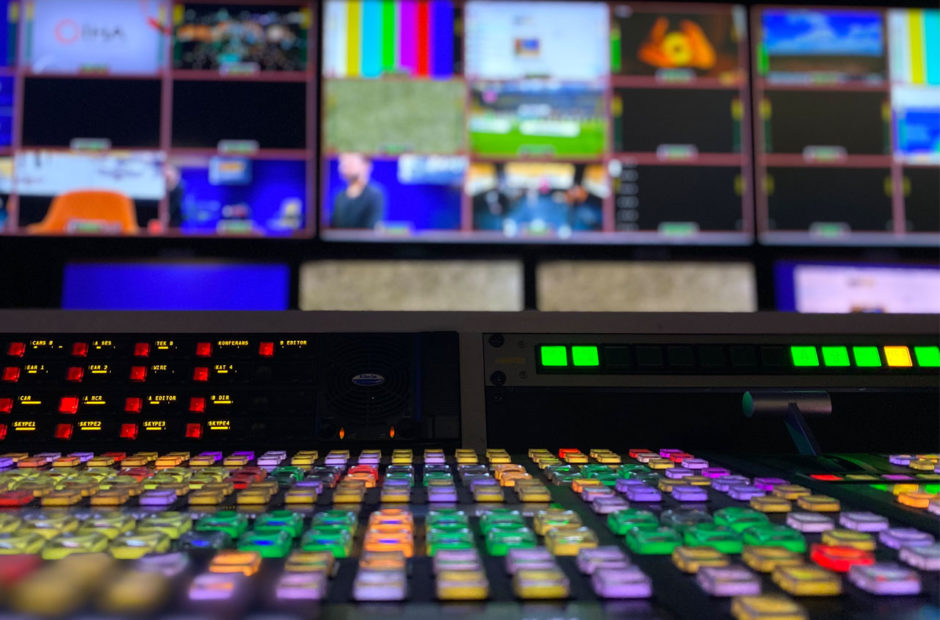
However, the laugh track never truly died. If you watch a modern multi-camera sitcom today, you are still hearing a highly manipulated audio mix. While many of these shows film in front of a live audience, editors routinely “sweeten” those organic reactions in post-production. They will copy a loud laugh from one take and paste it over another, or outright inject artificial giggles to punch up a weak joke. Charley Douglass’s original wooden machine might be sitting in a museum, but the practice of strictly controlling when the audience laughs is still a staple of the television industry.