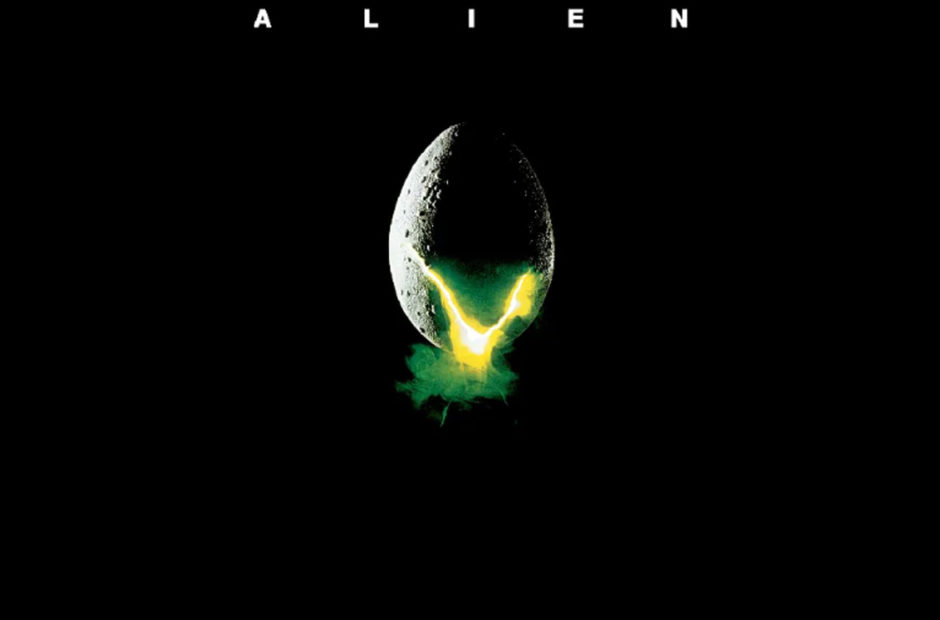
The Alien franchise is one of the great nightmares of science fiction, but trying to figure out the correct viewing order can turn into its own kind of facehugger.
At first, it seems simple. You watch Alien, then Aliens, then the sequels. Easy enough. Then the franchise adds prequels, crossover movies, a legacy sequel set between the first two films, and a live-action TV series set before the original movie. Suddenly, “the Alien movies in order” is not as simple as it sounds.
So here is the clean answer: if you are watching the Alien movies for the first time, theatrical release order is the best way to go. That is how the franchise was built, and it preserves the mystery, reveals, and tonal shifts that made the series work in the first place.
But if you want the full timeline, including the Alien vs. Predator movies and Alien: Earth, we have that covered too.
Quick Answer: The Alien Movies in Release Order
If you want the simplest way to watch the Alien movies, start here.
| Movie | Year |
|---|---|
| Alien | 1979 |
| Aliens | 1986 |
| Alien 3 | 1992 |
| Alien Resurrection | 1997 |
| Alien vs. Predator | 2004 |
| Aliens vs. Predator: Requiem | 2007 |
| Prometheus | 2012 |
| Alien: Covenant | 2017 |
| Alien: Romulus | 2024 |
This is the best order for most viewers. The original four films follow Ellen Ripley’s story and its aftermath. The two Alien vs. Predator movies are crossover detours. Then the Ridley Scott prequels move backward in time before Alien: Romulus returns to the era between Alien and Aliens.

The Best Way to Watch the Alien Movies
For first-time viewers, the best order is:
- Alien
- Aliens
- Alien 3
- Alien Resurrection
- Prometheus
- Alien: Covenant
- Alien: Romulus
The Alien vs. Predator movies are optional. They are official theatrical releases, and they absolutely belong in a complete guide, but they are not essential to understanding Ripley’s story, Ridley Scott’s prequel mythology, or Alien: Romulus.
Think of them as a side hallway. In this franchise, that is usually where the screaming starts.
The Alien Movies in Chronological Timeline Order
If you want to watch the franchise by in-universe chronology, the order changes quite a bit.
| Movie or Series | Timeline Placement |
|---|---|
| Alien vs. Predator | Set in 2004 |
| Aliens vs. Predator: Requiem | Set immediately after Alien vs. Predator |
| Prometheus | Main story set in the late 21st century |
| Alien: Covenant | Set in 2104 |
| Alien: Earth | TV series set in 2120 |
| Alien | Set in 2122 |
| Alien: Romulus | Set between Alien and Aliens |
| Aliens | Set decades after Alien |
| Alien 3 | Set after Aliens |
| Alien Resurrection | Set centuries after the original films |
Chronological order is interesting, but it is not the best way to experience the franchise for the first time. Starting with Alien vs. Predator or Prometheus gives away too much context before the original Alien has a chance to work its magic.
And make no mistake, the first Alien works best when the universe still feels cold, unknowable, and deeply uninterested in whether humans survive the next ten minutes.

Alien Movies in Release Order
Alien (1979)
Ridley Scott’s Alien is where the franchise begins, and it is still the cleanest entry point.
The story follows the crew of the Nostromo, a commercial towing vessel that responds to a mysterious signal on a distant moon. What they find there becomes one of the most iconic monsters in movie history.
Part haunted house movie, part workplace nightmare, part science fiction horror landmark, Alien works because it keeps the universe small and terrifying. The crew does not understand what they have found. The audience does not fully understand it either. That mystery is a huge part of the film’s power.
Where to watch: Available to stream; sold on physical media and digitally.
Aliens (1986)
James Cameron’s Aliens takes the horror foundation of the first film and turns it into a full-scale action thriller.
Sigourney Weaver returns as Ellen Ripley, who is sent back to the same deadly corner of space with a squad of Colonial Marines. Naturally, this proves to be a terrible corporate decision, which is something of a recurring theme in the Alien universe.
Aliens is bigger, louder, and more emotional than the original. It also deepens Ripley as a character, turning her from survivor into protector. If Alien is about being trapped with the monster, Aliens is about going back into the dark because someone else needs saving.
Where to watch: Available to stream; sold on physical media and digitally.
Alien 3 (1992)
Alien 3 is one of the most divisive films in the franchise, and for understandable reasons.
Directed by David Fincher, although famously under difficult studio circumstances, the film strands Ripley on a prison planet after the events of Aliens. The tone is bleak, grim, and stripped down, moving away from the action momentum of the previous film.
For some viewers, it is a fascinating, harsh continuation of Ripley’s story. For others, it is where the franchise first went off the rails. Either way, it is a major chapter and should not be skipped if you are following the mainline series.
Where to watch: Available to stream; sold on physical media and digitally.
Alien Resurrection (1997)
Set long after the original trilogy, Alien Resurrection brings Ripley back in a very different form.
Directed by Jean-Pierre Jeunet, the film has a stranger, pulpier tone than the earlier movies. It involves cloning, military experiments, smugglers, and another deeply foolish attempt by humans to control xenomorphs. At this point, the franchise has made one thing very clear: if someone says they can contain the creature, that person should not be allowed near a clipboard.
Alien Resurrection is not as essential as the first two films, but it is part of the theatrical series and concludes the original run of Ripley-centered movies.
Where to watch: Available to stream; sold on physical media and digitally.
Alien vs. Predator (2004)
Alien vs. Predator is where the franchise crosses over with the Predator series.
The movie is set on Earth and involves an ancient pyramid beneath Antarctica, where humans stumble into a long-running conflict between Predators and xenomorphs. As franchise logic goes, this is gloriously ridiculous, but it is also exactly the sort of thing crossover movies tend to do.
This is not essential viewing for the main Alien timeline. Still, it is part of the larger theatrical history of the franchise and should be included in any complete viewing guide.
Where to watch: Available to stream; sold on physical media and digitally.
Aliens vs. Predator: Requiem (2007)
Aliens vs. Predator: Requiem picks up after the previous crossover and brings the chaos to a small town.
It is darker, nastier, and messier than the 2004 film, with a hybrid creature known as the Predalien at the center of the story. It is also one of the least beloved entries in either franchise.
For completists, it belongs on the list. For first-time Alien viewers, it is very optional.
Where to watch: Available to stream; sold on physical media and digitally.
Prometheus (2012)
Ridley Scott returned to the franchise with Prometheus, a prequel that takes place before the events of Alien.
Rather than focusing directly on the xenomorph, Prometheus explores humanity’s origins, the mysterious Engineers, and the dangerous intersection of faith, science, and corporate ambition. It is not a straightforward monster movie, which is part of why it divided audiences.
Still, Prometheus is important to the larger mythology. It reframes the universe and begins the prequel storyline that continues in Alien: Covenant.
Where to watch: Available to stream; sold on physical media and digitally.
Alien: Covenant (2017)
Alien: Covenant continues the prequel storyline while moving closer to the familiar horror shape of the original franchise.
The film follows a colony ship that discovers what appears to be a habitable world. Since this is an Alien movie, “habitable” quickly becomes a very generous interpretation of the facts.
Alien: Covenant connects more directly to the development of the xenomorph and continues the story of David, the android introduced in Prometheus. It is a key entry if you want to understand Ridley Scott’s later mythology for the series.
Where to watch: Available to stream; sold on physical media and digitally.
Alien: Romulus (2024)
Alien: Romulus is set between Alien and Aliens, making it a midquel rather than a sequel at the end of the timeline.
Directed by Fede Álvarez, the film follows a group of young characters who encounter xenomorph terror aboard a derelict space station. Its placement lets it return to the grimy, industrial horror of the original film while still existing in the larger continuity.
For modern viewers, Alien: Romulus is one of the easiest later entries to understand. You should still watch Alien first, but you do not need to memorize every corner of the franchise to follow it.
Where to watch: Available to stream; sold on physical media and digitally.

Where Does Alien: Earth Fit?
Alien: Earth is not one of the Alien movies, but it does belong in any complete franchise timeline.
The FX series is set in 2120, which places it two years before the events of the original Alien. That makes it one of the earliest stories in the main franchise chronology, after Prometheus and Alien: Covenant, but before the Nostromo ever receives its fateful distress signal.
Since this is a movie guide, Alien: Earth should not be counted in the main theatrical release-order list. But if you are trying to understand the full Alien timeline, it fits here:
- Prometheus
- Alien: Covenant
- Alien: Earth
- Alien
- Alien: Romulus
- Aliens
- Alien 3
- Alien Resurrection
The important thing is not to confuse “timeline placement” with “best viewing order.” Alien: Earth may take place before Alien, but the original movie is still the best place to begin.
Do the Alien vs. Predator Movies Count?
Yes and no, because franchise continuity enjoys making life difficult.
The two Alien vs. Predator movies are official theatrical crossover films. They feature xenomorphs, they connect the Alien and Predator brands, and they are part of the broader history of both franchises.
However, they sit awkwardly beside the main Alien continuity. They are not needed for Ripley’s story. They are not needed for Prometheus or Alien: Covenant. They are not needed for Alien: Romulus. They are best treated as optional crossover entries.
If you are watching everything, include them after Alien Resurrection in release order. If you are watching only the main Alien story, you can skip them and come back later.
Should You Watch Alien in Release Order or Chronological Order?
For almost everyone, release order is better.
Release order lets you experience the franchise the way audiences did:
- The mystery of the xenomorph in Alien
- The expansion of the universe in Aliens
- The conclusion of Ripley’s original arc in Alien 3
- The strange aftermath in Alien Resurrection
- The crossover detours
- The prequel mythology of Prometheus and Alien: Covenant
- The return-to-basics placement of Alien: Romulus
Chronological order is better if you have already seen the franchise and want to track the mythology from earliest event to latest event. It is not the best first viewing experience.
Starting with Prometheus before Alien changes the nature of the mystery. Starting with Alien vs. Predator changes the tone completely. Starting with Alien gives the franchise its teeth.
Which Alien Movies Are Essential?
If you do not want to watch every entry, here is the essential list:
- Alien
- Aliens
- Prometheus
- Alien: Covenant
- Alien: Romulus
If you want Ripley’s complete theatrical story, add:
- Alien 3
- Alien Resurrection
If you want absolutely everything released theatrically, add:
- Alien vs. Predator
- Aliens vs. Predator: Requiem
That gives you three levels: essential, complete mainline, and completist.
Frequently Asked Questions About the Alien Movies
What is the first Alien movie?
The first Alien movie is Alien, released in 1979 and directed by Ridley Scott.
What is the best Alien movie to watch first?
Start with Alien. Even though some later entries take place earlier in the timeline, the original film is still the best introduction to the franchise.
Are the Alien movies connected?
Yes, but some are more directly connected than others. Alien, Aliens, Alien 3, and Alien Resurrection follow Ripley’s story and its aftermath. Prometheus and Alien: Covenant are prequels. Alien: Romulus is set between Alien and Aliens. The Alien vs. Predator movies are crossover entries.
Is Prometheus an Alien movie?
Yes. Prometheus is a prequel set in the Alien universe, although it focuses more on the Engineers and the origins of the franchise mythology than on the classic xenomorph.
Is Alien: Romulus a sequel or a prequel?
Alien: Romulus is best described as a midquel. It takes place after Alien but before Aliens.
Do I need to watch Alien vs. Predator?
No. The Alien vs. Predator movies are optional crossover entries. Watch them if you want the full theatrical franchise experience, but they are not required for the main Alien story.
Is Alien: Earth a movie?
No. Alien: Earth is a live-action TV series. It is set before the original Alien, but it should be treated separately from the movie list.
Final Thoughts on Watching the Alien Movies in Order
The best way to watch the Alien movies is still theatrical release order. Begin with Alien, move through Ripley’s story, treat the Alien vs. Predator films as optional crossovers, then circle back to the prequels and Alien: Romulus.
Chronological order has its appeal, especially once you know the franchise, but Alien was built on mystery. The less you know going in, the better the movie works.
Besides, if there is one lesson this franchise has been teaching since 1979, it is that poking around too much before you understand what you are dealing with rarely ends well.
- Aquaman Movie Timeline: How to Watch the Aquaman Movies in Order
- Flash Movie Timeline: How to Watch the Flash Movies in Order
- Justice League Movies in Order: Complete Timeline Guide
- Cult Classics You Should Finally Watch: Alien if this exists or if you create one later
- Why Physical Media Still Matters for Movie Fans once published
Fun Jug Media, LLC (operating TheNerdy.com) has affiliate partnerships with various companies. These do not at any time have any influence on the editorial content of The Nerdy. Fun Jug Media LLC may earn a commission from these links.