In the television industry, there is a very specific, almost pathological fear that keeps network executives awake at night: the fear of a cute child actor hitting puberty.
Broadcast networks used to rely heavily on the adorable, wisecracking antics of the youngest child in a family sitcom to draw in millions of viewers. But eventually, that child turns 13, their voice cracks, they get a bad haircut, and the innate cuteness that fueled the ratings evaporates. When a show realizes its original kids are growing up, networks frequently resort to a desperate, transparent gimmick: they inject a brand new, precocious younger child into the cast.
This clumsy act of creative desperation has a name, born from one of the most infamous scheduling moves in television history. It is known as the “Cousin Oliver” Syndrome.
The Birth of the Trope
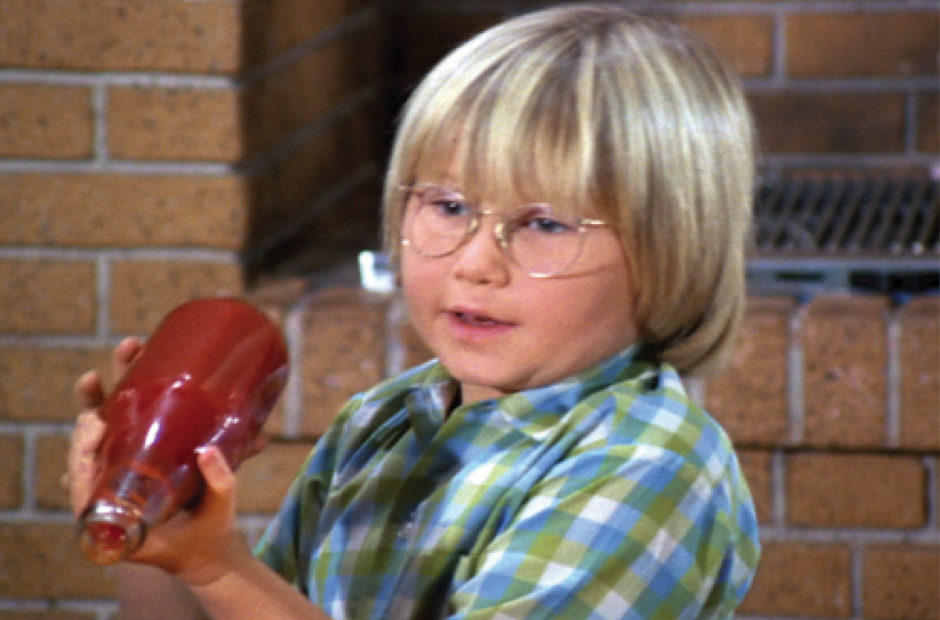
The phrase is named after the character Oliver, who was introduced to the world during the final season of ABC’s The Brady Bunch in 1974.
The show, once a massive cultural juggernaut, was struggling. The six original Brady kids, once bright-eyed and youthful, were all becoming teenagers with serious problems. Cindy was too old to be cute, and Greg was basically a grown man. The ratings were plummeting, and ABC knew they needed to inject some youth back into the show’s DNA.
Their solution was to introduce “Cousin Oliver” (played by Robbie Rist), the six-year-old nephew of Carol Brady. Oliver was specifically designed to replicate the chaotic energy Cindy had possessed in season one. He was accident-prone, needed help tying his shoes, and delivered catchphrases. He appeared in only six episodes, and he is universally blamed by fans for finally “killing” the show, which was canceled just months after his arrival.
Key Examples Across History
While The Brady Bunch birthed the name, Cousin Oliver was certainly not the first, nor the last, to suffer from this syndrome.
The most famous non-Oliver disaster might be from Married… with Children. When the show’s original breakout star, Bud Bundy, became a high schooler, the writers introduced a neighbor’s six-year-old son named Seven. Viewers absolutely hated Seven. The character was so unpopular that he simply vanished in the middle of a season with no explanation whatsoever.
It even happens to successful shows. When Michelle Tanner became a full-blown tween on Full House, the show brought in Uncle Jesse’s twin sons, Nicky and Alex, to handle the “precocious toddler” workload. A few years later, when Family Matters realized Steve Urkel was an adult and Judy Winslow had been written off the show, they brought in a foster child named 3J to give the family a young kid to raise again.
When It Fails (And The Rare Times It Works)
This tactic fails almost every single time because it is incredibly transparent. Viewers have already spent five or six years building an emotional connection to the original characters. We have watched those kids grow up. When a show randomly drops a stranger into the family during season seven, we don’t feel affection; we feel like we are being manipulated. It’s a creative surrender that usually signals the writers have completely run out of ideas.
However, there is one massive, undeniable exception in television history where this exact trope worked flawlessly: Raven-Symoné on The Cosby Show.

By season six, the youngest Huxtable, Rudy, was a teenager. The show desperately needed a new cute kid to play off of Bill Cosby’s routines. Instead of a random nephew, they brought in three-year-old Olivia as Denise’s new stepdaughter. Raven-Symoné was so undeniably talented and charismatic that audiences instantly embraced her. She successfully anchored the “cute kid” demographic for the show’s remaining three seasons.
Other shows avoided the “stranger” problem by relying on a soap opera trick: rapid aging. Instead of bringing in a Cousin Oliver, shows like Family Ties and Growing Pains simply had a new baby, and then magically aged that baby into a talking, walking four-year-old between seasons. Audiences were far more willing to accept a rapidly aged Andrew Keaton delivering punchlines than they were a random neighborhood kid knocking on the door.
Today, the 8-to-10 episode season of the streaming era has largely eliminated this syndrome. Shows are shorter and tell planned, finite stories. We no longer have to watch a sitcom struggle on a network treadmill for a decade. The age of randomly adding a nephew to the cast is dead, but Cousin Oliver will forever live on in infamy.
The Classic TV History Series
Catch up on our complete guide to the bizarre rules, forgotten tech, and scheduling quirks that defined the broadcast era of television.
- What Was a “Very Special Episode”?
- What Does It Mean to “Jump the Shark”?
- What Is a Clip Show?
- The History of the TV Remote: Why Do We Call It a “Clicker”?
- How Much Does a TV Pilot Actually Cost?
- What Was the Friday Night Death Slot?
- What Is a Backdoor Pilot?
- Why Did Old Sitcoms Use Laugh Tracks?
- What Was a Sweeps Episode?
- What Was TGIF? ABC’s Friday Night Sitcom Block Explained
- What Happened to Made-for-TV Movies?
- What Is a Bottle Episode?