Television scheduling used to be a ruthless, highly strategic game of chess. If a network believed in a new show, they would place it on a Thursday night right after a massive hit like Seinfeld or Friends to guarantee a huge audience. But if network executives lost faith in a show, they didn’t always cancel it immediately. Sometimes, they just sent it to the graveyard.
In the television industry, this dreaded scheduling purgatory was known as the “Friday night death slot.” Usually falling at 9:00 PM or 10:00 PM on a Friday, this time slot was a notorious black hole where expensive dramas, quirky comedies, and struggling sci-fi shows went to quietly die.
The Demographic Problem
As we covered in our deep dive on ABC’s TGIF lineup, Friday nights could be incredibly lucrative if your target audience was young children and their parents. But if you were producing an edgy, serialized sci-fi drama, Friday night was a disaster.
The core demographic that advertisers pay top dollar to reach—adults aged 18 to 49—traditionally leave the house on Friday nights. They go to the movies, go out to dinner, or socialize. Because overall viewership levels drastically drop off a cliff on Friday evenings, putting an expensive, adult-oriented show in that slot practically guaranteed lower ratings.
The Self-Fulfilling Prophecy
The cruelty of the Friday night death slot was that it functioned as a self-fulfilling prophecy. When a show underperformed on a Tuesday or Wednesday, the network would announce they were moving it to Friday night to “give it a chance to find a new audience.”
In reality, the network was just burning off the remaining episodes they had already paid for. Because fewer people watch TV on Fridays, the show’s ratings would inevitably plummet even further. The network could then throw up their hands, point to the abysmal Friday numbers, and confidently justify canceling the series without angering the show’s vocal fanbase. It was a corporate execution disguised as a second chance.
Famous Victims of the Graveyard
The most famous victim of the Friday night death slot is arguably the original 1960s Star Trek. After two seasons of mediocre ratings, NBC executives planned to cancel the expensive sci-fi series. Following a massive fan letter-writing campaign, the network relented and renewed the show for a third season—but they maliciously moved it to 10:00 PM on Friday night. Predictably, its core audience of college students and young adults weren’t home to watch it, the ratings cratered, and NBC finally canceled the iconic series in 1969.
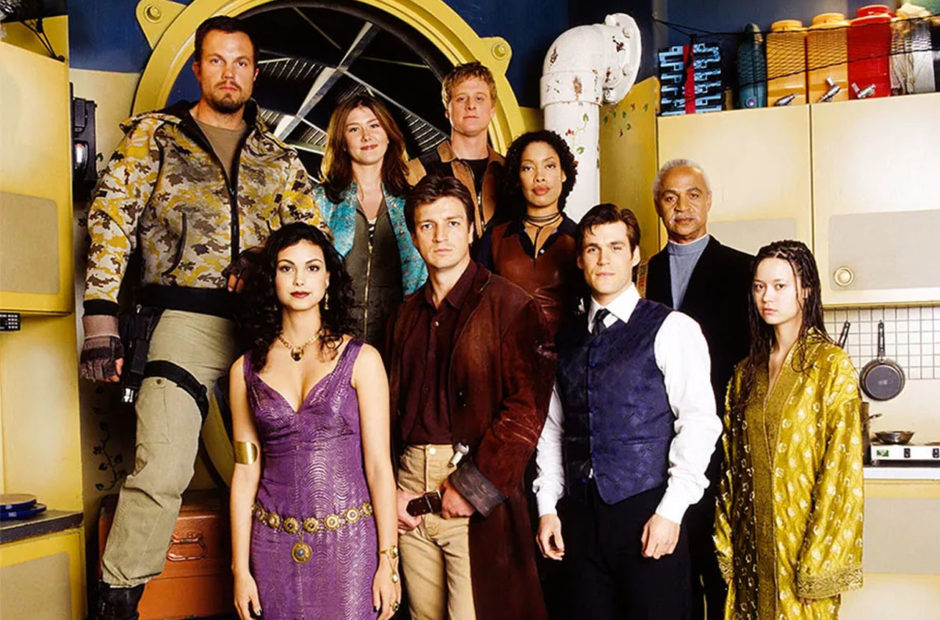
Fox became particularly notorious for using Friday nights to kill off beloved cult shows. Joss Whedon’s sci-fi western Firefly was doomed from the start when Fox scheduled it on Friday nights (and aired the episodes out of order). A few years later, Fox did the exact same thing to Whedon’s Dollhouse, and later to the critically acclaimed Terminator: The Sarah Connor Chronicles.
The Classic TV History Series
Catch up on our complete guide to the bizarre rules, forgotten tech, and scheduling quirks that defined the broadcast era of television.
- The History of the TV Remote: Why Do We Call It a “Clicker”?
- How Much Does a TV Pilot Actually Cost?
- What Is a Backdoor Pilot?
- Why Did Old Sitcoms Use Laugh Tracks?
- What Was a Sweeps Episode?
- What Was TGIF? ABC’s Friday Night Sitcom Block Explained
- What Happened to Made-for-TV Movies?
- What Is a Bottle Episode?
The DVR and Streaming Shift
Much like the rest of traditional television history, technology eventually killed the death slot. The widespread adoption of the DVR in the late 2000s meant that viewers could finally go out on a Friday night and watch their favorite shows on Saturday morning. Suddenly, “Live + 3 Day” ratings became more important than who was sitting on the couch at exactly 9:00 PM on a Friday.
Today, streaming platforms release highly anticipated shows on Fridays because binge-watching over the weekend has become the new cultural norm. Friday is now the best day to launch a major series, but for decades, getting a Friday night time slot was a polite network eviction notice.