If you grew up watching broadcast television, you know the exact feeling of disappointment. You tune in for a brand new episode of your favorite sitcom, but five minutes in, a character looks off into the distance and says, “Remember the time we…” The screen gets wavy, harp music plays, and suddenly you are watching a scene from three years ago.
You’ve been tricked into watching a clip show. This highly specific television format consists almost entirely of recycled footage from older episodes, stitched together by a flimsy, newly filmed framing device. While fans frequently hated them, network accountants absolutely loved them.
The Economics of Nostalgia
Much like the bottle episode, the clip show was born entirely out of financial and logistical desperation. Before the modern era of eight-to-10 episode seasons, a standard broadcast television show was required to produce an exhausting 22 to 26 episodes a year.
As the season dragged on, productions inevitably ran behind schedule or burned through their allocated budget. To deliver the required number of episodes to the network without spending millions of dollars on new sets, guest stars, or special effects, writers were forced to write a clip show. By filming just a few pages of new dialogue on a single set, the editors could fill out the remaining 20 minutes with old footage the network already owned.
The Clunky Framing Devices
Because the writers had to justify why characters were suddenly recounting their own history in rapid succession, the clip show birthed several notorious television tropes.
The most common framing device was trapping the cast in a confined space. Characters would get locked in a bank vault, stranded in an elevator, or snowed into a cabin, leaving them nothing to do but “reminisce” to pass the time. Another popular trope was the medical emergency. A beloved character would be placed in a coma, and the rest of the cast would sit around their hospital bed, recounting old memories in a desperate attempt to wake them up.
The Golden Girls practically turned the clip show into an art form. The writers would simply place the four women around the kitchen table late at night with a cheesecake, and they would spend the entire episode launching into flashbacks.
Subverting the Trope
Because audiences quickly learned to recognize a clip show and often changed the channel, some shows decided to actively make fun of the format.
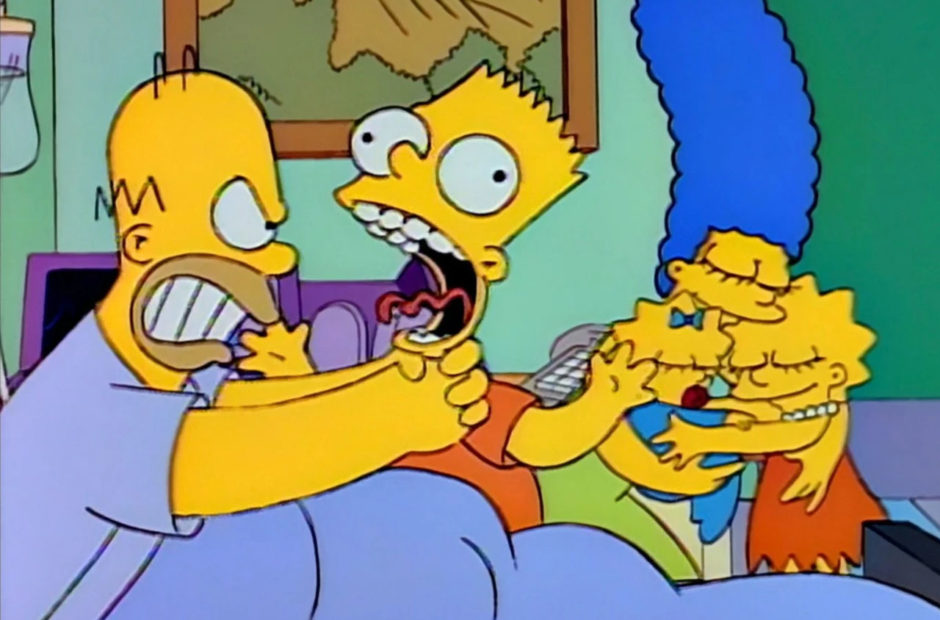
The Simpsons notoriously despised network mandates forcing them to produce clip shows to save money, so they routinely mocked the concept. Their 1993 episode “So It’s Come to This: A Simpsons Clip Show” actively parodied the “hospital bed” framing device by putting Homer in a coma after a prank gone wrong. Another brilliant subversion came from the NBC comedy Community. In their episode “Paradigms of Human Memory,” the characters sit around reminiscing—but every single “flashback” was actually brand new footage of insane adventures the audience had never seen before.
The Classic TV History Series
Catch up on our complete guide to the bizarre rules, forgotten tech, and scheduling quirks that defined the broadcast era of television.
- The History of the TV Remote: Why Do We Call It a “Clicker”?
- How Much Does a TV Pilot Actually Cost?
- What Was the Friday Night Death Slot?
- What Is a Backdoor Pilot?
- Why Did Old Sitcoms Use Laugh Tracks?
- What Was a Sweeps Episode?
- What Was TGIF? ABC’s Friday Night Sitcom Block Explained
- What Happened to Made-for-TV Movies?
- What Is a Bottle Episode?
Killed by Streaming
Today, the clip show is effectively extinct. In the broadcast era, before DVD box sets and streaming libraries, a clip show was often the only way fans could revisit classic moments from early seasons. It actually provided some minor utility to the audience.
But in the streaming age, the concept is entirely redundant. If you want to remember what happened in season one, you just click on season one. As episode orders shrank and serialization took over, the desperate need for cheap filler vanished. The clip show now belongs entirely to the history books, alongside the laugh track and the Friday night death slot.