Few party games are as instantly recognizable as Musical Chairs. Whether you first played it at a birthday party, in a school gymnasium, or during a holiday gathering, the combination of music, movement, and friendly competition has made it a favorite for generations.
The rules are easy to learn, but every round becomes more exciting as one chair disappears and the remaining players compete for fewer and fewer seats. By the final round, even spectators often find themselves cheering for a favorite.
If you have not played in years or are organizing the game for the first time, here is everything you need to know.
What Is Musical Chairs?
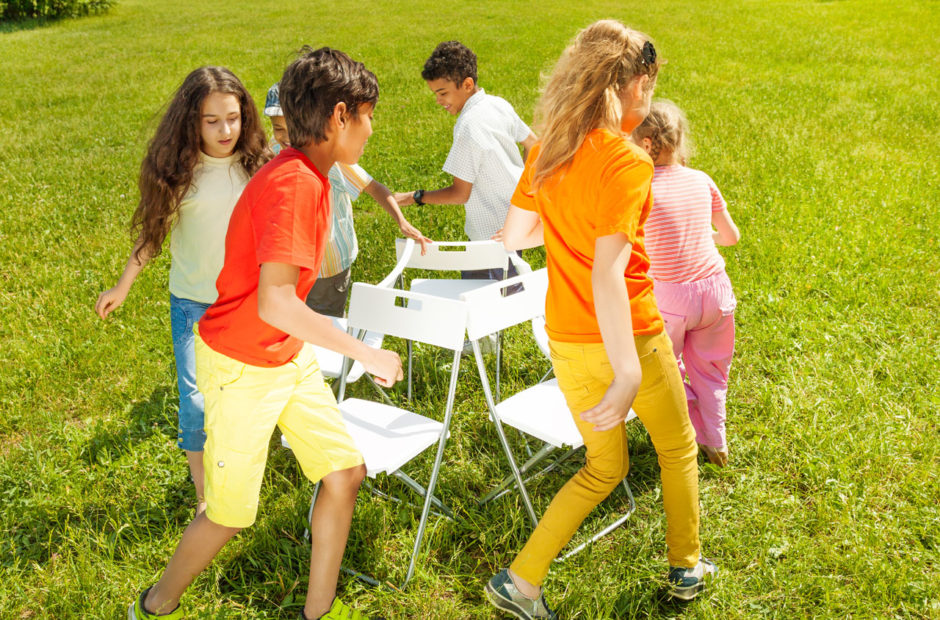
Musical Chairs is an elimination game in which players walk around a circle of chairs while music plays. When the music stops, everyone tries to sit down as quickly as possible.
Because there is always one fewer chair than players, one person is left standing after each round and is eliminated from the game.
The process continues until only one player remains.
What You Need
- One chair for every player except one.
- A music source and someone to start and stop the music.
- An open area large enough to arrange the chairs safely.
For example, if ten people are playing, use nine chairs.
Objective
Your goal is simple: find an empty chair every time the music stops.
The last remaining player wins.
How to Set Up Musical Chairs
- Arrange the chairs in a circle or back-to-back line.
- Alternate the direction of the seats if placing chairs back to back.
- Remove one chair so there is always one fewer chair than players.
- Have players stand outside the chairs.
- Choose one person to control the music.
Make sure there is enough room for players to move comfortably around the chairs without bumping into walls or furniture.
How to Play Musical Chairs
- Start the music.
- Players walk in a circle around the chairs.
- When the music stops, everyone quickly finds a seat.
- The player left standing is eliminated.
- Remove one chair.
- Start the music again.
- Continue until only one chair and two players remain.
The player who sits in the final chair wins the game.
Should Players Walk or Run?
Traditionally, players walk around the chairs while the music is playing. Running often leads to unnecessary collisions and arguments over who reached a chair first.
Most organizers establish a “walking only” rule before the game begins.
Can Players Touch the Chairs?
Generally, no.
Players should keep moving while the music plays rather than hovering beside a favorite chair or placing a hand on one to reserve it.
Everyone should have an equal opportunity once the music stops.
Tips for Running the Game
- Stop the music at unpredictable times.
- Vary the length of each round.
- Use music that everyone can hear clearly.
- Remove only one chair between rounds.
- Keep the pace moving so eliminated players stay interested.
Tips for Players
- Keep moving instead of watching one particular chair.
- Stay aware of open spaces around the circle.
- Remain calm when the music stops.
- Remember that good sportsmanship is part of the game.
Avoiding Common Arguments
The most common disagreements happen when two players reach the same chair at nearly the same time.
Before starting, explain how ties will be handled. In many groups, the player who is clearly seated first keeps the chair. If the outcome is genuinely impossible to determine, replaying the round is often the fairest solution.
Having one adult or game leader serve as the final judge keeps the game moving and prevents unnecessary debates.
Musical Chairs for Younger Children
For preschool and early elementary ages, consider removing the elimination aspect of the game.
Instead of removing a player each round, simply add a fun challenge for the child who doesn’t find a chair. They might hop like a frog, spin in a circle, make an animal sound, or dance for a few seconds before rejoining the game.
This version keeps everyone involved while still preserving the excitement of the music stopping.
Musical Chairs for Older Children and Adults
Older players often enjoy a faster pace and more competitive atmosphere.
Use shorter rounds, more energetic music, and encourage players to keep moving rather than trying to anticipate when the music will stop.
For office parties or family gatherings, consider adding small prizes for the winner or themed music that matches the occasion.
Fun Variations
Cooperative Musical Chairs
Instead of eliminating players, remove one chair after each round while keeping every player in the game.
The challenge becomes finding a safe way for everyone to fit onto the remaining chairs. By the final rounds, players may be sitting on laps or balancing together in creative ways.
This version emphasizes teamwork instead of competition and works especially well with younger children.
Freeze Dance Musical Chairs
When the music stops, players freeze instead of sitting immediately. After a brief pause, everyone races for the chairs.
This simple twist changes the rhythm of the game and keeps players guessing.
Theme Music Version
Match the playlist to your event.
Holiday songs work well for Christmas parties, movie soundtracks fit family game nights, and favorite pop songs can make birthday parties even more memorable.
Color Spot Version
Replace chairs with colored floor spots, pillows, or mats. This version works well in classrooms where moving chairs repeatedly may not be practical.
Common Mistakes
- Starting with the wrong number of chairs.
- Allowing players to run instead of walk.
- Stopping the music in a predictable pattern.
- Arranging the chairs too close together.
- Not explaining tie situations before the game begins.
Most problems disappear when the rules are explained clearly before the first round starts.
Frequently Asked Questions
How many chairs do you need?
Always use one fewer chair than the total number of players.
Can players touch the chairs while the music is playing?
Most groups do not allow players to reserve chairs by touching them before the music stops.
Can Musical Chairs be played outdoors?
Yes. Place the chairs on a flat surface such as grass, pavement, or a patio where they will not tip easily.
Do players have to be eliminated?
No. Cooperative versions allow everyone to remain in the game until the final round.
What kind of music works best?
Any upbeat music works well, provided everyone can hear it clearly. The person controlling the music should stop it at unpredictable moments.
More Game Night Guides
Looking for another classic game that is easy to learn and fun for groups? Check out these favorites.
Why Musical Chairs Has Remained a Party Favorite

Credit: iStock/JackF
Musical Chairs has survived for generations because it creates instant excitement with almost no preparation. Everyone understands the objective, every round builds anticipation, and the game naturally becomes more dramatic as the number of available seats shrinks.
It also adapts easily to different ages and occasions. Competitive groups can play the traditional elimination version, while younger children often enjoy cooperative variations that keep everyone involved until the end.
That flexibility has helped Musical Chairs remain one of the most popular party games for birthdays, classrooms, holiday gatherings, and family reunions.
Why Musical Chairs Still Works Today
Despite its age, Musical Chairs remains popular because it asks almost nothing of the organizer. A few chairs, some music, and enough room to move are all it takes to create a game that works at birthday parties, classrooms, family reunions, and community events. Few classic games are as easy to explain while still keeping every round exciting.