Simon Says has been entertaining children for generations because the rules are incredibly simple while the challenge never gets old. Players must carefully listen to one leader, follow only the correct commands, and avoid acting too quickly.
The game requires no equipment, works with almost any group size, and can be played nearly anywhere. Whether you’re organizing a classroom activity, leading a birthday party, or simply looking for a quick game that gets everyone involved, Simon Says is easy to teach and surprisingly difficult to master.
Here is everything you need to know before leading your next game.
What Is Simon Says?
Simon Says is a listening game in which one player serves as “Simon” and gives commands to the rest of the group. Players should only perform an action if the command begins with the words “Simon says.”
If Simon gives a command without saying “Simon says” first, anyone who follows that command has made a mistake.
The game rewards careful listening instead of speed, making it popular in classrooms, camps, youth groups, and family gatherings.
What You Need
- Three or more players
- An open area where everyone can move safely
- No equipment
The game works equally well indoors or outside. A classroom, gymnasium, backyard, or park all provide plenty of space.
Objective
Your goal is simple: only perform actions that begin with the phrase “Simon says.”
If Simon leaves those words out, you must remain completely still.
How to Set Up Simon Says
- Choose one player to be Simon.
- Have everyone else stand where they can clearly see and hear the leader.
- Explain that players should only follow commands that begin with “Simon says.”
- Review how mistakes will be handled before beginning.
For younger children, it often helps to demonstrate a few practice commands before starting the first round.
How to Play Simon Says
- Simon begins giving commands.
- If the command starts with “Simon says,” everyone performs the action.
- If Simon gives a command without saying “Simon says,” players should not move.
- Anyone who makes a mistake receives the agreed penalty.
- The game continues until only one player remains or until the leader decides to begin a new round.
Simon should vary both the wording and the pace of commands to keep players guessing.
Examples of Correct Commands
These commands should all begin with the phrase “Simon says.”
- Simon says touch your nose.
- Simon says clap your hands twice.
- Simon says hop on one foot.
- Simon says spin around.
- Simon says sit down.
- Simon says wave to someone.
- Simon says cross your arms.
- Simon says take one step backward.
- Simon says pretend to fly.
- Simon says smile.
Players should complete each action only after hearing the full command.
Examples of Trick Commands
Simon should occasionally leave out the key phrase to catch players who are reacting without listening.
For example:
- Touch your shoulders.
- Jump up.
- Turn around.
- Raise both hands.
- Close your eyes.
Because these commands do not begin with “Simon says,” players should remain perfectly still.
Should Players Be Eliminated?
Traditionally, players who make a mistake are eliminated from the round until only one player remains.
However, elimination is not required. Many teachers and activity leaders prefer to let everyone continue playing so no one spends several minutes watching from the sidelines.
Instead of eliminating players, you can:
- Keep score for individual mistakes.
- Award points for correct responses.
- Allow players one or two mistakes before elimination.
- Simply laugh off mistakes and continue playing.
For younger children, non-elimination versions usually keep everyone more engaged.
Tips for Being a Good Simon
- Speak clearly enough for everyone to hear.
- Mix easy commands with more challenging ones.
- Change your pace throughout the game.
- Occasionally pause before giving the next instruction.
- Avoid commands that could cause players to bump into one another.
- Keep the game moving without rushing.
A good Simon is not trying to embarrass players. The goal is to create fun challenges that reward careful listening.
Tips for Players
- Listen to the entire sentence before moving.
- Do not copy what everyone else is doing.
- Focus on Simon’s words instead of Simon’s movements.
- Stay relaxed instead of trying to react as quickly as possible.
Many mistakes happen because players anticipate the command rather than waiting to hear it completely.
Can Simon Perform the Wrong Action?
Yes. One popular variation allows Simon to intentionally perform an action that does not match the spoken command.
For example, Simon might say, “Simon says touch your head,” while actually touching their shoulders.
Players should always follow the spoken command rather than copying Simon’s movements.
Indoor Simon Says
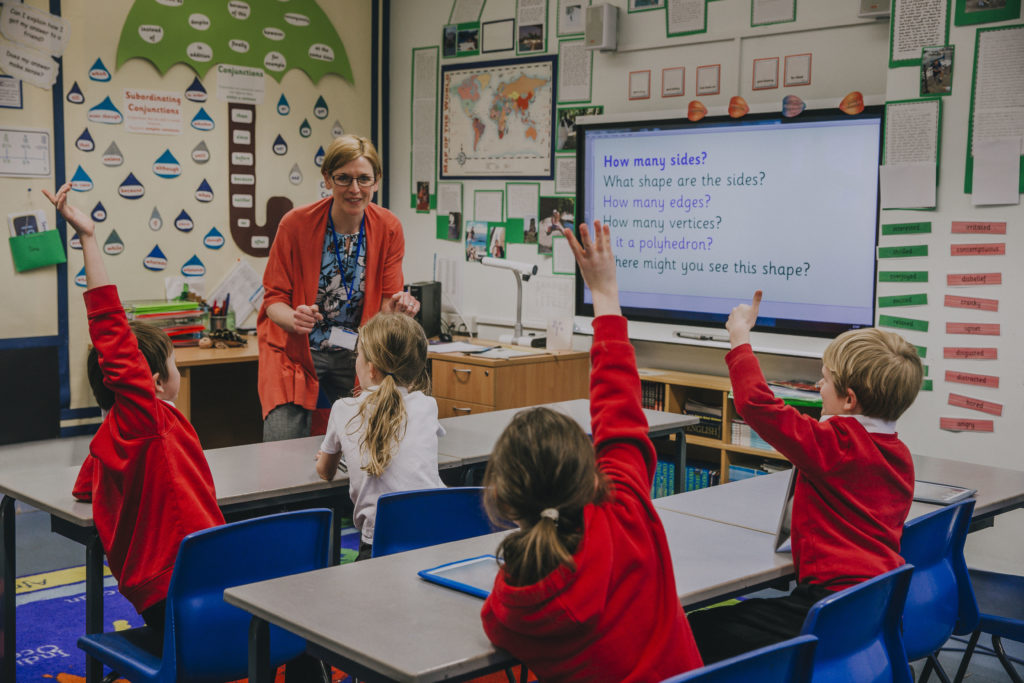
Simon Says works especially well indoors because it requires very little space.
Choose movements that keep players in their own personal area, such as clapping, pointing, balancing, pretending to swim, or making funny faces. Avoid commands that encourage running or large jumps in confined spaces.
Outdoor Simon Says
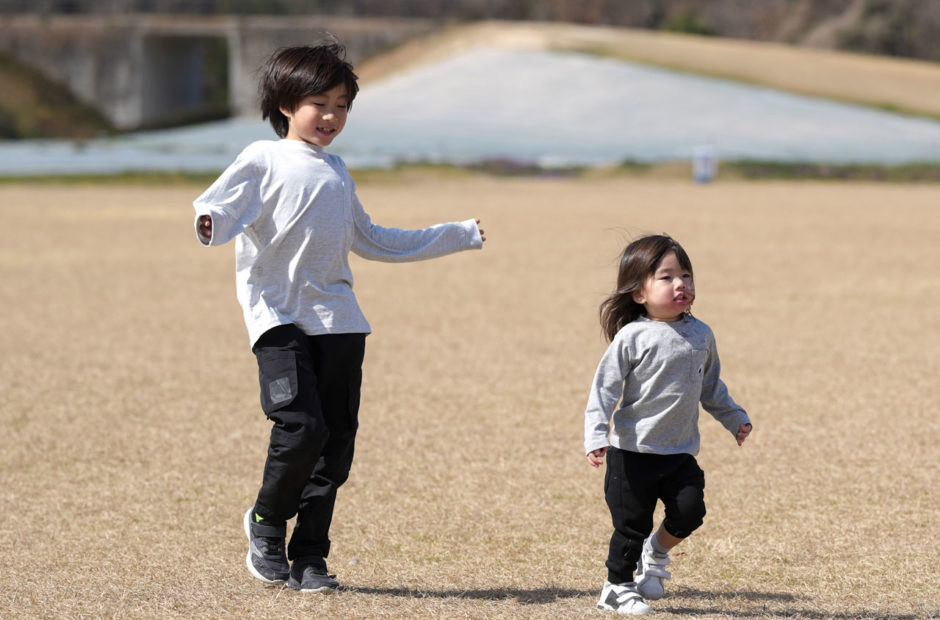
When playing outside, Simon has more room to use larger movements while still keeping everyone safe.
Commands can include:
- Simon says take three giant steps forward.
- Simon says hop five times.
- Simon says pretend to throw a baseball.
- Simon says march in place.
- Simon says spin around twice.
- Simon says take two bunny hops.
Even outdoors, players should remain spread out enough that they cannot accidentally collide with one another.
Simon Says for Younger Children
For preschool and early elementary ages, keep commands short and use familiar movements.
Good examples include touching body parts, clapping, waving, jumping, pretending to be different animals, or making funny faces.
Keep rounds brief and rotate the role of Simon often so every child has an opportunity to lead.
Simon Says for Older Children
Older players often enjoy a faster pace and more complicated instructions.
Simon can combine multiple actions into a single command, such as:
- Simon says clap twice and then touch your knees.
- Simon says turn around, wave, and sit down.
- Simon says balance on one foot while pointing to the ceiling.
Increasing the complexity rewards concentration instead of simply testing reaction speed.
Credit: iStock/DGLImages
Fun Variations
Reverse Simon Says
In this version, players do the opposite of every command.
If Simon says raise your right hand, players should raise their left or lower their hand instead, depending on the rules established before the game begins.
Animal Simon Says
Every command involves pretending to be an animal.
Players might hop like a rabbit, stomp like an elephant, flap like a bird, or crawl like a bear.
This variation is especially popular with younger children.
Fitness Simon Says
Turn the game into a light workout by using movements such as:
- Jumping jacks
- Squats
- Toe touches
- Marching in place
- High knees
- Arm circles
Many physical education classes use Simon Says as a fun warm-up activity.
Holiday Simon Says
Adapt the commands to match the season.
Players might pretend to carve pumpkins, decorate a Christmas tree, shovel snow, toss confetti, or hunt for Easter eggs.
This version works well for classrooms and seasonal parties.
Common Mistakes
- Moving before hearing the complete command.
- Copying another player instead of listening.
- Watching Simon’s actions instead of paying attention to the words.
- Standing too close together.
- Giving commands that are unsafe for the available space.
Most mistakes disappear after players settle into the rhythm of listening first and reacting second.
Frequently Asked Questions
How many people do you need to play Simon Says?
The game works with as few as three players, although larger groups are often more entertaining.
Do players have to be eliminated?
No. Elimination is traditional, but many teachers and parents allow everyone to continue playing throughout the game.
Can Simon trick players?
Absolutely. Tricking players into acting without hearing “Simon says” is the central challenge of the game.
Can Simon intentionally perform the wrong movement?
Yes. Many groups allow Simon to perform a different action than the spoken command, requiring players to listen instead of simply copying.
Can Simon Says be played indoors?
Yes. It is one of the easiest indoor group games because it requires no equipment and very little setup.
Who wins Simon Says?
In elimination games, the last remaining player wins. In non-elimination versions, the game simply continues until the leader decides to choose a new Simon.
Why Simon Says Has Lasted for Generations
Simon Says has remained popular because almost anyone can learn it in less than a minute. There are no supplies to gather, no complicated scoring systems to explain, and no lengthy setup before the fun begins.
The challenge comes entirely from paying attention. Players who slow down, listen carefully, and resist the urge to copy everyone else usually perform the best. That simple combination of listening, concentration, and laughter has made Simon Says a favorite classroom and party game for decades.
More Game Night Guides
Looking for another easy game for classrooms, parties, or family gatherings? Try one of these classic favorites.
Image Suggestions
- Featured image: A group of children standing in a gymnasium, classroom, or grassy field while listening to a leader.
Alt text: Children preparing to play Simon Says. - Gameplay image: Children performing different actions at the same time during a group activity.
Alt text: Kids following commands during a game of Simon Says. - Indoor option: A teacher leading a classroom movement activity.
Alt text: Classroom participating in a listening game. - Nonliteral fallback: An empty school gymnasium or recreation room ready for children’s activities.
Alt text: Indoor space suitable for classic children’s group games.