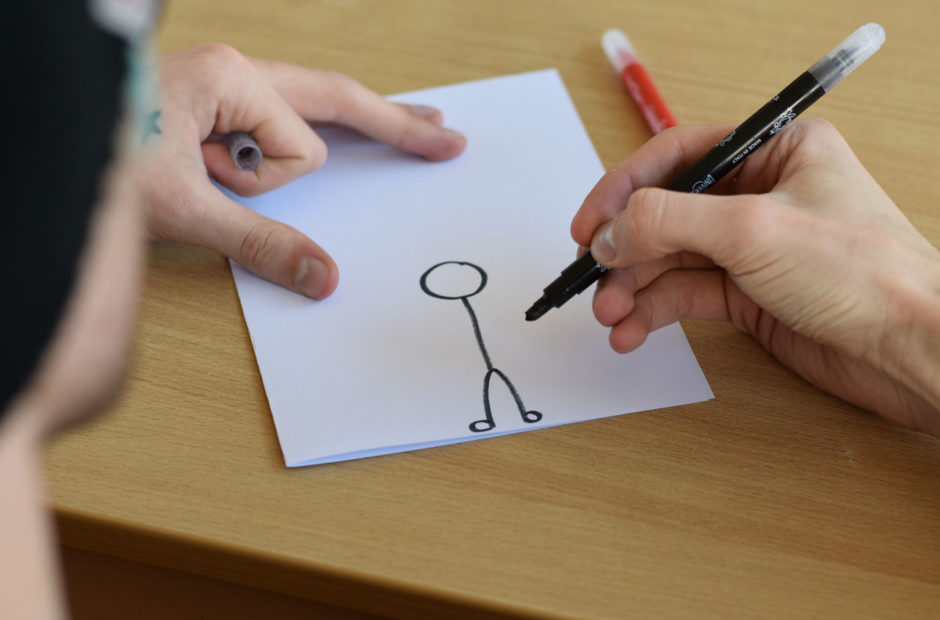
You do not need to be an artist to play Pictionary. In fact, trying to figure out what someone intended to draw can be every bit as entertaining as correctly guessing the answer.
Pictionary is a drawing-and-guessing game in which one player tries to communicate a word or phrase through pictures while teammates race against a timer to identify it. The commercial game has appeared in numerous editions with different components and rules, but you can also play a simple drawing game at home with little more than paper, pencils, a timer, and a collection of words to draw.
To make that last part easier, The Nerdy has created a free set of 72 printable Pictionary cards. The printable includes Easy, Medium, Hard, and Wild Card prompts, along with blank cards for adding your own words and a quick-reference rules sheet.
Download The Nerdy’s free printable Pictionary cards
If you own a commercial edition of Pictionary, follow the rules included with that particular edition. The rules below are designed for playing a simple homemade version without the board, cards, or other components included with the commercial game.
What Is Pictionary?
Pictionary is a team drawing game built around a simple challenge: Can you make your teammates guess a word without saying it?
One player secretly receives a word or phrase and begins drawing clues. The rest of the team calls out guesses while the artist continues drawing until someone identifies the answer or time expires.
Good artwork is not necessary. A few circles, lines, arrows, and questionable attempts at recognizable objects can be enough if they lead the team toward the correct answer.
What You Need to Play Pictionary at Home
- At least four players
- Paper, drawing pads, dry-erase boards, or another drawing surface
- Pencils, pens, markers, or dry-erase markers
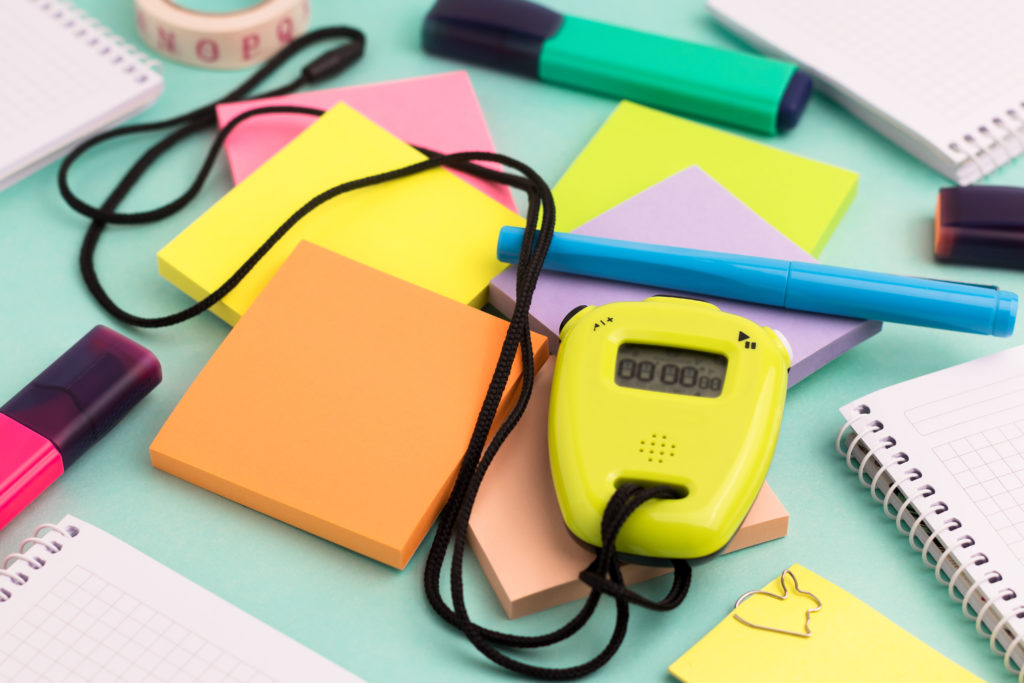
- A timer
- Pictionary words or cards
- Something for keeping score
Divide the players into two teams. Teams do not have to contain exactly the same number of players, although reasonably balanced teams usually make the game more competitive.
Free Printable Pictionary Cards
You can create your own word list before playing, but coming up with prompts is often the least convenient part of preparing the game. Our free printable set provides 72 ready-to-use drawing prompts divided across four card sheets.
- 18 Easy cards: Simple objects that can usually be communicated with a few basic shapes.
- 18 Medium cards: Objects that require more detail to make the answer recognizable.
- 18 Hard cards: Actions and situations that require more visual storytelling.
- 18 Wild Card prompts: A mixture of fun subjects chosen primarily because they are entertaining to draw.
- 18 blank cards: Add your own words, inside jokes, themes, or custom challenges.
- Quick-reference rules: Keep the final page nearby so players do not need to return to the article during the game.
Download The Nerdy’s free printable Pictionary cards
The cards can be printed on ordinary paper or cardstock. Cut along the straight grid lines, shuffle the cards you want to use, and place them face down where the person drawing can reach them.
Credit: iStock/Kalanchoe
How to Set Up Pictionary
- Divide everyone into two teams.
- Give each team paper or another drawing surface and something to draw with.
- Shuffle the word cards and place them face down.
- Choose a time limit. Sixty seconds works well for most groups.
- Decide how the game will end. You can play a fixed number of rounds, play to a predetermined score, or simply stop at an agreed time.
- Choose the first player who will draw for each team.
The drawing role should rotate so everyone gets an opportunity to draw. Nobody needs to volunteer as the team’s permanent artist.
Pictionary Rules at a Glance
- One player secretly draws a word or phrase from a card.
- The timer begins when drawing starts.
- The artist cannot say the answer or give verbal clues.
- Do not write letters or numbers as part of the drawing.
- Teammates can make as many guesses as they want while time remains.
- A correct guess before time expires earns one point.
- Teams alternate turns.
- A different player becomes the artist on each turn.
- The team with the most points at the agreed end of the game wins.
How to Play Pictionary
- The first team’s artist takes a card without showing it to anyone else.
- Start the timer.
- The artist begins drawing clues for the word or phrase on the card.
- Teammates call out guesses while the artist continues drawing.
- If someone guesses correctly before time expires, the team earns one point.
- If time expires without a correct guess, no point is awarded.
- The other team takes its turn with a new artist and a new card.
- Continue alternating teams and rotating artists until you reach the agreed end of the game.
If you are playing to a target score, the first team to reach that number wins. If you are playing a fixed number of rounds, the team with the most points at the end wins.
What Can You Draw in Pictionary?
The goal is to communicate the answer through drawing rather than writing or speaking. Players can generally draw objects, actions, visual associations, and other clues that might lead their teammates toward the answer.
For example, if the word is “lighthouse,” you might draw a tower beside water with beams of light extending from the top. Nothing about the drawing needs to be artistically impressive. It only needs to give your teammates enough information to reach the answer.
Commercial Pictionary rules commonly permit visual devices such as arrows and symbols while prohibiting letters and numbers. Because rules have varied across editions, groups playing a homemade version should agree before starting about which visual shortcuts are acceptable.
What Can’t You Do in Pictionary?
For a straightforward homemade game, use these restrictions:
- Do not say the word or give spoken clues.
- Do not write letters or numbers.
- Do not mouth the answer.
- Do not use sign language to spell or communicate the answer.
- Do not turn the drawing portion into Charades by acting out the answer.
If your group wants stricter or looser rules regarding symbols, arrows, or other visual clues, settle those rules before the game begins rather than arguing about them after someone has drawn the world’s most suspicious-looking arrow.
How Long Should the Pictionary Timer Be?
Sixty seconds is a good default and is also a time limit used by commercial versions of Pictionary.
You can adjust the timer for your group. Younger players may benefit from 90 seconds, while experienced players can shorten the timer if they want a faster and more difficult game.
Whatever time you choose, use the same limit for both teams.
Can You Skip a Difficult Pictionary Card?
Decide this before the game begins. Allowing players to skip a card can keep the game moving, especially when playing with younger children or a mixed-age group, but unlimited skipping can make the harder prompts meaningless.
One simple house rule is to allow one skip per turn. The player places the skipped card at the bottom of the pile, draws another, and continues with whatever time remains.
For a more challenging game, do not allow skipping at all. Once the artist draws a card, that is the prompt for the turn.
What Happens if Nobody Guesses the Word?
If the timer expires before the team correctly guesses the word or phrase, the turn ends and no point is awarded. Put the card aside and move on to the other team’s turn.
You can return missed cards to the deck later if you want, but keeping them out of play prevents someone who has already seen the answer from gaining an advantage.
Choosing Pictionary Words
Good Pictionary words should be possible to communicate visually without being so obvious that every turn ends after one line is drawn.
Concrete objects tend to be easiest. A sun, house, boat, or guitar can be represented with a few recognizable shapes. More difficult prompts can require players to communicate a situation or action, such as getting lost, waiting in line, or missing a flight.
When creating your own cards, think about whether the challenge comes from drawing the idea rather than simply understanding the word. An obscure word that nobody recognizes does not necessarily make a good difficult prompt.
Pictionary Variations
Once everyone understands the basic rules, a few variations can change the game without requiring an entirely different setup.
Everyone Draws
Instead of alternating teams, choose one prompt and have one artist from each team begin drawing at the same time. The first team to correctly guess the answer earns the point.
This version works especially well with a larger group because both teams remain involved during every turn.
Speed Pictionary
Shorten the timer to 30 seconds. The rules remain the same, but artists have much less time to add details or recover from an unhelpful first attempt.
One-Line Drawing
The artist must keep the pencil or marker touching the drawing surface for the entire turn. Once drawing begins, the artist cannot lift it until the team guesses correctly or time expires.
This works best as an occasional challenge rather than a rule for the entire game.
Custom Theme Pictionary
Create a set of cards around a particular theme. Movies, animals, food, travel, books, sports, and other familiar subjects can all work.
The blank cards included in The Nerdy’s printable set can be used to create a custom deck without having to make new cards from scratch.
Individual Pictionary
You do not necessarily need teams. With a small group, one person can draw while everyone else guesses. The first person to correctly identify the prompt earns a point, and the drawing role rotates after each turn.
At the end of the agreed number of rounds, the player with the most points wins.
Playing Pictionary With Kids
For younger players, use simple, concrete prompts and consider extending the timer to 90 seconds. The Easy cards in our printable set were designed around familiar objects that can be represented with relatively simple drawings.
Adults can also avoid becoming overly strict about drawing rules when playing with younger children. The objective is to communicate through pictures, not to disqualify a six-year-old because a drawing accidentally resembles a letter.
Mixed-age groups can give younger players Easy cards while older players draw from the Medium, Hard, and Wild Card piles.
Pictionary FAQs
How many people do you need to play Pictionary?
Four or more players works well for a two-team game. Smaller groups can use the individual variation, with one person drawing while everyone else guesses.
How long is a Pictionary turn?
We recommend 60 seconds for the homemade version described here. You can increase the time for younger players or shorten it when everyone wants a faster challenge.
Can you talk while drawing in Pictionary?
No. The artist should communicate through the drawing rather than giving spoken clues. The guessing players, however, can call out as many answers as they want while time remains.
Can you use letters or numbers in Pictionary?
For the version described here, letters and numbers are not allowed. Players should communicate the answer through pictures and other agreed visual clues.
Can you draw symbols in Pictionary?
Yes, if your group agrees to allow them. Simple symbols and arrows can be useful visual clues without directly spelling the answer. Establish any restrictions before starting so the same rules apply to both teams.
Do you need a board to play Pictionary?
No. The homemade version described here uses points rather than movement around a board. All you need is something to draw on, something to draw with, a timer, and words or phrases to use as prompts.
How do you win Pictionary?
That depends on the format you choose before starting. You can play until one team reaches a target score, play a predetermined number of rounds and compare scores, or set a time limit and declare the team with the most points the winner.
Why Pictionary Still Works Today
Pictionary takes a skill most people learned as children and turns it into a communication problem. The challenge is not creating a beautiful picture. It is figuring out which handful of lines will make someone else understand what you are thinking.
That also means artistic ability matters much less than people sometimes expect. A beautifully drawn picture can completely confuse a team, while a crude sketch made from circles and stick figures can produce the answer immediately.
The game is also remarkably easy to adapt. Change the prompts, adjust the timer, create teams of different sizes, or use custom cards for a particular group. The basic drawing-and-guessing structure remains the same.
If you want to play without spending time creating a word list first, download our printable cards, grab some paper and pencils, and see just how badly a perfectly ordinary lighthouse can go wrong in 60 seconds.
Download The Nerdy’s free printable Pictionary cards
More Game Night Guides
If drawing is not your thing, try another group game from The Nerdy: