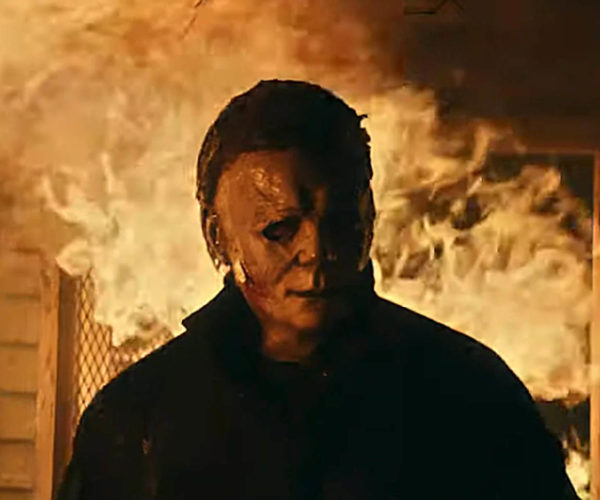
Horror movie franchises keep getting rebooted in ways that can make their timelines surprisingly difficult to follow. Halloween has repeatedly returned to its 1978 original while discarding different groups of sequels. The Texas Chain Saw Massacre has inspired sequels, a remake, a prequel to that remake, and multiple movies that created new continuities from the 1974 film. Other long-running horror series have started over completely, rewritten their histories, or brought back familiar characters while quietly leaving decades of previous stories behind.
Reboots are hardly unique to horror, but the genre is unusually well suited to them. Horror franchises often revolve around an instantly recognizable villain, monster, location, or premise that can survive even when the surrounding characters and continuity change. Their budgets also tend to make experimentation less financially dangerous than it would be with an enormous action franchise, while long gaps between installments create opportunities to introduce familiar properties to new generations.
The result is a genre in which continuity can become surprisingly disposable. When a horror series stops working, Hollywood frequently decides it is easier to keep the recognizable parts and rebuild everything around them.
What Is a Horror Movie Reboot?
A reboot starts a franchise over or substantially resets its continuity rather than simply continuing the existing storyline. How complete that reset is varies considerably.
Rob Zombie’s Halloween from 2007 is a straightforward example. It retells Michael Myers’ story from the beginning with new versions of Michael, Laurie Strode, Dr. Loomis, and the other characters. Nothing that happened in the earlier Halloween movies is required because Zombie’s film establishes its own continuity.
Other reboots are less clean. A movie may retain one earlier installment while ignoring its sequels, creating a new branch from an existing story rather than starting from scratch. This approach has become particularly common in horror, where filmmakers can return to a beloved original without remaining tied to everything that followed it.
That distinction is why terms such as reboot, soft reboot, legacy sequel, and direct sequel sometimes overlap in discussions of modern horror franchises. A movie can function as a new beginning for audiences while technically remaining a sequel to something released decades earlier.
Horror Villains Are Bigger Than Their Continuity
One major reason horror franchises can survive repeated reboots is that their central icons frequently matter more than the details of their ongoing stories.
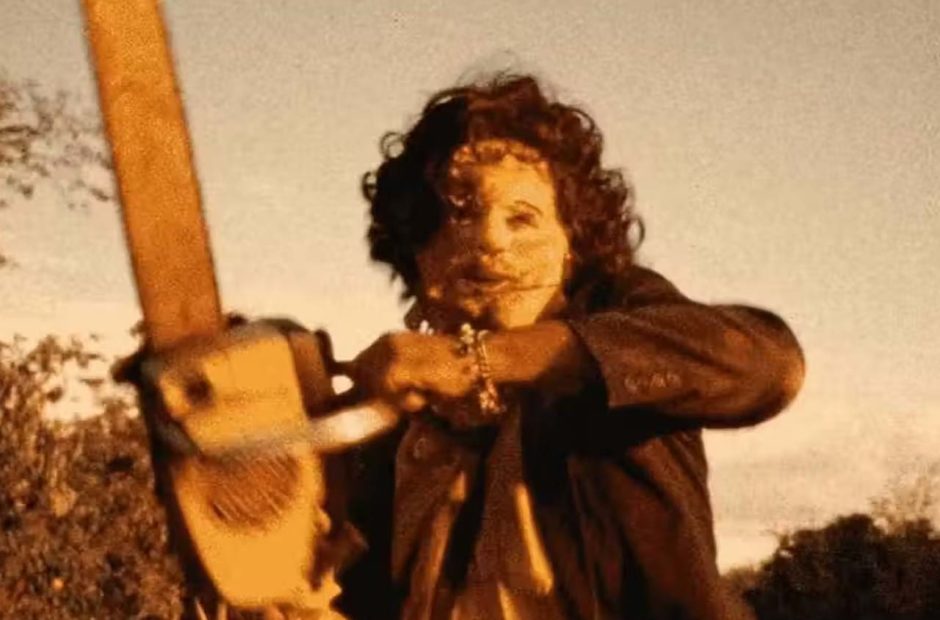
Michael Myers needs Haddonfield, Halloween night, a mask, and a knife far more than he needs every event from every previous Halloween sequel. Jason Voorhees is inseparable from the mythology of Camp Crystal Lake, but audiences do not need an exhaustive understanding of everything that happened across the earlier Friday the 13th movies to understand why encountering Jason in the woods is a bad idea. Leatherface can remain Leatherface even as the members, names, and history of his murderous family change.
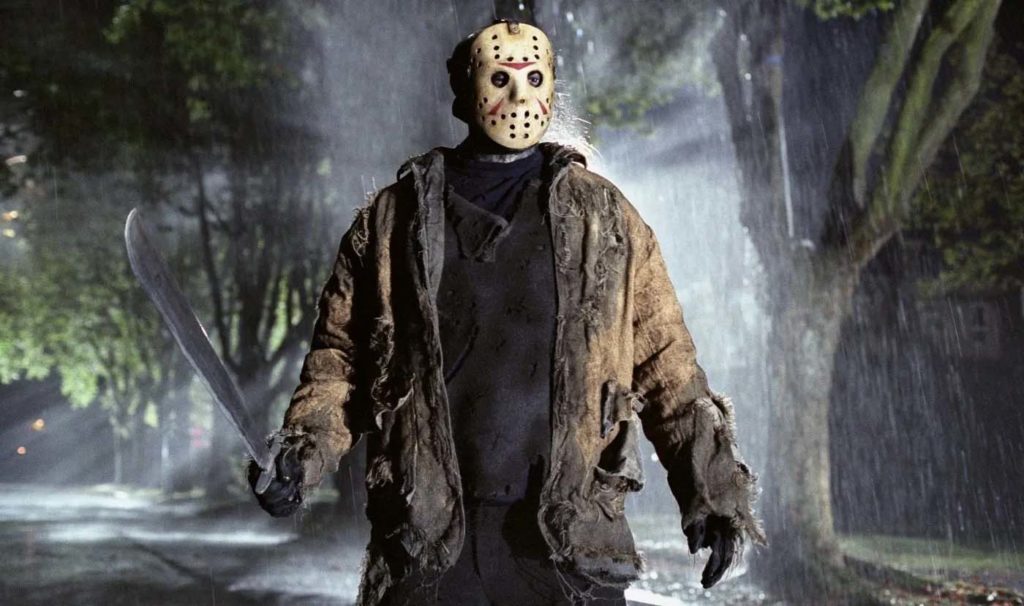
That gives horror studios something many other genres do not have: a recognizable brand that can be separated from much of its continuity.
A long-running drama may depend heavily on relationships and events established in previous installments. Horror can certainly build mythology of its own, but the basic attraction is often easier to preserve. If audiences recognize the killer, monster, or premise, filmmakers have considerable freedom to construct a new story around it.
Horror Sequels Can Accumulate a Lot of Baggage
Successful horror movies have historically produced sequels quickly, and those sequels can create problems for anyone trying to continue the story years later.
Characters die. Villains die and return. Previously unknown relatives appear. Supernatural explanations get introduced. Backstories become increasingly elaborate. Movies establish rules that later filmmakers may not want. After enough installments, making another conventional sequel can require either explaining decades of continuity or asking newcomers to do homework before watching a slasher movie.
Halloween demonstrates the problem particularly well. By the time Halloween: The Curse of Michael Myers arrived in 1995, the original story about an inexplicably murderous man had accumulated family connections, Jamie Lloyd, mysterious symbols, and the Cult of Thorn. When Jamie Lee Curtis returned for Halloween H20: 20 Years Later in 1998, the movie instead followed the first two films and left the Jamie Lloyd storyline behind.
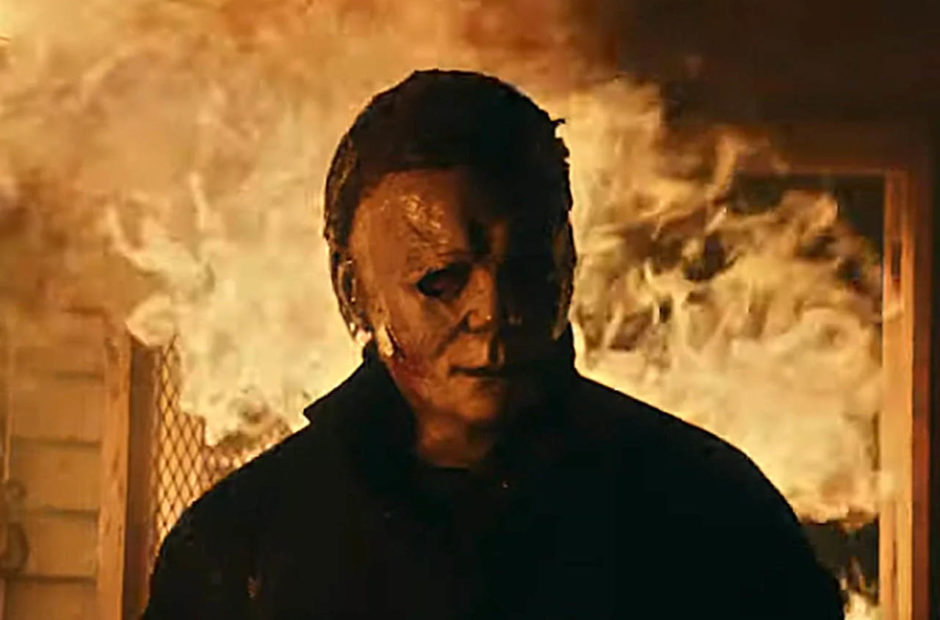
Twenty years later, Halloween did it again. The 2018 film retained only Carpenter’s 1978 original, even discarding Halloween II and its revelation that Laurie and Michael were siblings. One decision eliminated 40 years of accumulated continuity and allowed the filmmakers to build a different story around an older Laurie Strode.
Untangling the Halloween Timeline
The Halloween franchise now contains several incompatible continuities built around the same original movie. Our complete guide explains which films actually belong together.
A Reboot Can Bring Back What Audiences Liked
Rebooting a horror franchise also gives filmmakers an opportunity to identify what audiences responded to originally and move those elements back to the center.
Sequels naturally expand stories. That expansion can be entertaining, but it can also take a series a long way from the simplicity that made the original successful. A mysterious killer receives an increasingly detailed mythology. A frightening location becomes familiar. A monster whose abilities were once unclear develops a complicated set of rules. Each sequel needs something new, and years of adding new ideas can eventually obscure the original appeal.
A reboot provides permission to simplify. Filmmakers can restore mystery to a villain, return to an iconic location, change the tone, or remove mythology that no longer serves the story. They can also use the original premise as inspiration without reproducing every creative decision made by previous sequels.
The 2009 Friday the 13th, for example, did not attempt to continue the existing series after Jason X and Freddy vs. Jason. Instead, it created a new version of the story using familiar elements from the franchise, including Camp Crystal Lake, Jason’s history, and his eventual adoption of the hockey mask. The recognizable pieces remained even though the continuity had been reset.
New Audiences Don’t Need Decades of Homework
There is also a practical marketing advantage to starting over: the first movie in a new continuity gives newcomers an obvious place to begin.
A studio trying to revive a franchise that has been dormant for years does not necessarily want its advertising campaign to explain why viewers should first watch six movies released before they were born. A reboot can present the property as something audiences can simply walk into.
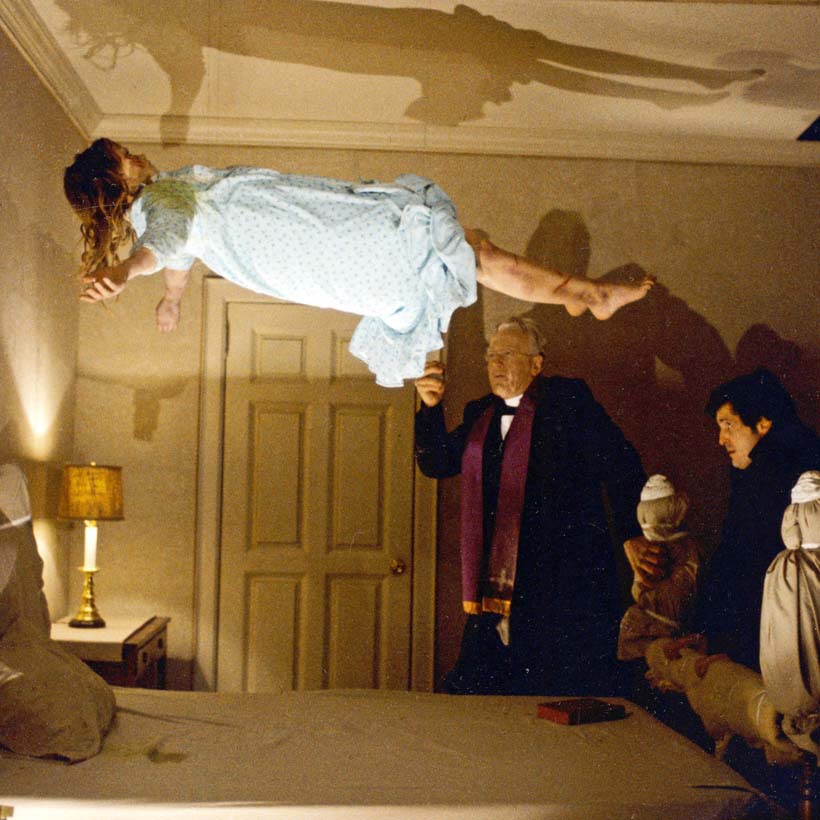
This becomes increasingly important as horror franchises age. Halloween, The Texas Chain Saw Massacre, The Exorcist, and Friday the 13th all originated in the 1970s or 1980s. Their most recognizable characters and imagery remain culturally familiar, but a substantial portion of the potential audience has no attachment to every sequel.
Resetting continuity allows a studio to use decades of brand recognition without making decades of franchise knowledge a prerequisite.
Why Do Horror Reboots Sometimes Keep the Original Movie?
One of the more interesting developments in modern horror is the rise of movies that reset a franchise without erasing its most famous installment. Instead of remaking the original, filmmakers treat it as the beginning of a new timeline and remove some or all of the sequels.
This approach offers several advantages. The original movie retains its status, longtime fans do not have to accept another retelling of a story they already know, and filmmakers gain a relatively clean foundation for something new. Returning actors can also provide a direct connection between generations of the franchise.
Halloween (2018) is an especially clear example because it follows the 1978 movie while ignoring everything else. Texas Chainsaw 3D similarly created a new continuation of the original Texas Chain Saw Massacre, and Texas Chainsaw Massacre in 2022 returned to the 1974 film yet again while establishing another branch of the story.
These movies are often described as legacy sequels because they continue an older film while reviving the property for a new era. From a practical standpoint, however, they can accomplish much of what a reboot does: clearing away unwanted continuity while preserving the part of the franchise audiences remember best.
Legacy Sequels and Soft Reboots
Modern franchise revivals can fall somewhere between a traditional sequel and a complete reboot. These explainers break down two of the most common approaches.
Horror Can Survive Major Changes in Tone
Horror franchises also have unusual freedom to reinvent their tone. The same property can move between suspense, supernatural horror, graphic violence, dark comedy, psychological horror, and straightforward slasher territory while retaining enough familiar elements to remain recognizable.
The Texas Chainsaw Massacre series is a particularly good example. Tobe Hooper’s 1974 original and his 1986 sequel share characters and continuity, but the second film embraces a much more overtly comic and exaggerated tone. Later installments shifted again, while the 2003 remake returned to a grim approach with a new version of Leatherface and a newly configured family.
That flexibility makes a reboot useful for more than repairing continuity. It can reposition an entire franchise for the horror trends of a different era.
The dominant style of mainstream horror changes over time. A property created during the slasher boom may eventually be revived during an era of darker remakes, self-aware horror, supernatural franchises, or legacy sequels. Starting a new continuity lets filmmakers adjust an established name to contemporary tastes without having to make the tonal change fit neatly with everything that came before.
Rights Can Complicate Horror Franchises
Creative decisions are not the only reason horror series take strange paths. Ownership and distribution rights can become complicated over the decades, particularly when a franchise passes between producers, studios, and distributors.
A movie franchise is not always controlled by one company throughout its entire existence. Rights can expire, revert, be sold, or be divided between different parties. Individual films may have different distribution arrangements, while control over characters, titles, or future productions can become separate issues.
Those circumstances do not automatically cause a reboot, but they can influence what filmmakers are able to continue and which pieces of an older franchise are available for a new production. They can also contribute to long periods of inactivity, after which starting with a cleaner story may make more sense than attempting to resume exactly where a previous installment stopped.
Friday the 13th is an especially notable example of how complicated franchise rights can become. Legal disputes over the property contributed to a long period without another theatrical movie after the 2009 reboot, even though Jason Voorhees remained one of horror’s most recognizable characters.
Horror Franchises Are Often Built to Survive Their Characters
Another advantage horror has over many long-running franchises is that its central threat can often outlast its protagonists.
Final girls and other survivors may become beloved characters, but the commercial identity of a slasher series frequently rests with the killer. Different groups of teenagers can visit Camp Crystal Lake. New people can encounter Leatherface. Ghostface can terrorize another generation. Even when a franchise does bring back an original survivor, the story can introduce younger characters who may carry future installments.
This makes recasting and generational turnover much easier. A franchise does not necessarily end because an actor no longer wants to participate or because a character’s story has reached a natural conclusion.
That also explains why reboots can succeed without reproducing every relationship from an earlier version. The central concept remains recognizable even when almost everyone surrounding it changes.
Why Not Just Keep Making Sequels?
Sometimes that is exactly what happens. A reboot is not automatically better than another sequel, and wiping away continuity can alienate viewers who were invested in previous movies.
Continuing an existing storyline has obvious advantages when audiences remain interested in its characters and mythology. It rewards longtime viewers, allows relationships to develop over multiple installments, and avoids repeatedly telling variations of the same origin story. A complicated continuity can even become part of a franchise’s appeal.
The calculation changes when filmmakers believe that history has become an obstacle. If a poorly received sequel leaves few attractive directions for another movie, a central character has been killed, the mythology has become too restrictive, or the series has been absent long enough that a new audience is being targeted, a reboot becomes much more appealing.
Horror makes that decision easier because so many of its franchises have a simple central idea that can be reconstructed. The details surrounding Michael Myers have changed repeatedly, but the image of a masked killer stalking Haddonfield on Halloween night remains immediately understandable.
Does Rebooting a Horror Franchise Erase the Old Movies?
No. A new continuity changes which movies count toward a particular storyline, but it does not somehow invalidate the earlier films.
This is one reason it is more useful to think of many horror series as collections of branching timelines rather than a single canon that keeps being rewritten. The original Halloween continuity still exists as its own five-film story even though H20 later created a different path. The H20 continuity still exists even though the 2018 movie created another one.
The same principle applies to The Texas Chainsaw Massacre. The remake and its prequel can be watched as their own continuity, while other movies branch in different directions from the 1974 original.
Nothing requires viewers to choose one timeline as the only version that matters. A reboot simply gives filmmakers another route through the same franchise.
Why Horror Movie Franchises Keep Starting Over
Horror franchises keep getting rebooted because they are unusually capable of surviving a reset. Their most recognizable villains and concepts can remain intact even when decades of continuity disappear, and the basic premise is often strong enough to introduce itself to a new audience without extensive explanation.
There is also a practical cycle at work. Horror hits produce sequels, sequels expand the mythology, and eventually that mythology can become difficult for new filmmakers or audiences to navigate. A reboot clears the board while preserving the name, imagery, and ideas that made the property valuable in the first place.
That can be frustrating when a viewer is simply trying to determine which movie follows which. It is also one of the reasons horror franchises can remain active for generations. Michael Myers, Jason Voorhees, and Leatherface have survived changing studios, filmmakers, actors, audiences, and decades of horror trends. Their timelines may be a mess, but the characters themselves have proved remarkably difficult to kill.
Horror Movie Reboots FAQ
Why are horror movies rebooted so often?
Horror franchises are particularly easy to reboot because their recognizable villains, monsters, locations, and premises can often work independently of established continuity. A reset can attract new audiences while retaining the elements associated with the franchise.
Is a reboot the same as a remake?
No. A remake retells an earlier movie, while a reboot restarts or substantially resets a franchise. A movie can be both, as with Rob Zombie’s Halloween, but a reboot can also tell an entirely new story.
Can a movie be both a sequel and a reboot?
Yes. A movie can continue an earlier film while effectively rebooting the larger franchise around it. Halloween (2018), for example, is a sequel to Halloween (1978) but resets the franchise by ignoring the intervening sequels.
Why do horror reboots ignore previous sequels?
Ignoring previous sequels allows filmmakers to preserve a popular original while removing story developments they do not want to continue. It also gives new viewers a simpler entry point into a long-running franchise.
Do reboots remove older movies from canon?
They remove older movies from the new continuity, but those films remain part of their original timelines. Long-running horror franchises frequently contain several separate continuities rather than one storyline in which every movie is canon.
More Movie Franchise Reading
Reboots are only one reason long-running movie franchises become complicated. These guides and explainers dig further into changing continuities and Hollywood’s habit of revisiting familiar stories.