A legacy sequel is what happens when Hollywood looks at an older movie or franchise and says, “What if we continued this story decades later, brought back some familiar characters, introduced a new generation, and asked the audience to feel things about time passing?”
That sounds cynical, and sometimes it absolutely is.
But a good legacy sequel is not just a nostalgia delivery system. At its best, it uses the past to tell a new story. It lets older characters carry history, regrets, unfinished business, and emotional weight while handing the franchise to new characters who can move things forward.
At its worst, it is a movie standing in front of you jangling keys from your childhood.
So what is a legacy sequel, how is it different from a reboot, and why does Hollywood keep making them?
Let’s sort it out.
Quick Answer: What Is a Legacy Sequel?
A legacy sequel is a sequel made years, often decades, after the original movie or series. It usually continues the old continuity, brings back one or more original characters, and introduces a new generation of characters.
The key idea is that a legacy sequel is not starting over. It is continuing.
Here is the simple version:
| Term | Meaning |
|---|---|
| Sequel | A continuation of a previous story |
| Reboot | A fresh start that often ignores previous continuity |
| Remake | A new version of an earlier story |
| Legacy sequel | A later sequel that continues the original story while adding new characters |
A legacy sequel wants the audience to remember the original while also accepting that time has passed.
What Makes a Movie a Legacy Sequel?
Most legacy sequels have a few things in common:
- They arrive years after the original movie or franchise peak.
- They keep at least some of the old continuity.
- They bring back familiar characters, actors, locations, or story elements.
- They introduce younger or newer characters.
- They use nostalgia as part of the story, not just the marketing.
The important part is continuity.
A legacy sequel usually says, “Those earlier movies happened.” The old characters remember them. The world has been shaped by them. The new characters are often living in the shadow of those events.
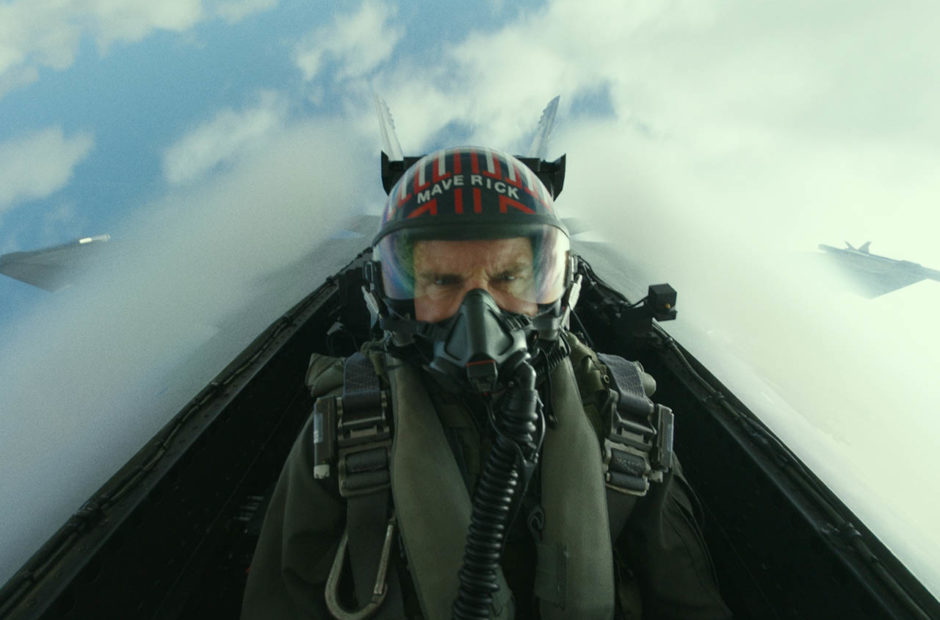
That is why Top Gun: Maverick is a legacy sequel, not a reboot. It does not replace the original Top Gun. It continues from it, with Tom Cruise’s Maverick older, more experienced, and still carrying the emotional weight of the first movie.
Legacy Sequel Examples
Some of the most familiar legacy sequels include:
| Movie | Original Franchise |
|---|---|
| Creed | Rocky |
| Star Wars: The Force Awakens | Star Wars |
| Jurassic World | Jurassic Park |
| Halloween (2018) | Halloween |
| Ghostbusters: Afterlife | Ghostbusters |
| Top Gun: Maverick | Top Gun |
| Terminator: Dark Fate | Terminator |
| Blade Runner 2049 | Blade Runner |
These movies do not all work the same way, and they are not all equally successful. But they share the same basic approach: take a familiar story world, move time forward, and use the past as part of the new story.
How Is a Legacy Sequel Different From a Reboot?
A reboot is a reset. A legacy sequel is a continuation.
That is the cleanest way to think about it.
A reboot usually gives the audience a new version of the concept. It may reuse character names, settings, or basic ideas, but it is not asking you to treat the earlier movies as required history.
A legacy sequel, on the other hand, depends on that history.
| Type | What It Does | Example |
|---|---|---|
| Reboot | Starts over with a new version | Batman Begins |
| Remake | Retells an earlier story | King Kong (2005) |
| Legacy sequel | Continues an older story years later | Top Gun: Maverick |
This can get messy because Hollywood enjoys making terms messy. A movie can feel like a reboot while technically being a sequel. That is why some people use the term “soft reboot” for movies that continue continuity while also refreshing the franchise for new viewers.
A legacy sequel often overlaps with a soft reboot, but they are not always the same thing.
How Is a Legacy Sequel Different From a Soft Reboot?
A soft reboot keeps some old continuity but retools the franchise so new audiences can jump in.
A legacy sequel focuses more directly on the return of an older story, older characters, or an older franchise after a long gap.
In practice, many movies are both.
Jurassic World is a legacy sequel because it takes place after Jurassic Park and acknowledges the original film. It is also a soft reboot because it introduces new leads and builds a new trilogy around them.
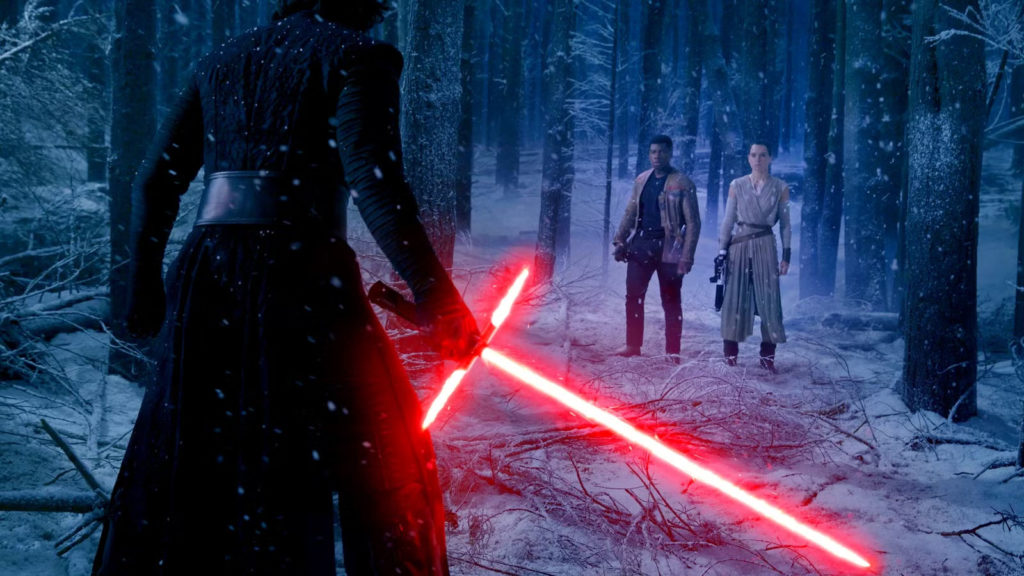
Star Wars: The Force Awakens is a legacy sequel because it brings back Han Solo, Leia, Luke, Chewbacca, the Millennium Falcon, and the larger history of the original trilogy. It is also a soft reboot because it introduces Rey, Finn, Poe, Kylo Ren, and a new conflict designed to restart the franchise for a new generation.
So the easiest distinction is this:
- Legacy sequel describes the relationship to the past.
- Soft reboot describes the strategy for moving forward.
One is about history. The other is about relaunching.
Why Does Hollywood Keep Making Legacy Sequels?
Because audiences already know the brand.
That is the blunt answer. Legacy sequels let studios revive familiar titles without fully starting over. They are easier to market because the audience already understands the basic idea.
But there is more to it than corporate comfort food.
Legacy sequels also let filmmakers explore aging, memory, regret, and the way old stories look different once the characters and audience have grown older. That can be powerful when handled well.
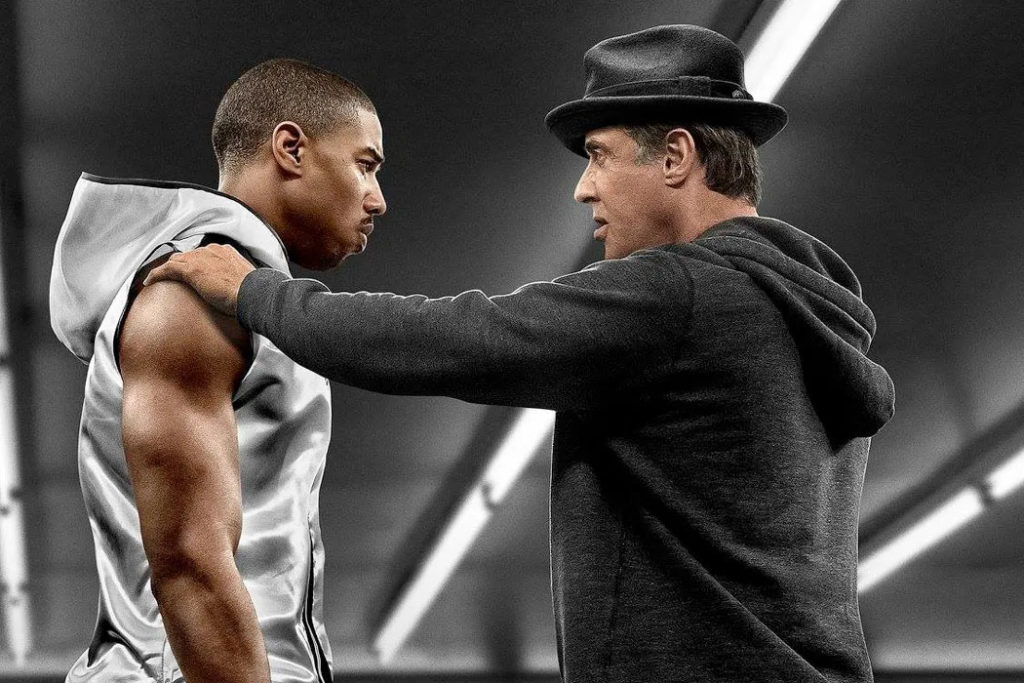
Creed works because Rocky Balboa is not just there as a nostalgia cameo. He has lived a life since the earlier movies. He has lost people. He has regrets. He has wisdom. His presence gives the new story emotional weight.
Top Gun: Maverick works for similar reasons. It is not only asking whether Maverick can still fly fast. It is asking what happens to a man who built his identity around never slowing down.
That is the good version.
The bad version is when a legacy sequel points at familiar things and expects applause.
Why Legacy Sequels Can Work So Well
A strong legacy sequel gives the audience two stories at once.
First, it tells a new story with new characters, new stakes, and a reason to exist beyond brand recognition.
Second, it lets the older story echo through the new one.
That is why the best legacy sequels do not just bring back beloved characters. They make those characters matter.
A good legacy sequel understands that time has passed. The old hero cannot simply walk in and be the same person from 30 years ago. The world changed. The audience changed. The character should have changed too.
That is where the emotional power comes from.
When a legacy sequel works, nostalgia is not the destination. It is the road.
Why Legacy Sequels Often Go Wrong
Legacy sequels go wrong when they mistake recognition for storytelling.
Bringing back an old actor is not automatically meaningful. Rebuilding an old set is not automatically emotional. Quoting a famous line is not automatically clever.
A weak legacy sequel can feel like it is checking boxes:
- Here is the old character.
- Here is the old vehicle.
- Here is the old line.
- Here is the old location.
- Please clap.
The problem is not nostalgia itself. Nostalgia can be a powerful storytelling tool. The problem is empty nostalgia, where the movie remembers the surface details but not the reason anyone cared in the first place.
A legacy sequel has to justify reopening the story.
If the only reason is “people have heard of this,” that is not enough.
Are Legacy Sequels Always Direct Sequels?
Usually, but not always in a simple way.
Some legacy sequels continue from every previous movie in a franchise. Others ignore certain sequels and go back to an earlier point in the timeline.
That is called selective continuity, and horror franchises especially love it.
The 2018 version of Halloween is a legacy sequel to the original 1978 Halloween, but it ignores many of the sequels that came after. Terminator: Dark Fate does something similar by continuing after Terminator 2: Judgment Day while ignoring Terminator 3, Terminator Salvation, and Terminator Genisys.
This can be annoying, but it also makes sense from a storytelling perspective. Sometimes a franchise gets so tangled that the only practical move is to pick the strongest foundation and build from there.
Or, to put it another way, sometimes the scariest monster in a franchise is the continuity chart.
Common Legacy Sequel Patterns
Legacy sequels tend to follow a few familiar patterns.
The old hero mentors the new hero
This is one of the most common versions. An older character returns to guide, train, warn, or reluctantly help a new protagonist.
Creed does this beautifully with Rocky and Adonis Creed.
The new generation inherits the old problem
In this version, younger characters have to deal with the consequences of what happened in the original story.
Jurassic World fits here, because the world has clearly learned very little from the original park disaster. Which, frankly, is very on brand for people in these movies.
The past comes back to haunt everyone
This is especially common in horror. The killer, monster, trauma, or unfinished business returns decades later.
Halloween and Scream both use versions of this structure.
The franchise returns to its original tone
Sometimes a legacy sequel is designed to say, “We remember what people liked about this.”
That can be a smart move, especially when a franchise has drifted too far from its roots.
Is a Legacy Sequel Just Nostalgia?
No, but nostalgia is usually part of the package.
A legacy sequel almost always relies on audience memory. It wants viewers to feel something when an old character appears, when a familiar theme plays, or when a famous location comes back into frame.
That is not automatically bad.
Nostalgia becomes a problem only when it replaces story. The best legacy sequels understand that memory can open the door, but it cannot carry the whole movie.
A good legacy sequel asks, “What does this story mean now?”
A bad one asks, “Remember this?”
There is a difference.
Legacy Sequels and the Problem of Canon
Legacy sequels can make franchise canon complicated very quickly.
Some continue everything. Some ignore the bad sequels. Some create alternate timelines. Some call themselves sequels while functioning like reboots. Some appear to have been assembled during a meeting where the word “continuity” was treated as a personal attack.
This is why movie timelines have become such a big part of modern fandom. Viewers want to know what counts, what does not, and where they are supposed to begin.
That confusion is not always the audience’s fault. Sometimes the franchise itself is sending mixed signals.
The best legacy sequels make their continuity clear enough that casual viewers can understand the basics. You should not need a corkboard and red string to enjoy a movie about dinosaurs, ghosts, spaceships, or a very angry masked man.
Why Legacy Sequels Became So Common
Legacy sequels became more common because they solve several Hollywood problems at once.
They revive recognizable intellectual property. They appeal to older fans who grew up with the original. They introduce younger characters who can carry future installments. They give marketing teams familiar images, names, music, and taglines to work with.
From a business standpoint, that is attractive.
From a creative standpoint, it can go either way.
The format can produce thoughtful continuations like Creed, Blade Runner 2049, and Top Gun: Maverick. It can also produce movies that feel like someone fed a studio archive into a nostalgia machine and hoped nobody would notice the smoke.
The tool is not the problem. The execution is.
Frequently Asked Questions About Legacy Sequels
What does legacy sequel mean?
A legacy sequel is a sequel made years after an earlier movie or franchise. It usually continues the original continuity, brings back familiar characters, and introduces a new generation of characters.
Is a legacy sequel the same as a reboot?
No. A reboot usually starts over. A legacy sequel continues an older story while using the past as part of the new movie.
Can a legacy sequel also be a soft reboot?
Yes. Many legacy sequels also function as soft reboots because they continue the old continuity while refreshing the franchise for new viewers.
What are some examples of legacy sequels?
Common examples include Creed, Top Gun: Maverick, Jurassic World, Star Wars: The Force Awakens, Ghostbusters: Afterlife, Halloween (2018), and Blade Runner 2049.
Why do legacy sequels bring back old characters?
Old characters help connect the new story to the original. When done well, they provide emotional weight, history, and continuity. When done badly, they can feel like empty nostalgia.
Is Top Gun: Maverick a legacy sequel?
Yes. Top Gun: Maverick is a legacy sequel because it continues the original Top Gun decades later, brings back Maverick, and introduces a new generation of pilots.
Is Creed a legacy sequel?
Yes. Creed continues the Rocky franchise by focusing on Adonis Creed while bringing back Rocky Balboa in a major supporting role.
Is Star Wars: The Force Awakens a legacy sequel?
Yes. Star Wars: The Force Awakens continues the original Star Wars saga decades later, brings back major original characters, and introduces a new generation.
Final Thoughts on Legacy Sequels
A legacy sequel is not just a late sequel. It is a story built around the relationship between past and present.
That is why the format can be so effective when it works. It gives audiences the comfort of something familiar while asking what that familiar thing means years later. The old heroes are older. The world has changed. The new characters have inherited stories they did not start.
The best legacy sequels understand that nostalgia is not enough. They use it as emotional fuel, not as the whole engine.
The worst ones simply point at the past and hope recognition feels like storytelling.
And honestly, we can all tell the difference.