Why Die Hard Became Endlessly Rewatchable for Me
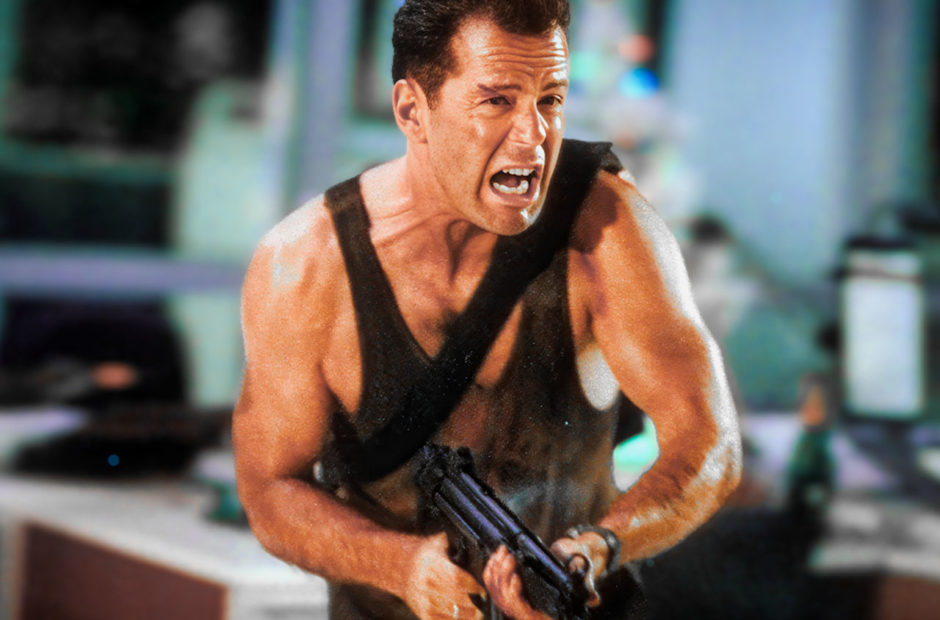
There are movies you like, and then there are movies you live with. For me, Die Hard falls firmly into the second category.
I ended up in the hospital for a week with mono in 1989, and for reasons that made perfect sense at the time, I had my parents bring a VCR into the room. Not just for variety. Specifically so I could watch Die Hard again. And again. And again.
At some point, it stopped being about the story. I already knew every beat. It became about something else entirely. The way the movie moved. The way everything fit together. The way it never got old, no matter how many times I watched it.
Why It Never Gets Old
Most movies lose something on repeat viewings. The tension fades. The surprises disappear. The experience flattens out.
Die Hard does the opposite. The more you watch it, the more it holds up. Not because of nostalgia, but because of how precisely it’s built.
The film doesn’t rely on mystery. It relies on clarity.
Every Piece Has a Purpose
From the moment John McClane arrives at Nakatomi Plaza, the movie begins quietly establishing its world. The layout of the building, the relationships between characters, the tools that will be used later. None of it feels forced, but all of it matters.
By the time the action escalates, you understand the space. You understand the stakes. You understand the limitations McClane is working within.
Nothing feels random. Everything is placed.
Geography Creates Tension
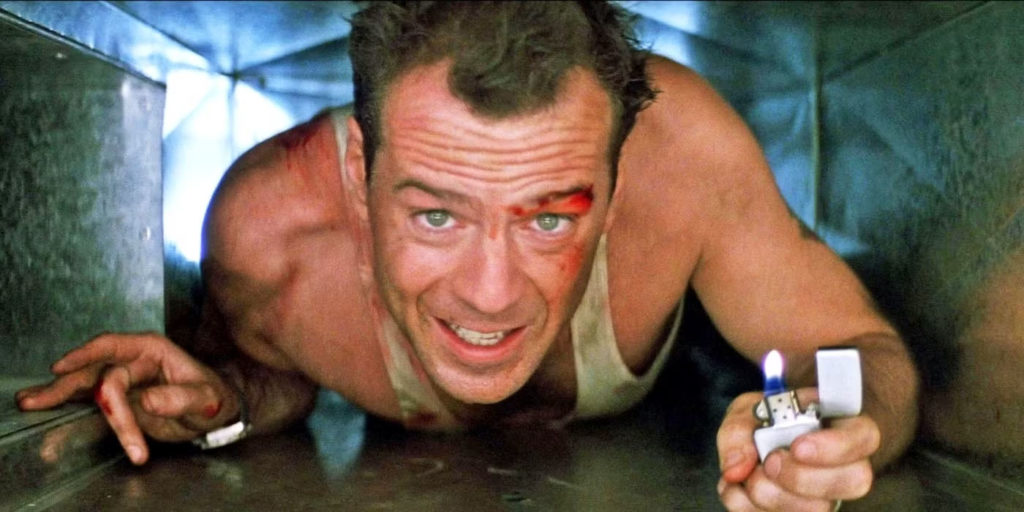
One of the reasons Die Hard works so well is that you always know where you are. The building isn’t just a setting. It’s a map the movie teaches you how to read.
As McClane moves through floors, ventilation shafts, and unfinished spaces, the audience moves with him. You understand the distance between him and the threat. You understand what he has to do to survive.
That clarity turns every movement into tension.
Cause and Effect, Not Chaos
Modern action movies often lean on scale and speed, but Die Hard is driven by cause and effect. Every action leads to a consequence, and every consequence creates the next problem.
McClane doesn’t win because he’s unstoppable. He wins because he adapts. He makes mistakes, pays for them, and adjusts.
This creates a chain of events that feels logical, even when it’s heightened.
The Role of Character
The movie works because McClane feels human. He gets hurt. He gets tired. He doubts himself. His vulnerability is not a weakness in the structure. It’s the point.
And all of this leads to something else we rarely see in action films: quiet moments of reflection. John cleaning his feet of glass. His conversation with Hans. He takes moments to stop, breathe, and reflect, and it allows the audience to take similar breaths as well.
The film knows you’re exhausted from everything that has happened, just as John is, and it doesn’t hesitate to let both of you take a moment and gather your wits.
The supporting characters reinforce that. Hans Gruber isn’t just a villain. He’s controlled, patient, and always thinking ahead. Powell provides a connection to the outside world that keeps the story grounded.
These aren’t just roles in an action movie. They’re functions in a system that keeps the story moving.
Why It Becomes a Comfort Watch
Watching Die Hard repeatedly doesn’t wear it down because the pleasure isn’t in what happens. It’s in how it happens.
You start to anticipate setups and payoffs. You notice how early moments echo later ones. You see the structure underneath the action.
That structure is what makes it rewatchable. It holds together no matter how many times you go back to it.
What Die Hard Gets Right
The film understands that action works best when it is built on clarity. Clear space. Clear stakes. Clear progression.
It doesn’t overwhelm you with movement. It guides you through it.
That’s why it held up in a hospital room, on repeat, with nothing new to discover. Because everything it does is already there, waiting to be seen again.
Oh… and it’s not a Christmas movie.
Fun Jug Media, LLC (operating TheNerdy.com) has affiliate partnerships with various companies. These do not at any time have any influence on the editorial content of The Nerdy. Fun Jug Media LLC may earn a commission from these links.
What to Read Next
- Why Ghostbusters Didn’t Click for Me Until I Saw It as a Workplace Comedy
- The Moment I Understood Why Jaws Works
- Why Editing Matters More Than You Think