When people talk about movies, they almost always start with actors, directors, or visual effects. Editing rarely enters the conversation, even though it is the element that determines how everything else is experienced. Performances, pacing, tension, and emotion all pass through the edit before they reach the audience.
Good editing is invisible by design. When it works, you don’t notice it. When it fails, it’s often the only thing you can see. That paradox is why editing is both essential and overlooked.
The Invisible Architecture of a Film
Editing is not just about cutting scenes together. It is about deciding what the audience sees, when they see it, and how long they stay with it. A moment held for two seconds longer can change how a performance lands. A reaction shot placed at the right time can redefine an entire scene.
Films are not assembled in the order they are shot. They are constructed in the edit, where structure, rhythm, and emphasis are shaped into a coherent experience. What feels natural on screen is often the result of hundreds of deliberate choices.
Without editing, a movie is not a story. It is raw material.
Pacing Is Created, Not Captured
One of the most common reactions to older films is that they feel slower. That perception is largely driven by editing choices. Pacing is not inherent to the script or the performances. It is created in the edit.
Modern films often cut more quickly, moving from shot to shot with less time for the audience to settle. Older films tend to hold longer, allowing scenes to breathe. Neither approach is inherently better, but each creates a different emotional experience.
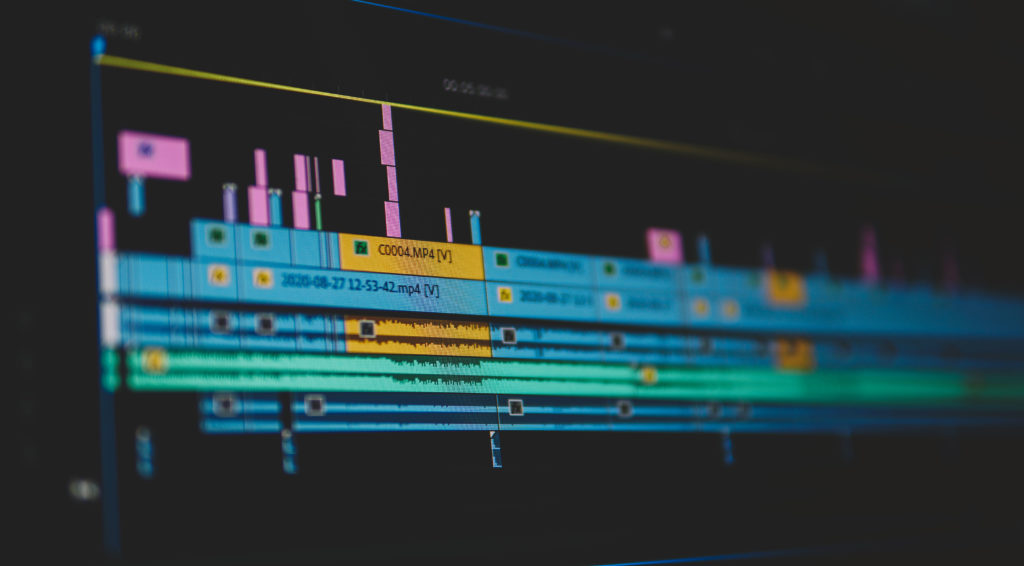
Editing determines whether a scene feels tense, relaxed, chaotic, or controlled. It is the rhythm section of filmmaking.
iStockphoto/George Khelashvili
Performance Lives in the Cut
Actors deliver multiple takes, each with subtle differences. The version you see on screen is chosen in the edit. Timing, emphasis, and even meaning can shift depending on which moments are used.
A strong performance can be weakened by poor editing, while a good performance can be elevated by precise choices. Reaction shots, pauses, and line delivery are all shaped after filming is complete.
What feels like a seamless performance is often the result of careful assembly.
Why You Notice Bad Editing
When editing draws attention to itself, it is usually because something has gone wrong. Cuts feel abrupt. Scenes lose clarity. Emotional beats land too early or too late.
Inconsistent pacing can make a film feel disjointed, even if the script is solid. Confusing geography in action scenes often comes down to editing choices rather than choreography.
Good editing guides the audience without announcing itself. Bad editing forces the audience to think about the mechanics instead of the story.
The Shift Toward Faster Cuts
Over time, editing styles have evolved. Advances in technology made faster cutting easier, and audience expectations shifted alongside it. Music videos, television, and digital media all influenced how quickly images change on screen.
This does not mean modern editing is worse. It means it serves a different rhythm. The challenge is maintaining clarity and emotional impact within that speed.
When the balance is right, fast editing can feel energetic rather than overwhelming.
Why Editing Still Matters
Editing matters because it is the final rewrite of a film. It is where intention becomes experience. Every cut, every transition, and every moment of silence shapes how a story is understood.
Most viewers will never think about editing while watching a movie, and that is exactly the point. When it works, it disappears.
But once you start noticing it, you realize how much of what you feel while watching a film is being guided, moment by moment, by choices you never see.
Fun Jug Media, LLC (operating TheNerdy.com) has affiliate partnerships with various companies. These do not at any time have any influence on the editorial content of The Nerdy. Fun Jug Media LLC may earn a commission from these links.
What to Read Next
- Why Movie Soundtracks Once Dominated Pop Culture
- When Going to the Movies Was a Weekly Habit
- How Television Quietly Replaced Entire Movie Genre