A soft reboot is Hollywood’s way of saying, “We are not starting over, exactly, but we would very much like new viewers to stop worrying about the homework.”
It is one of those terms that gets thrown around whenever an older franchise comes back with new characters, a refreshed tone, and just enough continuity to keep longtime fans from throwing things. A soft reboot does not erase everything the way a full reboot usually does, but it also does not require the audience to remember every sequel, spinoff, deleted scene, and questionable third-act mythology decision.
That is why soft reboots have become so common. They let studios continue recognizable franchises while making them easier for casual viewers to enter. Sometimes that works beautifully. Sometimes it feels like a sequel wearing a fake mustache and insisting it has never met you before.
So what is a soft reboot, how is it different from a reboot or legacy sequel, and why do so many franchises use them?
Let’s sort it out.
Quick Answer: What Is a Soft Reboot?
A soft reboot is a movie or TV project that keeps some existing continuity while refreshing the franchise for new audiences. It may bring in new characters, shift the tone, simplify the story, or quietly ignore parts of the past without completely starting over.
The key difference is that a soft reboot does not usually erase the entire franchise. It keeps what is useful and moves forward in a new direction.
| Term | Meaning |
|---|---|
| Sequel | Continues a previous story |
| Reboot | Starts over with a new version |
| Remake | Retells an earlier story |
| Legacy sequel | Continues an older story years later |
| Soft reboot | Refreshes a franchise while keeping some continuity |
In simple terms, a reboot says, “Forget the old version.” A soft reboot says, “You can remember the old version, but we are not making a whole thing out of it.”
What Makes Something a Soft Reboot?
A soft reboot usually has one foot in the old franchise and one foot in a new direction. It acknowledges that earlier stories happened, but it does not build the entire experience around them.
Most soft reboots do at least a few of these things:
- Introduce new main characters
- Bring back familiar characters in supporting roles
- Reset the stakes so new viewers can follow along
- Use a familiar premise with a new cast or setting
- Simplify complicated continuity
- Ignore weaker sequels without officially remaking the original
- Set up a new run of movies or episodes
That is the practical purpose of a soft reboot. It lets a franchise continue without forcing everyone to study decades of continuity before buying a ticket.
A good soft reboot feels welcoming. It gives longtime fans extra layers, but it does not punish new viewers for showing up late.
Soft Reboot Examples
Some familiar soft reboot examples include:
| Movie or Show | Franchise |
|---|---|
| Jurassic World | Jurassic Park |
| Star Wars: The Force Awakens | Star Wars |
| Scream (2022) | Scream |
| Creed | Rocky |
| Terminator Genisys | Terminator |
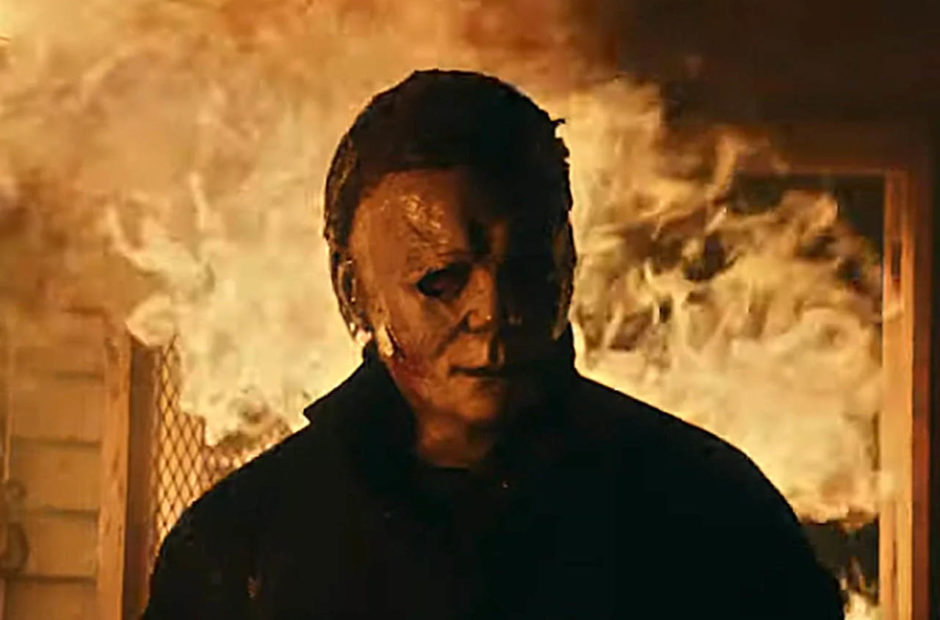
| Halloween (2018) | Halloween |
| Ghostbusters: Afterlife | Ghostbusters |
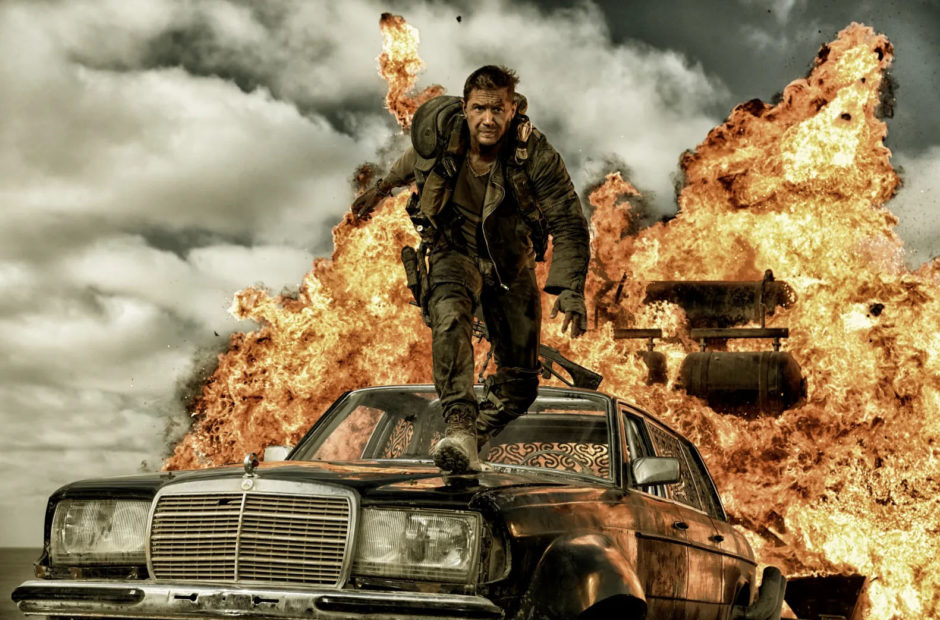
| Mad Max: Fury Road | Mad Max |
Not all of these use the same approach. Some are also legacy sequels. Some are selective-continuity sequels. Some are relaunches that mostly avoid explaining themselves because, honestly, sometimes that is the healthiest choice.
The point is that a soft reboot gives the franchise a new starting point without completely severing ties to the past.
How Is a Soft Reboot Different From a Reboot?
A reboot starts over. A soft reboot keeps going, but with a reset button nearby.
That is the cleanest distinction.
A full reboot usually creates a new version of the story. It may reuse characters, settings, and concepts, but it is not asking you to treat the older movies or shows as part of the same continuity. Batman Begins, for example, does not continue the Burton and Schumacher Batman films. It starts a new Batman continuity.
A soft reboot is different because it usually keeps at least some of the old history. Jurassic World does not erase Jurassic Park. The original park happened. John Hammond existed. The disaster on Isla Nublar is part of the world’s history. But the movie also introduces new leads, a new park, and a new story engine.
That is why Jurassic World works as a soft reboot. It continues the old timeline while making the franchise accessible to people who may not have watched the original trilogy recently, or at all.
How Is a Soft Reboot Different From a Legacy Sequel?
A soft reboot and a legacy sequel often overlap, but they are not exactly the same thing.
A legacy sequel is about the relationship to the past. A soft reboot is about making the franchise easier to continue.
That distinction matters.
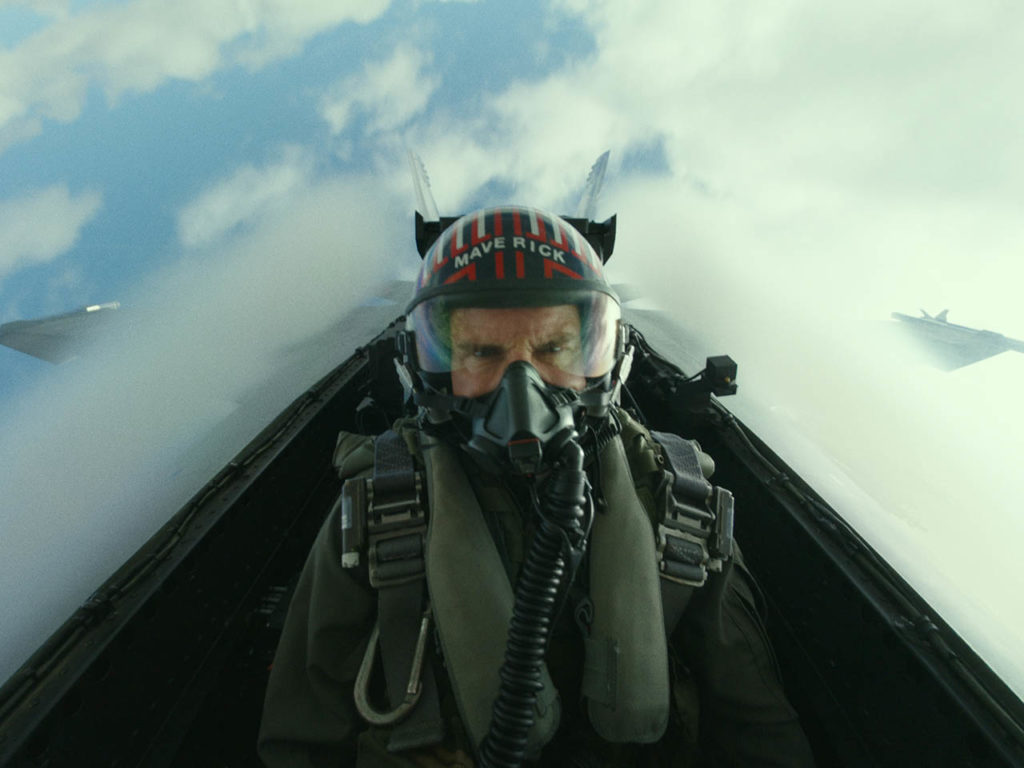
Top Gun: Maverick is a legacy sequel because it continues Top Gun decades later and focuses heavily on what time has done to Maverick. It is not really a soft reboot because it is not trying to relaunch the franchise around a new generation in the same aggressive way.
Jurassic World, on the other hand, is both. It is a legacy sequel because it continues from Jurassic Park, but it is also a soft reboot because it introduces new leads, rebuilds the premise around a functioning dinosaur park, and sets up a new trilogy.
So the easiest way to think about it is this:
- Legacy sequel: The past matters to the story.
- Soft reboot: The franchise is being refreshed for the future.
A movie can be one, both, or occasionally something so tangled that the marketing department just smiles and backs slowly out of the room.
How Is a Soft Reboot Different From a Remake?
A remake retells an earlier story. A soft reboot usually tells a new story inside an existing franchise.
For example, a remake of Planet of the Apes would retell the basic premise of the original movie with a new cast and new production. Tim Burton’s 2001 Planet of the Apes is best treated as a remake or reimagining because it is not continuing the original film series.
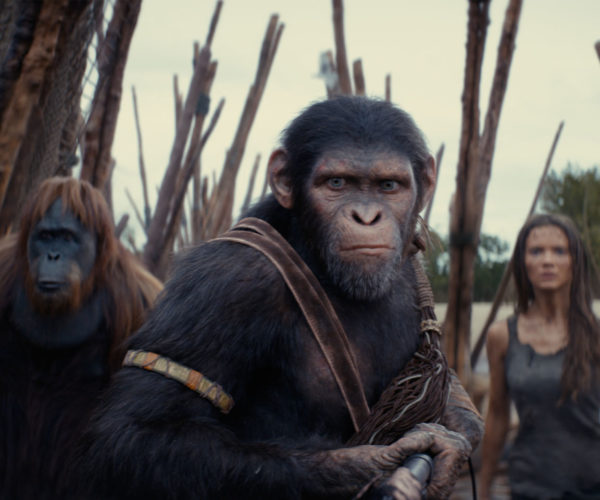
A soft reboot would be more like Rise of the Planet of the Apes. It does not simply retell the 1968 movie. Instead, it restarts the franchise with a new origin story about Caesar and the rise of intelligent apes.
The difference is not always perfectly clean, because Hollywood terminology was apparently designed by people who enjoy making everyone argue online. But the basic rule holds: a remake retells, while a soft reboot refreshes.
Why Do Studios Use Soft Reboots?
Studios use soft reboots because they solve a very practical problem: familiar franchises are valuable, but long-running continuity can scare new viewers away.
A franchise may have a recognizable name, a loyal fan base, and a strong concept, but it may also have five sequels, two contradictory timelines, a dead lead character, and one installment everyone involved would prefer not to discuss. A soft reboot lets the studio keep the brand while lowering the barrier to entry.
That makes soft reboots useful for marketing. The poster can promise something familiar, while the movie itself can introduce new characters and a simpler starting point.
It is a business move, but it can also be a creative one. Some franchises genuinely need a reset. Not every series can keep adding mythology forever without collapsing into its own glossary.
Why Soft Reboots Can Work
A good soft reboot understands what people liked about the original and finds a new way to make that idea work.
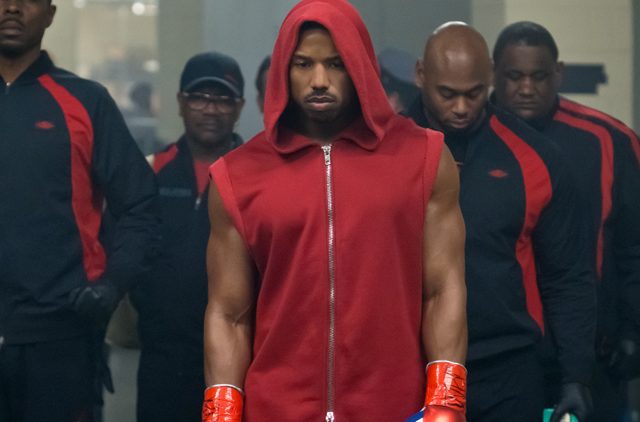
Creed is a strong example. It continues the Rocky franchise, but it does not simply make another Rocky movie. It shifts the focus to Adonis Creed, gives Rocky a meaningful supporting role, and turns the franchise into something old and new at the same time.
That is the ideal soft reboot move. The old material is not ignored, but it is not allowed to trap the new story. The movie respects the past without embalming it.
The best soft reboots also know what to simplify. They do not spend the entire first act explaining continuity. They give you enough to understand the emotional stakes, then get on with the story. Longtime fans may catch more references, but new viewers can still follow the main path.
That balance is harder than it looks.
Why Soft Reboots Often Go Wrong
Soft reboots go wrong when they become too cautious, too nostalgic, or too busy trying to please everyone.
Sometimes a soft reboot repeats the original so closely that it feels less like a new story and more like a franchise checklist. Here is the old location. Here is the old vehicle. Here is the old line. Here is a younger character standing where an older character used to stand. Please enjoy this legally distinct memory.
Other times, a soft reboot spends so much energy setting up future installments that it forgets to be satisfying on its own. That is when a movie starts to feel less like a story and more like a two-hour franchise meeting with explosions.
The worst soft reboots try to have it both ways. They want longtime fans to applaud every callback, but they also want new viewers to believe they are starting fresh. That can work, but only if the story underneath is strong enough to carry both audiences.
Nostalgia can open the door. It cannot hold the roof up by itself.
Soft Reboots and Selective Continuity
Selective continuity is one of the most common soft reboot tools.
This is when a franchise keeps some earlier movies or shows while ignoring others. Horror franchises love this. So do science fiction franchises with timeline problems, which is to say most of them eventually.
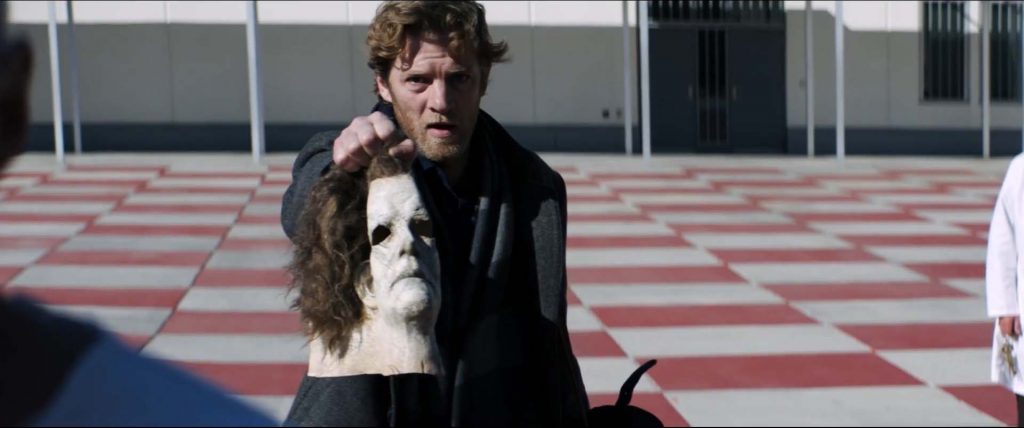
Halloween (2018) is a clear example. It continues from the original 1978 Halloween but ignores many of the sequels that followed. That lets the movie bring back Laurie Strode and Michael Myers without asking viewers to navigate decades of increasingly complicated continuity.
Terminator: Dark Fate does something similar by continuing after The Terminator and Terminator 2: Judgment Day while ignoring later sequels. Whether viewers liked that choice is a separate issue, but the strategy is clear: return to the strongest foundation and build a new path from there.
Selective continuity can be annoying, but it is often practical. Sometimes a franchise needs to admit that not every branch of the tree is load-bearing.
Soft Reboots and New Main Characters
New main characters are often central to a soft reboot.
The original characters may return, but the franchise usually needs someone new to carry the story forward. That is why soft reboots often introduce younger heroes, new teams, or characters connected to the old mythology.
Creed uses Adonis Creed. Jurassic World uses Owen and Claire. Star Wars: The Force Awakens uses Rey, Finn, Poe, and Kylo Ren. Scream (2022) brings in a younger cast while still involving Sidney, Gale, and Dewey.
That structure gives the movie two jobs. It has to honor the older characters without making them the whole point, and it has to make the new characters interesting enough to justify continuing.
This is where many soft reboots either succeed or fail. If the new characters work, the franchise has a future. If they do not, the movie starts leaning harder and harder on familiar faces until it becomes nostalgia with a plot summary attached.
Is a Soft Reboot Just a Sequel?
Sometimes, technically yes. But “soft reboot” describes the function, not just the story position.
A movie can be a sequel because it takes place after earlier movies. It becomes a soft reboot when it is also designed to refresh the franchise, simplify the entry point, and set up a new direction.
That is why the term is useful. It explains what the movie is trying to do, not only where it sits in the timeline.
Jurassic World is a sequel to Jurassic Park, but it functions as a soft reboot. Scream (2022) is a sequel to the earlier Scream films, but it also brings in new leads and resets the franchise for a new era.
In other words, all soft reboots are not the same kind of sequel, but many of them are sequels with a relaunch strategy attached.
Are Soft Reboots Always Bad?
No. The term sometimes gets used as an insult, but a soft reboot is not automatically a bad thing.
A soft reboot can be smart. It can rescue a franchise from continuity overload. It can let new filmmakers find a fresh angle. It can give older characters a meaningful place in a story without forcing them to carry the whole thing again.
The problem is execution. A lazy soft reboot feels like corporate recycling. A good soft reboot feels like someone found a reason to return.
That reason matters. The audience can usually tell when a franchise has a new story to tell and when it is just digging through the attic for recognizable objects.
Common Soft Reboot Patterns
Soft reboots tend to follow a few familiar patterns.
The next generation takes over
This is one of the most common versions. Younger characters become the focus, while older characters return as mentors, parents, warnings, or emotional anchors.
Creed and Star Wars: The Force Awakens both use versions of this structure.
The old premise gets rebuilt
In this version, the franchise returns to its original hook but updates the setting, characters, or stakes.
Jurassic World does this by reopening the dinosaur theme park idea for a modern blockbuster audience.
The timeline gets cleaned up
Some soft reboots exist because the franchise continuity became too complicated. These movies keep the most important pieces and quietly move past the rest.
Halloween (2018) and Terminator: Dark Fate both use this approach.
The tone gets reset
Sometimes the issue is not continuity. It is tone. A soft reboot can pull a franchise back toward what people liked about it in the first place, or push it toward something more current.
That can be refreshing, as long as the movie remembers to be more than a brand adjustment.
Frequently Asked Questions About Soft Reboots
What does soft reboot mean?
A soft reboot is a franchise restart that keeps some existing continuity while refreshing the story for new audiences. It usually introduces new characters, simplifies the timeline, or moves the franchise in a new direction without completely starting over.
Is a soft reboot the same as a reboot?
No. A reboot usually starts over completely. A soft reboot keeps at least some earlier continuity while making the franchise easier for new viewers to enter.
Is a soft reboot the same as a legacy sequel?
Not exactly. A legacy sequel focuses on continuing an older story years later, often with returning characters. A soft reboot focuses on refreshing the franchise so it can continue. Many movies are both.
What are examples of soft reboots?
Examples include Jurassic World, Star Wars: The Force Awakens, Scream (2022), Creed, Halloween (2018), and Rise of the Planet of the Apes.
Is Jurassic World a soft reboot?
Yes. Jurassic World continues the Jurassic Park timeline, but it introduces new leads, rebuilds the park premise, and relaunches the franchise for a new audience.
Is Creed a soft reboot?
Yes. Creed continues the Rocky franchise while shifting the focus to Adonis Creed and using Rocky Balboa in a major supporting role.
Is The Force Awakens a soft reboot?
Yes. Star Wars: The Force Awakens continues the original saga while introducing new main characters and resetting the franchise around a new generation.
Why do studios make soft reboots?
Studios make soft reboots because they let familiar franchises continue without requiring new viewers to understand every previous installment. They keep brand recognition while creating a new entry point.
Final Thoughts on Soft Reboots
A soft reboot is not just a sequel, and it is not quite a full restart. It is a franchise refresh that keeps enough of the past to matter while clearing enough space for something new.
That is why the format can be useful. Long-running franchises get messy. Audiences age. New viewers arrive. Actors move on. Continuity turns into a storage closet no one wants to open. A soft reboot gives a franchise a way to keep moving without pretending none of that happened.
The best soft reboots understand what made the original work and then find a fresh reason to continue. The worst ones repeat the old shape and hope recognition will do the emotional labor.
As with most franchise terminology, the label matters less than the result. If the movie works, nobody complains too much about what kind of reboot it was.
If it does not, well, that is when everyone suddenly becomes a continuity scholar.