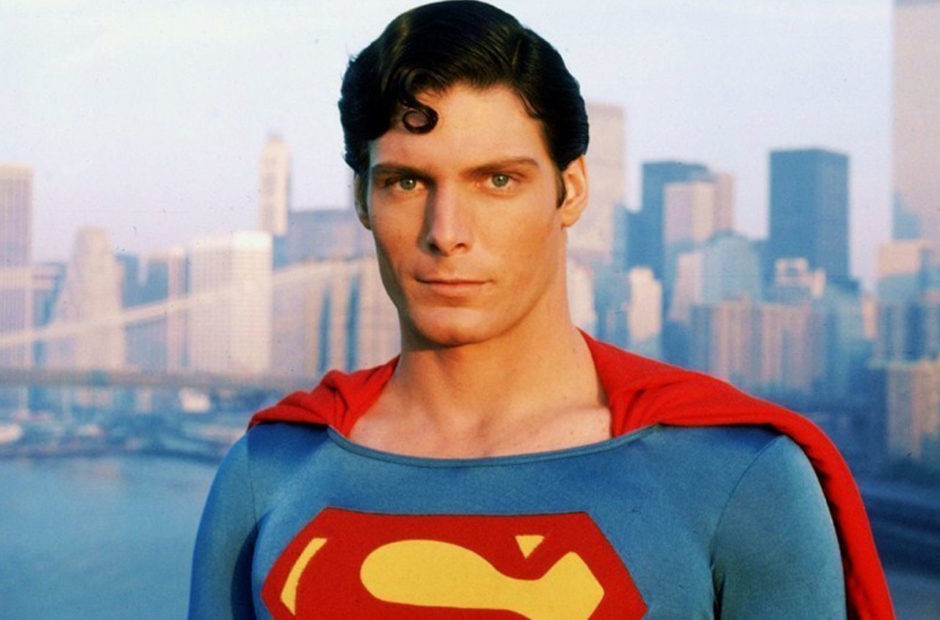
When most people think about Superman: The Movie, they remember the big moments. The helicopter rescue. The first flight. The death of Lois Lane. The image of Superman turning back time itself.
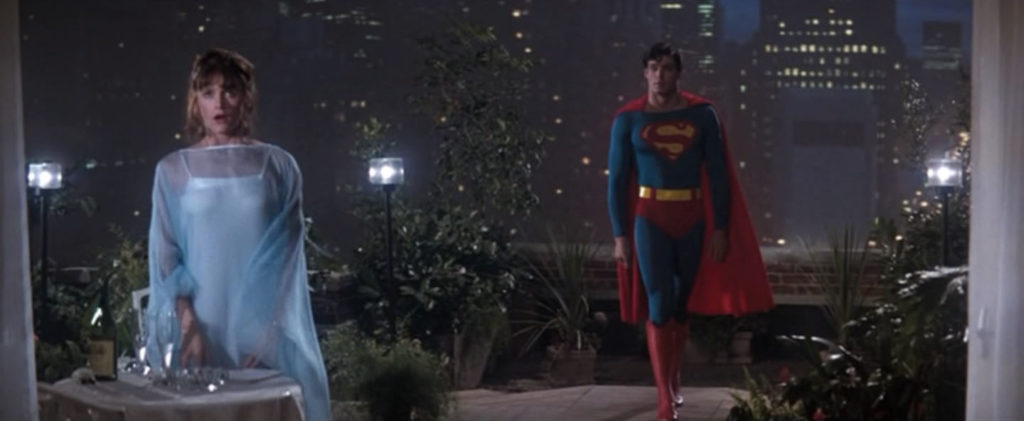
Those are the scenes that made audiences believe a man could fly, but they are not the scene that made Superman feel real. For me, that moment comes during the rooftop interview between Lois Lane and Superman, when the film slows down and lets him simply exist in conversation with another person.
There are no villains in the scene. No rescues. No world-ending stakes. Just two people standing above Metropolis, trying to understand each other. Somehow, that quiet exchange tells us almost everything we need to know about Superman.
The First Time Superman Gets to Be Himself
By the time the rooftop interview happens, we have already spent considerable time with Clark Kent. We have seen his childhood in Smallville, watched him struggle with questions about who he is, and followed him as he leaves home to search for his place in the world.
What makes the rooftop scene different is that Superman is not responding to a crisis. He is not lifting a car, catching a helicopter, or stopping a disaster. He is simply talking, and in doing so, he reveals more about himself than any action sequence could.
For the first time, someone is interacting with him as Superman. Not as Clark Kent. Not as the farm boy from Kansas. Not as the last son of Krypton. Lois is talking to the person he is trying to become, and he seems almost fascinated by what that feels like.
Christopher Reeve Understood the Character
One of the reasons Christopher Reeve’s performance has endured for nearly fifty years is that he understood Superman’s powers were never the most interesting thing about him. Flight, heat vision, and invulnerability may be the spectacle, but Reeve built the character around humanity.
He never played Superman as a god looking down on the world. He played him as someone raised by decent people in a small town who happened to possess extraordinary abilities. The Smallville sequences establish that foundation, and every scene that follows benefits from it.
You can feel that upbringing throughout the rooftop interview. Superman is confident, but not arrogant. Friendly, but slightly uncertain. There is a down-home sincerity to him, an aw-shucks quality that could have felt corny in the wrong hands, but Reeve makes it feel essential.
The Underwear Question
The moment that always stands out to me is one that is often remembered as a joke. Lois asks Superman what color underwear she is wearing, testing the limits of his x-ray vision and, in the process, putting him in an awkward position.
What makes the moment work is not the question itself. It is Reeve’s response. There is playfulness in the way he answers, but also a touch of embarrassment. For all his powers, he suddenly feels like a guy who realizes the conversation has turned in a direction he did not quite expect.
That tiny reaction does more for the character than another display of strength could. It shows that Superman can be powerful and still be bashful, confident and still caught off guard. He is not an all-knowing icon floating above everyone else. He is a person trying to navigate an unusual situation with kindness and a little uncertainty.
Looking for a Place to Belong
One of the things I have come to appreciate more as I have gotten older is how much of Superman: The Movie is about identity and belonging. Clark spends the film moving between worlds that shape him without fully defining him.
Krypton gives him his heritage. Smallville gives him his values. The Fortress of Solitude teaches him who he is. Yet none of those places become his final destination. By the time he arrives in Metropolis, he is still trying to figure out how all those pieces fit together.
The rooftop interview matters because it places him in that in-between space. He is no longer hiding as Clark, but he is not yet completely comfortable as Superman either. Lois sees him as Superman, and for the first time, he has to experience what it means to be seen that way.
What Modern Interpretations Sometimes Forget
Over the years, many Superman stories have become preoccupied with whether he is a god, a threat, or a force the world should fear. Those are not inherently bad questions, but they often push the character away from the thing that makes him endure.
Superman: The Movie asks something more human. What if someone with extraordinary abilities was simply trying to find his place in the world? What if the most interesting part of Superman was not the power, but the person carrying it?
That perspective changes everything. The film is not primarily interested in Superman as a weapon, a savior, or a problem to be solved. It is interested in his character, and that is why the rooftop scene still carries so much weight.
Why Superman Still Works
When I first saw Superman: The Movie in theaters as a kid, what grabbed me was Superman himself. Seeing a comic book character brought to life on the big screen felt wild at the time, especially at an age when that kind of thing was still rare.
What keeps me coming back to the film now is something different. Beneath the cape, the powers, and the mythology is a character searching for the same thing many people are searching for. He wants to understand where he belongs.
The reason Superman still works is not simply that he is trying to save the world. It is that he is trying to find a home within it. Nowhere is that clearer than in one quiet conversation with Lois Lane on a rooftop above Metropolis.
Fun Jug Media, LLC (operating TheNerdy.com) has affiliate partnerships with various companies. These do not at any time have any influence on the editorial content of The Nerdy. Fun Jug Media LLC may earn a commission from these links.
What to Read Next
- The Scene That Explains Why Raiders of the Lost Ark Works
- Why Die Hard Became Endlessly Rewatchable for Me
- Why Ghostbusters Didn’t Click for Me Until I Saw It as a Workplace Comedy