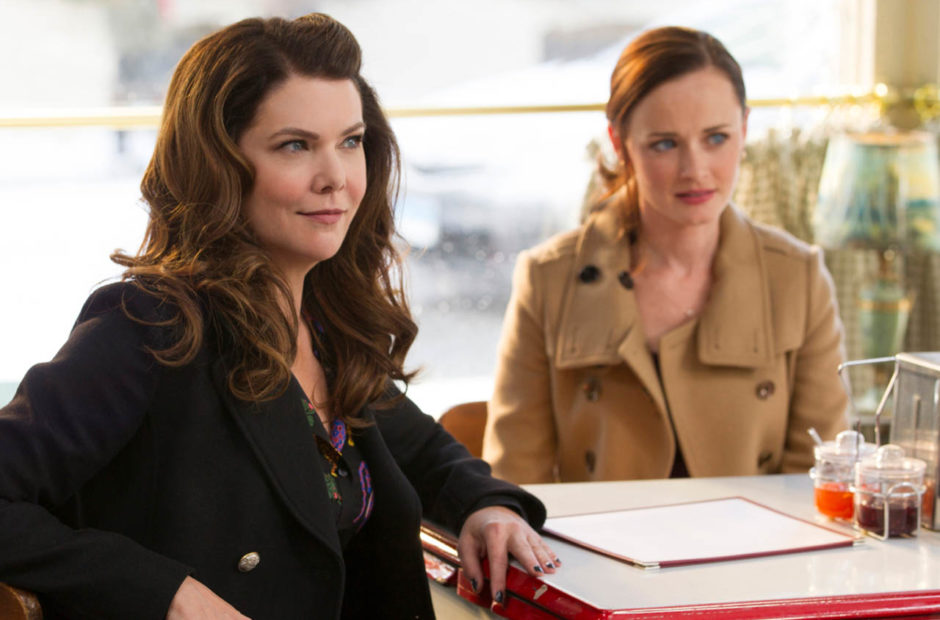
When a comfort show like Gilmore Girls leaves Netflix after more than a decade, it can feel personal. One day it is just there, waiting for the annual fall rewatch. The next day, the licensing clock runs out, and suddenly Stars Hollow needs a forwarding address.
But Gilmore Girls is not an unusual case. It is the streaming model doing what the streaming model does. Shows leave services because rights expire, licenses change hands, corporate strategies shift, and sometimes the economics of keeping a title available stop making sense.
That can be frustrating, especially when streaming has trained us to think of libraries as permanent. They are not. Streaming services are more like rotating video stores where the shelves rearrange themselves while you are sleeping.
So why do TV shows disappear from streaming, and what can you do if a favorite show vanishes? Let’s break it down.
Quick Answer: Why Do TV Shows Disappear From Streaming?
TV shows usually disappear from streaming because the service no longer has the rights to carry them. Those rights may expire, become too expensive to renew, move to another company’s platform, or get tangled up in older contracts involving music, distribution, residuals, or ownership.
| Reason | What It Means |
|---|---|
| Licensing rights expire | The streaming service’s deal to carry the show ends |
| The studio wants it elsewhere | The owner may move the show to its own service or another partner |
| Music rights are complicated | Older shows may not have cleared songs for modern streaming |
| Costs outweigh value | A service may decide a show is not worth the renewal price |
| Corporate strategy changes | Mergers, rebrands, and service changes can affect availability |
| Tax or accounting reasons | Some titles may be removed as part of broader business decisions |
The important thing to remember is this: streaming access is not ownership. A show being available today does not mean it will be available tomorrow.
Streaming Services Usually License Shows
The biggest reason shows disappear is that streaming services often do not own the shows they carry. A company like Netflix, Hulu, Peacock, Disney Plus, HBO Max, or Paramount Plus may license a show from the studio or rights holder for a certain amount of time, and when that deal ends, the service has to decide whether it makes sense to renew it.
If the license is renewed, the show stays. If it expires, the show leaves. That is why a series can spend years on one service and then suddenly vanish. The show did not stop existing. The deal that made it available there ended.
This is also why you will sometimes see “last day to watch” notices. The service knows the license is about to expire, and unless a new agreement is reached, the title has to come down.
Why Gilmore Girls Leaving Netflix Matters
Gilmore Girls is a perfect example of why streaming libraries feel more permanent than they really are. The series became one of those shows people associated with Netflix itself. It was there for years, which made it part of viewing routines, comfort rewatches, background noise, seasonal binges, and “I just need something familiar tonight” viewing.
But that does not mean Netflix owned permanent access to it. When a show has been on a service for 12 years, viewers naturally start treating it as part of the furniture. Then the license changes, and everyone remembers the furniture was rented.
That is the larger lesson. Streaming makes access feel effortless, but the rights underneath are still temporary, negotiated, and expensive.
Studios May Want Their Shows Back
Another reason shows disappear is that the company that owns them may want them somewhere else. This became more common as every major media company decided it needed its own streaming service. For a while, Netflix was the obvious home for licensed shows from many different studios. Then companies started pulling popular titles back for their own platforms.
That is why streaming became more fragmented. A show that used to live on Netflix might move to Peacock. A title from Warner Bros., Paramount, NBCUniversal, or another major library owner may move depending on corporate strategy.
From the viewer’s perspective, it feels like musical chairs with subscription fees. From the studio’s perspective, the show is an asset. If it can drive viewers to a company-owned service, the company may want to keep it there instead of licensing it to a competitor.
Licensing Costs Matter
Even when a streaming service wants to keep a show, the cost may not make sense. Popular shows can be expensive, especially if they have loyal audiences that make them valuable to more than one platform.
A streaming service has to ask practical questions:
- How many people are watching this show?
- Does it help attract new subscribers?
- Does it keep existing subscribers from canceling?
- Is the renewal price worth it?
- Could that money be better spent elsewhere?
That is why even beloved shows can leave. A show can have passionate fans and still not fit the service’s current budget or strategy. Streaming services are not libraries in the public-service sense. They are businesses, and if a title does not justify its cost, it may get dropped.
Music Rights Can Make Older Shows Hard to Stream
Music rights are one of the biggest headaches for older TV shows. Many classic shows were produced before streaming existed, which means the original contracts may have covered broadcast reruns, syndication, home video, or cable, but not global on-demand streaming through services that had not been invented yet.
That creates problems. If a show used popular songs, the studio may need to clear those songs again for streaming. That can be expensive, complicated, or sometimes impossible. In some cases, the music gets replaced. In other cases, the show becomes harder to release at all.
This is one reason some older series are missing from streaming or only available in altered form. The show itself may be ready, but the rights around the music may not be. For TV fans, that can be especially frustrating because music is not just background noise. It can be part of the show’s identity. Replace the wrong song, and an episode suddenly feels like someone changed the wallpaper in your childhood bedroom.
Some Shows Are Split Across Different Rights Holders
TV ownership can be messy. A network may have aired the show. A separate studio may own it. Another company may control distribution. Music rights may sit elsewhere. International rights may be separate from U.S. rights. Home video rights may not match streaming rights.
That means a viewer’s simple question, “Why can’t I stream this show?” may have an incredibly annoying answer involving contracts signed 20 years ago by companies that no longer exist in the same form. This is especially common with older shows, cult shows, and series that changed networks, production companies, or distributors.
From the outside, it looks like one show. Behind the scenes, it may be a rights lasagna.
Original Shows Can Disappear Too
The most unsettling part of modern streaming is that even original shows can disappear. Viewers used to assume that if a show was made for a streaming service, it would stay there. That is not always true anymore.
Some companies have removed original movies and shows from their own platforms as part of cost-cutting, licensing, tax, or residual-related decisions. That can leave viewers in an especially strange position. A show may not be licensed from somewhere else. It may be branded as an original. And yet it can still vanish.
That is one of the reasons the streaming era has changed how people think about media preservation. If a show is only available through a corporate platform, and that platform removes it, access can disappear quickly.
Some Shows Move Instead of Vanishing
A show leaving one streaming service does not always mean it is gone completely. Sometimes it simply moves.
A series may leave Netflix and show up on Hulu, Disney Plus, HBO Max, Peacock, Paramount Plus, Prime Video, or a free ad-supported service. Movies and shows rotate between services constantly, and some titles may also remain available for digital purchase or rental.
That is why search tools such as ReelGood and JustWatch can be useful. They help viewers find where a title is currently available instead of manually checking five different apps like someone trapped in a very boring escape room.
Still, moving is not the same as staying convenient. If a favorite show jumps from a service you already have to one you do not, the practical result is the same: it became harder or more expensive to watch.
Why Classic Shows Are Especially Vulnerable
Classic shows often face more streaming problems than newer shows.
There are several reasons:
- Older contracts may not include streaming rights.
- Music clearances may be difficult or expensive.
- Episodes may need restoration or remastering.
- The audience may be loyal but smaller than newer hits.
- The show may not fit a service’s current branding strategy.
That is why some classic shows are easy to find while others are oddly unavailable, incomplete, or scattered across services. It is not always about popularity. Sometimes it is about rights, materials, costs, or whether a company thinks the show is worth the effort.
This is where TV history gets fragile. A show can be culturally important and still be commercially inconvenient.
Why Streaming Libraries Keep Changing
Streaming libraries change because the business is constantly shifting. At first, streaming was sold as simplicity: everything you wanted, all in one place, whenever you wanted it. That was never fully true, but it felt closer to true when there were fewer major services and more licensed libraries gathered under one roof.
Now the market is more fragmented. Studios want their own services. Services want exclusives. Licensing deals expire. Companies merge. Platforms rebrand. Shows move, vanish, return, and vanish again.
This is why streaming can feel less stable than it used to. The convenience is still real, but the permanence was always an illusion.
Can Removed Shows Come Back?
Yes, removed shows can come back. A streaming service may renew a license later. Another service may pick up the title. A show may move to a free ad-supported streaming channel. A company may re-release a series after new rights are cleared.
But there is no guarantee. Some shows leave and return quickly. Others disappear for years. Some become available only for digital purchase. Some survive on DVD or Blu-ray. Some become frustratingly hard to find legally at all.
That uncertainty is the problem. Streaming is excellent for convenience, but it is not reliable as a long-term archive.
Physical Media Is Still the Safest Option
If a show matters enough that you want reliable access to it, physical media still has a purpose. DVDs and Blu-rays are not as convenient as tapping a streaming app. They take up space. They require a player. They can go out of print. But if you own the discs, a licensing deal cannot remove them from your shelf.
That matters.
Physical media is especially useful for:
- Comfort shows you rewatch often
- Older series with uncertain streaming availability
- Shows with music changes on streaming
- Movies or series that move between services frequently
- Titles that are important to you personally
This does not mean everyone needs to buy everything. That would be expensive and probably require explaining several shelves to visitors. But for the shows and movies you genuinely care about, physical media can still be the most dependable option.
Can a Plex Server Help?
A personal media server, such as Plex, can be one way to make a physical media collection more useful. The basic idea is simple: you own the discs, create your own digital library for personal use, and then stream that library inside your own home or to your own devices.
That does not replace streaming services for everything, and it does not solve every rights issue, but it does give movie and TV fans more control over the titles they care about most. This is where physical media and digital convenience can meet.
Streaming services are convenient because they are easy. A personal Plex server takes more setup, but it can make a carefully built collection feel almost as accessible as Netflix, Hulu, or Disney Plus without depending on whether a licensing deal gets renewed.
For anyone who has ever watched a favorite show disappear from a streaming service, that kind of control starts to look a lot less old-fashioned.
Digital Purchases Are Not Quite the Same as Ownership
Buying a show digitally can be useful, but it is not exactly the same as owning a disc. When you buy a digital movie or TV season from a storefront, you are usually buying access through that platform. In most cases, that access is stable enough for everyday use, but it still depends on accounts, storefronts, licensing arrangements, apps, devices, and terms of service.
That does not mean digital purchases are bad. They can be convenient, especially for people who do not want shelves full of cases. But physical media remains different because the copy is in your possession. You are not asking a server somewhere whether you still have permission to watch the thing you bought.
What Viewers Can Do When a Show Leaves Streaming
If a favorite show disappears from streaming, you still have a few options.
- Check ReelGood or JustWatch to see where it moved.
- Look for digital rental or purchase options.
- See whether the show is available on DVD or Blu-ray.
- Check library systems, especially for older shows on disc.
- Watch for free ad-supported streaming services that may pick it up later.
- Consider building a small physical media collection for personal favorites.
The key is not to assume streaming availability will stay the same. If a show is just something you casually watch, no big deal. It may come back somewhere else. But if it is a personal favorite, the kind of show you return to every year, it may be worth having a more reliable option.
Frequently Asked Questions About Shows Leaving Streaming
Why do shows leave Netflix?
Shows usually leave Netflix because licensing agreements expire. Netflix may choose not to renew a license, the rights may no longer be available, or the cost may not make sense compared with the show’s viewership.
Why do shows leave Hulu, HBO Max, Peacock, or Disney Plus?
The same basic rules apply. Shows can leave because rights expire, corporate strategy changes, costs shift, or the owner wants the title somewhere else.
Does a show leaving streaming mean it is gone forever?
No. Many shows move to another service, become available for digital purchase, or return later. But some titles can become difficult to find legally, especially older shows with complicated rights.
Why do some streaming shows disappear even if they are originals?
Original shows can be removed because of cost-cutting, tax, residual, or broader business decisions. Being branded as an original does not always guarantee permanent availability.
Why are older shows harder to stream?
Older shows may have complicated music rights, outdated contracts, restoration issues, or fragmented ownership. Streaming rights may not have been included when the shows were originally produced.
Can music rights keep a show off streaming?
Yes. If a show used licensed music that was not cleared for streaming, the studio may need to renegotiate rights, replace songs, or avoid streaming the show altogether.
Is physical media better than streaming?
Physical media is better for reliable long-term access. Streaming is more convenient, but shows can leave services at any time. For favorite shows and movies, discs are still useful.
Can Plex replace streaming services?
Not completely. Plex can make a personal media collection easier to access, but it does not replace the massive rotating libraries of major streaming services. It works best as a way to organize and stream media you own.
Final Thoughts on Why Shows Disappear From Streaming
TV shows disappear from streaming because streaming is built on access, not permanence. Licenses expire. Rights move. Companies change strategies. Costs go up. Music contracts get complicated. A show that feels like part of a service’s identity can still leave when the deal behind it ends.
That is why the loss of a show like Gilmore Girls from Netflix feels bigger than one title moving platforms. It reminds viewers that streaming libraries are temporary by design.
Streaming is still convenient. It is still useful. It is still the easiest way to watch a lot of television. But it is not a vault.
If a show really matters to you, do not assume a streaming service will preserve it for you forever. Sometimes the most modern entertainment strategy is also the oldest one: own the things you know you will want again.