A movie can have more than one official version, and the labels attached to those versions are not always as clear as they sound.
A director’s cut may restore scenes removed from the theatrical release, change the editing, alter the soundtrack, replace visual effects, or restructure the movie in ways that significantly change how it plays. In some cases, the differences are dramatic. In others, the director’s cut may actually be shorter than the version audiences first saw.
That last point surprises a lot of people because “director’s cut” has gradually become shorthand for “the longer version,” even though the term actually refers to creative control rather than runtime.
A director’s cut is generally a version of a movie that more closely reflects how the director wanted the film to be presented. Restoring deleted footage can be part of that process, but so can trimming scenes, changing the pacing, replacing music, using alternate takes, or reshaping parts of the story.
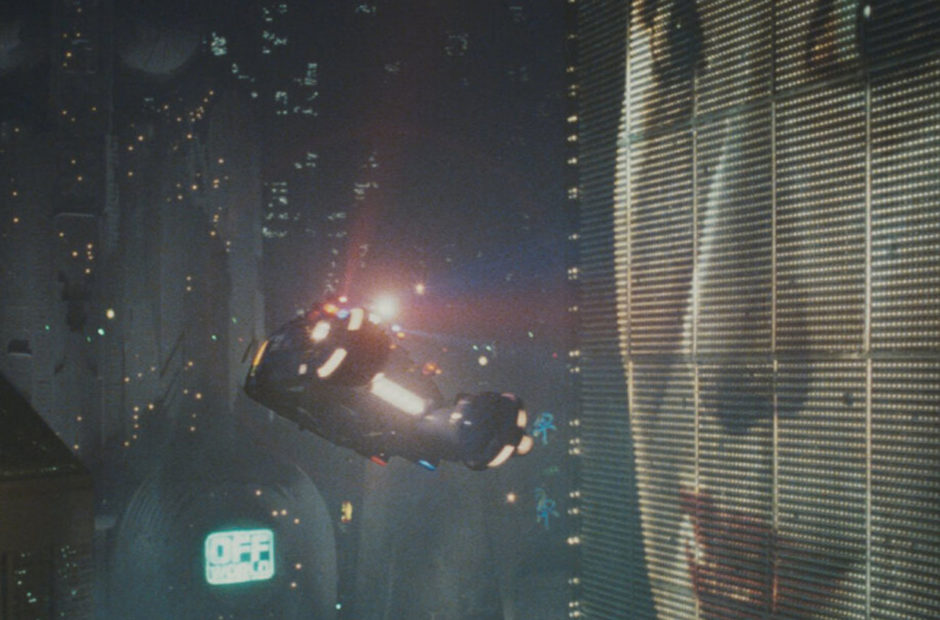
Blade Runner is probably the most famous example of how dramatically alternate versions can affect a film. Its 1982 U.S. theatrical release included voice-over narration by Harrison Ford and a more optimistic ending that were added after difficult test screenings. Later versions removed those elements and made other changes, with Ridley Scott eventually supervising Blade Runner: The Final Cut in 2007.
The complicated history of Blade Runner also illustrates why “director’s cut,” “extended edition,” “unrated cut,” and “special edition” should not be treated as interchangeable terms. They can describe very different reasons for revisiting a movie.
Quick Answer: What Is a Director’s Cut?
A director’s cut is an alternate version of a movie edited or approved to more closely reflect the director’s preferred version of the film. It may include footage removed from the theatrical release, but it can also remove material, change editing choices, restore alternate scenes, or make other creative adjustments.
| Version | What It Usually Means |
|---|---|
| Theatrical cut | The version originally released in theaters |
| Director’s cut | A version intended to reflect the director’s preferred edit |
| Extended edition | A longer version containing additional footage |
| Unrated cut | A version not submitted to the ratings board in that form |
| Special edition | A broad marketing term that may involve a new edit, restoration, effects changes, or simply new bonus material |
| Final cut | A label generally used to identify a filmmaker’s definitive version |
These labels are useful, but there is no universal naming system governing every home-video release. Studios and filmmakers have used the terminology differently over the years, which is why collectors often need to research exactly what a particular edition contains.
Why Do Director’s Cuts Exist?
The version of a movie released in theaters is not always the version its director originally wanted.
Filmmaking is collaborative, expensive, and heavily influenced by practical considerations. Studios may want a shorter runtime so theaters can schedule additional screenings each day. Test audiences may respond poorly to particular scenes or endings. Ratings concerns can lead to changes in violence, sexuality, or language, while producers and directors may simply disagree about pacing, tone, characterization, or how much information an audience needs.
Not every deleted scene is evidence of a battle between a filmmaker and a studio. Directors routinely shoot far more material than appears in the finished movie, and the editing process is partly about discovering which scenes are actually necessary. Material that looked essential on the page can prove redundant once the movie is assembled, while a favorite scene may disappear because the story simply moves better without it.
Other productions involve much more significant disagreements over the final version.
Blade Runner became the most famous example because its theatrical release reflected concerns about whether audiences would understand or accept the movie. The added narration explained parts of the story more directly, while the altered ending sent Deckard and Rachael away from Los Angeles on a surprisingly hopeful note. Later versions removed both choices and restored the ambiguity that became central to the film’s reputation.
Home video eventually gave filmmakers and studios a practical reason to revisit movies after their theatrical runs. An alternate version could restore creative choices that had been abandoned during production while also giving audiences a reason to purchase a film they may already have seen.
A Director’s Cut Is Not Always Longer

One of the most persistent misconceptions about director’s cuts is that they are simply theatrical movies with deleted scenes put back in.
Many famous director’s cuts are longer because filmmakers restore character development, subplots, or other material removed to reduce the theatrical runtime. That pattern became so familiar during the home-video era that audiences understandably began treating “Director’s Cut” as another way of saying “Extended Edition.”
Ridley Scott’s Alien provides an excellent counterexample.
When Fox prepared the Alien Quadrilogy DVD collection in 2003, Scott created an alternate version that restored several deleted moments, including material involving Dallas and Brett. Rather than simply inserting the old footage into the existing movie, he also tightened other scenes because the restored material changed the pacing.
The resulting Director’s Cut is slightly shorter than the 1979 theatrical version. More unusually, Scott has indicated that he remained satisfied with the original theatrical edit, making Alien an example where the version carrying the “Director’s Cut” label is neither longer nor necessarily the filmmaker’s preferred way to watch the movie.
That gets to the heart of the terminology. A director’s cut is about editorial choices, not the quantity of footage. Depending on the film, those choices may involve restoring material, removing scenes, adjusting the pacing, or creating an alternate version for home video even when the director was already satisfied with the theatrical release. The words “Director’s Cut” tell you something about the edit, but they don’t tell you whether the movie will be longer or even whether the director considers it an improvement.
Director’s Cut vs. Extended Edition
An extended edition is usually easier to understand because the name primarily promises one thing: the movie contains additional material.
That does not automatically mean the filmmaker considers the longer version superior or definitive. Scenes can be interesting without being necessary, and footage removed for pacing may work perfectly well as supplemental material without improving the finished movie when restored.
Peter Jackson’s extended editions of The Lord of the Rings trilogy are among the most famous examples. They add substantial material involving characters, subplots, and parts of Middle-earth that were shortened or removed for theatrical presentation. The longer versions have become favorites among many fans, but their existence does not retroactively turn the theatrical editions into incomplete movies.
The distinction matters because “extended edition” and “director’s cut” are frequently used as though they mean the same thing. An extended edition emphasizes additional footage, while a director’s cut emphasizes the filmmaker’s editorial choices. A particular release can satisfy both descriptions, but one label does not automatically imply the other.
Director’s Cut vs. Unrated Cut
“Unrated” describes something entirely different.
An unrated cut is a version of a movie that was not submitted to the Motion Picture Association for a rating in that particular form. It may restore violence, sexuality, language, or other material changed to secure a desired theatrical rating, but the label itself does not tell you what was added or why.
During the DVD boom, studios discovered that “Unrated” was also an extremely effective marketing term, particularly for horror movies and comedies. Packaging frequently suggested that viewers were receiving material too extreme for theaters, even when the differences between versions were relatively modest.
Some unrated editions genuinely restore substantial material removed because of ratings concerns. Others add alternate jokes, slightly longer scenes, or footage that has little effect on the overall movie. Most importantly, the director does not necessarily have any involvement in preparing the unrated version.
A director’s cut and an unrated cut can therefore be the same version, but there is no reason to assume they are.
Director’s Cut vs. Special Edition
“Special Edition” may be the least informative label because studios have applied it to almost every conceivable type of rerelease.
A special edition might contain a newly edited version of the movie, restored footage, revised visual effects, remixed audio, or a new restoration. It can also contain exactly the same cut of the movie accompanied by additional commentaries, documentaries, deleted scenes, or other bonus material.
George Lucas famously used the term for the 1997 theatrical rereleases of the original Star Wars trilogy. Those versions incorporated newly created visual effects, revised scenes, additional material, and other changes made with technology unavailable when the films were originally produced.
They demonstrate how broad the label can be. The Star Wars Special Editions were not simply longer cuts, and they were not presented as restorations of versions that Lucas had previously been prevented from releasing. They were revisions of existing movies by a filmmaker who wanted to continue changing his work.
For collectors, “Special Edition” is therefore less a description of a particular type of movie cut than an invitation to find out exactly what is different about that release.
What Is a Final Cut?
“Final Cut” generally suggests that a filmmaker considers a particular version complete or definitive, although the term on a commercial release is still a label rather than a guarantee that nobody will ever revisit the movie again.
Blade Runner: The Final Cut is probably the clearest example. By 2007, audiences had encountered numerous versions of the film, including theatrical edits, an international version, a workprint, and the 1992 Director’s Cut. Scott finally had the opportunity to supervise a new version with extensive control over the editing, restoration, visual corrections, and other details.
Francis Ford Coppola took a somewhat similar approach with Apocalypse Now: Final Cut in 2019. The movie had previously existed in its original theatrical form and the substantially longer Apocalypse Now Redux. Rather than simply choosing between those two extremes, Coppola revisited the material again and created another version that fell between them.
Both examples demonstrate something important about alternate cuts: a filmmaker’s preferences can change. Directors may look at their work differently after ten, twenty, or forty years, which means a later cut can reflect both the original intentions behind a movie and decades of hindsight.
Famous Director’s Cuts That Changed Their Movies
Some alternate cuts make only modest differences, while others have become inseparable from the reputations of the movies themselves.
Blade Runner
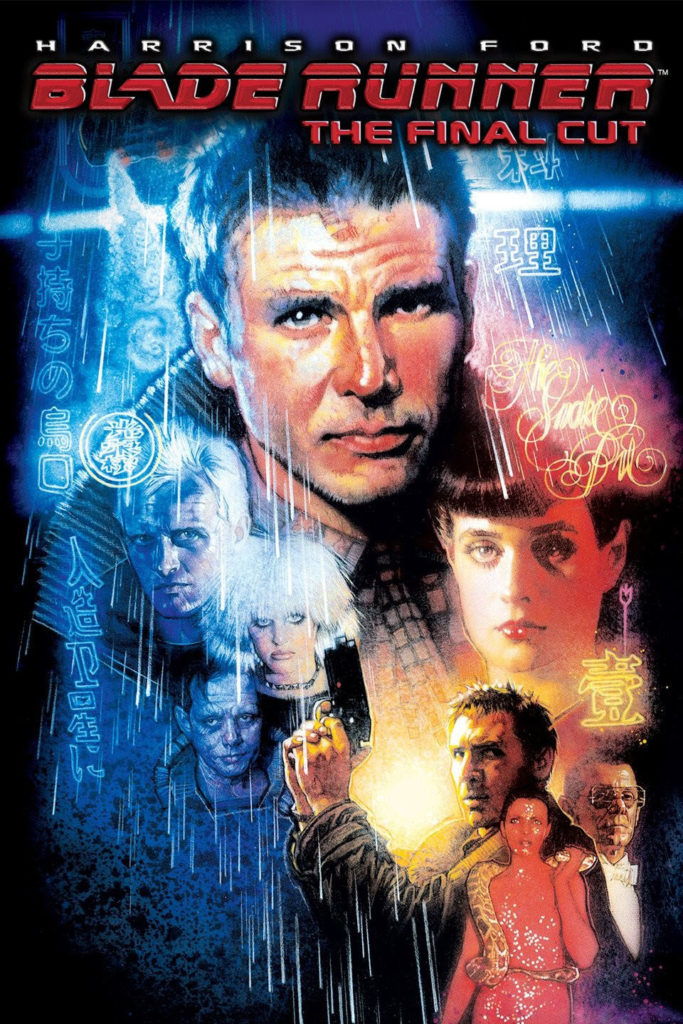
Few movies are more closely associated with alternate versions than Blade Runner.
The 1982 U.S. theatrical release contained Harrison Ford’s explanatory voice-over and an optimistic ending that significantly affected the movie’s tone. Later versions removed those elements, restored the unicorn sequence, and increased the ambiguity surrounding Deckard and the possibility that he might be a replicant.
The 2007 Final Cut gave Scott considerably more control over the finished version and corrected technical issues that had survived in earlier edits. Today, it is commonly treated as the definitive version, although the existence of so many cuts has made comparing them part of the experience of studying the film.
Kingdom of Heaven
Scott’s Kingdom of Heaven became one of the strongest arguments for director’s cuts during the DVD era because the differences go well beyond a few restored scenes.
The 2005 theatrical release significantly shortened the story, removing character development and relationships that helped explain motivations throughout the film. The Director’s Cut restored roughly 45 minutes of material and gave several characters considerably more depth.
Its reputation improved substantially as audiences discovered the longer version on home video. Kingdom of Heaven is therefore one of the cases where choosing the cut can dramatically affect someone’s first impression of the movie rather than simply provide a few additional scenes for established fans.
Superman II: The Richard Donner Cut
Superman II represents a very different kind of alternate version.
Richard Donner filmed substantial portions of the sequel while making the original Superman, but he was removed from the production before completing it. Richard Lester took over and filmed additional material, resulting in the version released theatrically in 1980 and 1981.
Decades later, surviving footage from Donner’s production was assembled into Superman II: The Richard Donner Cut, released on home video in 2006. Because Donner never completed all of the material necessary for his original version, the project required editors to construct the closest practical approximation using available footage, screen tests, and material completed under Lester.
That makes it something more unusual than a conventional director’s cut. It offers audiences a glimpse of a version of Superman II that otherwise never had the opportunity to exist.
Alien
Alien deserves inclusion because it challenges so many assumptions about what the label means.
Scott’s 2003 Director’s Cut restored material while trimming other portions of the movie, resulting in a slightly shorter alternate edit. The theatrical version was not a compromised film that Scott spent decades trying to correct, and he has continued to speak favorably about the original cut.
For viewers, that makes the Director’s Cut particularly interesting as a comparison. Rather than presenting an obviously more complete version, it demonstrates how changing relatively small editorial decisions can alter the pacing of a movie that was already considered finished.
Is the Director’s Cut Always Better?
No, and treating every director’s cut as an automatic upgrade ignores why movies are edited in the first place.
A restored subplot may provide additional information while slowing the story. A longer scene may deepen a character without contributing enough to justify its effect on the pacing. An alternate ending can reflect the filmmaker’s original intention while still being less satisfying to some viewers than the theatrical version.
The theatrical cut is also usually the result of collaboration among directors, editors, producers, actors, composers, and many other people. Studio interference certainly happens, but the existence of studio notes does not mean every change imposed during post-production damaged the movie.
There are cases such as Kingdom of Heaven where an alternate cut has been widely praised for addressing significant problems with the theatrical version. There are others, such as Alien, where the theatrical release remains an excellent and director-approved way to experience the film.
The useful question is therefore not whether director’s cuts are inherently better, but what the alternate version changes and whether those changes improve the movie for you.
Why Director’s Cuts Became So Important on Home Video
Alternate cuts existed long before DVD, but home video turned them into a major part of movie collecting.
LaserDisc helped establish a market for elaborate editions containing commentaries, archival material, deleted footage, and alternate versions. DVD dramatically expanded that audience because studios discovered that people would purchase movies they already owned when a new edition offered substantial additional material.
Director’s cuts were particularly well suited to that market. They gave studios something more compelling to advertise than improved packaging while giving filmmakers an opportunity to revisit work that might have been compromised or simply reconsidered since its theatrical release.
The format also allowed audiences to compare versions in ways that had previously been difficult. A collector could own the theatrical and director’s cuts of the same movie, watch them back to back, and see exactly how editing choices changed the story.
Blu-ray and 4K UHD have continued that tradition. Boutique labels frequently include multiple cuts on the same release, preserving theatrical, international, extended, television, and director-approved versions rather than deciding that one should replace all the others.
For collectors, that preservation can be as important as improved picture and sound. Different cuts document the history of a movie, including decisions made during production, compromises made for theatrical release, and ways filmmakers reconsidered their work years later.
Which Version Should You Watch First?
For most movies, the theatrical cut remains the most logical starting point because it is the version contemporary audiences originally saw and the version that established the film’s initial reputation. Seeing it first also provides useful context if you later watch an alternate edit.
There are exceptions. Kingdom of Heaven is frequently recommended in its Director’s Cut because the restored material has such a significant effect on the characters and story. Someone primarily interested in seeing Scott’s preferred version of Blade Runner can also reasonably begin with the Final Cut without working through the movie’s complicated release history.
For films with substantially different versions, watching more than one cut can be worthwhile even when you already know which one you prefer. Editing is one of the easiest filmmaking disciplines to overlook precisely because successful editing is designed not to draw attention to itself. Alternate cuts provide a rare opportunity to see how the same performances, sets, cinematography, and basic story can produce noticeably different movies depending on what happens in the editing room.
Frequently Asked Questions About Director’s Cuts
What does director’s cut mean?
A director’s cut is an alternate version of a movie intended to more closely reflect the director’s editorial choices. Depending on the film, it may add, remove, reorder, or alter material from the theatrical release.
Is a director’s cut always longer?
No. Ridley Scott’s 2003 Director’s Cut of Alien is slightly shorter than the theatrical version because Scott restored some footage while tightening other parts of the movie.
Is a director’s cut always the director’s preferred version?
Not necessarily. Scott has indicated that he was already satisfied with the theatrical version of Alien, despite later creating an alternate version marketed as the Director’s Cut.
What is the difference between a director’s cut and an extended edition?
A director’s cut emphasizes the director’s editorial choices, while an extended edition primarily indicates that additional footage has been included. A particular version can be both, but the terms do not mean the same thing.
What is the difference between a director’s cut and an unrated cut?
An unrated cut is a version that was not submitted to the ratings board in that form. It may contain material removed for ratings reasons, but it does not necessarily represent the director’s preferred edit.
Why are there so many versions of Blade Runner?
Blade Runner went through theatrical, international, workprint, director’s cut, and final cut versions as decisions involving narration, the ending, the unicorn sequence, and other creative elements were reconsidered over several decades. Ridley Scott ultimately supervised Blade Runner: The Final Cut in 2007.
Is the director’s cut always better?
No. Some alternate cuts substantially change or improve a movie, while others simply provide a different version. Whether a director’s cut is better depends on what was changed and what an individual viewer prefers.
Final Thoughts on Director’s Cuts
A director’s cut is best understood as another version of a movie rather than an automatic replacement for the theatrical release. The reasons for creating one can range from restoring material removed because of studio demands to giving a filmmaker the opportunity to reconsider editorial decisions years after the original release.
The most interesting examples also demonstrate how much of a movie is created in the editing room. Blade Runner can feel different without changing its central story, while Kingdom of Heaven gains character and narrative material substantial enough to alter how many viewers evaluate the entire film. Alien, meanwhile, demonstrates that revisiting a movie does not necessarily mean making it longer or correcting something the director believed was wrong.
That history is also why alternate cuts have become such an important part of physical media collecting. When a Blu-ray or 4K release preserves several versions instead of replacing one with another, it preserves part of the movie’s history along with the movie itself.
More Movie and Physical Media Reading
Alternate cuts are only one reason movies can change long after leaving theaters. These guides dig further into how films are released, restored, and preserved.