Today, almost every movie is available whenever you want to watch it.
Streaming services release new films at midnight. Physical media arrives on store shelves. Digital rentals appear with a few clicks. If a movie develops a following, people can usually find it without much effort.
For much of the twentieth century, that wasn’t true.
If an unusual movie failed during its original theatrical run, it often disappeared. There was no streaming service waiting to rescue it, no Blu-ray release a few months later, and no social media to spread recommendations around the world overnight. A film that didn’t connect with audiences quickly could simply vanish.
Then some theaters discovered something unexpected.
There was an audience for movies that didn’t fit comfortably into the mainstream. Strange movies. Challenging movies. Movies that critics argued about and studios didn’t quite know how to sell. Instead of giving those films another chance during the evening, theaters began showing them after the regular schedule had ended.
The midnight movie was born.
Over time, those late-night screenings became more than another showtime on the schedule. They became gathering places for movie lovers looking for experiences they couldn’t find anywhere else. Audiences returned week after week, introduced friends to favorite discoveries, and transformed films like The Rocky Horror Picture Show, Eraserhead, and Pink Flamingos into cultural landmarks that far outlived their original theatrical releases.
If cult classics are defined by the audiences that embrace them, midnight movies explain how many of those audiences first came together.
Quick Answer: What Is a Midnight Movie?
A midnight movie is a film that develops an audience through regular late-night theatrical screenings. While many midnight movies eventually become cult classics, the terms are not interchangeable. A midnight movie describes how a film is exhibited. A cult classic describes the relationship that develops between the movie and its audience.
| Characteristic | Typical of a Midnight Movie? |
|---|---|
| Regular late-night theatrical screenings | Yes |
| Repeat audiences | Yes |
| Word-of-mouth popularity | Yes |
| Audience participation | Sometimes |
| Eventually becomes a cult classic | Often, but not always |
| Originally a major Hollywood hit | Usually not |
The distinction matters because the two phrases are often used as though they mean the same thing.
They don’t.
A movie can become a cult classic without ever being a midnight movie. Likewise, a theater can schedule midnight screenings without creating a lasting cultural phenomenon. The greatest midnight movies managed to do both, using those late-night screenings to build the kind of passionate audience that kept returning long after their original theatrical runs should have ended.
How the Midnight Movie Was Born
Although theaters had been reviving older films for decades, the modern midnight movie movement is generally traced to New York City in the early 1970s.
The timing was almost accidental.
Independent theaters often had empty auditoriums after the final evening showing. Rather than let those screens sit unused until the next afternoon, some owners began experimenting with late-night screenings of unusual films. The financial risk was relatively small because the theater was already open, and the movies being shown had often completed their initial theatrical runs or were available at modest rental costs.
At first, these screenings attracted small audiences made up largely of students, artists, musicians, and film enthusiasts looking for something different from mainstream Hollywood entertainment.
That audience proved to be remarkably loyal.
Instead of treating these films as one-time experiences, people came back repeatedly. They brought friends. They debated interpretations afterward over coffee or breakfast. Certain screenings developed regular crowds that knew one another almost as well as they knew the movies themselves.
The social experience became just as important as the films.
Watching a midnight movie wasn’t simply about seeing something unusual.
It was about seeing it with people who appreciated its oddities as much as you did.
El Topo Changed Everything
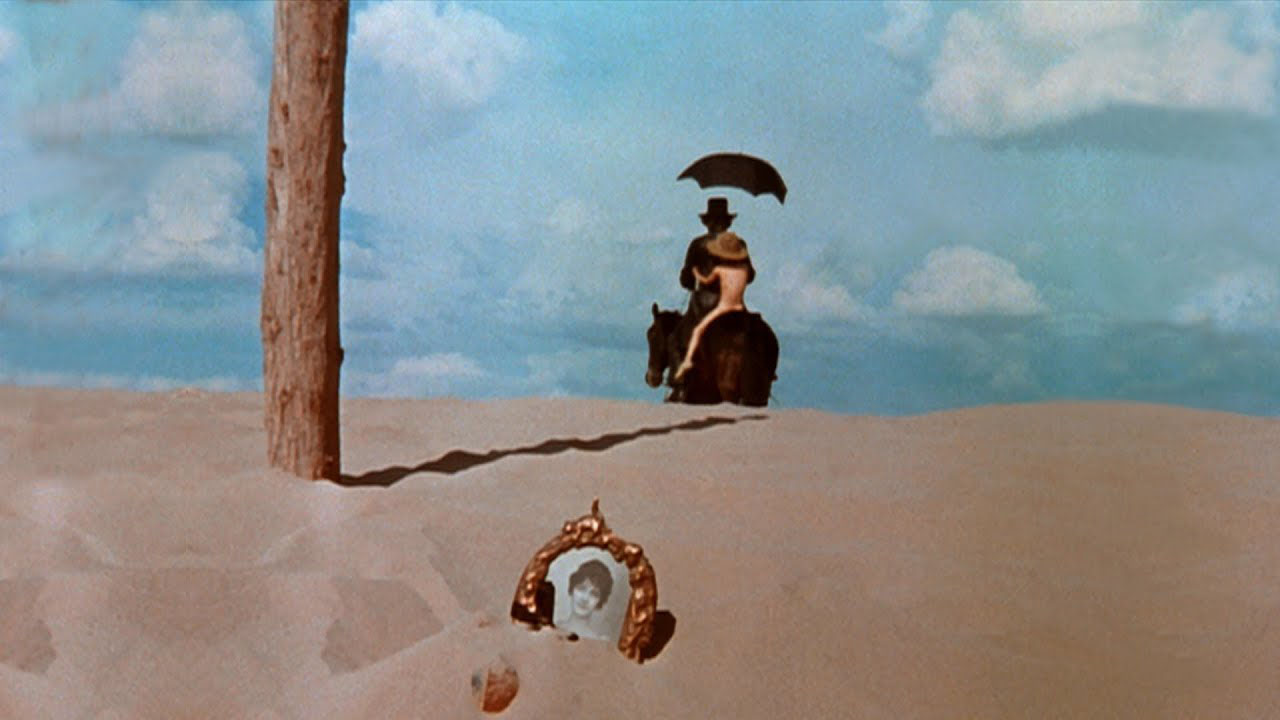
Most film historians point to Alejandro Jodorowsky’s El Topo as the movie that demonstrated what midnight screenings could become.
Released in 1970, the surreal western bewildered many viewers with its symbolic storytelling, dreamlike imagery, religious themes, and startling violence. It was never designed to appeal to the broadest possible audience, and it certainly didn’t resemble the traditional Hollywood westerns moviegoers expected.
That turned out to be its greatest strength.
When El Topo began playing regular midnight screenings at the Elgin Theater in New York City, audiences started returning again and again. Word spread through the city’s counterculture, helped along by enthusiastic supporters that reportedly included John Lennon and Yoko Ono. The movie became less of a theatrical release and more of an event that people felt compelled to experience for themselves.
Hollywood noticed.
The success of El Topo demonstrated that a movie did not need to appeal to everyone in order to become financially successful. If it connected deeply enough with a smaller audience, that audience could sustain a theatrical run far longer than anyone expected.
It was a lesson that independent theaters would continue applying throughout the decade, giving a home to movies that conventional distribution might otherwise have left behind.
The Movies That Defined the Midnight Movie
Once theaters realized there was an audience for unconventional films, the midnight movie became a home for works that might never have survived through traditional theatrical distribution.
Some challenged audiences intellectually. Others shocked them. A few became communal experiences unlike anything else in cinema.
Each helped shape what the midnight movie would become.
Pink Flamingos (1972)
If El Topo proved that midnight screenings could attract an audience, John Waters’ Pink Flamingos proved that almost anything could become a midnight movie if it found the right audience.
Deliberately offensive, proudly transgressive, and determined to test the limits of good taste, Pink Flamingos became a favorite of late-night crowds precisely because it offered an experience that mainstream theaters simply were not providing. It was the sort of movie people insisted their friends had to see, if only to believe it actually existed.
Whether viewers loved it or hated it almost became secondary.
The important thing was that people talked about it.
The Rocky Horror Picture Show (1975)
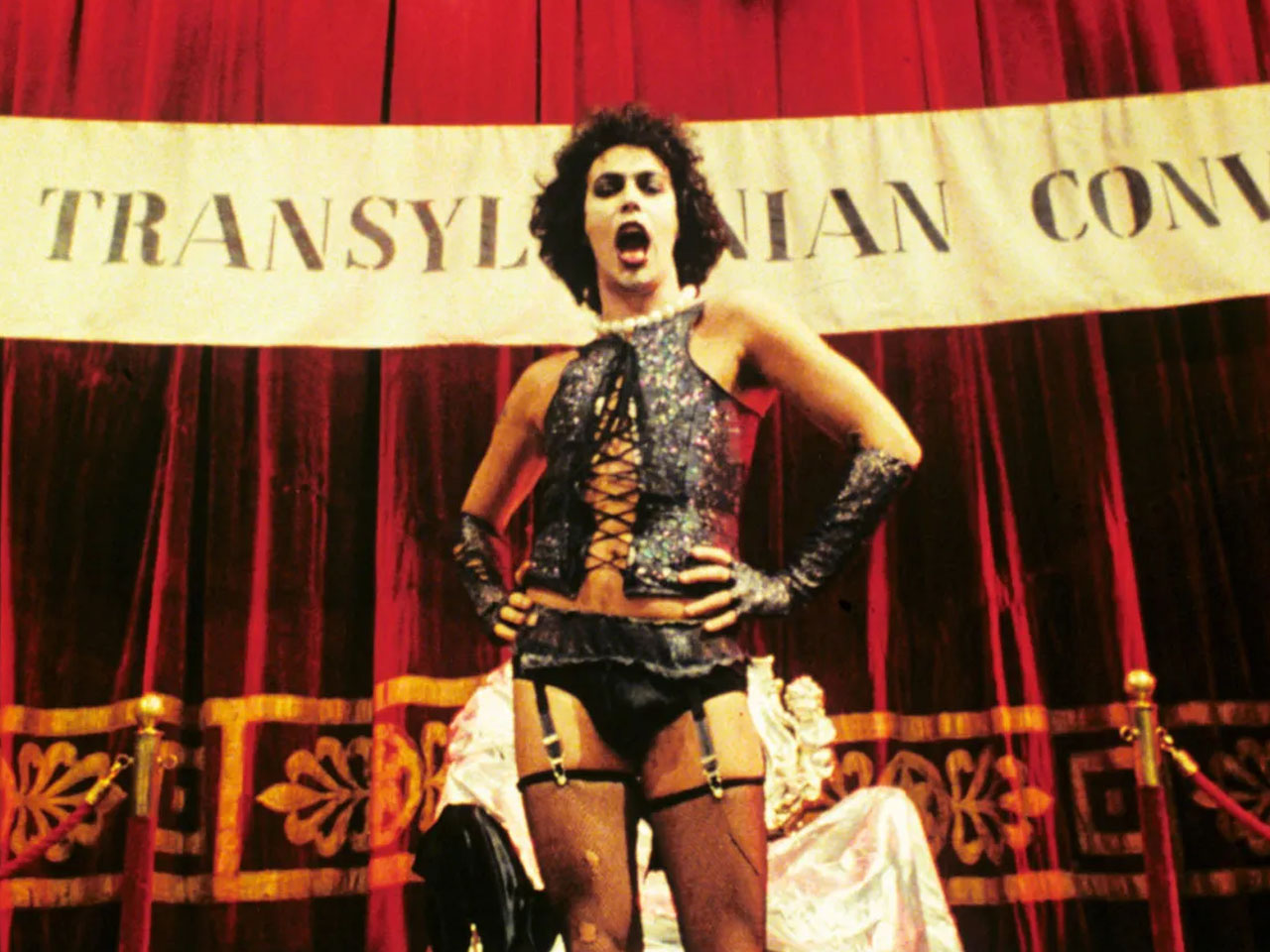
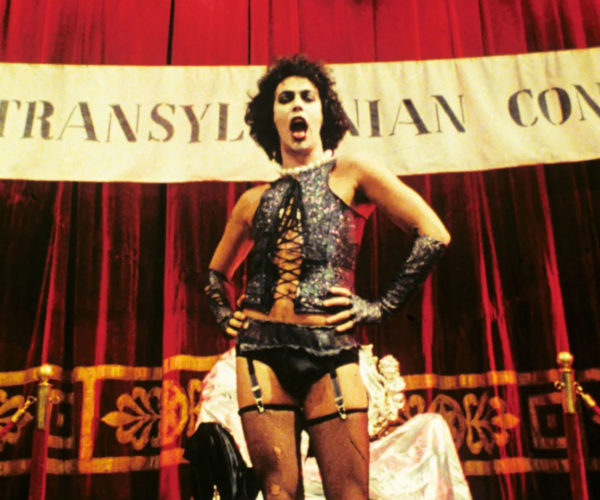
No movie is more closely associated with midnight screenings than The Rocky Horror Picture Show.
Ironically, it was not an immediate success.
After an underwhelming initial theatrical run, the film gradually found new life through midnight screenings, where audiences began interacting with the movie in ways that no one involved in its production could have anticipated.
Fans dressed as the characters. They shouted responses to dialogue. They threw props at carefully timed moments. Entire casts began performing in front of the screen while the movie played behind them.
Eventually, attending The Rocky Horror Picture Show became less about watching the movie than participating in a tradition.
Nearly fifty years later, that tradition continues.
For many people, Rocky Horror is not simply the most famous midnight movie.
It is the movie that defines the entire concept.
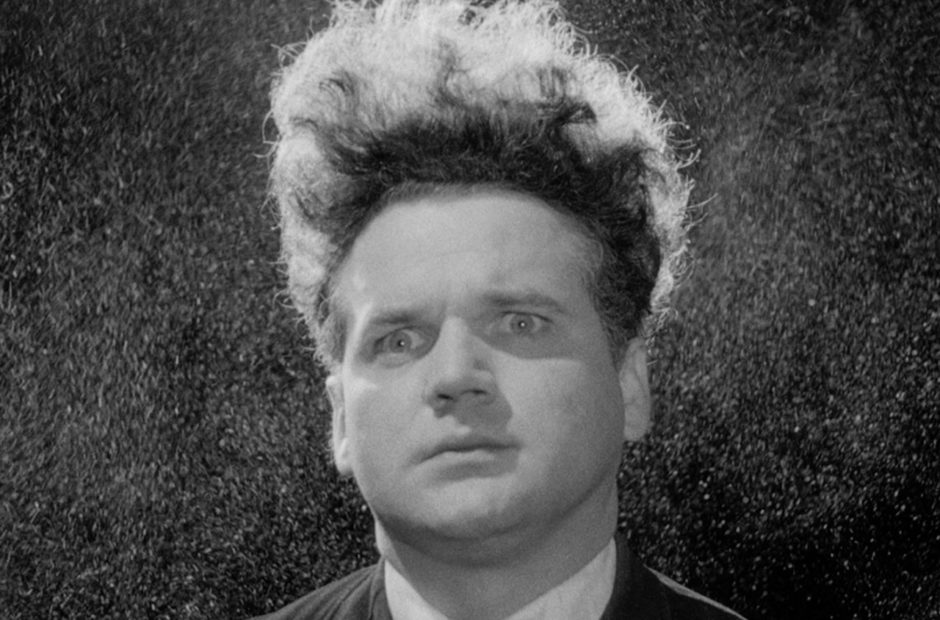
Eraserhead (1977)
David Lynch’s Eraserhead demonstrated that a midnight movie did not have to rely on audience participation or outrageous humor.
Its black-and-white industrial nightmare unfolds more like a dream than a conventional narrative, inviting viewers to interpret its symbolism rather than providing straightforward answers. That ambiguity encouraged repeat viewings as audiences searched for new meanings and debated what they had seen.
The movie became a fixture of midnight screenings because it rewarded curiosity. One viewing rarely felt like enough, and discussing the film afterward became almost as important as watching it.
Many of Lynch’s later works would inspire similar conversations, but Eraserhead established the qualities that made him one of America’s most distinctive filmmakers.
Why Audience Participation Became Part of the Experience
Not every midnight movie involved shouting at the screen, wearing costumes, or throwing props.
Those traditions are closely associated with The Rocky Horror Picture Show because its audience embraced participation more enthusiastically than any other film’s. Most midnight movies were simply watched, discussed, and recommended.
Even so, the atmosphere inside those theaters was different from an ordinary movie screening.
People laughed more freely.
They applauded favorite scenes.
They reacted to moments they knew were coming.
Many had already seen the movie several times and enjoyed introducing newcomers to an experience they remembered discovering themselves.
That shared enthusiasm created a sense of community that was difficult to duplicate during a standard theatrical showing. Instead of a room full of strangers quietly watching the same movie, midnight screenings often felt like gatherings of people who already shared a common language.
The audience became part of the entertainment, even when they never spoke a word.
Home Video Changed the Midnight Movie Forever
By the early 1980s, another revolution was beginning.
VHS gave audiences the ability to discover unusual movies without waiting for a local theater to schedule them.
A college student no longer needed a repertory cinema showing Eraserhead at midnight. A neighborhood video store might have a copy sitting on the shelf. Cable television added another path to discovery, introducing late-night viewers to movies they had never encountered during their original theatrical releases.
That shift did not kill the midnight movie.
It changed its purpose.
Instead of serving as the primary way audiences discovered these films, midnight screenings increasingly became celebrations for people who already loved them. The community remained. The path that brought people into it became much broader.
The arrival of DVD, Blu-ray, and eventually streaming accelerated that transformation even further. Today, almost anyone can watch many famous midnight movies at home.
What cannot be duplicated quite as easily is the feeling of sitting in a crowded theater at midnight, surrounded by people who know exactly why everyone else is there.
What’s the Difference Between a Midnight Movie and a Cult Classic?
The two terms are closely related, which explains why they are so often confused.
A midnight movie describes how a film found its audience.
A cult classic describes the relationship that audience eventually developed with the movie.
During the 1970s and 1980s, the two ideas frequently overlapped. Midnight screenings gave unusual films an opportunity to build loyal audiences, and those audiences often transformed the movies into cult classics.
That does not mean every cult classic was a midnight movie.
Many films found devoted fans through home video, cable television, DVD, or streaming without ever becoming staples of the midnight circuit. Likewise, not every movie that received regular midnight screenings developed the lasting reputation associated with cult cinema.
The easiest way to think about it is this:
| Midnight Movie | Cult Classic |
|---|---|
| A style of theatrical exhibition | A type of audience following |
| Usually shown during late-night screenings | Can be discovered anywhere |
| Focuses on where and when audiences watched | Focuses on how audiences embraced the movie |
| Often leads to cult status | Does not require midnight screenings |
If you’d like to learn more about what separates cult classics from other movies, we’ve put together a companion guide explaining exactly how films earn that label.
Do Midnight Movies Still Exist?
Yes, although they play a different role than they did fifty years ago.
Theaters around the country still host midnight screenings of films like The Rocky Horror Picture Show, and many independent cinemas continue programming late-night events devoted to horror, science fiction, animation, and other audience favorites.
What has changed is the way people discover those movies.
During the height of the midnight movie movement, a late-night screening might be the only practical opportunity to see an unusual film. Today, many of those same movies are available through streaming services, physical media, digital rentals, or specialty repertory releases.
As a result, modern midnight screenings tend to function less as introductions and more as celebrations. Audiences often arrive already familiar with the movie, looking to share the experience with other fans rather than seeing it for the first time.
The tradition has changed.
The enthusiasm behind it has not.
Frequently Asked Questions About Midnight Movies
What was the first midnight movie?
Many film historians credit El Topo with launching the modern midnight movie movement through its successful late-night screenings at New York’s Elgin Theater in the early 1970s.
What is the most famous midnight movie?
The Rocky Horror Picture Show is almost certainly the best-known example. Its audience participation, costumes, props, and decades of continuous midnight screenings have made it synonymous with the midnight movie experience.
Are midnight movies always cult classics?
No. Many midnight movies became cult classics, but the terms describe different things. A midnight movie refers to the exhibition of a film through late-night screenings, while a cult classic refers to the devoted audience that develops around it.
Why were midnight screenings so popular?
They gave audiences an opportunity to discover unusual films that were unlikely to succeed in mainstream theatrical distribution. Just as importantly, they created a shared experience that encouraged repeat viewings and enthusiastic word of mouth.
Do theaters still have midnight movies?
Yes. Independent theaters, repertory cinemas, and special events continue to host midnight screenings, although they are generally less common than they were during the 1970s and 1980s.
Final Thoughts
The midnight movie was never really about the hour on the marquee.
It was about creating a place where unusual movies could find the audiences that understood them.
Some of those films went on to become classics of independent cinema. Others remained wonderfully strange curiosities that continue attracting adventurous viewers decades after their original release. Nearly all of them owe part of their legacy to theater owners willing to try something different and audiences willing to stay out a little later than usual.
Streaming has made discovering unconventional movies easier than ever, but it has not replaced the experience of sitting in a crowded theater where everyone has gathered for the same wonderfully odd reason.
That experience helped shape modern film culture, and its influence can still be seen every time a forgotten movie finds new life because one enthusiastic viewer convinces another to give it a chance.
More Cult Film Reading
Want to explore more of the movies that built devoted audiences over the years? These guides are a great place to start.
Fun Jug Media, LLC (operating TheNerdy.com) has affiliate partnerships with various companies. These do not at any time have any influence on the editorial content of The Nerdy. Fun Jug Media LLC may earn a commission from these links.