Television writers can plan character arcs months or even years in advance, but sometimes the audience, an actor’s performance, or simple chemistry has other ideas. A character created to fill a small role suddenly becomes impossible to ignore, and the writers discover they have something considerably more valuable than they expected.
Some of television’s most recognizable characters began that way. They were guest stars, temporary villains, supporting players, or characters who were literally supposed to die. Instead, performances clicked, audiences responded, and plans changed.
For this list, simply becoming popular isn’t enough. These characters need a documented history showing that their eventual importance substantially exceeded what was envisioned when they were introduced. We’re looking at characters whose roles expanded so dramatically that removing them from our memories of their shows is almost impossible, even though the original plans sometimes called for them to disappear after only a few episodes.
The results include characters who became series leads, characters who survived planned deaths, and several who became so important that they remained central to their shows all the way through the finale. One even received his own spinoff that ultimately lasted as long as the series that created him.
Here are 12 TV characters who were never supposed to become so important.
Fonzie – Happy Days
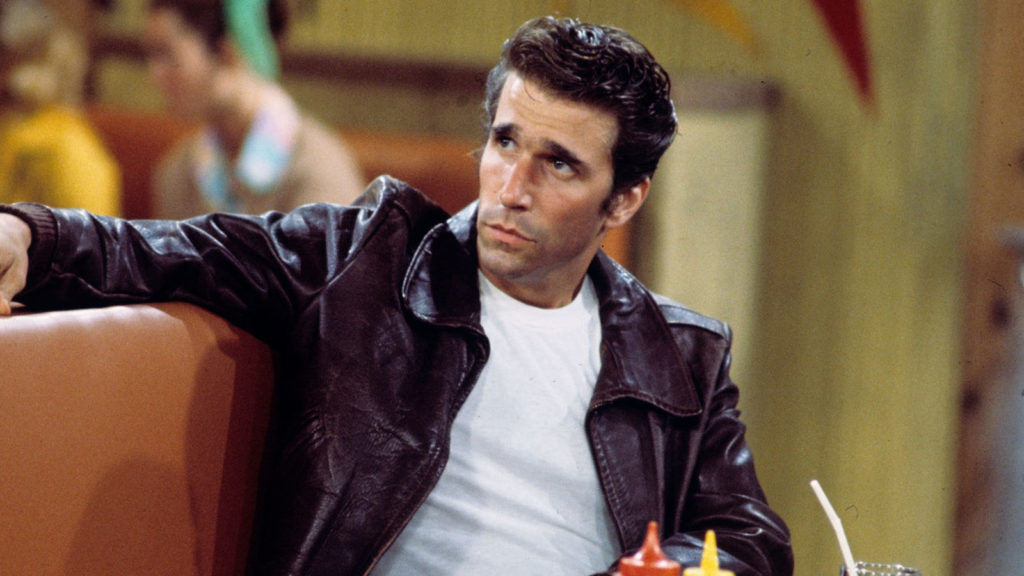
Arthur Fonzarelli is so closely associated with Happy Days that it’s difficult to imagine a version of the series where he isn’t one of its defining characters. That’s essentially how the show began. Happy Days was centered on Richie Cunningham and his family and friends, while Henry Winkler’s leather-jacketed biker was originally a much smaller supporting presence.
What was originally planned
Fonzie wasn’t even part of the earlier version of the Happy Days pilot produced for Love, American Style. Creator Garry Marshall later added the character because he wanted someone from the other side of the tracks to contrast with Richie and his comparatively wholesome world.
When the series reached ABC in 1974, Fonzie remained secondary. The Television Academy’s history of the show notes that he was originally fifth-billed, while Winkler has described how small the part was during the show’s early days.
The audience quickly had other ideas.
How important he became
Fonzie’s popularity exploded, and his presence on the show expanded with it. He became one of Richie’s closest friends and eventually an unofficial member of the Cunningham family, while stories increasingly revealed vulnerabilities underneath the seemingly invincible cool guy.
ABC eventually became so interested in Fonzie’s popularity that there were discussions about renaming the series Fonzie’s Happy Days. Winkler opposed the idea, believing it would disrespect the rest of the ensemble and damage the relationships that made Fonzie work in the first place. By 1980, however, the character who had started fifth on the call sheet had reached top billing.
His cultural impact extended far beyond the series. The leather jacket, thumbs-up gesture, “Ayyyy,” and ability to start a jukebox with a strategically placed hit became inseparable from the popular image of Happy Days. Fonzie became such a symbol of cool that the character remains recognizable decades after the series ended.
That is an extraordinary outcome for someone who was initially there to provide Richie Cunningham with a friend from the other side of the tracks. Happy Days may have been created around Richie, but television audiences helped make Fonzie the character generations would remember.
Where to watch: Check current streaming availability; sold on physical media and digitally.
Frasier Crane – Cheers
Frasier Crane eventually accumulated 20 seasons as a regular character across Cheers and Frasier, followed decades later by another two seasons when Paramount Plus revived his solo series. That’s an extraordinary television lifespan for a character introduced largely because Cheers needed someone to complicate Sam and Diane’s relationship.
What was originally planned
Frasier arrives during the third season of Cheers as Diane’s psychiatrist and new romantic interest. The character was designed as an obstacle between Diane and Sam rather than a permanent addition to the bar. Kelsey Grammer was initially brought aboard for a relatively short run, with Frasier’s usefulness seemingly destined to end once the romantic storyline had run its course.
The character could easily have become the sort of temporary boyfriend television audiences never saw again. Instead, Grammer’s performance gave Frasier a comic identity beyond simply being the man standing between Sam and Diane. His intelligence, pomposity, insecurity, and increasing inability to remain above the ridiculous behavior at Cheers made him useful in combinations that had nothing to do with the original love triangle.
One of the keys was allowing Frasier to become ridiculous. The character could enter a scene as the educated psychiatrist who seemingly considered himself more sophisticated than everyone else in the bar, only to suffer humiliations every bit as absurd as theirs. At one point, a bitter Frasier explains that missing a soccer ball and falling down has become known as “a Frasier,” while getting knocked unconscious in the process is “a Frasier Crane.” The character was funniest not when his intelligence disappeared, but when all that intelligence gave him the vocabulary to understand precisely how badly things had gone for him.
How important he became
Frasier remained after his relationship with Diane collapsed and gradually became part of the core ensemble. His marriage to Lilith Sternin generated another major source of stories, while his friendships with Sam and the other regulars transformed him from an outsider who happened to visit Cheers into someone who clearly belonged there.
By the time Cheers ended in 1993, Frasier had been part of the series for nine seasons. NBC and the producers then faced the question of which character could support a spinoff, and the temporary romantic complication received an entirely new life.
Frasier moved him from Boston to Seattle, introduced his father Martin and brother Niles, and built a new ensemble around his career as a radio psychiatrist. The spinoff ran for 11 seasons and 264 episodes, matching the 11-season run of Cheers and becoming an acclaimed sitcom in its own right.
The character’s longevity became even more remarkable in 2023 when Grammer returned for a revival of Frasier, once again relocating the character and building a series around a different stage of his life.
Frasier Crane entered Cheers because Sam and Diane needed a complication. Instead of disappearing when that job was finished, he became one of television’s longest-running sitcom characters and the center of a franchise that continued for decades.
Where to watch: Check current streaming availability for Cheers; sold on physical media and digitally.
Steve Urkel – Family Matters
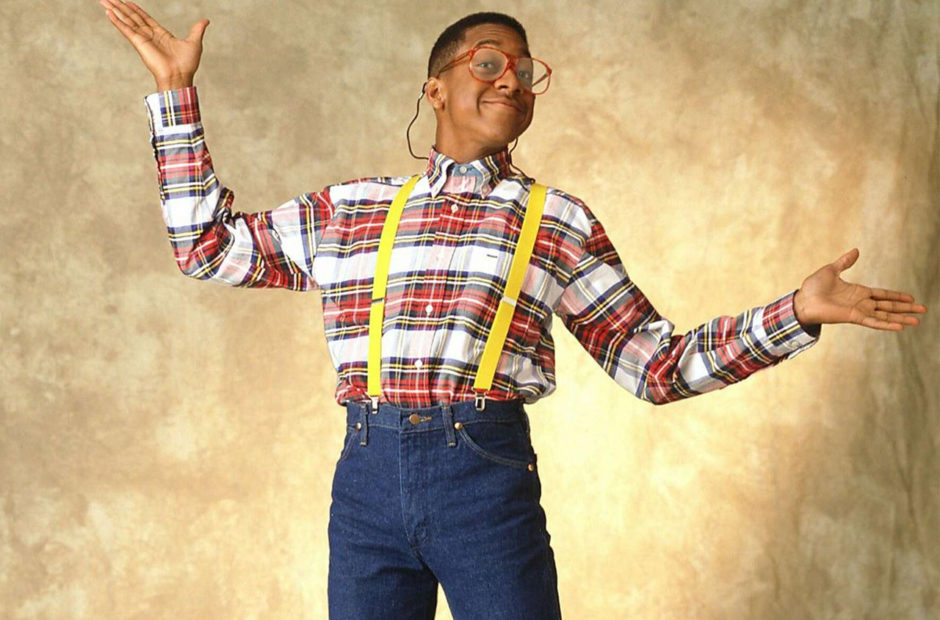
Steve Urkel wasn’t part of Family Matters when the series premiered in 1989. He wasn’t a member of the Winslow family, wasn’t included in the original ensemble, and wasn’t envisioned as the character who would eventually dominate the series. Jaleel White was hired to play an irritating neighbor for what was intended to be a single appearance. The audience response changed everything.
What was originally planned
Urkel first appears midway through the first season as a nerdy classmate with an enormous crush on Laura Winslow. His high-pitched voice, oversized glasses, suspenders, awkward movements, and complete inability to recognize when Laura wants him to leave make him an immediate disruption to the comparatively grounded family sitcom.
White has repeatedly discussed how limited the original commitment was. Urkel was supposed to appear once. There was no long-term character arc waiting for him and certainly no plan to restructure Family Matters around Steve’s relationship with the Winslows.
Viewers responded strongly enough that the producers kept bringing him back.
How important he became
Urkel quickly moved from recurring nuisance to essential character. His pursuit of Laura became one of the show’s longest-running stories, while his relationship with Carl Winslow developed into an equally important part of the series. Carl could be driven nearly insane by Steve while still caring about him, creating a surrogate father-son relationship underneath years of property damage and exasperated cries of “Urkel!”
As Steve became more important, the stories increasingly reflected his peculiar abilities. His scientific inventions pushed Family Matters beyond the boundaries of the domestic sitcom it had originally been. The transformation chamber created Stefan Urquelle, cloning became possible, robots appeared, and Steve eventually traveled into space.
The shift became so dramatic that Family Matters is now difficult to discuss without discussing Urkel. A character who wasn’t present at the beginning became the face of the series, appeared on merchandise, crossed over with other sitcoms, and supplied the catchphrases most closely associated with the show.
There is perhaps no cleaner example of an unexpected breakout character changing the television series around him. Family Matters was created as a vehicle for Harriette Winslow and her family after her appearances on Perfect Strangers. Steve Urkel showed up for one episode and ultimately became the character most people associate with the series.
Did he do that?
Yes. He absolutely did.
Where to watch: Check current streaming availability; sold on physical media and digitally.
Sophia Petrillo – The Golden Girls
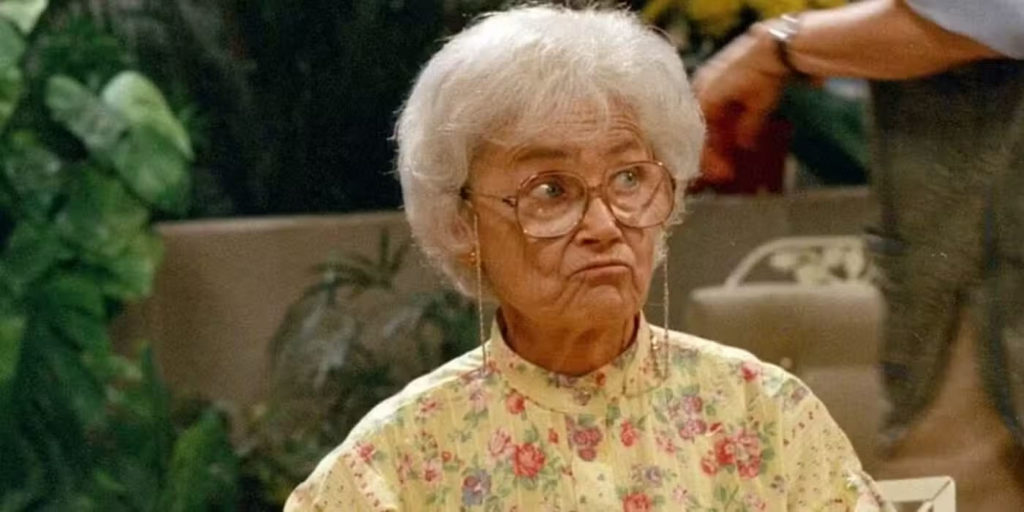
It’s difficult to imagine The Golden Girls without Sophia Petrillo sitting at the kitchen table, telling stories about Sicily and saying whatever Blanche, Dorothy, and Rose were too polite to say themselves. Yet when the series was being developed, Sophia wasn’t intended to occupy the same permanent place in the ensemble as the three women sharing Blanche’s house.
What was originally planned
The original concept centered on Blanche Devereaux, Rose Nylund, and Dorothy Zbornak as three older women sharing a home in Miami. Sophia was Dorothy’s elderly mother, introduced after the retirement home where she lived, Shady Pines, burned down. The character was envisioned as recurring rather than as the fourth member of the central group.
The pilot also included Coco, a gay cook and housekeeper played by Charles Levin. Had the original arrangement continued, Coco would have been part of the household while Sophia could move in and out of stories as Dorothy’s visiting mother.
Estelle Getty made that arrangement difficult to maintain. Sophia’s blunt observations and complete lack of concern about offending anyone gave the show a comic weapon unlike anything provided by the other characters. The character’s stroke was used to explain why Sophia had lost the internal filter that might otherwise stop someone from saying exactly what she thought.
How important she became
Sophia became a regular, while Coco disappeared after the pilot. The series had found its fourth Golden Girl.
Her relationship with Dorothy provided considerably more than insults and stories about Sicily. Sophia could reduce her adult daughter to an embarrassed teenager with a sentence, but their constant arguments existed alongside a deep attachment between them. Dorothy became Sophia’s caregiver while Sophia remained unmistakably Dorothy’s mother, regardless of how old either woman became.
Sophia also developed individual relationships with Rose and Blanche, allowing her to function as more than an extension of Dorothy. Her age gave the series another perspective on friendship, romance, illness, independence, and growing older, while her willingness to discuss virtually anything helped The Golden Girls approach subjects other sitcoms often avoided.
The supposedly recurring character became so valuable that Sophia ultimately outlasted The Golden Girls itself. Getty continued playing her in the sequel series The Golden Palace, made appearances on Empty Nest, and even brought Sophia into an episode of Blossom.
Blanche, Dorothy, and Rose were supposed to be the central trio. Instead, Sophia moved into the house after Shady Pines burned down and became such an essential part of the series that imagining those late-night cheesecake conversations with only three chairs feels wrong.
Where to watch: Check current streaming availability; sold on physical media and digitally.
Garak – Star Trek: Deep Space Nine
When Andrew Robinson arrived on Star Trek: Deep Space Nine to play Elim Garak in “Past Prologue,” he believed he was doing a single guest appearance. Garak was the mysterious Cardassian tailor left behind on a station recently liberated from Cardassian occupation, and his primary purpose was to create an intriguing connection with Dr. Julian Bashir. By the end of the series, that supposedly one-time character had become essential to some of Deep Space Nine‘s most important stories about Cardassia, espionage, war, and morality.
What was originally planned
Garak appears in only the second regular episode of the series, approaching Bashir while the young doctor is eating lunch. Bashir is fascinated by the possibility that the station’s only remaining Cardassian might secretly be a spy, while Garak alternates between encouraging and denying that interpretation without ever providing a straightforward answer.
Robinson has said he initially understood the role to be a one-shot appearance. The producers were effectively trying out the character and his interaction with Bashir, and the chemistry between Robinson and Alexander Siddig immediately suggested there was more to explore.
The writers began bringing Garak back, but they wisely resisted explaining him too quickly. His stories about his past contradict one another, his occupation as a tailor appears simultaneously genuine and absurdly inadequate as an explanation of who he is, and even people who know him well can rarely determine whether he’s telling the truth.
How important he became
As Deep Space Nine expands its Cardassian mythology, Garak becomes one of the series’ most valuable connections to it. His history with the Obsidian Order, complicated relationship with Enabran Tain, exile from Cardassia, and understanding of Cardassian politics allow him to occupy a position no Starfleet character could.
His usefulness becomes particularly apparent during the Dominion War. Garak can do things the Federation’s heroes either cannot or will not do, which makes him essential to stories examining the compromises created by war. “In the Pale Moonlight” depends heavily on precisely that quality. Captain Sisko wants to bring the Romulans into the war while maintaining some semblance of moral control over the operation. Garak understands from the beginning that accomplishing the goal may require methods Sisko doesn’t want to acknowledge.
By the final arc, Garak isn’t merely the station’s mysterious tailor anymore. He returns to Cardassia, joins the resistance against the Dominion, witnesses the devastation of his homeworld, and participates in its liberation. A character introduced partly to give Bashir an enigmatic lunch companion ultimately becomes one of the principal characters through whom the series tells the story of Cardassia itself.
Garak never completely loses the ambiguity that made his first appearance work. Even after seven seasons, there is always another secret, another carefully chosen phrase, and another reason to wonder whether the plain, simple tailor has told anyone the entire truth.
Perhaps he really was just a tailor. After all, Garak would undoubtedly insist that was the truth.
Where to watch: Check current streaming availability; sold on physical media and digitally.
Spike – Buffy the Vampire Slayer
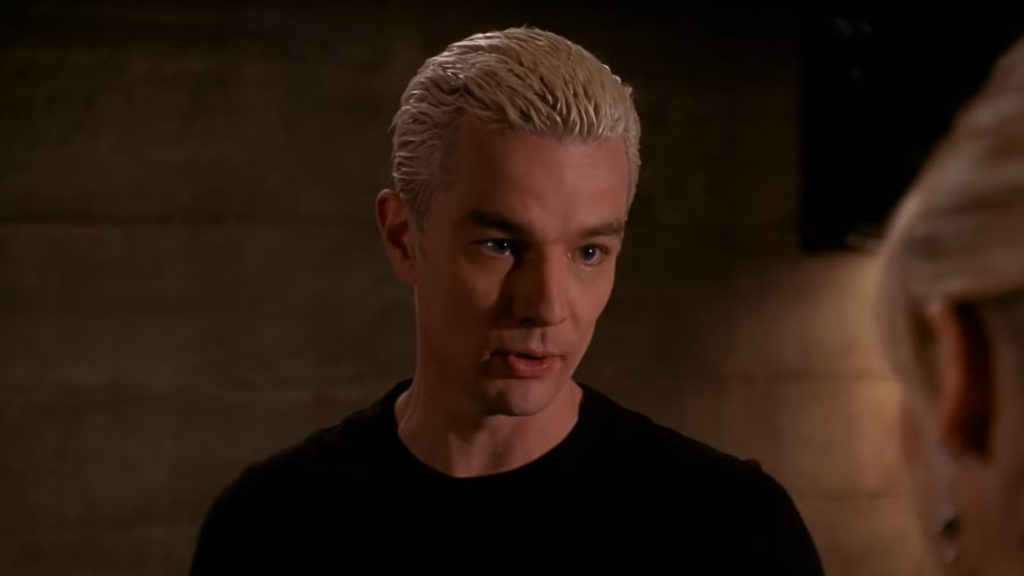
Spike enters Buffy the Vampire Slayer in Season 2 by driving into Sunnydale, knocking down a town sign, and immediately establishing himself as a very different kind of vampire from the villains Buffy had faced before. James Marsters was hired to play a temporary antagonist, and Spike was expected to die after serving his purpose. Instead, he survived long enough to become one of the most important and complicated characters in the Buffyverse.
What was originally planned
Spike and Drusilla arrive in Sunnydale as dangerous new vampires with a history connected to Angel. They provide Season 2 with recurring antagonists while the series builds toward the much larger threat created when Angel loses his soul and becomes Angelus.
Marsters has discussed the original plan bluntly: Spike wasn’t supposed to last. Creator Joss Whedon had conceived vampires largely as representations of the problems Buffy was supposed to overcome, not characters who would remain around indefinitely. Spike was therefore expected to be killed after his storyline had served its purpose.
Instead, Marsters’ performance made Spike difficult to discard. His punk attitude, humor, relationship with Drusilla, and willingness to mock the solemnity surrounding other vampires immediately distinguished him. He could be threatening without losing his ability to make a scene funny, giving the writers considerably more possibilities than a disposable villain normally provided.
How important he became
Spike survives Season 2 and returns repeatedly before becoming a regular character. The writers find ways to alter his relationship with Buffy and the Scooby Gang without suddenly pretending he’s a good person. A government implant prevents him from attacking humans, forcing a vampire who defines himself through violence to find other outlets for it and gradually making him an unwilling ally against supernatural threats.
His obsession with Buffy eventually becomes central to the later seasons. That relationship takes the character into considerably darker territory, particularly during Season 6, before Spike seeks the restoration of his soul. The decision transforms his final arc on Buffy, culminating with Spike sacrificing himself during the battle against the First Evil in the series finale.
Even death doesn’t finish him. Spike subsequently appears on Angel, becoming a regular during its fifth and final season and giving the Buffyverse another opportunity to explore his relationship with Angel. The two vampires share history, resentment, competitive instincts, and the unusual experience of possessing souls after spending generations without them.
A villain created to die instead travels from antagonist to reluctant ally, romantic obsession, ensouled champion, and ultimately a major character on two different series. Spike was supposed to be another problem Buffy defeated. He became part of the story almost until the Buffyverse left television.
Where to watch: Check current streaming availability; sold on physical media and digitally.
Boyd Crowder – Justified
Boyd Crowder was supposed to die in the pilot of Justified. Raylan Givens shoots him in Ava Crowder’s dining room, matching Boyd’s fate in Elmore Leonard’s original story “Fire in the Hole.” Walton Goggins’ performance convinced the producers that killing Boyd would mean throwing away something far too valuable, and a character intended to last one episode became essential to the entire six-season series.
What was originally planned
Boyd is introduced as a criminal and white supremacist who has known Raylan since the two were young men growing up in Harlan County, Kentucky. They once worked together digging coal before their lives moved in radically different directions, with Raylan becoming a U.S. Marshal and Boyd embracing crime.
The pilot builds toward the confrontation between them. Raylan shoots Boyd but, unlike Leonard’s original version of the story, the television character survives. Goggins initially hadn’t wanted to commit to another television series following his years on The Shield, which made Boyd’s planned death convenient for both the story and the actor.
Then the producers saw what they had.
Audience response to the pilot and enthusiasm for Goggins’ performance helped change Boyd’s fate. He returned during the first season and was subsequently promoted to series regular.
How important he became
Keeping Boyd alive gives Justified something considerably more valuable than another recurring villain. He becomes Raylan’s distorted reflection, a man shaped by the same place and some of the same experiences who made dramatically different choices about what to do with them.
Boyd repeatedly reinvents himself. He embraces religion, claims to reject crime, returns to criminal enterprises, pursues money and power, and develops an increasingly complicated relationship with Ava. His intelligence and gift for language make him capable of talking himself into and out of situations that would destroy less adaptable criminals.
Most importantly, Boyd gives the series a relationship capable of spanning its entire run. Raylan and Boyd can oppose each other, temporarily cooperate, threaten one another, and acknowledge the strange connection created by their shared history. Neither man can completely reduce the other to simply “lawman” or “criminal” because they knew each other before either identity existed.
That relationship becomes so fundamental that Boyd is there at the end. The series finale jumps forward several years and eventually brings Raylan to Boyd in prison. Raylan has no professional reason to make the trip. He goes because Ava is alive and wants Boyd to stop looking for her, but also because there is something between these two men that neither has ever been particularly good at explaining.
Raylan finally finds the explanation they’ve carried since the pilot: they dug coal together.
Boyd Crowder was supposed to die after one episode. Instead, the relationship between Boyd and Raylan became one of the reasons Justified had a story worth carrying all the way to its final scene.
Where to watch: Check current streaming availability; sold on physical media and digitally.
Jesse Pinkman – Breaking Bad
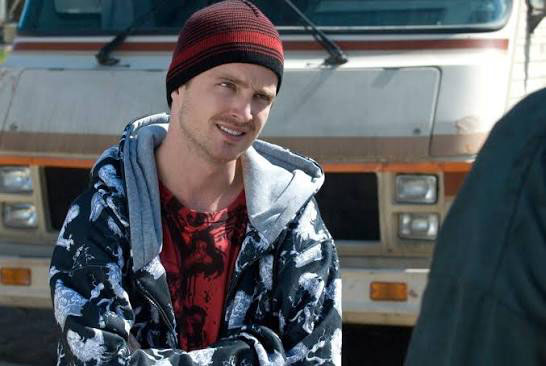
Jesse Pinkman spends five seasons alongside Walter White as one of the two characters at the center of Breaking Bad, and his eventual escape from Walt becomes an essential part of the series’ ending. Vince Gilligan originally imagined a considerably shorter life for Jesse. The young meth dealer who reconnects with his former chemistry teacher was supposed to die during the first season, providing a tragedy that would help propel Walt further into the criminal world.
What was originally planned
Jesse begins the series as Walt’s former student and his necessary connection to the drug trade. Walt knows chemistry but knows virtually nothing about selling methamphetamine, while Jesse understands the criminal world but lacks Walt’s ability to manufacture an extraordinary product. Their partnership initially exists because each possesses something the other needs.
Gilligan planned to kill Jesse before the end of Season 1. The 2007-08 writers’ strike shortened the season, leading to a persistent story that the strike saved Jesse’s life. Gilligan has clarified that he had already changed his mind before the strike intervened. Aaron Paul’s performance and the chemistry between Paul and Bryan Cranston convinced him that killing Jesse would be a mistake.
That decision fundamentally changes what Breaking Bad becomes.
How important he became
Jesse develops into far more than Walt’s connection to Albuquerque’s drug dealers. As Walt becomes increasingly comfortable rationalizing terrible acts, Jesse frequently moves in the opposite direction. The violence surrounding their business affects him deeply, and his guilt over people harmed or killed because of their actions becomes an important counterweight to Walt’s growing ability to justify almost anything.
The relationship between the two men becomes increasingly toxic. Walt can behave like a teacher, business partner, surrogate father, manipulator, and abuser, sometimes shifting between those roles within the same episode. Jesse desperately wants Walt’s approval while gradually discovering how often Walt has exploited that need.
Some of the series’ most devastating revelations ultimately depend on Jesse. Walt allows Jane to die, poisons Brock as part of his plan to manipulate Jesse, and repeatedly treats Jesse’s loyalty as something he can activate whenever necessary. When Jesse finally understands the extent of Walt’s manipulation, their partnership collapses completely.
Jesse’s importance is perhaps clearest in the finale. Walt returns to Albuquerque partly to deal with the criminal empire that has taken Jesse prisoner, but Jesse refuses to give Walt the ending he wants. When Walt asks Jesse to kill him, Jesse recognizes the manipulation and tells Walt to do it himself.
Jesse then escapes, laughing and crying as he drives through the gates of the compound. His story later receives its own conclusion in El Camino: A Breaking Bad Movie, which follows his attempt to build a life beyond everything that happened with Walt.
Jesse Pinkman was supposed to become an early casualty of Walter White’s transformation. Instead, he survived long enough to become the character who most clearly demonstrates the human cost of that transformation.
Where to watch: Check current streaming availability; sold on physical media and digitally.
Ben Linus – Lost
When Michael Emerson first appears on Lost, viewers aren’t even told they’re meeting Benjamin Linus. He arrives as “Henry Gale,” a man captured by Danielle Rousseau who insists he crashed on the island in a hot-air balloon. Emerson was initially hired for only a small number of episodes, but the unsettling uncertainty he brought to the role gave Lost a character the producers quickly realized they wanted to keep.
What was originally planned
“Henry” spends much of his early appearance imprisoned in the Swan station while the survivors try to determine whether he’s telling the truth. He presents himself as frightened and vulnerable, but something about him never quite fits that explanation. Even while physically helpless, he finds ways to manipulate the people questioning him and exploit tensions already developing between Jack and Locke.
Emerson was originally contracted for three episodes. The limited commitment allowed the producers to see what the actor brought to the character before determining how extensively they wanted to use him.
What Emerson brought was menace without requiring Ben to behave like a conventional villain. He could sit quietly in a locked room and make everyone outside it considerably less certain of themselves.
How important he became
The survivors eventually prove that Henry Gale was a real person and that the prisoner has stolen his identity. The man in the hatch is revealed as one of the Others, and he soon emerges as their leader, Benjamin Linus.
That revelation opens an enormous portion of the series’ mythology. Ben understands the island in ways the crash survivors do not, has a complicated history with the Dharma Initiative, maintains a deeply troubled relationship with his daughter Alex, and possesses information about Jacob that makes determining when he’s lying even more difficult.
Ben also becomes one of John Locke’s most important foils. He recognizes Locke’s desperate need to believe he has a special purpose and repeatedly manipulates that insecurity, even as Ben himself becomes increasingly threatened by the possibility that the island may consider Locke more important than him.
The character’s role continues expanding until his choices affect virtually every major part of the story. He moves the island, leaves it, returns to it, kills Jacob, and ultimately helps the survivors confront the Man in Black. His relationship with Hurley also provides one of the finale’s most unexpected developments when Ben becomes Hurley’s second-in-command as protector of the island.
The final episode even gives Ben a quiet acknowledgment of the life that might follow. Hurley tells him he was a great Number Two, and Ben tells Hurley he was a great Number One, suggesting a long period of cooperation viewers never directly see.
Michael Emerson arrived for three episodes playing a prisoner whose name wasn’t really Henry Gale. Benjamin Linus ultimately became so embedded in Lost that the history, mythology, and future of the island are difficult to tell without him.
Where to watch: Check current streaming availability; sold on physical media and digitally.
Castiel – Supernatural
Castiel’s arrival in the Season 4 premiere of Supernatural fundamentally expands the mythology of the series. An angel who pulls Dean Winchester out of Hell and introduces himself with the wonderfully direct line, “I’m the one who gripped you tight and raised you from perdition,” Castiel initially had a limited role to play in the developing angel storyline. Misha Collins was originally brought aboard for only a handful of episodes. Instead, Castiel became one of the characters most closely associated with the series and remained part of Supernatural almost until its end.
What was originally planned
Before Season 4, angels had been conspicuously absent from Supernatural. Sam and Dean fought demons, ghosts, monsters, and other supernatural creatures, while the existence of God and Heaven remained considerably more uncertain.
Castiel changes that immediately. His appearance confirms that angels exist, but Supernatural doesn’t present them as gentle celestial protectors. Castiel is powerful, emotionally distant, and committed to carrying out the orders of Heaven. He views Dean largely in terms of whatever role Dean is expected to play in a much larger plan.
Collins was initially signed for a three-episode arc. Castiel could have served as the Winchesters’ introduction to the angelic side of the mythology and disappeared once that purpose had been fulfilled.
Instead, the character kept working.
How important he became
Castiel’s growing relationship with Dean and Sam gradually changes him. His certainty about Heaven erodes as he witnesses manipulation and corruption among the angels, forcing him to choose between obedience and the people he has come to care about.
That conflict gives the writers a character who can explore ideas the Winchester brothers cannot. Castiel has existed for an enormous span of time and initially struggles to understand ordinary human behavior, but his exposure to humanity gradually becomes central to his identity. His awkwardness provides comedy, while his loyalty and repeated attempts to do what he believes is right create some of his most serious mistakes.
Castiel dies, returns, loses his grace, becomes human, regains his powers, makes catastrophic decisions, and repeatedly finds his way back to the Winchesters. The series increasingly treats him not simply as an ally but as family, expanding the emotional center of a show that had originally been constructed almost entirely around two brothers.
His longevity is especially remarkable considering how long Supernatural itself lasted. Castiel arrives in the fourth of 15 seasons and remains an important presence throughout most of the remaining run. A character hired for three episodes ultimately appears in well over 100.
Castiel entered the series as proof that Heaven existed. He stayed because Supernatural discovered that an angel learning why individual human lives matter was considerably more interesting than simply having one deliver orders from God.
Where to watch: Check current streaming availability; sold on physical media and digitally.
Andy Dwyer – Parks and Recreation
Andy Dwyer begins Parks and Recreation sitting on a couch with two broken legs after falling into the enormous pit beside Ann Perkins’ house. He’s Ann’s immature boyfriend and, more importantly for the original story, part of the reason she attends a Pawnee town meeting and meets Leslie Knope. Chris Pratt was initially hired for a six-episode guest role, which makes perfect sense when watching the earliest episodes. Andy looks like a character the show will eventually need Ann to outgrow.
What was originally planned
The pit provides the central storyline connecting Leslie to Ann during the first season. Andy fell into it and broke both legs, leaving Ann to care for him while she pressures the city to do something about the dangerous construction site.
Andy isn’t exactly making Ann’s life easier. He enjoys being taken care of, behaves selfishly, and eventually admits that his casts could have been removed earlier than he claimed. Their relationship falls apart, seemingly completing the function the character was created to serve.
Pratt expected that to be essentially the end of the job. He has described being hired for six episodes and assuming Andy would disappear once Ann broke up with him.
The producers had become too fond of what Pratt was bringing to the ensemble to let that happen.
How important he became
Keeping Andy required the series to develop him beyond being Ann’s lousy boyfriend. His immaturity remains, but the meaner and more selfish qualities of the earliest version gradually soften. Andy becomes enthusiastic rather than merely irresponsible, with a childlike excitement about almost everything around him.
His relationship with April Ludgate proves especially important. On paper, April’s dry cynicism and Andy’s boundless enthusiasm shouldn’t necessarily work together, but their peculiarities complement one another. Their romance develops into one of the show’s central relationships, eventually leading to a wedding arranged with roughly the amount of advance planning viewers would expect from April and Andy.
The series also turns Andy’s lack of a conventional career path into an advantage. He performs with Mouse Rat, works at City Hall, becomes a shoe shiner, assists Ben, and eventually creates the children’s character Johnny Karate. His jobs change because the character’s real function is his relationship with the rest of Pawnee.
Andy becomes particularly valuable as Parks and Recreation embraces the warmth that defines its later seasons. He’s genuinely excited by his friends’ accomplishments and capable of forming relationships with characters whose personalities bear almost no resemblance to his own.
The boyfriend Ann was supposed to move beyond became someone the series couldn’t leave behind. Chris Pratt’s six-episode job turned into seven seasons, while Andy went from lying on Ann’s couch with two broken legs to becoming one of the central members of the Pawnee family.
Where to watch: Check current streaming availability; sold on physical media and digitally.
Steve Harrington – Stranger Things
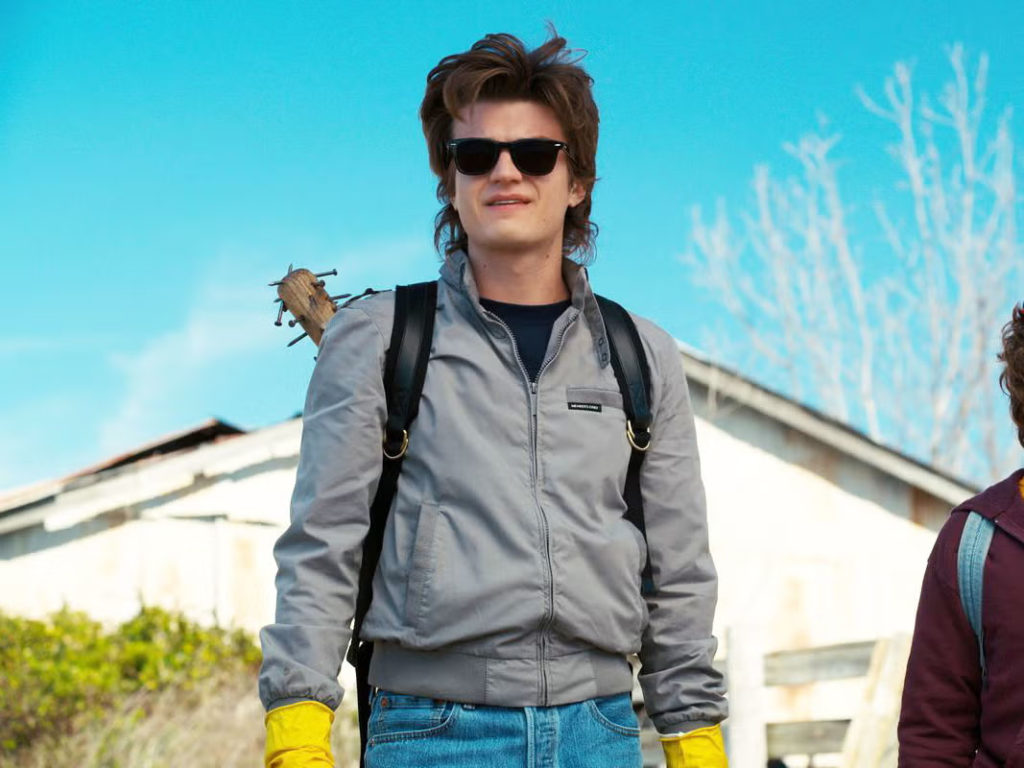
Steve Harrington initially looks like a character viewers already understand. He’s the popular high school boyfriend of Nancy Wheeler, complete with great hair, obnoxious friends, and enough bad decisions to suggest he’s heading toward either a humiliating defeat or an early death. Joe Keery’s performance complicated that plan. Steve developed enough warmth and vulnerability that the Duffers reconsidered where they were taking him, beginning a transformation that would eventually make him one of the most popular characters on Stranger Things.
What was originally planned
The earliest version of Steve was considerably less sympathetic than the character who reached the screen. He occupies the familiar role of the popular boyfriend standing between Nancy and Jonathan Byers, and his behavior during much of Season 1 gives viewers plenty of reasons to expect Nancy will eventually leave him behind.
Matt and Ross Duffer have discussed how Keery affected their plans for Steve, including versions of the story in which the character would not survive. The precise timing of Steve’s originally intended death has been described differently over the years, but the important part is consistent: the character who emerged from Keery’s performance wasn’t the disposable high school jerk they had initially envisioned.
One particularly important change comes near the end of Season 1. Steve returns to the Byers house and joins Nancy and Jonathan in fighting the Demogorgon. The moment gives him an opportunity to demonstrate that there’s considerably more to him than the stereotypical boyfriend role suggested.
How important he became
Season 2 finds the role that permanently changes Steve’s place in the series. Paired with Dustin Henderson, he unexpectedly becomes protector and babysitter to the younger characters. Steve and Dustin’s friendship proves so effective that the series continues finding reasons to put them together, allowing Steve to become part of the group rather than simply a character connected to Nancy.
The transformation doesn’t require Steve to suddenly become brilliant or completely mature. He’s still capable of terrible plans and questionable judgment, but his willingness to put himself between the kids and whatever monster is currently trying to kill them becomes one of his defining qualities.
His later partnership with Robin Buckley adds another relationship that has nothing to do with the original love triangle. Their friendship survives Steve initially developing romantic feelings for her, and his acceptance after Robin comes out to him allows the series to build one of its strongest platonic relationships.
By this point, Steve’s original function has almost completely disappeared. His importance no longer depends on whether Nancy chooses him or Jonathan, and he has relationships with Dustin, Robin, Erica, and the rest of the group that allow him to operate independently of the storyline that introduced him.
Steve Harrington entered Stranger Things looking like the guy audiences were supposed to root against. Joe Keery helped turn him into the guy everyone wants standing nearby when something with too many teeth crawls out of another dimension.
Where to watch: Check current streaming availability; sold on physical media and digitally.
The history of television is filled with characters who became more important than anyone expected, and these 12 demonstrate why even the best production plans sometimes need to change. An actor finds something unexpected in a performance, writers discover chemistry they hadn’t anticipated, or audiences respond so strongly that getting rid of a character suddenly seems like a terrible idea.
What makes these examples particularly remarkable is the distance between the original intention and the eventual result. Boyd Crowder and Jesse Pinkman were supposed to die. Garak and Steve Urkel could have disappeared after a single appearance. Castiel had only a handful of episodes waiting for him, while Frasier Crane was introduced to complicate somebody else’s romance.
None of those plans were necessarily mistakes. They were simply based on what the writers knew before actors started inhabiting the characters and audiences began responding to them. Television production provides something other forms of storytelling rarely offer: the opportunity to recognize that something unexpected is working and change the story accordingly.
Sometimes that means keeping a villain alive. Sometimes it means turning a guest star into a regular or allowing a supporting character to become part of the central ensemble. And every once in a while, the temporary boyfriend you created to keep Sam and Diane apart ends up occupying television screens for decades.
The original plans gave these characters their opportunity. Knowing when to abandon those plans helped make them unforgettable.
More Television History
Some of television’s most memorable moments came from shows changing direction, taking unexpected chances, or discovering something better than originally planned.
Fun Jug Media, LLC (operating TheNerdy.com) has affiliate partnerships with various companies. These do not at any time have any influence on the editorial content of The Nerdy. Fun Jug Media LLC may earn a commission from these links.