Hollywood announces far more movies than it actually makes.
A studio buys the rights to a novel. An actor signs on to play the lead. A director is announced. A screenwriter finishes a draft. Someone confidently tells a reporter that filming could begin next year.
Then nothing happens.
Months pass without an update. The director leaves. Another writer comes aboard. A different actor becomes attached. The studio insists the project is still alive, but nobody seems particularly close to making it. Eventually, people start describing the movie as being stuck in “development hell.”
The phrase sounds dramatic, but it describes a very real part of the entertainment business. Movies can spend years or even decades moving through scripts, directors, studios, budgets, rights negotiations, and changing plans without ever reaching the point where cameras begin rolling.
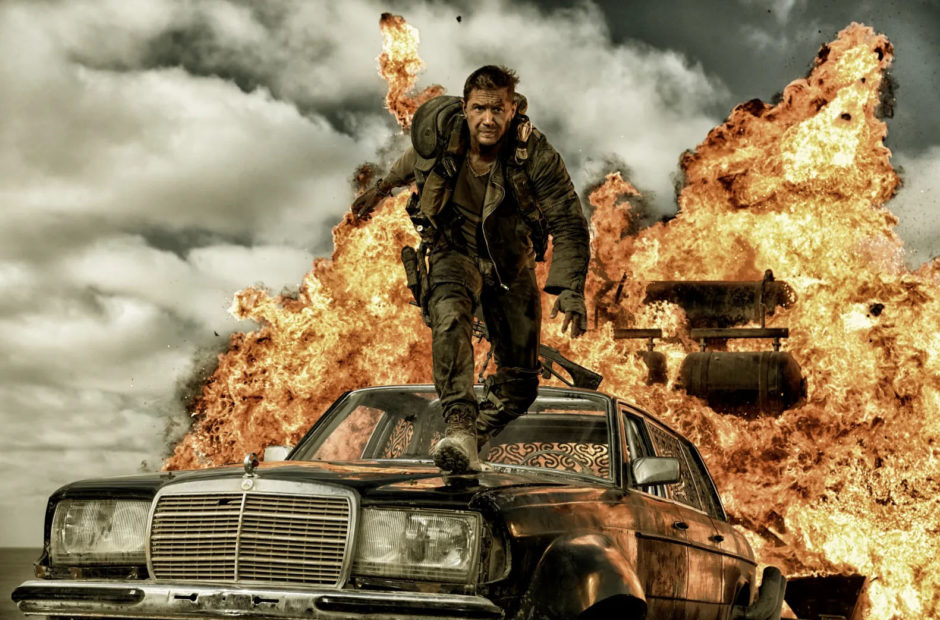
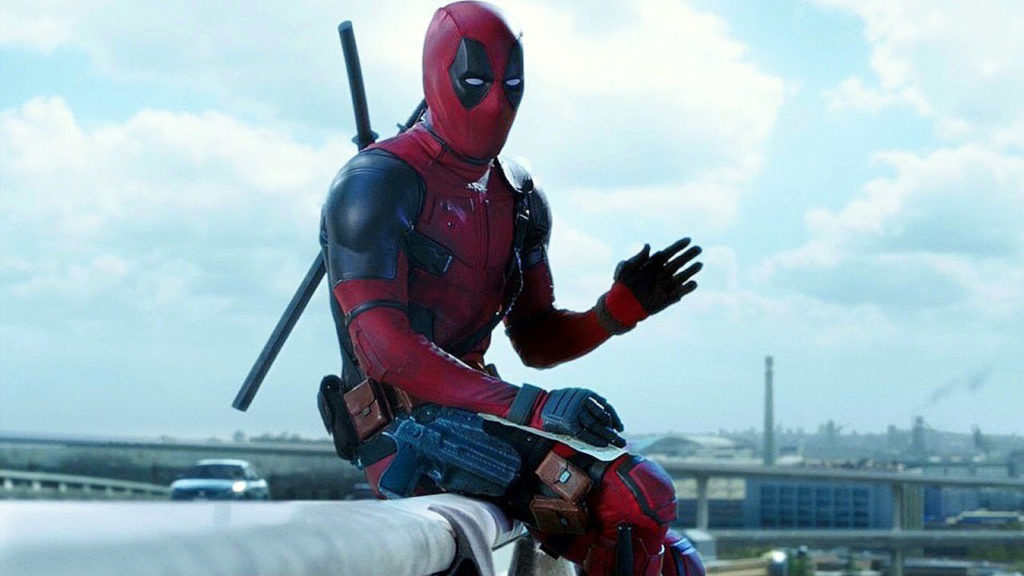
Some eventually escape. Deadpool spent years struggling to get a green light before becoming a massive hit. Mad Max: Fury Road survived an extraordinarily long and complicated path to production before becoming one of the most acclaimed action movies of its era.
Others never make it out at all.
That is the fundamental problem with development hell: a movie can have a script, producers, stars, and years of work behind it while still being nowhere close to becoming an actual movie.
Quick Answer: What Is Development Hell?
Development hell is an entertainment-industry term for a movie, television show, or other project that remains stuck in development for an unusually long period without moving into production.
A project in development hell has not necessarily been canceled. People may still be actively trying to make it, but problems involving the script, budget, financing, rights, casting, studio priorities, or creative direction repeatedly prevent it from receiving a final green light.
That distinction is important. A movie can spend ten years in development and eventually begin filming, while another can spend ten years in development before quietly disappearing.
| Problem | What Can Happen |
|---|---|
| Script problems | Writers repeatedly rewrite the project without reaching an approved version |
| Director changes | A new filmmaker may want a different approach and another rewrite |
| Casting problems | Actors leave, schedules conflict, or the studio cannot secure the desired star |
| Budget concerns | The proposed movie becomes too expensive for the studio to approve |
| Rights issues | Ownership or adaptation rights prevent the project from moving forward |
| Studio changes | New executives may have little interest in projects developed by previous management |
| Market changes | A movie that looked commercially promising several years earlier may no longer seem viable |
Any one of those problems can delay a movie. Development hell usually happens when they keep occurring long enough that the project becomes trapped in a cycle of attempted restarts.
What Does “In Development” Actually Mean?
One reason development hell can be confusing is that entertainment news regularly reports that a movie is “in development,” which sounds considerably further along than it may actually be.
Development is the period when the basic pieces of a potential movie are being assembled. A studio or production company may acquire the underlying rights, hire writers, develop a screenplay, search for financing, approach actors, attach a director, and determine whether the project makes financial and creative sense.
None of that guarantees the movie will be made.
Even the announcement of a major actor or director does not mean filming is imminent. Talent can be attached while financing is unresolved, the screenplay is still changing, or the studio has not formally approved production.
This is why Hollywood history is filled with announcements for movies that never existed beyond scripts, meetings, concept art, and contracts.
Development becomes development hell when that process continues for an unusually long time without producing enough momentum to get the movie in front of cameras.
Why Do Scripts Keep Getting Rewritten?
A screenplay is frequently one of the first places a project begins to stall.
The studio may like the basic concept but dislike the execution. A producer may want the protagonist changed. An actor considering the lead role may request revisions. A new director may have a completely different interpretation of the material.
Every major change can produce another draft.
If the first writer cannot solve the perceived problems, another writer may be hired. That writer may substantially change the story, only for the studio to decide that the new version has created different problems. Years can pass while everyone involved remains convinced that the movie is one rewrite away from working.
Adaptations can be especially vulnerable because simply owning the rights to a popular property does not solve the problem of turning it into a movie.
A novel may be too long. A video game may have dozens of hours of story but no obvious two-hour narrative. A comic book character may come with complicated continuity or rights restrictions. Material that works perfectly well in one medium can resist attempts to translate it into another.
Development can therefore continue even when everyone agrees that the underlying property has commercial potential.
Directors Can Come and Go
Attaching a director can push a project closer to production, but losing one can send it backward.
A filmmaker who joins a project often wants changes to the script, casting, design, or budget. If that director later leaves because of scheduling problems or creative disagreements, some of those changes may no longer make sense.
The replacement director then inherits a project developed partly around someone else’s vision.
Another rewrite may follow.
This is how a movie can cycle through several highly recognizable filmmakers without any of them actually shooting it. From the outside, every new director announcement looks like progress. Internally, the project may effectively be starting over each time.
The same problem applies to stars. A movie built around a particular actor may need significant changes if that person leaves after several years of development.
Money Can Stop a Movie Before It Starts
Movies are expensive enough that enthusiasm for a project is not sufficient to get one made.
A studio has to believe the potential return justifies the cost.
That calculation can change during development. A screenplay originally conceived as a relatively manageable production may grow into something requiring elaborate sets, international locations, expensive visual effects, or a larger cast. The studio may like the movie but not at the proposed price.
The filmmakers can try to reduce the budget, find additional financing, or wait for circumstances to change.
A project can also become a victim of someone else’s failure. If a similar movie performs poorly at the box office, studios may suddenly become less enthusiastic about projects they consider comparable. Conversely, an unexpected hit can revive ideas that had been sitting dormant for years.
Development hell is therefore not always evidence that something is creatively wrong with a movie. Sometimes the numbers simply do not work at the moment when someone wants to make it.
Movie Rights Can Become a Nightmare
A movie cannot move forward if nobody can establish who has the legal right to make it.
That can become surprisingly complicated.
Adaptation rights may expire and return to the original owner. Different companies may control different aspects of a property. A studio merger can move projects into a new corporate structure. Producers may have contractual rights that survive even after a project moves elsewhere.
Franchises can become particularly complicated when film, television, character, distribution, or sequel rights have been divided among different companies over the years.
A script can be excellent and a director can be ready to work, but none of that matters if the legal rights necessary to produce the movie are unresolved.
Unlike a creative problem, there may be nothing a screenwriter can change to fix that situation. The project simply waits.
Studio Changes Can Send Projects Back to Square One
Movies are often developed under executives who champion them internally.
Then those executives leave.
The replacement does not necessarily share the same enthusiasm. A new studio head may inherit dozens of projects developed under the previous regime and decide that the company should concentrate on different genres, franchises, budgets, or audiences.
A project that seemed close to production can suddenly lose its strongest supporter.
Mergers and acquisitions can produce an even larger disruption because the combined company may have overlapping projects or an entirely different strategy. Something developed for years can become a low priority almost overnight.
The project may technically remain alive because the studio still owns the rights and has not formally canceled it, but nobody is actively pushing it toward production.
That is development hell in one of its purest forms.
How Mad Max: Fury Road Escaped Development Hell
Mad Max: Fury Road is one of the best examples of a movie surviving an extraordinarily long road to production.
George Miller began developing ideas for another Mad Max movie in the late 1990s. The project moved toward production in the early 2000s, but circumstances repeatedly interfered.
The aftermath of the Sept. 11 attacks affected travel and the economics of the planned production. A later attempt to film in Australia ran into another unexpected problem when heavy rainfall transformed the normally dry landscape and made the proposed locations unsuitable for Miller’s wasteland. Plans changed, years passed, and Mel Gibson eventually ceased to be the actor expected to play Max.
Miller continued developing the project rather than abandoning it. Tom Hardy ultimately took over the role of Max, Charlize Theron was cast as Furiosa, and principal photography finally began in 2012.
The movie reached theaters in 2015, well over a decade after earlier versions had nearly moved into production.
What makes Fury Road such an extraordinary development-hell story is what happened afterward. The long-delayed movie did not emerge as an obvious relic of an earlier era. It received widespread acclaim, won six Academy Awards, and revitalized a franchise whose previous installment had been released in 1985.
Sometimes development hell eventually produces something worth the wait.
Deadpool Spent Years Trying to Get a Green Light
The first Deadpool movie provides a very different example.
Attempts to develop a movie around the Marvel character date back to 2000, and Ryan Reynolds had become involved with the project by the mid-2000s. He eventually played a radically altered version of Wade Wilson in 2009’s X-Men Origins: Wolverine, but that appearance did not immediately produce the standalone movie he wanted to make.
Writers Rhett Reese and Paul Wernick were hired for a new Deadpool screenplay, and visual-effects artist Tim Miller was attached to direct. The project nevertheless remained difficult to sell internally because its R rating, unusual tone, fourth-wall-breaking humor, and relatively obscure lead character made it look considerably riskier than a conventional superhero movie.
Test footage featuring Reynolds was created but initially failed to get the movie into production.
Then the footage leaked online in 2014. (I say “leaked” because that’s the official explanation, but there is a lot of speculation it was intentional.)
The enthusiastic reaction demonstrated that an audience existed for exactly the version of Deadpool the filmmakers had been trying to make. Fox finally gave the movie a release date, filming began in 2015, and Deadpool opened in February 2016. Reynolds later acknowledged that he was involved in leaking the footage after years of speculation about its source.
The movie’s enormous success made the years of hesitation look unnecessary in retrospect, but that is one of the peculiarities of development hell. Studios are making decisions about whether something will work before audiences have the opportunity to prove them right or wrong.
Uncharted Kept Changing Before It Became a Movie
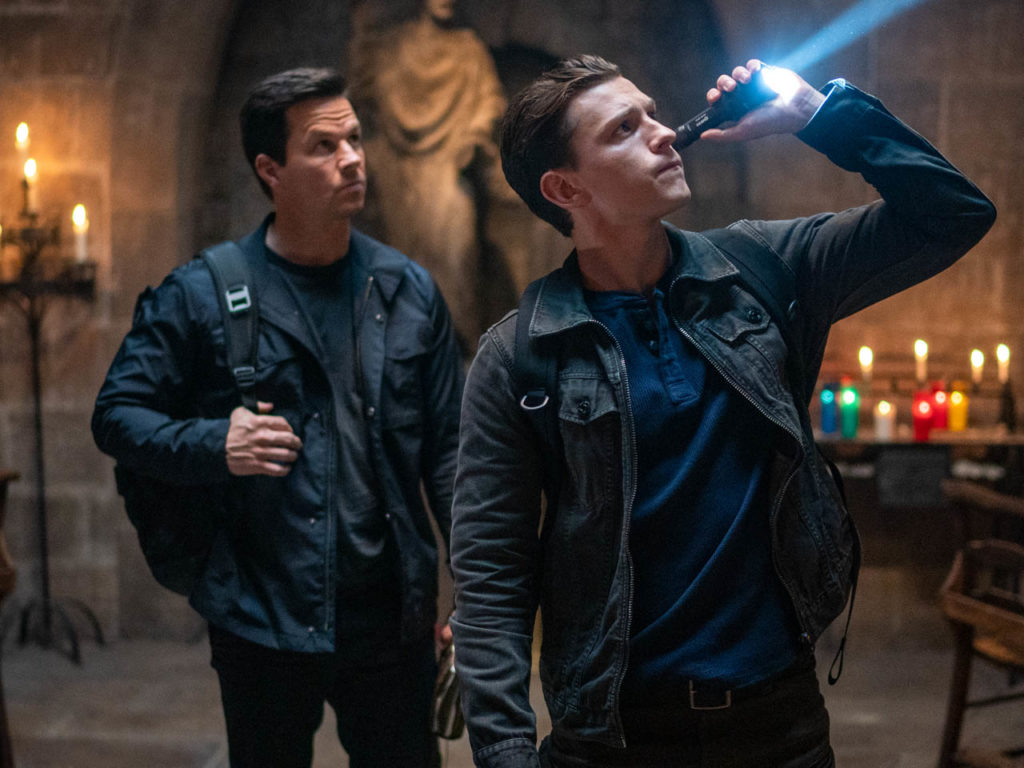
A film adaptation of the Uncharted video games spent well over a decade trying to reach theaters.
Sony began developing the project in the late 2000s, but the movie cycled through writers, directors, release dates, and different approaches to protagonist Nathan Drake.
At various points, David O. Russell, Neil Burger, Seth Gordon, Shawn Levy, Dan Trachtenberg, and Travis Knight were among the directors associated with the project before Ruben Fleischer ultimately directed the finished movie.
The concept changed as well. Rather than directly adapting one of the games with an older Nathan Drake, the eventual movie cast Tom Holland and presented a younger version of the character.
Even after production finally began, the movie encountered another obstacle when the COVID-19 pandemic temporarily shut down filming.
Uncharted finally reached theaters in 2022, roughly fourteen years after the movie adaptation had first entered development.
Its history demonstrates why a project can emerge from development hell looking very different from the movie originally announced. After enough writers, directors, actors, and years pass, the version that finally works may require rethinking the entire approach.
Some Movies Escape Development Hell Completely Transformed
Escaping development hell does not necessarily mean somebody finally shoots the screenplay that had been sitting around for ten years.
Sometimes the project survives because almost everything changes.
Disney’s The Emperor’s New Groove famously began life as Kingdom of the Sun, a much more ambitious and dramatic animated feature developed by The Lion King director Roger Allers. The troubled production underwent enormous creative changes, Allers left the project, and the story was substantially rebuilt into the much smaller comedy audiences eventually saw.
The finished movie retained pieces of the earlier project but was fundamentally different in tone and structure.
That kind of transformation illustrates an important point about development hell: the title or underlying property may survive even when the original movie does not.
When Hollywood announces that an old project has been “revived,” the new version may share little beyond its basic premise with the one that was abandoned years earlier.
Some Movies Never Escape
The successful examples create a misleading impression because we know about them precisely because they eventually became movies.
Development hell has many more casualties.
Projects can spend years accumulating screenplays, concept art, producers, directors, and actors before disappearing. The studio may allow the rights to expire. Everyone involved may move to other work. The market may change enough that nobody believes the original idea is worth pursuing.
Guillermo del Toro’s planned adaptation of H.P. Lovecraft’s At the Mountains of Madness is a famous example of a movie that repeatedly appeared close enough to production to generate considerable attention without actually being made.
Del Toro spent years developing the ambitious adaptation and at one point had James Cameron producing and Tom Cruise discussed for the project. Its proposed budget and intended R rating created a difficult commercial proposition for Universal, and that version never moved into production.
The project has resurfaced in discussions over the years, as development-hell projects often do. Until cameras actually roll, however, renewed interest is not the same thing as an escape.
Is a Movie Canceled If It Is in Development Hell?
Not necessarily.
That uncertainty is part of what makes the term useful.
A canceled movie has been formally abandoned, at least in its current form. A movie in development hell remains theoretically possible. Someone still controls the rights, a script may exist, and people may continue trying to find a version that works.
The problem is that there may be no meaningful forward movement.
This is why studios can insist for years that a project remains “in development” without technically saying anything false. As long as the company has not abandoned the idea, the movie can remain on its slate in some form even if production is nowhere in sight.
For audiences following a long-delayed project, the most meaningful milestone is usually the beginning of principal photography. Announcements, scripts, directors, and casting can all disappear. Once substantial filming actually begins, the odds of eventually seeing something increase considerably.
Even then, there are no absolute guarantees.
Development Hell Is Not the Same as Production Hell
The distinction comes down to when the problems occur.
Development hell happens before principal photography. The project cannot get through the process necessary to become an active production.
Production hell happens after filmmaking has begun and serious problems prevent the movie from being completed normally.
A troubled shoot with extensive delays, reshoots, injuries, weather problems, or creative battles may be a disastrous production, but it is not development hell if cameras are already rolling.
Terry Gilliam’s The Man Who Killed Don Quixote managed to experience versions of both problems during its famously difficult history. An attempted production in 2000 collapsed after filming had begun amid illness, flooding, and other problems. Gilliam then spent years attempting to restart the project before finally completing a new version released in 2018.
The distinction may sound technical, but it explains why not every notoriously troubled movie belongs on a list of films stuck in development hell.
Why Doesn’t Hollywood Just Cancel These Movies?
Because development has already created something potentially valuable.
A studio may own adaptation rights that it does not want a competitor to acquire. A screenplay may be promising even if the current budget is not. A star or director could become available later. Changes in technology can make a previously impossible movie practical.
There is also little reason to make a dramatic public announcement every time a project quietly stops moving. Hollywood development is full of ideas that fade away without ever receiving an official cancellation.
Keeping a project alive can preserve options.
That does not mean anyone is actively preparing to shoot it next year. It means the company would rather retain the possibility than definitively close the door.
Can a Movie Stay in Development Hell for Decades?
Absolutely.
The longer a project remains in development, however, the more likely it is that the people, technology, market, and corporate structure surrounding it will change.
Actors age out of roles. Directors move on. Studios merge. Rights expire. Visual effects improve. Genres fall out of fashion and later become popular again.
A movie that finally emerges after twenty years may therefore be less a continuation of the original project than the latest attempt to solve the same problem.
That is why long development histories can become so fascinating. Looking through the abandoned versions of a movie reveals an alternate history of actors who almost played famous characters, directors who nearly entered franchises, and scripts that could have sent familiar properties in completely different directions.
Frequently Asked Questions About Development Hell
What does development hell mean?
Development hell is an entertainment-industry term for a project that remains stuck in development for an unusually long time without progressing into production. Rewrites, financing, rights, casting, budgets, or creative disagreements can all contribute to the delay.
How long does a movie have to be delayed before it is in development hell?
There is no official amount of time. “Development hell” is industry slang rather than a formal production status. It is generally used when a project has spent years repeatedly failing to move forward despite continued attempts to make it.
Is development hell the same as being canceled?
No. A project in development hell may still be actively or intermittently pursued. A canceled project has been abandoned in its current form.
What is the difference between development hell and production hell?
Development hell occurs before principal photography begins. Production hell describes severe problems after a movie has entered production.
Was Mad Max: Fury Road in development hell?
Yes. George Miller spent years attempting to make another Mad Max movie, with earlier production plans repeatedly disrupted before principal photography finally began in 2012. Mad Max: Fury Road was released in 2015.
Was Deadpool stuck in development hell?
Yes. Attempts to develop a Deadpool movie dated back to 2000, and Ryan Reynolds was involved for years before Fox finally greenlit the film following the strong response to leaked test footage. Deadpool was released in 2016.
Can a movie escape development hell?
Yes. Deadpool, Mad Max: Fury Road, and Uncharted are examples of movies that spent many years in development before eventually reaching production and theaters.
Why are movies announced before they are actually approved?
Studios and production companies frequently discuss projects while they are still being developed. Announcements involving writers, directors, stars, or rights acquisitions can happen long before a final production green light.
More Movie Explainers
Hollywood has developed plenty of terminology for movies that change, restart, or return after years away.
Final Thoughts on Development Hell
Development hell helps explain why the announcement of a movie is never a guarantee that audiences will actually see it.
Before production begins, a project has to survive an enormous number of decisions involving scripts, directors, actors, budgets, rights, financing, schedules, and studio priorities. Any one of those elements can change, and fixing one problem can easily create another.
The movies that escape can make the process look worthwhile. Mad Max: Fury Road survived years of setbacks and eventually became an acclaimed continuation of a franchise that had been dormant for decades. Deadpool spent years struggling for approval before demonstrating that the audience studios worried might not exist was very much there.
Those successes are memorable because many projects never reach that point. They remain collections of drafts, announcements, abandoned casting choices, and stories about the movie somebody almost made.
Until the cameras start rolling, “in development” ultimately means exactly that: Hollywood is still trying to figure out whether there is actually going to be a movie.