Some TV characters who were supposed to die survived because an actor proved too good to lose. Others escaped their planned deaths because writers found new possibilities for them, audiences responded unexpectedly well, or the series’ future changed while the first episodes were still being made.
Television is full of characters who lasted longer than expected, but that isn’t quite what we’re talking about here. Every character on this list had something more specific waiting for them: death. In some cases, the scene was already built into the story before the producers changed their minds.
The consequences could be enormous. A character intended to survive only a handful of episodes could become indispensable to the series, anchor a spinoff, or remain important until the show’s finale. In at least one case, a character originally marked for death would eventually become one half of one of the defining television romances of the 1990s.
Here are 12 characters who escaped the fate their creators originally had waiting for them.
Carol Hathaway – ER
When ER premiered in 1994, Julianna Margulies was not supposed to be signing up for years at County General. In fact, her character wasn’t supposed to make it through the pilot alive.
Carol Hathaway is introduced after attempting suicide with a drug overdose, immediately giving the pilot one of its most emotionally difficult stories. The episode leaves Carol’s condition uncertain, but the original intention was for her to die. Margulies had been hired as a guest star rather than as one of the show’s continuing leads.
How she was supposed to die: Carol’s overdose was originally intended to be fatal. That would have made her story part of the emotional foundation of ER, but not an ongoing storyline.
Audience response helped change that plan. Margulies has recalled that after filming the pilot she returned to New York and was considering another acting job when George Clooney called her. He told her not to take it because he believed the producers wanted Carol back.
Clooney was right.
What happened instead: Carol survived and returned to County General, eventually becoming one of the central characters of ER. Her complicated relationship with Clooney’s Doug Ross developed into one of the show’s defining romances, while Margulies remained with the series for six seasons and won an Emmy for the role.
It is difficult to imagine early ER without Carol Hathaway, which makes it even stranger that viewers came remarkably close to knowing her only as the nurse whose overdose helped establish the stakes of the pilot.
Where to watch: Check current streaming availability; sold on physical media and digitally where available.
Jack Shephard – Lost
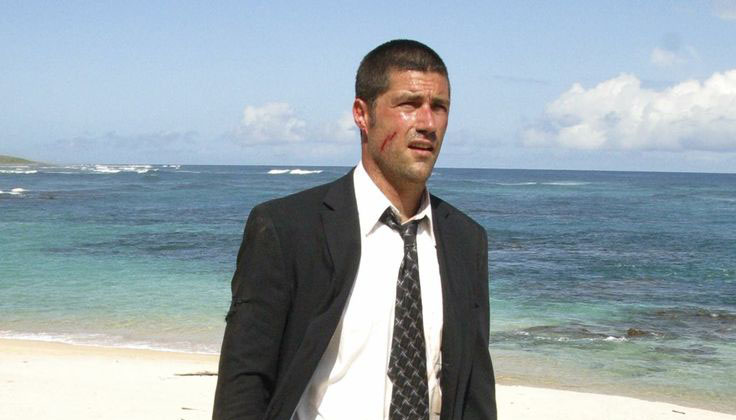
The opening minutes of Lost make it difficult to imagine anyone other than Jack Shephard as the show’s central figure. Jack wakes in the jungle, races toward the wreckage of Oceanic Flight 815, and immediately begins trying to save as many people as possible.
For a time, however, the plan was to make viewers believe they were meeting the protagonist and then kill him before the pilot was over.
How he was supposed to die: J.J. Abrams has explained that Jack was originally going to be killed by the Monster during the pilot. The idea was designed to deliver a brutal message about the new series: if the apparent leading man could die immediately, nobody on the island was safe.
The plan went far enough that Michael Keaton was approached about playing Jack when the character was still expected to have a very short lifespan. Keaton has also discussed the unusual proposal, which appealed to him precisely because it would have been an unexpected way to appear in a television series.
There was one significant problem. People who heard the idea didn’t find Jack’s sudden death exciting. They felt betrayed.
What happened instead: The creators abandoned the twist, Matthew Fox was cast as Jack, and the character became one of the primary anchors of Lost for all six seasons. His conflict with Locke helped define the show’s continuing debate between faith and reason, his leadership repeatedly shaped the survivors’ decisions, and his story ultimately became essential to the series finale.
Lost still found plenty of ways to demonstrate that important characters could die. It just didn’t need to murder its apparent protagonist in the first two hours to prove the point.
Where to watch: Check current streaming availability; sold on physical media and digitally where available.
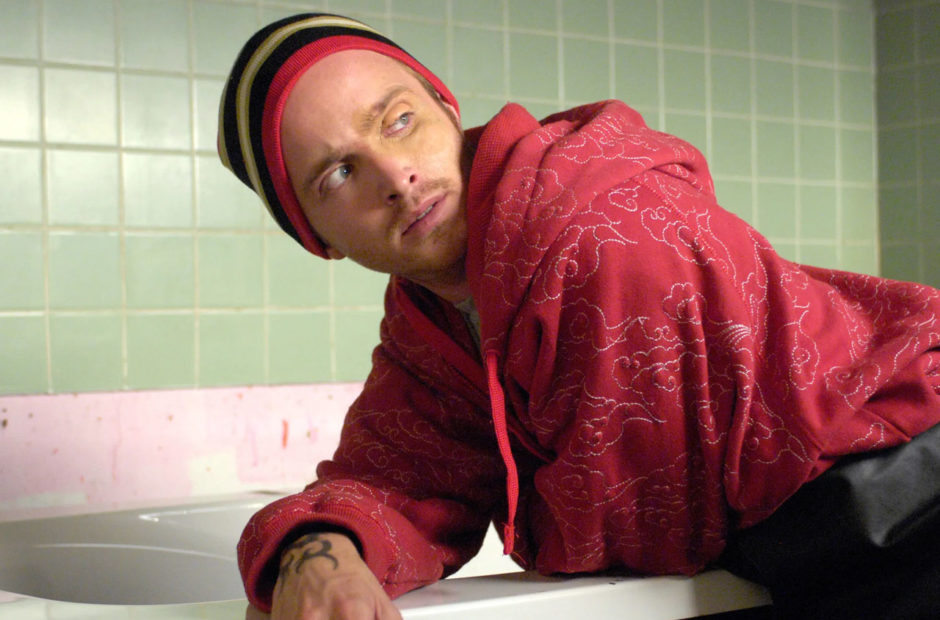
Jesse Pinkman – Breaking Bad
It is nearly impossible to separate Breaking Bad from the relationship between Walter White and Jesse Pinkman. By the end of the series, Jesse isn’t simply Walt’s former student or reluctant partner. He has become the other half of the show’s central relationship and, frequently, its battered moral conscience.
None of that was part of Vince Gilligan’s original plan.
How he was supposed to die: Gilligan has repeatedly confirmed that Jesse was originally going to be killed near the end of the first season. The idea was for Jesse to die violently during a drug deal gone wrong, leaving Walt consumed by guilt and pushing him further along his transformation.
The 2007-08 Writers Guild of America strike ultimately shortened the first season, but Jesse’s survival wasn’t simply an accidental consequence of production shutting down early. Gilligan has said he realized within the first few episodes how good Aaron Paul was and abandoned the idea of killing Jesse before the planned episode was made.
What happened instead: Jesse became indispensable. His increasingly complicated relationship with Walt provided Breaking Bad with much of its emotional weight, and Paul’s performance earned him three Primetime Emmy Awards for the role. Jesse survived all five seasons and subsequently became the central character of El Camino: A Breaking Bad Movie.
Gilligan originally conceived Jesse largely as the character who would introduce Walt to the drug business and then die to advance Walt’s story. Instead, Jesse became one of the most important reasons Walt’s story worked at all.
Where to watch: Check current streaming availability; sold on physical media and digitally where available.
Boyd Crowder – Justified
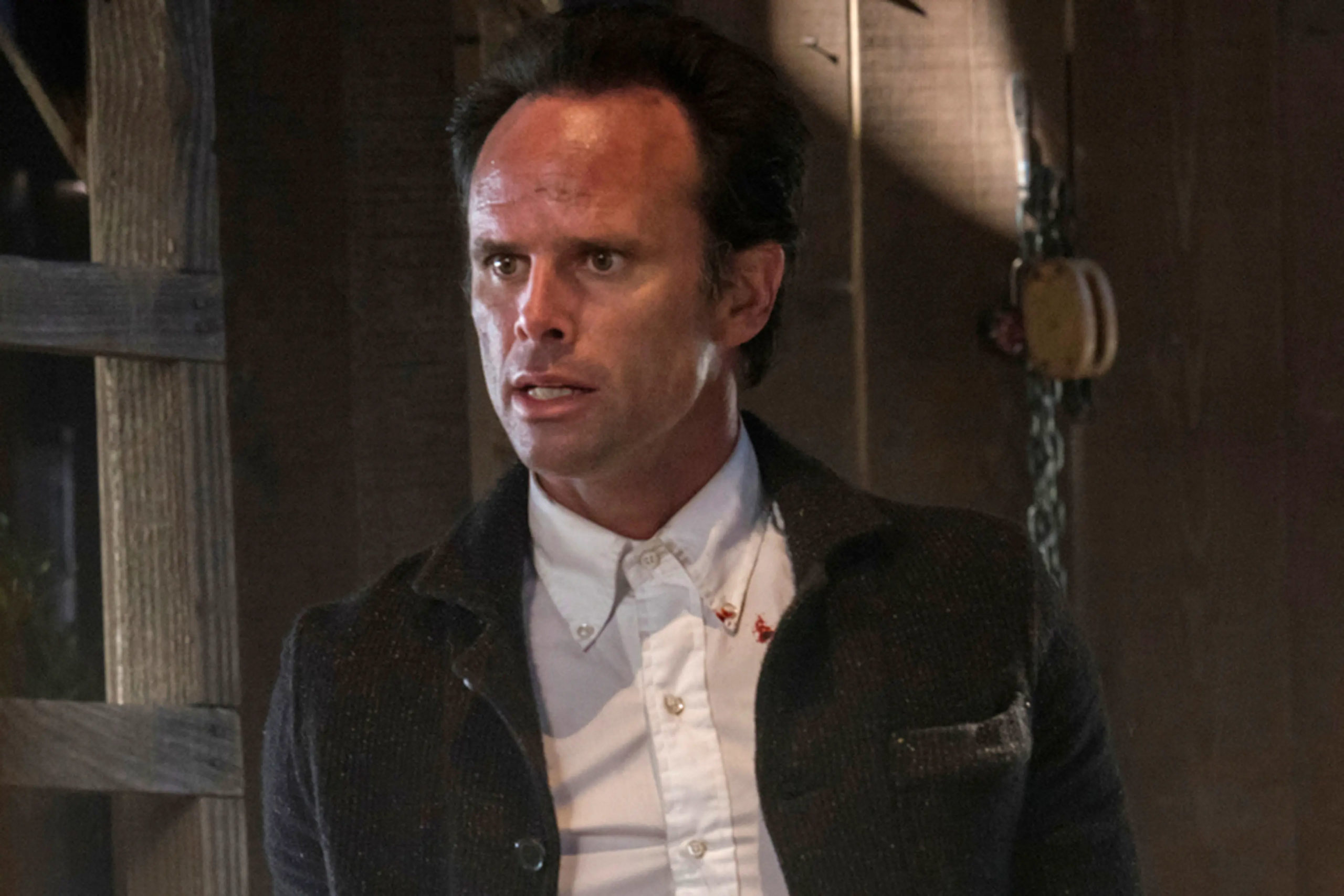
Raylan Givens and Boyd Crowder spend six seasons of Justified circling one another as enemies, occasional allies, and two men forever connected by the fact that they once dug coal together. Their relationship became so fundamental to the series that the final scene belongs to them.
Boyd wasn’t originally supposed to survive the first episode.
How he was supposed to die: Justified was adapted from Elmore Leonard’s story “Fire in the Hole,” in which Boyd dies after Raylan shoots him. Series creator Graham Yost initially intended to keep that outcome, and Boyd died at the end of the version of the pilot that was filmed.
Then everyone saw Walton Goggins as Boyd.
Yost has explained that the producers loved Goggins’ performance and his chemistry with Timothy Olyphant, while test audiences also responded strongly to the character. Rather than lose something that was clearly working, the series changed Boyd’s fate. The broadcast version establishes that Raylan’s bullet wounded him but didn’t kill him.
What happened instead: Keeping Boyd alive transformed the structure of Justified. Yost has said that once the decision was made, Raylan and Boyd’s relationship became part of the series’ spine. Goggins was eventually promoted to the regular cast, and Boyd remained Raylan’s most important adversary through the final season.
That makes Boyd one of the clearest examples of an actor changing a character’s destiny. Justified began with every intention of following Leonard’s story and killing Boyd Crowder. Six seasons later, the show couldn’t properly end until Raylan and Boyd sat across from each other one last time and remembered that they dug coal together.
Where to watch: Check current streaming availability; sold on physical media and digitally where available.
Spike – Buffy the Vampire Slayer
Spike arrived in Sunnydale in the second season of Buffy the Vampire Slayer as a dangerous new vampire with a punk attitude, a devotion to Drusilla, and a history of killing Slayers. James Marsters immediately gave the character enough charisma to stand apart from the disposable vampires Buffy regularly encountered.
Disposable, however, is exactly what Spike was originally intended to be.
How he was supposed to die: Marsters has repeatedly said that he was initially hired for approximately five episodes and that Spike was supposed to be killed by Angel. The idea was to establish Spike as an impressive villain so that, after Angel lost his soul, killing Spike would demonstrate just how dangerous Angel had become.
The plan didn’t quietly disappear the moment Spike proved popular, either. Marsters has recalled Joss Whedon making it very clear to him during those early episodes that popularity wasn’t going to save the character. Nevertheless, Spike’s original five-episode stint expanded, and his scheduled death never happened.
What happened instead: Spike survived Season 2, returned periodically, and eventually joined the regular cast. His role changed repeatedly along the way, taking him from villain to reluctant ally to a character seeking redemption. He remained with Buffy through its series finale and then crossed over to become a regular during the final season of Angel.
Marsters has described Spike’s long evolution as something of a happy accident because the writers repeatedly had to find new purposes for a character they hadn’t originally designed for a long-term journey. What began as roughly five episodes ultimately became seven years of television across two series.
Where to watch: Check current streaming availability; sold on physical media and digitally where available.
Carol Peletier – The Walking Dead
Few characters on The Walking Dead changed as dramatically as Carol Peletier. When viewers first met her, Carol was an abused wife trying to protect her daughter while struggling to survive the collapse of civilization. Over the years, she became one of the most capable and dangerous survivors in the franchise.
That transformation nearly ended before it really began.
How she was supposed to die: Executive producer Greg Nicotero has revealed that the writers considered killing Carol during Season 3’s “Killer Within.” At the time, the writers’ room was unsure where the character could go next. The plan was for Carol to die instead of T-Dog.
The story ultimately went in the opposite direction. T-Dog sacrificed himself while helping Carol escape a group of walkers, and Carol survived.
What happened instead: The writers found plenty of places to take her. Carol gradually developed from one of the group’s most vulnerable members into someone willing to make ruthless decisions when she believed they were necessary for survival. Her evolution eventually made her one of the franchise’s longest-lasting characters.
The decision became even more significant as the television series increasingly diverged from Robert Kirkman’s comics, where Carol dies much earlier. Melissa McBride’s version survived all 11 seasons of the original show and continued her story alongside Daryl Dixon in The Walking Dead: Daryl Dixon.
Considering everything Carol became, the writers’ original problem now seems almost impossible to imagine: they weren’t sure what else they could do with her.
Where to watch: Check current streaming availability; sold on physical media and digitally where available.
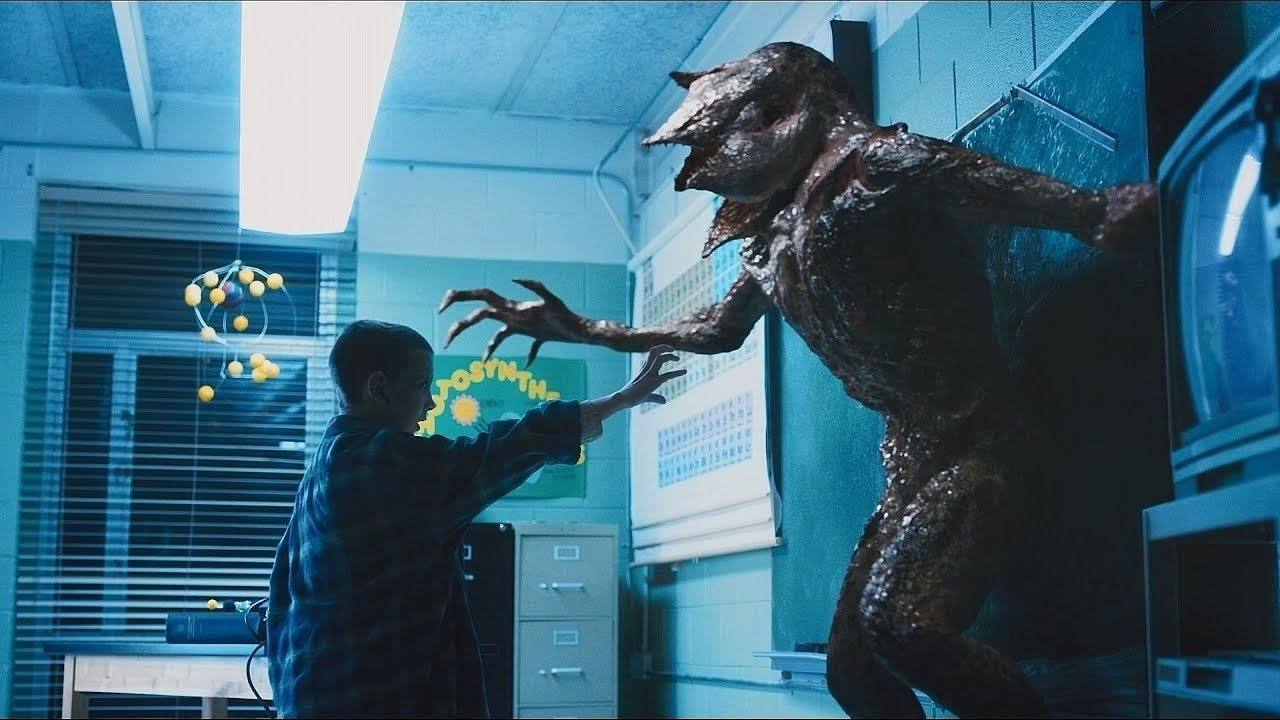
Eleven – Stranger Things
Eleven’s confrontation with the Demogorgon in the first-season finale of Stranger Things certainly looks like a heroic sacrifice. After saying goodbye to Mike, she uses her powers against the creature and disappears along with it. The episode eventually offers a reason to hope she survived when Hopper leaves Eggos in a box in the woods, setting up a mystery for the second season.
In the original conception of the series, there wasn’t going to be a mystery.
How she was supposed to die: Ross Duffer has said that Eleven sacrificing herself to save the others was originally the character’s endgame. Stranger Things was initially conceived as a much more self-contained first season, and Eleven’s confrontation with the Demogorgon was meant to complete her story.
That changed as the Duffers began contemplating what continuing the series would actually look like. Eleven had become too important to the story, and Millie Bobby Brown had become too important to the show, to simply leave her dead at the end of the first season.
What happened instead: Eleven’s apparent sacrifice became a disappearance. Season 2 revealed that she had survived the encounter and eventually reunited her with Mike and the rest of the Hawkins group. She remained a central character as the mythology surrounding Hawkins, the Upside Down, and her own origins continued to expand.
The original ending is still visible in the finished episode. Eleven gets the sacrifice, the emotional goodbye, and the climactic confrontation that were designed to conclude her story. The difference is that Stranger Things left one small door open afterward, along with a box of Eggos.
Where to watch: Check current streaming availability; sold on physical media where available.
NoHo Hank – Barry
NoHo Hank entered Barry as a Chechen gangster who seemed to belong to a very different television series from everyone around him. Cheerful, relentlessly polite, and genuinely enthusiastic about customer service, Hank immediately turned what could have been a conventional criminal character into something much stranger.
Bill Hader and Alec Berg noticed what Anthony Carrigan was doing quickly enough to save Hank from the fate waiting for him in the pilot.
How he was supposed to die: Hader has said that Hank was originally supposed to be killed during the pilot when Barry shoots his way out of an encounter with the Chechens. Carrigan had been hired with the understanding that his character wouldn’t survive the episode.
During production, however, Hader and Berg became increasingly impressed by Carrigan’s performance. Hader later recalled watching him and realizing they would be insane to kill the character. The shooting remained, but Hank survived it.
What happened instead: NoHo Hank became one of Barry‘s central characters and one of its most reliable sources of comedy, even as his storyline became considerably darker. His relationship with Cristobal added an emotional dimension that would have been unimaginable from his original function as a disposable gangster in the pilot.
Carrigan ultimately appeared throughout all four seasons and earned three Emmy nominations for the role. A character created to die during Barry’s first major burst of violence instead survived almost all the way to the end of the series.
Sometimes rewriting television history only requires someone on set to realize, before it’s too late, that killing the incredibly cheerful Chechen gangster would be a terrible waste.
Where to watch: Check current streaming availability; sold on physical media and digitally where available.
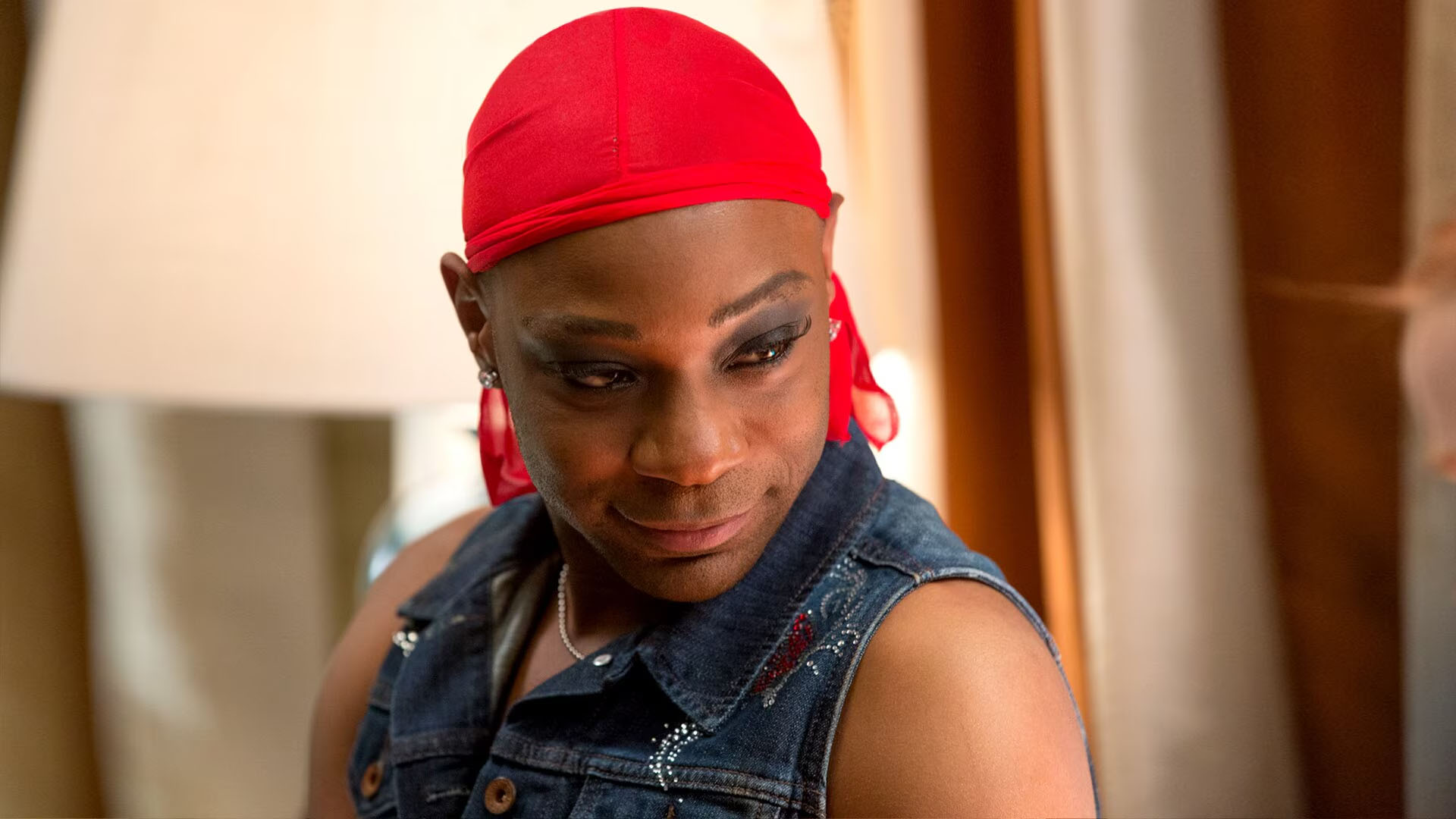
Lafayette Reynolds – True Blood
Lafayette Reynolds was already difficult to ignore when True Blood began. Played by Nelsan Ellis, the sharp-tongued cook at Merlotte’s quickly established a presence that extended far beyond what had originally been planned for the character.
Readers of Charlaine Harris’ novels had particularly good reason to worry about him. Lafayette doesn’t make it very far into the books.
How he was supposed to die: Ellis said that he was originally contracted for only seven of the first season’s 12 episodes and that Lafayette was supposed to die. That would have brought the television character closer to his literary counterpart, whose body is discovered at the beginning of the second Southern Vampire Mysteries novel, Living Dead in Dallas.
Series creator Alan Ball changed course after seeing what Ellis brought to Lafayette. Rather than following the books into Season 2, True Blood gave the victim’s storyline to another character and allowed Lafayette to continue.
What happened instead: Lafayette became one of the show’s most enduring characters. His story expanded well beyond Merlotte’s as the series explored his relationships, his sexuality, his abilities as a medium, and the increasingly supernatural chaos surrounding Bon Temps.
Ellis remained with True Blood for all seven seasons, turning a character originally scheduled for an early death into one of the few major figures to span the entire series. Lafayette’s survival also became one of the clearest examples of the HBO adaptation deciding that what worked on the page didn’t necessarily need to determine what happened on television.
Where to watch: Check current streaming availability; sold on physical media and digitally where available.
Kima Greggs – The Wire
The shooting of Detective Kima Greggs near the end of the first season of The Wire is one of the show’s earliest reminders that police work has consequences extending far beyond an investigation. Kima is critically wounded during an undercover operation, sending the detail scrambling to identify the shooters while her colleagues wait to learn whether she will survive.
For much of the writing process, she wasn’t going to.
How she was supposed to die: Creator David Simon has said that the original plan was for Kima to die from her injuries. HBO executive Carolyn Strauss objected, arguing that killing the character felt like the expected television choice rather than the more interesting one.
Simon initially resisted. He has since acknowledged that Strauss was right.
The finished episode preserves the severity of the shooting without turning it into Kima’s exit. She survives, and the series is then able to explore something her death would have eliminated entirely: what happens to someone after surviving that kind of violence.
What happened instead: Kima returned to police work, but neither the shooting nor her career simply disappeared from her life. Her relationship with Cheryl deteriorated, her priorities changed, and her work eventually took her from narcotics investigations to homicide. She remained an important part of The Wire through its fifth and final season.
Keeping Kima alive also allowed the series to do something much more consistent with its larger worldview. The Wire was rarely interested only in the dramatic event itself. It wanted to know what institutions and people looked like afterward. Kima’s shooting became the beginning of another story rather than the end of hers.
Where to watch: Check current streaming availability; sold on physical media and digitally where available.
Klaus Mikaelson – The Vampire Diaries
Klaus Mikaelson entered The Vampire Diaries as the seemingly unstoppable Original Hybrid whose arrival had been built up throughout the second season. Joseph Morgan quickly turned Klaus into far more than another supernatural obstacle for the Salvatore brothers and Elena to overcome, but that didn’t initially mean he was going to stick around indefinitely.
In fact, the writers originally intended to finish him off at the end of Season 3.
How he was supposed to die: Executive producer Julie Plec said the original plan was to kill Klaus at the end of Season 3. After spending so much time building him into the show’s major villain, defeating him would have provided a natural ending to that chapter of the story.
As the season developed, however, the writers became increasingly reluctant to lose Morgan and the character they had created around him. Klaus had built complicated relationships with the rest of the ensemble, while the introduction of the Original family opened up possibilities that went well beyond finding a way to kill him.
What happened instead: Klaus survived, and that decision ultimately created an entire television series. He remained an important presence on The Vampire Diaries before becoming the central character of The Originals, which followed Klaus and the Mikaelson family to New Orleans and ran for five seasons.
The character’s influence eventually extended into Legacies through his daughter, Hope Mikaelson, meaning a villain originally intended to die at the end of The Vampire Diaries‘ third season instead became the foundation for much of the franchise that followed.
That’s a fairly substantial return on deciding not to kill the bad guy.
Where to watch: Check current streaming availability; sold on physical media and digitally where available.
Logan Roy – Succession
The central question hanging over the beginning of Succession is right there in the title. Logan Roy is aging, his health is uncertain, and his children are already maneuvering around who will eventually control Waystar Royco.
The answer was originally supposed to become much more urgent before the first season was over.
How he was supposed to die: Brian Cox has said that Logan was initially expected to die at the end of Season 1. The character’s serious health crisis in the premiere was therefore not merely a device for throwing the Roy family into chaos. The show’s earliest conception actually was moving toward removing its patriarch.
That plan changed as creator Jesse Armstrong and the writers recognized just how important Logan’s presence was to the family dynamic. Cox described Logan as the centrifugal force of the series, with the Roy children continually defining themselves through their attempts to win his approval, defeat him, replace him, or simply escape his influence.
What happened instead: Logan recovered and remained at the center of Succession, turning the question of who would succeed him into a prolonged struggle rather than an immediate inheritance battle. His continued presence gave the series years to explore Kendall, Roman, Shiv, and Connor’s relationships with their father and with one another.
Succession eventually did confront the Roy family with Logan’s death, but only after the series had spent years demonstrating exactly why losing him would destabilize everything around him. Waiting transformed his death from an early plot mechanism into one of the most consequential events in the entire series.
Sometimes the character who is supposed to die turns out to be the person everyone else needs to keep fighting about.
Where to watch: Check current streaming availability; sold on physical media and digitally where available.
Sometimes the best plan is the one that gets abandoned
Television production is filled with plans that change once cameras start rolling. Writers discover unexpected chemistry, actors reveal possibilities nobody anticipated, and characters who seemed expendable on paper suddenly become impossible to imagine the series without.
Few changes demonstrate that better than these 12 TV characters who were supposed to die. Jesse Pinkman went from a planned first-season casualty to the emotional counterweight of Breaking Bad. Boyd Crowder survived the Justified pilot and became Raylan Givens’ defining adversary. Carol Hathaway was supposed to die before ER even reached its second episode, while Klaus Mikaelson survived long enough to become the foundation of an entire spinoff.
Perhaps the strangest examples are the characters whose planned deaths remain visible in the finished episodes. Eleven still sacrifices herself against the Demogorgon. Kima Greggs is still critically wounded. NoHo Hank still gets shot. The story reaches the place where the character was originally supposed to die and then takes a different path.
That is one of the things that makes television different from almost any other form of storytelling. A series can discover what works while the story is already being told. Sometimes that means changing a relationship, abandoning a storyline, or completely rethinking a character.
And sometimes it means looking at someone you’ve already decided to kill and realizing you would be absolutely insane to do it.
More from The Nerdy:
Fun Jug Media, LLC (operating TheNerdy.com) has affiliate partnerships with various companies. These do not at any time have any influence on the editorial content of The Nerdy. Fun Jug Media LLC may earn a commission from these links.