A great television series can take time to find itself. Characters evolve, writers discover unexpected relationships, and sometimes an entire first season feels like preparation for the show that eventually emerges.
A great pilot doesn’t have that luxury.
In its very first episode, a series has to introduce characters we’ve never met, establish a world we know nothing about, explain enough of its premise to make us understand what’s happening, and somehow tell an entertaining story at the same time. Most importantly, it has to give us a reason to come back.
The very best TV pilots accomplish something even more difficult. They contain the DNA of the series that follows.
Watch them again after you’ve seen the entire show and the essential pieces are already there. The central relationships have begun taking shape. The characters’ deepest wants and fears are visible. The tone, visual language, humor, conflicts, and themes that will define years of storytelling can already be recognized, even if neither the characters nor the audience understands where everything is heading yet.
That distinction matters for this list. We’re not simply choosing great television shows with memorable first episodes, and we’re not judging pilots based on how successful their series eventually became. Some beloved shows needed time to discover what they were. Others arrived remarkably close to fully formed.
From bars in Boston and mysterious islands in the Pacific to a comedy club in Greenwich Village, these pilots didn’t merely leave viewers wondering what would happen in episode two. They showed us what their series could become.
The Marvelous Mrs. Maisel: “Pilot” (2017)
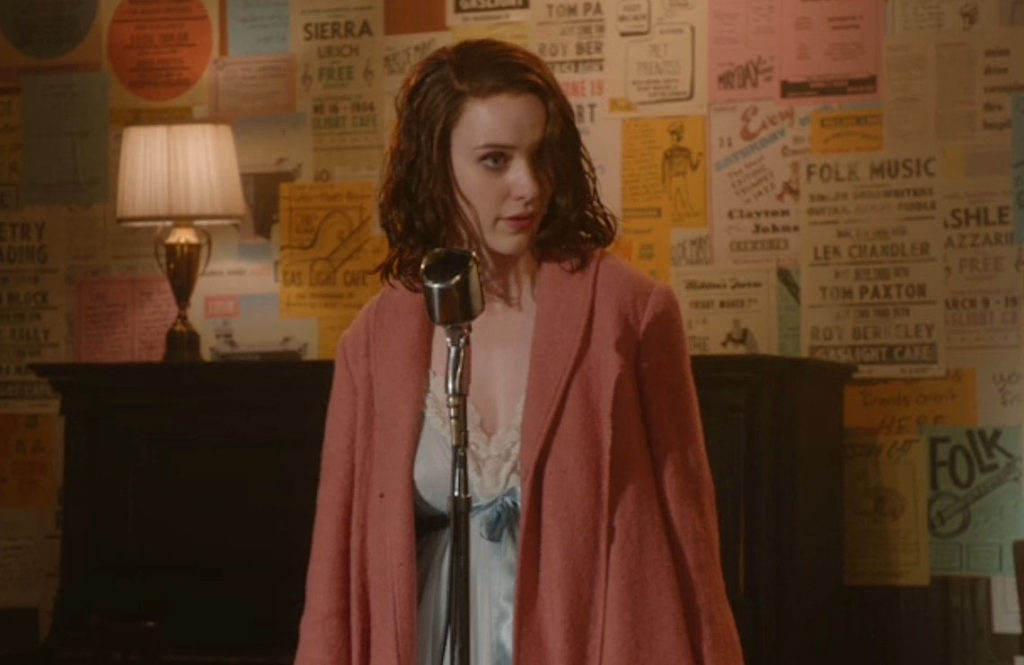
Within the opening minutes of The Marvelous Mrs. Maisel, Miriam “Midge” Maisel appears to have mastered her life. She has the husband, children, Upper West Side apartment, supportive family, and carefully maintained appearance expected of her. She even brings brisket to the Gaslight Cafe to improve her husband Joel’s chances of getting a desirable slot for his struggling stand-up act.
By the end of the pilot, that meticulously constructed life has collapsed, and Midge has accidentally discovered the thing that will redefine it.
Why the pilot works
The episode makes Midge’s transformation meaningful by first showing how much effort goes into being the woman she believes she’s supposed to be. She measures her body, secretly removes her makeup after Joel falls asleep, and wakes before him to put it back on. She manages their social life and supports his comedy ambitions while appearing completely comfortable with the future they’ve planned.
Then Joel admits he’s having an affair and leaves.
Midge gets drunk, returns to the Gaslight, walks onto the stage, and turns the destruction of her marriage into an impromptu comedy routine. The performance is funny, furious, vulnerable, and increasingly uninhibited. When she exposes her breasts to the audience, the nudity isn’t simply there for shock or provocation. After an episode devoted to showing how carefully Midge controls what the world sees, the moment becomes a declaration of independence. For once, she isn’t performing the version of herself everyone expects.
She’s simply showing them who she is.
The DNA of the series
Almost everything that will define The Marvelous Mrs. Maisel is already present. Amy Sherman-Palladino’s rapid dialogue, elaborate camera movement, period setting, music, costumes, complicated family dynamics, and fascination with performance arrive fully formed.
Most importantly, so does Midge’s relationship with Susie Myerson. Midge believes she’s having a breakdown onstage. Susie recognizes talent. Their unlikely partnership becomes the engine of the series, connecting two women whose ambitions will become increasingly intertwined.
Susie’s admission that she doesn’t mind being alone but doesn’t want to be insignificant reveals how much she needs this partnership as well. Helping Midge become somebody may finally give Susie the chance to become somebody herself.
The pilot doesn’t merely set up a story about a woman becoming a stand-up comedian. It shows us the precise moment Midge Maisel discovers that the abilities she has spent her life using to succeed within other people’s expectations might allow her to build a life entirely of her own.
Where to watch: Available to stream.
Lost: “Pilot” (2004)
Jack Shephard opens his eyes in the middle of a bamboo forest. Within minutes, he emerges onto a beach and discovers the wreckage of Oceanic Flight 815 scattered across the sand. People are screaming, an engine is still running, wreckage is exploding, and dozens of survivors desperately need help.
Before audiences have much time to wonder who Jack is, Lost shows them.
He runs toward the chaos.
Why the pilot works
The opening crash sequence immediately establishes the enormous scale of the series, but spectacle isn’t what makes the pilot exceptional. Once the immediate crisis subsides, the episode begins introducing a large collection of strangers without reducing them to exposition.
Kate is resourceful but clearly hiding something. Locke silently observes the people around him. Sawyer is confrontational. Sayid has skills nobody expects. Hurley uses humor to cope with catastrophe. Charlie seems charming until we discover he’s concealing a drug addiction. Even characters who receive relatively little attention leave distinct impressions.
Meanwhile, the island begins asserting itself. Something enormous moves through the jungle. A distress transmission has apparently been broadcasting for years. The survivors gradually realize that rescue may not be coming.
The DNA of the series
The pilot establishes the storytelling machinery Lost will use for six seasons. These people aren’t merely plane-crash survivors. They arrived carrying histories, secrets, regrets, and connections the audience will uncover gradually.
Just as importantly, every answer seems capable of producing another question. The strange noises in the jungle aren’t simply a threat. They’re a mystery. The French transmission isn’t simply evidence that someone else reached the island. It suggests someone was trapped there long before Oceanic 815 arrived.
Even Jack’s defining philosophy appears almost immediately. After Kate stitches his wound, he tells her about allowing himself to feel fear for five seconds during a previous medical crisis before forcing himself to act. That tension between fear and responsibility will follow him throughout the series.
The Lost pilot makes an enormous promise to its audience: these characters are worth understanding, this island is worth investigating, and virtually everything may be more complicated than it initially appears.
Millions of viewers accepted the invitation.
Where to watch: Available to stream; sold on physical media and digitally.
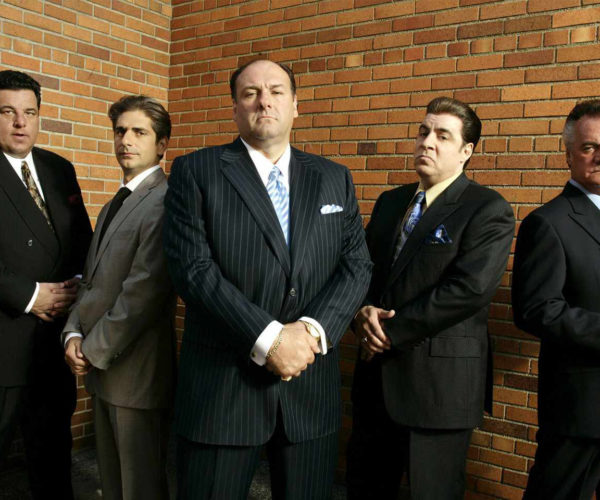
The Sopranos: “The Sopranos” (1999)
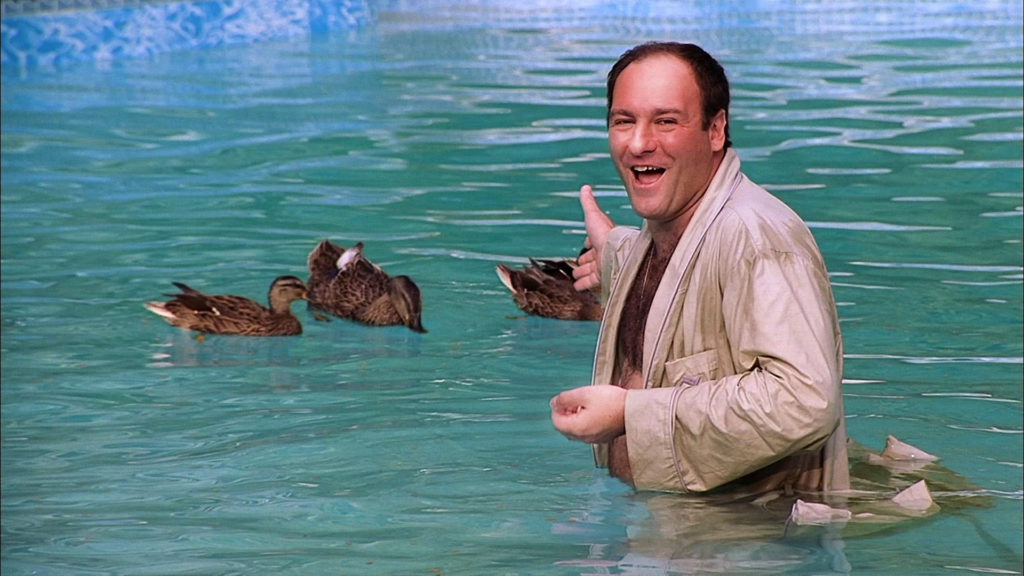
Tony Soprano’s first appearance doesn’t involve a murder, an FBI raid, or a meeting with other mobsters. He’s sitting in the waiting room of a psychiatrist’s office, staring at a statue and wondering how he ended up there.
That choice tells us almost everything we need to know about The Sopranos.
Why the pilot works
Tony has suffered a panic attack, something he finds both frightening and humiliating. His sessions with Dr. Jennifer Melfi give the episode a structure that allows him to describe his life while revealing considerably more than he intends.
He’s a powerful New Jersey mobster who can order violence without hesitation, but he’s overwhelmed by his mother, frustrated by his children, worried about his marriage, and strangely emotional about a family of ducks that has taken up residence in his swimming pool.
The contradiction makes Tony immediately fascinating. He’s capable of brutality and genuine tenderness, sometimes within minutes of each other. The pilot never asks viewers to approve of him. It asks them to become curious about him.
The DNA of the series
Tony’s therapy sessions establish the central device the series will repeatedly use to examine masculinity, family, depression, violence, and Tony’s extraordinary ability to recognize his own problems without necessarily changing his behavior.
The two families competing for Tony’s attention are already taking shape as well. There is his criminal family, with its rivalries, obligations, and constant threats, and his actual family, where Carmela, Meadow, A.J., and especially his mother Livia can exert forms of pressure that organized crime sometimes cannot.
Even the ducks become important. Tony initially talks about them almost as an amusing detail, but Melfi helps him recognize what their departure represents: his fear of losing his family.
That’s The Sopranos in miniature. Behind the mob violence and dark comedy is a man terrified that everything he has built can disappear, while remaining incapable of understanding how often he is the person putting it at risk.
Where to watch: Available to stream; sold on physical media and digitally.
Cheers: “Give Me a Ring Sometime” (1982)
Diane Chambers walks into Cheers expecting to have a drink before leaving Boston with her fiancé. By the end of the episode, the fiancé is gone, her plans have collapsed, and Sam Malone has offered her a job as a waitress.
She came into the bar because she was going somewhere else.
She stays because, unexpectedly, she has found somewhere to belong.
Why the pilot works
“Give Me a Ring Sometime” has the difficult job of introducing an ensemble comedy built almost entirely around people talking to one another in a single location. It succeeds by making the bar and its regulars feel established before Diane ever arrives.
Sam is charming, confident, and immediately interested in Diane, but hints of his history as an alcoholic and former baseball player give him more depth than the standard sitcom ladies’ man. Coach is sweet and slightly bewildered. Carla is abrasive and fiercely protective of her territory. Norm walks through the door and immediately feels as though he’s been sitting on that stool for years.
Diane is the outsider, which makes her the perfect audience surrogate. Her intellectual pretensions and sheltered assumptions collide with the people at Cheers, but the episode never suggests she simply needs to become more like them. She changes the chemistry of the room just by entering it.
The DNA of the series
The Sam and Diane relationship is there immediately: attraction mixed with irritation, two people capable of reading each other surprisingly well while disagreeing about almost everything.
But the pilot also understands something even more important about Cheers. The series isn’t ultimately about running a bar. It’s about why people keep coming back to one.
Nearly the entire show will take place inside this basement room, yet the premise can sustain years of stories because the real subject is community. Careers change. Relationships begin and end. People succeed, fail, fight, celebrate, and embarrass themselves. Then they return to the same familiar stools and the same familiar faces.
The pilot doesn’t need to explain that philosophy. It demonstrates it by giving Diane one of the worst days of her life and then leaving her in the company of people who, only hours earlier, were complete strangers.
For a series that would spend 11 seasons exploring the idea of having a place where everybody knows your name, the destination is remarkably clear from the very beginning.
Where to watch: Available to stream; sold on physical media and digitally.
The Shield: “Pilot” (2002)
For most of its first episode, The Shield appears to be introducing viewers to an unusually aggressive police drama. Detective Vic Mackey leads an experimental anti-gang unit in Los Angeles, and while his methods are clearly questionable, television audiences had seen plenty of cops who bent the rules in pursuit of criminals.
Then Vic shoots another police officer in the face.
Suddenly, everyone understands what show they’re actually watching.
Why the pilot works
The episode carefully establishes Vic as someone viewers might initially categorize as a familiar television antihero. He’s charismatic, effective, respected by his Strike Team, and willing to operate outside normal procedures to get results. Captain David Aceveda believes Vic is corrupt and wants him removed, but the audience doesn’t yet know precisely how far that corruption extends.
Detective Terry Crowley provides the answer. Aceveda has secretly placed him on the Strike Team to gather evidence against Vic, creating what initially appears to be one of the series’ major ongoing conflicts.
The pilot then destroys that expectation.
During a drug raid, Vic takes Crowley’s gun and kills him, making the shooting appear to have been committed by a suspect. A character positioned as a major part of the series is suddenly dead, and its apparent protagonist murdered him.
The DNA of the series
That final act establishes the moral contract The Shield will maintain for seven seasons. Vic isn’t a basically decent cop who occasionally crosses a line. He crossed the line long before viewers met him.
From that point forward, the question isn’t whether Vic will become corrupt. It’s how far he will go to protect himself, his team, and the increasingly complicated web of crimes created by his previous decisions.
The pilot also establishes the tension that drives the series: Vic can genuinely care about victims, his fellow officers, and his family while simultaneously being capable of horrifying acts. Those qualities aren’t presented as separate versions of the character. They’re all Vic Mackey.
One gunshot at the end of the first episode makes that impossible to misunderstand.
Where to watch: Available to stream; sold on physical media and digitally.
Desperate Housewives: “Pilot” (2004)
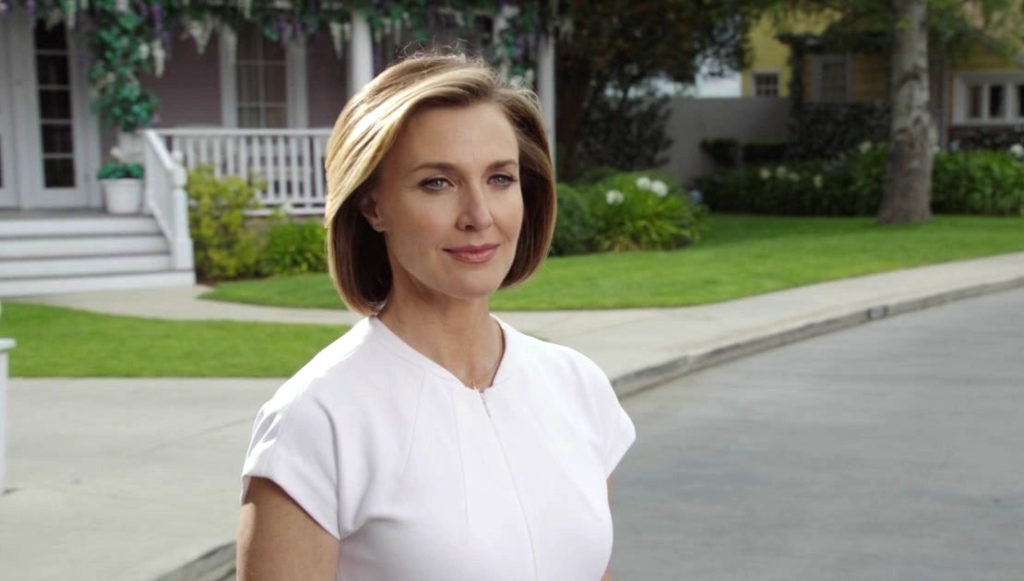
Mary Alice Young lives in a beautiful suburban home, maintains a lovely garden, and appears to have everything required for a happy life on Wisteria Lane. Then she calmly retrieves a revolver from a closet and kills herself.
A moment later, she begins narrating the story.
In less than five minutes, Desperate Housewives establishes exactly what kind of neighborhood we’re entering: immaculate on the surface, deeply troubled underneath, and darkly funny even when something terrible has happened.
Why the pilot works
Mary Alice’s death gives the episode its mystery, but the pilot’s larger accomplishment is introducing four central women without allowing them to blur together.
Susan Mayer is a divorced mother stumbling back into dating. Lynette Scavo abandoned a successful career and is overwhelmed by motherhood. Bree Van de Kamp has constructed an image of domestic perfection while her marriage collapses. Gabrielle Solis has money and beauty but is so unhappy in her marriage that she’s having an affair with her teenage gardener.
Each woman has what someone else might consider an enviable life. Each is privately struggling with something the neighborhood doesn’t necessarily see.
That contrast gives the series an almost limitless storytelling engine.
The DNA of the series
The pilot immediately establishes the mixture of genres that will define Desperate Housewives. It’s simultaneously a soap opera, murder mystery, domestic drama, satire, and comedy. Mary Alice’s narration allows the series to move between those tones while maintaining the slightly heightened storybook quality of Wisteria Lane.
The central friendship is there as well. Susan, Lynette, Bree, and Gabrielle have dramatically different lives, but Mary Alice’s death binds them together and eventually leads them toward the secret she left behind.
Most importantly, the episode establishes the fundamental rule of Wisteria Lane: appearances cannot be trusted. Perfect lawns conceal miserable marriages. Friendly neighbors keep dangerous secrets. The woman who appeared to have everything may have been carrying the darkest secret of all.
The pilot doesn’t simply introduce four characters and a mystery. It gives viewers a neighborhood where virtually every front door promises another story.
Where to watch: Available to stream; sold on physical media and digitally.
Arrested Development: “Pilot” (2003)
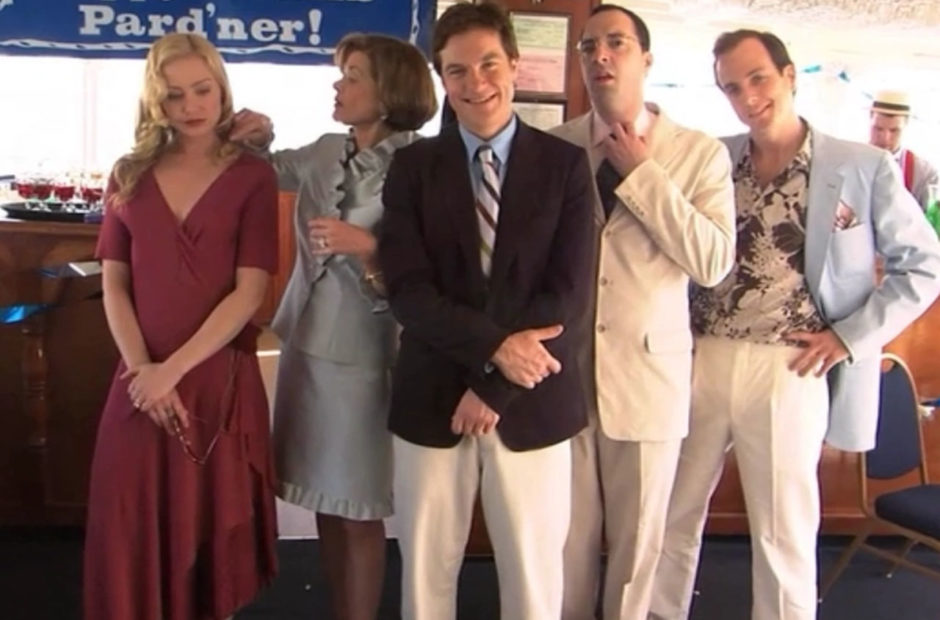
Michael Bluth believes he’s finally about to be rewarded for years spent keeping his dysfunctional family’s real estate company together. Instead, his father names Michael’s mother as the company’s new CEO and is promptly arrested by federal agents.
Michael decides he’s finished rescuing his family.
That resolution lasts roughly as long as anyone who meets the Bluths would expect.
Why the pilot works
Arrested Development introduces an unusually large collection of eccentric characters at remarkable speed. George Sr. is corrupt. Lucille is controlling and casually vicious. Gob is a spectacularly unsuccessful magician. Lindsay is self-absorbed, Tobias is oblivious, Buster is helpless, and George Michael is quietly horrified by his attraction to his cousin Maeby.
Michael sees himself as the responsible member of the family, and compared with everyone around him, he has a point. But the pilot also reveals his central weakness: no matter how often he insists he’s walking away, he can’t stop trying to fix the Bluths.
That contradiction gives the series its engine. The family is intolerable. Michael loves them anyway.
The DNA of the series
Even more impressive is how completely the pilot establishes the show’s unusual comic language. Ron Howard’s narration supplies information, contradicts characters, and functions as part of the joke. Flashbacks provide instant evidence whenever someone lies or misremembers an event. Visual gags can disappear almost before viewers notice them, while jokes introduced in one scene return unexpectedly later.
The series expects audiences to pay attention. A throwaway detail can become a punchline several scenes later, and the funniest information isn’t always delivered by the person currently speaking.
That density would eventually become one of Arrested Development‘s defining characteristics, rewarding repeat viewing because there was almost always another joke hiding somewhere in the episode.
The pilot doesn’t spend several installments gradually discovering that style. The Bluth family and the elaborate machinery used to make fun of them arrive together.
For a show built around people incapable of learning from their mistakes, Arrested Development knew exactly what it was doing from the start.
Where to watch: Available to stream; sold on physical media and digitally.
The Good Place: “Everything Is Fine” (2016)
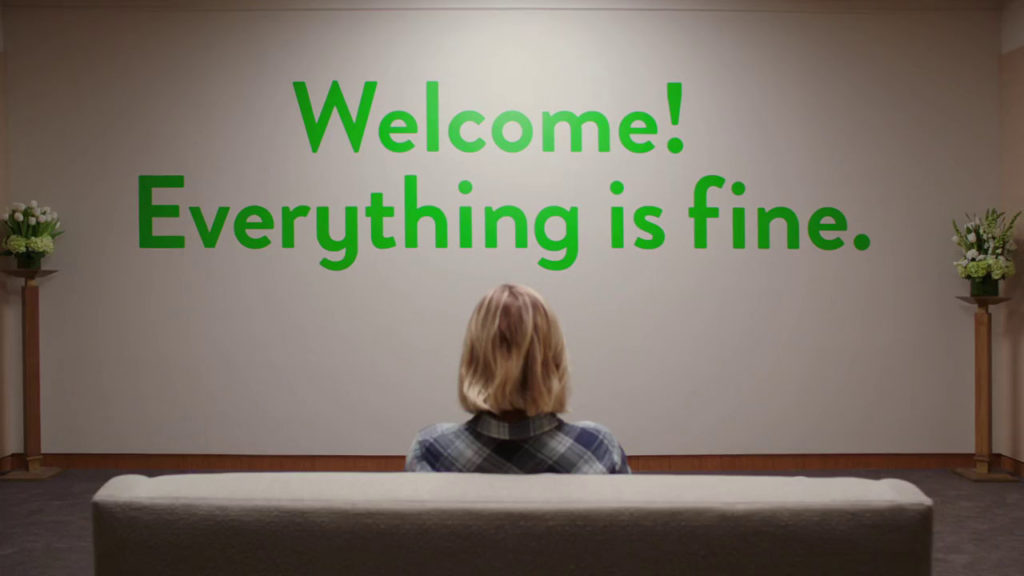
Eleanor Shellstrop is dead.
Michael, the cheerful architect who greets her in the afterlife, assures Eleanor that everything is fine. She lived a good life, earned her place in the Good Place, and can now spend eternity surrounded by other exceptionally virtuous people.
There’s only one problem.
They have the wrong Eleanor Shellstrop.
Why the pilot works
The mistake gives the episode an instantly understandable comic premise. Eleanor knows she doesn’t belong in paradise, but admitting that could get her sent somewhere considerably worse. Her only option is to convince everyone around her that she really is the extraordinary person Michael’s records say she was.
Unfortunately, Eleanor isn’t merely imperfect. She’s selfish, inconsiderate, and remarkably comfortable admitting it to Chidi Anagonye, the ethics professor assigned to be her soulmate.
Chidi therefore faces the first of what will become an endless series of moral dilemmas. Helping Eleanor conceal the truth is dishonest. Exposing her could condemn her to eternal torture. Teaching her to become a better person might solve the problem, assuming Eleanor is capable of becoming one.
The DNA of the series
That relationship contains the central question of The Good Place: what does it actually mean to be good, and can someone become better by genuinely trying?
The pilot disguises philosophy as an extremely accessible sitcom. Ethical questions become character conflicts. Eleanor’s bad behavior literally disrupts paradise, producing giant shrimp, flying garbage, and other absurd consequences while Chidi tries to explain why her actions matter.
Michael’s meticulously designed neighborhood also establishes the show’s playful approach to the afterlife, from frozen yogurt shops to soulmates and personalized homes. The rules are ridiculous enough to generate comedy but specific enough that viewers immediately begin wondering how the system works.
Later episodes will dramatically alter what audiences believe about the Good Place itself, but those revelations don’t invalidate the pilot. The questions introduced here remain the questions the series will explore all the way through its finale.
Eleanor thinks her problem is that she was accidentally sent to the wrong place.
The show understands that her real problem, and her opportunity, is figuring out whether she can become the person everyone mistakenly believes she already was.
Where to watch: Available to stream; sold on physical media and digitally.
Mad Men: “Smoke Gets in Your Eyes” (2007)
Don Draper is sitting alone in a crowded bar, trying to figure out why people smoke.
It’s a deceptively quiet introduction to a man whose career depends on understanding what other people want while much of his personal life will be defined by concealing who he really is.
Why the pilot works
The immediate problem facing Don is professional. It’s 1960, evidence linking cigarettes to serious health problems is becoming impossible to ignore, and Lucky Strike needs Sterling Cooper to find a way to sell cigarettes without making health claims.
That challenge gives the pilot a natural way to introduce Don’s talent. He doesn’t simply write advertisements. He understands desire, insecurity, aspiration, and the stories people tell themselves. When he lands on “It’s toasted,” the factual distinction barely matters. Don has found a way to change the conversation.
Around him, the world of Sterling Cooper quickly takes shape. Peggy Olson arrives for her first day and encounters an office where sexism is treated as ordinary workplace behavior. Pete Campbell is ambitious, entitled, and threatened by Don. Roger Sterling treats the agency with the confidence of someone who has never had to question whether he belongs there.
The DNA of the series
The pilot repeatedly asks viewers to make assumptions and then quietly complicates them. Nowhere is that clearer than with Don.
For most of the episode, he appears to be a successful, unattached advertising executive carrying on a relationship with artist Midge Daniels and flirting with client Rachel Menken. Then Don leaves Manhattan, travels to a suburban house, and walks inside to greet his wife Betty and their children.
It’s not simply a surprise ending. It’s a statement of purpose.
Mad Men will spend seven seasons examining the distance between the identities people construct and the lives underneath them. Advertising is the perfect environment for that story because everyone is selling something, including themselves.
By the finale, Don will have spent years changing jobs, relationships, homes, and versions of himself while still searching for something he can’t quite name. The man sitting in that bar during the pilot already contains that contradiction.
He knows how to convince millions of people what they want.
Figuring out what Don Draper wants will take the entire series.
Where to watch: Available to stream; sold on physical media and digitally.
ER: “24 Hours” (1994)
Dr. Mark Greene is asleep in an exam room when a nurse wakes him because the emergency department needs him.
There’s no elaborate introduction and very little time to explain who everyone is. County General is already operating at full speed, and the audience simply has to catch up.
Why the pilot works
Originally developed by Michael Crichton from a screenplay he had written years earlier, the feature-length pilot follows the emergency department across a single day. Patients arrive, doctors move between cases, personal conversations are interrupted by medical crises, and the staff rarely gets enough time to process one event before something else demands their attention.
The episode introduces a substantial ensemble through work rather than biography. Mark is exhausted and considering leaving for a less demanding job. Doug Ross is talented, charming, and self-destructive. Peter Benton is intensely ambitious. Susan Lewis is capable but still finding her footing. Medical student John Carter arrives inexperienced and quickly discovers that academic preparation and treating actual patients are very different things.
Then head nurse Carol Hathaway arrives as a patient following a suicide attempt.
The emergency suddenly belongs to the people who work there.
The DNA of the series
“24 Hours” establishes the rhythm ER will maintain throughout its 15-season run. Medicine provides the urgency, but the series is about the people trying to practice it while maintaining lives outside the hospital.
There is rarely a clean boundary between those worlds. Doctors make mistakes. Relationships intrude on work. Patients affect caregivers in ways they don’t expect. People leave County General and others take their places, but the emergency department continues operating.
Carter is particularly important to that structure. He enters the pilot as a nervous medical student, allowing viewers to experience County General through someone encountering its intensity for the first time. Over the life of the series, he grows into one of its most experienced physicians.
That makes the pilot especially satisfying in retrospect. The frightened student trying to survive his first day eventually becomes one of the clearest links between the show’s earliest and later generations.
ER would change enormously across 15 seasons because hospitals change. People arrive, learn, burn out, recover, move on, and occasionally return.
The pilot understands from its opening minutes that the one character guaranteed to remain is the emergency room itself.
Where to watch: Available to stream; sold on physical media and digitally.
Twin Peaks: “Northwest Passage” (1990)
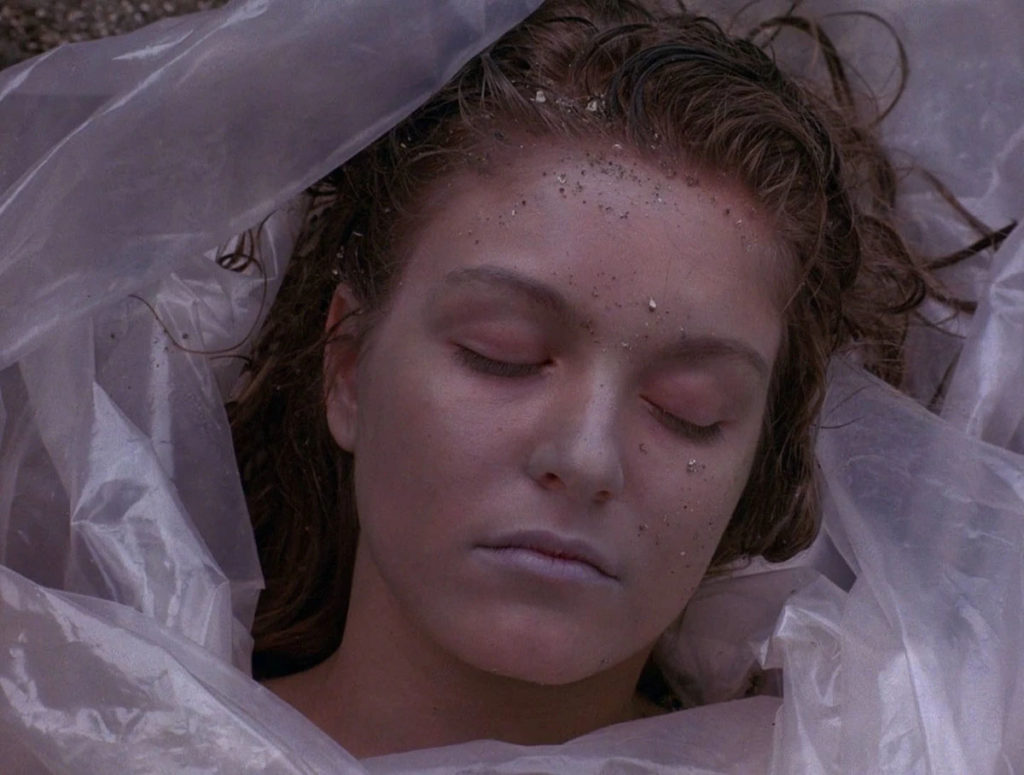
Laura Palmer is dead before Twin Peaks begins, but she dominates nearly every moment of its pilot. Her body, discovered wrapped in plastic on a riverbank, opens a murder investigation that gradually reveals something far more unsettling: almost everyone in this seemingly peaceful town knew a different version of Laura.
Why the pilot works
The feature-length episode takes its time introducing Twin Peaks and the people who live there. Sheriff Harry Truman begins investigating Laura’s death while news of the murder spreads through the community, allowing viewers to meet her family, friends, classmates, and neighbors through their reactions.
Then FBI Special Agent Dale Cooper arrives.
Kyle MacLachlan immediately establishes Cooper as an unusual television investigator. He’s observant and methodical but also enthusiastic about coffee, fascinated by the surrounding trees, and completely willing to follow instincts that other detectives might dismiss. His personality gives the investigation an energy completely different from the grief hanging over the town.
Meanwhile, evidence begins dismantling the image everyone had of Laura. Cocaine, secret relationships, and other discoveries suggest that the popular homecoming queen had a life almost nobody fully understood.
The DNA of the series
The pilot establishes the central contradiction of Twin Peaks: something profoundly dark exists alongside something genuinely warm, funny, and beautiful.
David Lynch and Mark Frost don’t treat those tones as opposites that need to be separated. A devastating scene of grief can sit beside eccentric comedy. A police investigation can coexist with soap opera romance. An apparently ordinary small town can contain secrets that eventually lead somewhere supernatural.
That mixture survives all the way through the original series and becomes even more pronounced when the story returns decades later in Twin Peaks: The Return. The mystery grows enormously beyond the question of who killed Laura Palmer, but the fundamental world established in the pilot remains recognizable.
Perhaps most importantly, Laura herself never becomes merely the dead girl required to start the plot. Understanding who she was, what happened to her, and what existed beneath the version of Laura that Twin Peaks believed it knew remains central to the story.
The pilot begins with a body wrapped in plastic. From there, it spends the rest of its running time telling us that nothing in this town will ever be as simple as it looks.
Where to watch: Available to stream; sold on physical media and digitally.
Friday Night Lights: “Pilot” (2006)
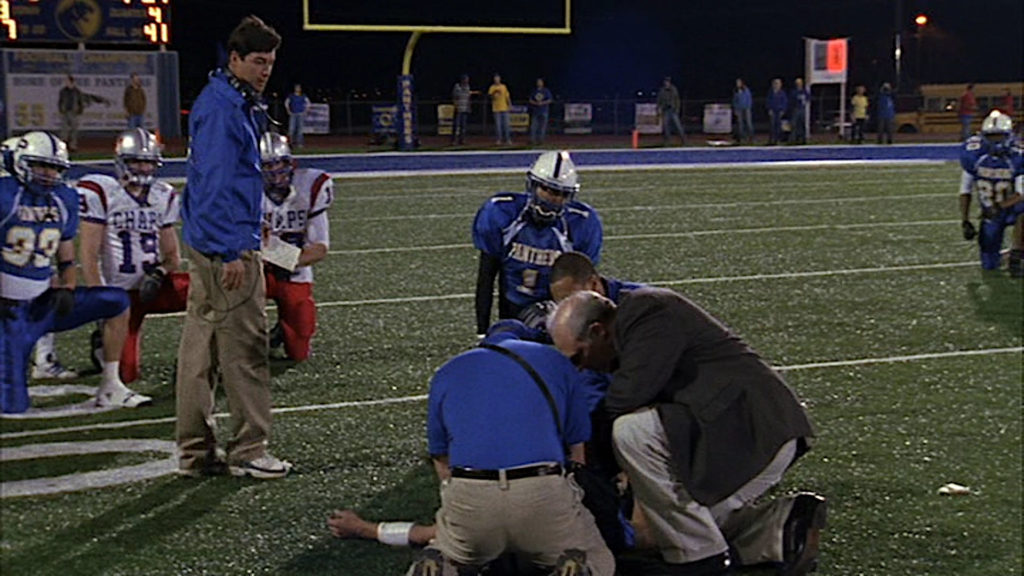
In Dillon, Texas, high school football isn’t an extracurricular activity. It’s an organizing principle. Before the Dillon Panthers have played a single game, local reporters are interviewing teenagers, townspeople are debating the team’s prospects, and Coach Eric Taylor is carrying the expectations of an entire community on his shoulders.
Then the season begins, and everything everyone planned changes in an instant.
Why the pilot works
The episode introduces Dillon by showing how thoroughly football connects its residents. Star quarterback Jason Street is expected to lead the Panthers to a championship. Smash Williams already sees football as his path to something bigger. Tim Riggins possesses enormous talent but little discipline. Matt Saracen is the nervous backup quarterback nobody expects to need.
Eric sits at the center of all those expectations, but the pilot makes clear that he’s more than a football coach. His relationship with his wife Tami and daughter Julie establishes the family that will become the emotional foundation of the series. Kyle Chandler and Connie Britton make Eric and Tami feel like people who had a marriage long before viewers arrived to watch it.
During the Panthers’ first game, Jason suffers a catastrophic spinal injury. Suddenly, the young man everyone expected to become Dillon’s hero is being rushed to the hospital, and Matt Saracen has to walk onto the field.
The DNA of the series
Jason’s injury establishes something Friday Night Lights will never forget: football matters enormously to these characters, but the people playing it matter more.
The series will spend five seasons examining what happens when a community places enormous expectations on teenagers who are still trying to determine who they are. Some players will use football to escape Dillon. Others will discover that the future they imagined isn’t available to them. Eric will repeatedly face situations where winning and doing right by his players aren’t necessarily the same thing.
And through everything, Eric and Tami’s marriage remains central. Jobs change, players graduate, the Taylors eventually move from Dillon High to East Dillon, and the football program itself is transformed. The relationship introduced in the pilot survives all of it.
By the series finale, the story has expanded far beyond the Panthers team we first met. Yet the fundamental idea hasn’t changed. Football can bring a community together and alter the course of a young person’s life, but eventually the lights go out and everyone has to decide who they are without the game.
The pilot already knows that.
Where to watch: Available to stream; sold on physical media and digitally.
Modern Family: “Pilot” (2009)
For most of the Modern Family pilot, viewers appear to be watching three unrelated households.
Claire and Phil Dunphy are raising three children. Mitchell and Cameron have just adopted a baby in Vietnam. Jay Pritchett is adjusting to life with his much younger wife Gloria and her son Manny.
Then the episode brings everyone together and reveals that these aren’t three families and instead it’s one giant family.
Why the pilot works
The reveal is clever, but it works because the episode has already made each household distinct.
Phil desperately wants to be the cool dad while Claire knows somebody has to impose order. Mitchell is anxious about how other people perceive his family, while Cameron is theatrical, emotional, and far less interested in hiding who he is. Jay loves Gloria but isn’t always comfortable with the ways his new marriage challenges his assumptions, while Manny behaves like a middle-aged romantic trapped inside a child’s body.
The mockumentary format gives all of them another way to reveal themselves. Characters can tell the camera one version of events immediately before their behavior demonstrates something entirely different.
The DNA of the series
The final gathering establishes the structure Modern Family will use throughout its 11 seasons. Stories can begin separately within the Dunphy, Pritchett, and Tucker-Pritchett households before intersecting through the larger extended family.
More importantly, the relationships that will drive the series are already recognizable. Phil adores Claire even when he drives her insane. Mitchell and Cameron approach almost everything differently but remain devoted to one another. Jay struggles to express affection while repeatedly demonstrating how deeply he cares about his family.
The pilot also establishes the show’s broader idea of what a family sitcom could look like in 2009. There is no single household presented as the default against which the others are measured. Biological children, stepchildren, adoption, remarriage, an age-gap marriage, and a same-sex couple all exist within the same family tree.
By the finale, the children have grown, relationships have changed, and members of the family are preparing to scatter in different directions. What remains is the idea established by the pilot’s final reveal: these households may function differently, but they’re connected.
Modern Family spends 11 seasons exploring the family revealed in its first 22 minutes.
Where to watch: Available to stream; sold on physical media and digitally.
Scrubs: “My First Day” (2001)
John Dorian arrives at Sacred Heart convinced that years of medical school have prepared him to become a doctor. It takes approximately one shift for that confidence to disappear.
Patients are suddenly real, mistakes have consequences, experienced doctors are terrifying, and J.D. is forced to confront something his education couldn’t teach him: knowing medicine and believing you’re capable of practicing it are two very different things.
Why the pilot works
J.D. provides an ideal entry point into Sacred Heart because almost everything frightens him. His internal narration allows viewers to hear the insecurity he tries to conceal, while elaborate fantasies transform his anxieties into some of the episode’s biggest jokes.
The people who will shape his life arrive almost immediately. Turk is already his best friend and source of confidence. Elliot is another overwhelmed intern who quickly becomes both a romantic interest and professional rival. Carla understands the hospital better than either of them. Dr. Cox terrifies J.D. while gradually emerging as the mentor whose approval he desperately wants.
Then there’s Dr. Kelso. J.D. initially assumes the friendly chief of medicine will be his ally and Cox will be his enemy. By the end of the episode, he begins to understand that appearances inside Sacred Heart can be dangerously misleading.
The DNA of the series
The pilot establishes the unusual tonal mixture Scrubs will maintain for nine seasons. A ridiculous fantasy can be followed almost immediately by a patient’s death. Broad physical comedy can exist alongside fear, grief, and professional failure without either side canceling out the other.
That balance is essential because J.D.’s imagination isn’t simply a source of jokes. It’s how he processes a job where people can die regardless of how desperately their doctors want to save them.
His relationship with Cox also begins exactly where it needs to. J.D. wants reassurance. Cox refuses to provide it easily, pushing him toward becoming a better doctor while pretending not to care whether J.D. succeeds.
Years later, when J.D. finally leaves Sacred Heart, the faces he imagines around him include the friends, coworkers, and patients who shaped his life there. The young doctor terrified by his first day eventually realizes that those relationships were the education that mattered most.
The pilot already has the lesson plan.
Where to watch: Available to stream; sold on physical media and digitally.
30 Rock: “Pilot” (2006)
Liz Lemon begins 30 Rock by buying every hot dog from a street vendor because someone cuts in line.
It’s petty, excessive, strangely principled, and creates considerably more inconvenience for Liz than simply ignoring the problem would have.
In other words, we’ve met Liz Lemon.
Why the pilot works
Liz is the head writer of The Girlie Show, a sketch comedy series starring her longtime friend Jenna Maroney. She has already learned how to manage writers, performers, network demands, and the daily chaos of television production.
Then Jack Donaghy enters her life.
Jack is a newly installed NBC executive who immediately decides the show needs to change. His solution is Tracy Jordan, an unpredictable movie star whose arrival threatens Jenna and gives Liz another personality to somehow keep under control.
The pilot efficiently establishes the triangle that will reshape Liz’s professional life. Jenna represents the show she already knows how to make. Tracy represents chaos she has to learn to manage. Jack represents corporate power that can change the rules regardless of what Liz wants.
The DNA of the series
30 Rock will become faster, stranger, and considerably more densely packed with jokes, but its central machinery is already operating in the pilot.
Liz wants to make good television while surrounded by people whose priorities rarely align with hers. Jack believes he can improve virtually everything through confidence and corporate strategy. Tracy turns unpredictability into a lifestyle. Jenna desperately wants attention. Liz spends much of her time trying to keep all of them moving in roughly the same direction.
Most importantly, Liz and Jack’s relationship begins taking shape. They appear to be natural adversaries: the liberal comedy writer and the conservative corporate executive. Instead, they gradually become friends, mentors, critics, and occasionally the only people capable of telling each other what they need to hear.
By the series finale, the fictional show they’ve spent years struggling to produce is ending, but the relationships created around it have become far more important than the program itself.
The 30 Rock pilot understands that from the beginning. Television production provides the setting, but managing impossible people is Liz Lemon’s real full-time job.
Where to watch: Available to stream; sold on physical media and digitally.
Malcolm in the Middle: “Pilot” (2000)
Malcolm thinks his family is embarrassing, his brothers are disasters, his mother is terrifying, and school is something to survive. Then he learns he’s a genius and gets transferred into the gifted class.
As far as Malcolm is concerned, this is not good news.
Why the pilot works
The episode establishes the family through chaos rather than explanation. Lois rules the household through sheer force of will. Hal is affectionate but considerably less capable of imposing order. Reese makes Malcolm’s life miserable. Dewey is Dewey. Francis, already shipped off to military school, remains Malcolm’s hero largely because he managed to escape.
Malcolm’s discovery that he has an exceptionally high IQ threatens the one thing he desperately wants: the possibility of being normal. His transfer into the school’s gifted class marks him as different in yet another way, forcing him into a social group he initially wants nothing to do with.
His direct addresses to the camera make the audience his confidant. Malcolm may not be able to control his family, his school, or the direction of his life, but at least he can turn to us and explain exactly how ridiculous everyone else is.
The DNA of the series
The pilot establishes the controlled disorder that will define Malcolm in the Middle for seven seasons. The family loves one another, but that doesn’t make them remotely functional. Money is perpetually tight, privacy barely exists, punishment can escalate into warfare, and virtually any ordinary activity has the potential to become a catastrophe.
Malcolm’s intelligence doesn’t provide an escape from any of it. If anything, being smart enough to understand exactly how insane his circumstances are makes him more frustrated.
That idea survives all the way to the finale. Malcolm eventually learns that Lois has enormous expectations for his future, not because she believes his intelligence makes him better than everyone else, but because she believes his difficult upbringing gives him an obligation to understand people whose lives aren’t easy.
The pilot begins with Malcolm believing his family and intelligence are obstacles standing between him and a normal life. The series ultimately argues that those are precisely the things shaping the person he might become.
For a comedy famous for household destruction and screaming matches, that’s a remarkably consistent idea to carry from beginning to end.
Where to watch: Available to stream; episodes and seasons are also available digitally.
Six Feet Under: “Pilot” (2001)
Nate Fisher returns home to Los Angeles for Christmas expecting another uncomfortable visit with his family. Before he even reaches the house, his father Nathaniel is killed in a traffic accident while driving the family’s hearse.
For a family that makes its living helping other people deal with death, suddenly having to deal with its own proves considerably more difficult.
Why the pilot works
The death immediately brings the Fisher family’s tensions to the surface. Nate has deliberately built a life away from the funeral home. David stayed and carries both the responsibilities of the business and secrets about his personal life. Claire is a teenager trying to define herself within a family preoccupied with death. Ruth has spent years performing the role expected of her and responds to her husband’s death by abruptly revealing that she had been having an affair.
Each character is grieving the same man while experiencing that loss differently.
The family business gives the pilot a distinctive perspective on death. Bodies have to be prepared. Customers have to be served. Arrangements have to be made. The practical machinery surrounding death continues operating even when the people responsible for it are emotionally falling apart.
The DNA of the series
The pilot establishes death not as the subject of an occasional special episode, but as an ordinary presence in the characters’ lives. That allows Six Feet Under to spend five seasons asking questions about how people live when they know, whether they acknowledge it or not, that every life ends.
The Fisher family will change enormously. Relationships begin and collapse, secrets emerge, people leave, children are born, and the funeral business itself faces an uncertain future. Yet the tension introduced by Nathaniel’s death remains: knowing intellectually that death is inevitable does almost nothing to prepare someone for experiencing loss.
That makes the pilot especially powerful when viewed alongside the series finale. Few television endings engage as directly with the ideas introduced in their first episode. A series that begins with a sudden death ultimately shows us where the lives of its surviving characters will end as well.
The distance between those two moments is the entire point.
Six Feet Under begins by asking how people continue living after someone dies. By the end, it has spent five seasons making the case that knowing life ends is exactly why living it matters.
Where to watch: Available to stream; sold on physical media and digitally.
Better Call Saul: “Uno” (2015)
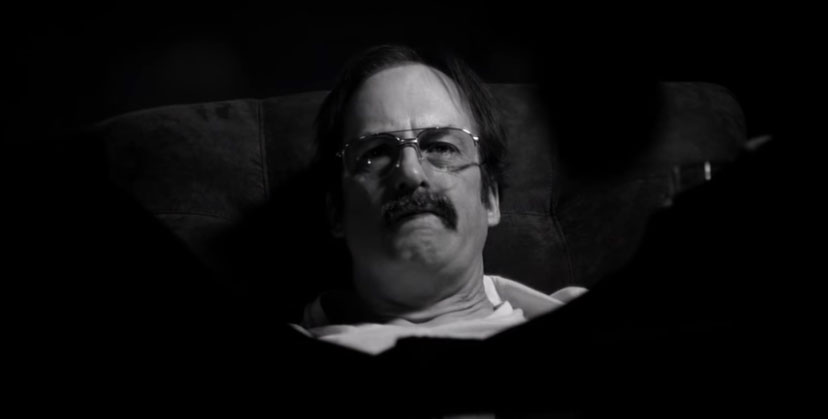
The first time we see Saul Goodman in Better Call Saul, he isn’t Saul Goodman at all.
He’s Gene Takavic, living anonymously in Omaha after the events of Breaking Bad, terrified that someone will recognize him. Then the story jumps backward to Albuquerque, where Jimmy McGill is a struggling public defender earning almost nothing, driving a battered Suzuki Esteem, and working from an office in the back of a nail salon.
We already know where Jimmy ends up.
The pilot makes us want to understand how he gets there.
Why the pilot works
Jimmy could easily have been introduced as a younger version of the flamboyant criminal lawyer audiences already knew. Instead, the episode gives us someone far more sympathetic. He’s broke, frustrated, hustling for clients, and desperately trying to establish a legitimate legal career.
His relationship with his brother Chuck immediately complicates that struggle. Jimmy brings Chuck groceries and looks after him while Chuck lives isolated from the outside world, apparently suffering from an extreme sensitivity to electricity. Jimmy admires his brother and wants his respect, a need that will become enormously important as their relationship develops.
But the hustler inside Jimmy is already visible. When an opportunity involving two skateboarders presents itself, he quickly begins constructing a scheme. The plan goes disastrously wrong and leads him directly to Tuco Salamanca.
The DNA of the series
The central tragedy of Better Call Saul is contained in that contrast. Jimmy genuinely wants to succeed legitimately, but shortcuts come naturally to him. He’s clever enough to find unconventional solutions and insecure enough to crave the immediate validation they provide.
The pilot also establishes the show’s fascination with process. Legal work, scams, negotiations, and tiny decisions receive enormous attention because consequences rarely arrive all at once. Jimmy McGill doesn’t wake up one morning and decide to become Saul Goodman. He gets there through hundreds of choices, many of which seem defensible when he makes them.
Knowing the destination actually makes the journey more painful. Across six seasons, viewers repeatedly see opportunities where Jimmy might become someone else, while understanding that eventually the frightened man working at a Cinnabon is waiting for him.
The pilot begins with the consequences and then asks us to watch the choices that created them.
Where to watch: Available to stream; sold on physical media and digitally.
Frasier: “The Good Son” (1993)
Frasier Crane has returned to Seattle with a new job, a new apartment, and a carefully imagined new life. Then his father moves in.
So does his father’s battered recliner… and his dog.
Within one episode, the sophisticated psychiatrist’s vision of independence has been replaced by exactly the kind of complicated family obligation he thought he had left behind.
Why the pilot works
Frasier’s new radio program immediately establishes the professional side of the series. Callers bring him their problems, Frasier offers advice, and producer Roz Doyle is there to puncture his ego whenever necessary.
His own problems prove considerably harder to solve.
Martin Crane can no longer safely live alone after being shot years earlier while working as a police officer. Frasier reluctantly invites him to move in, imagining that generosity will somehow allow everything else in his life to remain unchanged.
Martin quickly makes clear that isn’t going to happen.
Their conflict isn’t simply about furniture or privacy. Frasier and Martin love each other but have almost no idea how to communicate. Frasier’s brother Niles adds another variation on the Crane family dynamic, sharing Frasier’s intellectual tastes while carrying his own complicated feelings about their father.
The DNA of the series
The title “The Good Son” gets directly at what Frasier will spend 11 seasons exploring. Frasier is extraordinarily good at analyzing other people’s relationships while remaining remarkably bad at navigating his own.
The pilot also introduces Daphne Moon, hired to assist Martin, completing the unusual household that will become the show’s emotional center. Frasier believes these people are invading the elegant life he intended to create. Eventually, that crowded apartment becomes the life that matters.
The final conversation between Frasier and Martin is particularly important. After spending much of the episode fighting, Martin thanks his son. Neither man suddenly becomes comfortable expressing emotion, but the possibility of a better relationship is there.
That promise carries all the way to the finale. Frasier changes careers, romances come and go, Niles builds a family of his own, and Martin finds another chance at happiness. Underneath all of it is the story introduced in the pilot: people who love one another learning how to actually live like they do.
Frasier thought moving home meant starting over.
The pilot understands that going home is what finally gives him somewhere to begin.
Where to watch: Available to stream; sold on physical media and digitally.
Succession: “Celebration” (2018)
Logan Roy is turning 80, and his son Kendall believes he’s about to inherit the family business.
Instead, Logan announces that he’s staying in charge.
Within one episode, Succession establishes the struggle that will consume the Roy family for four seasons: children desperate to inherit their father’s power while remaining emotionally incapable of escaping his control.
Why the pilot works
“Celebration” introduces the Roys through a family gathering, giving viewers an immediate look at the competing personalities surrounding Logan. Kendall has positioned himself as the obvious corporate successor. Roman treats almost everything as a joke. Shiv has built a career outside Waystar Royco while remaining deeply connected to the family. Connor exists somewhat apart from the corporate battle but is no less shaped by being Logan’s son.
Then there are the people trying to enter the family’s orbit, particularly Tom Wambsgans and Greg Hirsch. Their dramatically different positions within the Roy ecosystem give the series additional ways to examine how proximity to wealth and power changes people.
The pilot doesn’t require viewers to like these characters. It needs us to understand what they want.
They want Logan’s approval.
They want his company.
And they frequently have difficulty distinguishing between the two.
The DNA of the series
Logan’s refusal to step aside establishes the cycle that will repeat throughout Succession. One of his children appears close to gaining power. Logan undermines them. Alliances form and collapse. The siblings compete against one another even when cooperation might be their best chance of escaping their father’s control.
The pilot also establishes the show’s brutal understanding of money. The Roys possess almost unimaginable wealth, yet it provides remarkably little emotional security. Logan can turn affection into leverage, while his children use money casually because they’ve never had to understand what it means to people outside their world.
That dynamic is captured particularly well when Roman offers a working-class child an enormous amount of money if he can hit a home run, then tears up the check when the boy fails. It’s cruelty transformed into entertainment by someone who barely understands the value of what he’s dangling in front of another person.
By the finale, Logan is gone and the question of succession finally receives an answer. Yet the children remain trapped by patterns established at his 80th birthday celebration.
The title tells us what the series is about before the Roys do.
Someone eventually has to succeed Logan.
The pilot begins demonstrating why none of his children may ever truly be able to.
Where to watch: Available to stream; sold on physical media and digitally.
More Television History
Great television moments don’t end with the first episode. Explore more of the beginnings, endings, and turning points that have shaped TV history.
A great pilot doesn’t need to explain everything.
It needs to make a promise.
The best TV pilots introduce a world, establish the people who will matter, and reveal enough of a series’ identity that viewers understand what kind of story they’re being invited into. Sometimes that happens through a massive plane crash. Sometimes it happens in a psychiatrist’s office, a Boston bar, or a comedy club where someone’s life is falling apart in real time.
What makes these pilots especially remarkable is how much of the eventual series is already visible. The characters will grow, relationships will change, and the stories may expand in directions nobody could have predicted, but the essential DNA is there from the beginning.
That’s the real test of a great pilot. Years later, after the final episode has aired, you can return to the first one and recognize the show you eventually came to love.
Fun Jug Media, LLC (operating TheNerdy.com) has affiliate partnerships with various companies. These do not at any time have any influence on the editorial content of The Nerdy. Fun Jug Media LLC may earn a commission from these links.