What is canon in movies and television? In its simplest form, canon is the collection of stories, events, characters, and information officially considered to have happened within a fictional universe. If something is canon, later stories can generally treat it as part of that universe’s established history. If it is not canon, it may still be an officially licensed story, an alternate version, or something fans love, but the main continuity does not necessarily have to acknowledge it.
That sounds straightforward until a franchise lasts for decades. Movies contradict earlier movies. Television shows expand stories that began in theaters. Comics and novels fill gaps between installments. Reboots discard some stories while preserving others. Time travel creates alternate histories, and multiverses allow several contradictory versions of the same character to exist simultaneously.
That is why arguments about canon have become such a large part of modern fandom. The question is no longer simply whether a story exists. It is whether that story “counts,” which version of the fictional universe it belongs to, and whether future installments are expected to follow what it established.
What Does Canon Mean in Fiction?
Canon refers to the material recognized as part of the official story of a fictional universe or continuity. If a movie establishes that a character was born in a particular place, for example, that information becomes part of the character’s canonical history unless a later story changes, contradicts, or replaces it.
The term is useful because popular fictional worlds frequently extend far beyond a single story. A franchise may include movies, television series, novels, comics, games, web series, reference books, and other material. Simply carrying an official logo does not always mean every one of those stories occupies the same continuity.
Ultimately, canon is determined by whoever controls the fictional property. A studio, publisher, creator, or designated creative team decides which stories future storytellers are expected to recognize.
Fans can debate whether those decisions are good, whether contradictions make sense, or if a discarded story is better than the official replacement. What fans generally cannot do is make something officially canonical simply by liking it.
Canon and Continuity Are Not Exactly the Same Thing
Canon and continuity are closely related, but they describe slightly different ideas.
Canon answers whether a story or event officially counts. Continuity describes how those accepted stories and events connect with one another.
Imagine a television series that runs for seven seasons. All seven seasons may be canon. If an episode in Season 6 contradicts something established in Season 2, however, the show has created a continuity problem. The contradiction does not automatically make either episode non-canon.
This distinction becomes particularly important in long-running franchises. Minor inconsistencies can accumulate over decades without anyone officially removing the stories containing them. Character ages may stop making sense, dates can conflict, and events may be remembered differently by later writers.
A fictional universe can therefore have imperfect continuity while all of the conflicting material remains canon.
Who Decides What Is Canon?
There is no universal authority governing fictional canon. Each property establishes its own rules.
For a creator-controlled work, the original writer or filmmaker may have enormous authority over what counts. A large corporate franchise is more complicated. Studios and publishers may employ producers, editors, continuity teams, or dedicated story groups to coordinate material produced by many different creators.
The rules can also change when ownership or creative leadership changes. Material that was once treated as part of a franchise’s history may be reclassified, ignored, or replaced so new stories have room to develop.
Star Wars provides one of the clearest examples.
Star Wars Shows How Canon Can Change
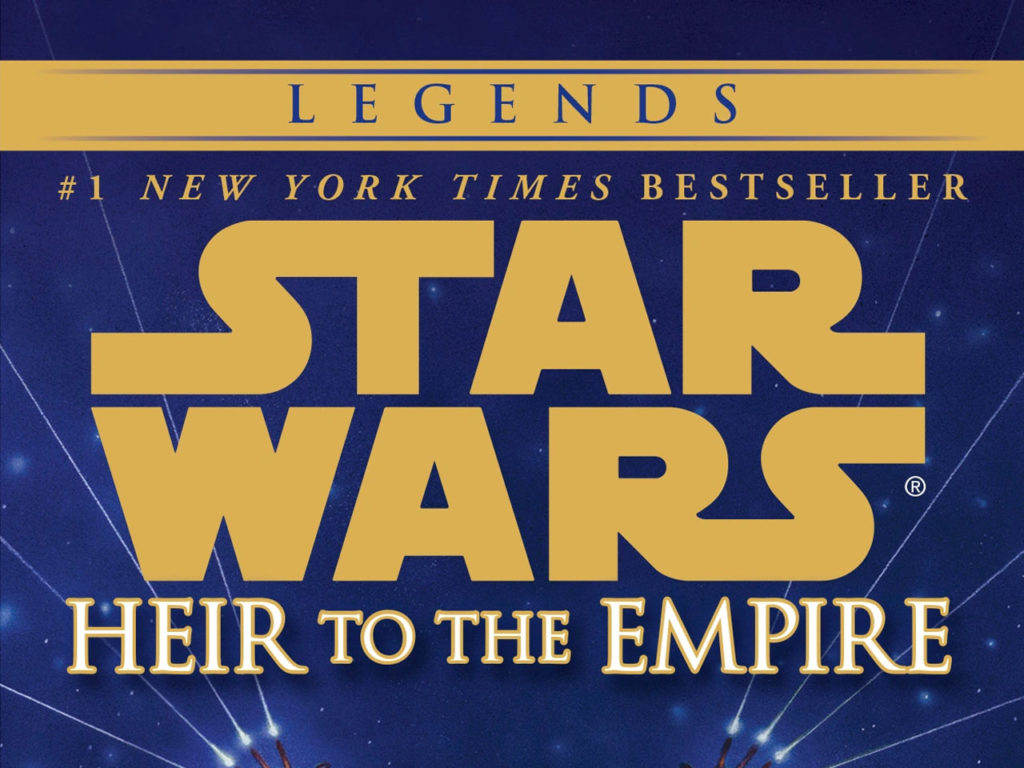
For decades, Star Wars expanded far beyond the movies through novels, comics, games, and other stories commonly grouped together as the Expanded Universe. Those works created marriages, children, wars, deaths, and decades of history extending well beyond what audiences had seen in theaters.
That became a problem when Lucasfilm prepared to produce a new generation of movies following Return of the Jedi. Existing Expanded Universe stories had already filled much of that territory.
In 2014, Lucasfilm reorganized the franchise. The six existing theatrical episodes and Star Wars: The Clone Wars remained foundational canon, while the previous Expanded Universe was rebranded as Star Wars Legends. New novels, comics, television programs, and other projects could then be coordinated as part of a new unified continuity.
The old stories did not disappear. They remained available, and fans could continue enjoying them. They simply were no longer the history that new Star Wars movies and television programs were required to follow.
That distinction demonstrates one of the most important things about canon: non-canon does not mean nonexistent, unofficial, or worthless. It means the story does not currently occupy the primary continuity being followed by the franchise.
Franchises can even bring elements back. Characters, planets, organizations, or ideas originating in discarded continuity can be reintroduced in new canonical stories, sometimes with substantially different histories.
Can Official Stories Be Non-Canon?
Yes. Something can be officially licensed and still not be part of a franchise’s primary canon.
This happens frequently with tie-in novels, comics, video games, and promotional stories. A studio may authorize another company to produce stories using its characters without requiring future movies or television programs to follow everything those stories establish.
Star Trek has traditionally provided a useful example. Its novels and comics have told thousands of stories using established characters, but screen productions have generally occupied a different status. A novel can therefore be an officially licensed Star Trek story without automatically becoming history that a future television writer must preserve.
DC Comics created its Elseworlds imprint specifically to give creators the freedom to tell stories outside the established continuity. That allowed writers and artists to radically reinvent familiar characters and settings without being beholden to the primary DC timeline.
This arrangement gives tie-in writers considerably more freedom. They can explore periods and characters that television or film may never revisit, while future screen productions are not permanently restricted by every licensed story published in the meantime.
Can Something Be Canon but Take Place in Another Universe?
Yes, and the rise of multiverse storytelling has made this distinction increasingly important.
Canon does not necessarily mean that everything happened to one version of one character in one continuous timeline. A franchise can establish multiple universes, each containing events that officially exist within the larger fictional setting.
Marvel offers an obvious example. Marvel Comics has long used numbered realities to distinguish different universes. Earth-616 traditionally identifies its primary comic-book universe, while numerous alternate realities contain different versions of familiar characters.
Those alternate worlds do not automatically become non-canon merely because they are not Earth-616. They are established parts of Marvel’s larger multiverse.
This is particularly useful when discussing movies. A film can belong to a different continuity from another film while both remain legitimate parts of the larger franchise. The question becomes less “Is this canon?” and more “Which continuity is this canon to?”
What Is a Retcon?
A retcon, short for retroactive continuity, occurs when a later story changes how audiences are supposed to understand something established earlier.
A retcon does not necessarily erase the earlier story. Sometimes new information simply changes its meaning. A character believed to be dead may later be revealed to have survived. A villain’s previously established motivation may turn out to have hidden another purpose. Two characters thought to be unrelated may later be revealed as family.
Other retcons are more aggressive and effectively overwrite earlier information.
Long-running comic books are particularly familiar with this process because characters can remain active for generations while the world around them changes. Origins are adjusted, dates move forward, and historical references are updated so characters created decades ago do not necessarily age in real time.
Retcons are therefore different from removing something from canon. The earlier story may still have happened; audiences are simply being given new information about what it meant.
What Happens When a Sequel Ignores Earlier Movies?
This is where canon becomes especially useful for understanding modern movie franchises.
A sequel does not always continue every movie that came before it. Sometimes filmmakers return to an earlier installment and create a new branch from that point.
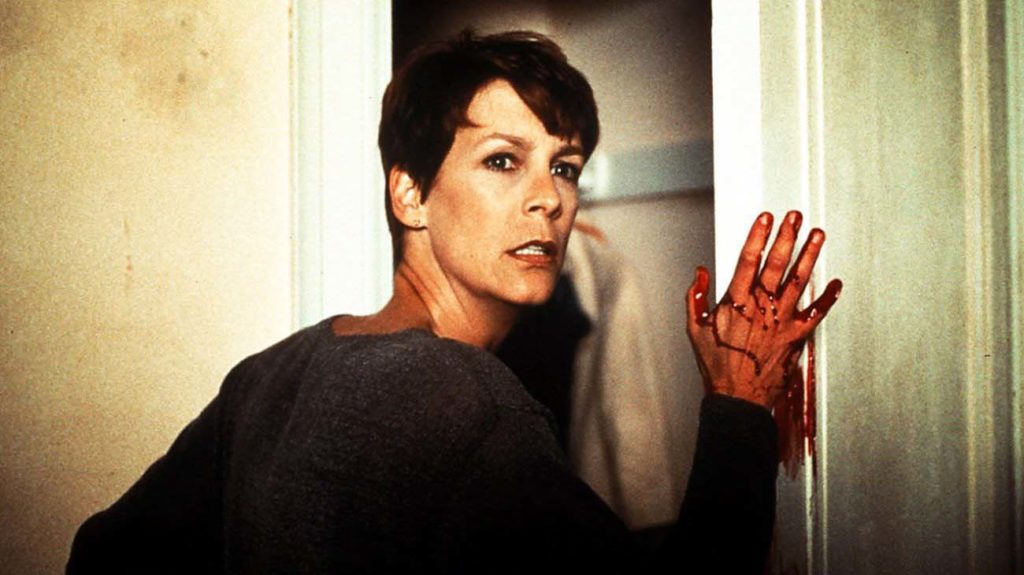
The Halloween series has done this repeatedly. Halloween H20: 20 Years Later continued from the first two movies while ignoring several sequels that followed. Halloween 2018 went even further, continuing directly from the 1978 original and ignoring every previous sequel, including 1981’s Halloween II.
Those discarded sequels did not cease to exist. They simply belong to different Halloween continuities.
The same basic idea appears throughout modern franchise filmmaking. Returning to an earlier point in continuity allows creators to preserve the parts of a series they want while removing story developments that would complicate a new direction.
More Franchise Reading
Canon becomes particularly complicated when sequels, reboots, and alternate timelines begin overlapping.
Does a Reboot Erase the Original Canon?
Usually, no. A reboot generally establishes a new continuity rather than somehow deleting the previous stories.
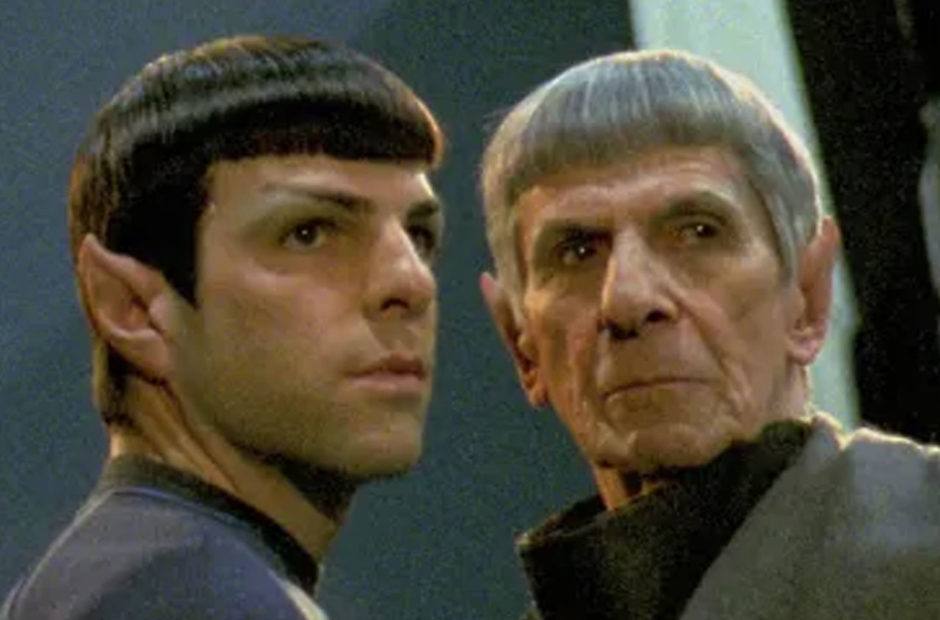
The 2009 Star Trek movie offers an unusually literal example because its new continuity is created within the story itself. Time travel produces an alternate reality commonly known as the Kelvin Timeline. The earlier Star Trek continuity continues to exist rather than being retroactively declared never to have happened.
Other reboots do not bother providing an in-universe explanation. They simply begin again. The previous movies remain their own completed continuity, while the reboot establishes another version of the characters and their history.
This is why saying a reboot “made the old movies non-canon” can be misleading. A better question is often: canon to which version of the franchise?
What Is Headcanon?
Headcanon is a fan’s personal interpretation of a fictional story that has not been officially established.
A viewer might develop an explanation for why a character behaved strangely in one episode, imagine what happened between two movies, or decide that two apparently unrelated events are secretly connected. If the official story neither confirms nor contradicts that interpretation, the viewer may choose to treat it as part of their personal understanding of the story.
Headcanon can be elaborate or trivial, and there is nothing wrong with using it to fill gaps left by a story. It simply should not be confused with official canon.
A popular fan theory does not become canon because millions of people believe it. It becomes canon only if the people responsible for the property incorporate it into the official story.
What Is Fanon?
Fanon describes ideas that become widely accepted within a fan community, even though the official story never established them.
It is essentially collective headcanon. A characterization, relationship, nickname, explanation, or interpretation may become so common in fandom that people begin assuming it came from the source material.
Sometimes creators eventually adopt ideas that originated among fans, at which point some version of the concept may become canonical. Until that happens, widespread acceptance does not give fanon official status.
Are Deleted Scenes Canon?
Not automatically.
A deleted scene may reveal what filmmakers intended at one stage of production, but removing it from the finished movie makes its canonical status uncertain. The final released story may work differently without it, and a later installment may contradict information contained in the deleted material.
The same caution applies to scripts, concept art, novelizations, interviews, and behind-the-scenes comments. They can provide valuable information about creative intent, but individual franchises determine whether material outside the finished work carries canonical authority.
If a later movie explicitly establishes the same information, the question becomes much easier. At that point, the fact is supported by the canonical story itself rather than relying on material that never appeared in the finished version.
Are Novelizations Canon?
It depends on the franchise.
Movie novelizations frequently contain scenes, dialogue, character thoughts, and background information that do not appear in the finished film. Some of that material may come from an earlier screenplay and can even contradict changes made during production.
For that reason, a novelization should not automatically be treated as a definitive source for movie canon. A franchise may recognize it, recognize only portions that do not conflict with the film, or treat the movie itself as the higher authority whenever the two disagree.
This is another reason there is no single rule covering every fictional universe. Canon is a policy established by the people controlling a particular property, not a law that all storytelling franchises follow in exactly the same way.
Can Canon Contradict Itself?
Absolutely. The longer a franchise lasts, the more likely it becomes.
Writers change. Producers change. Records are imperfect. A minor detail established twenty years earlier may be forgotten. An actor may return playing a different character, dates may stop lining up, or a prequel may introduce information that does not fit comfortably with the original story.
Fans sometimes attempt to reconcile every contradiction with elaborate in-universe explanations, and occasionally later writers provide one. Other times, a contradiction is simply a contradiction.
Both pieces of material can remain canon even when they cannot be perfectly reconciled.
This will become especially relevant when discussing franchises such as the X-Men movies, where changing timelines explain some inconsistencies but do not magically resolve every continuity problem accumulated across decades of films.
Why Does Canon Matter?
Canon gives shared fictional universes a common history.
Without some understanding of what counts, a writer working on the tenth installment of a franchise would have no way of knowing which earlier events should influence the new story. Audiences would likewise have difficulty knowing whether remembering an earlier movie is useful or completely irrelevant.
It becomes increasingly important as franchises expand across different media. A movie may refer to something that happened on television. A television series may introduce a character who later appears in a film. A novel or comic may fill a gap between them. Establishing which stories belong to the same continuity tells audiences whether those connections are intentional parts of a larger narrative.
Canon also makes deviations meaningful. An alternate-universe story works because audiences understand how that world differs from the familiar version. A reboot can surprise viewers by changing something that had been established for decades. A retcon matters because audiences remember what they previously believed to be true.
In other words, canon is not simply a list of rules fans use to win arguments. It is the framework that allows an ongoing fictional world to have a history.
Canon FAQ
What does canon mean in movies and TV?
Canon is the collection of stories, events, characters, and information officially recognized as part of a fictional universe or continuity. Future stories within that continuity are generally expected to treat canonical events as having happened.
Is canon the same as continuity?
No. Canon determines whether material officially counts, while continuity describes how the accepted stories and events fit together. A franchise can have continuity contradictions without removing either conflicting story from canon.
Can something official be non-canon?
Yes. Licensed novels, comics, games, promotional stories, and other official material are not automatically part of a franchise’s primary continuity. Each property establishes its own rules about which media are canonical.
Can there be more than one canon?
Yes. A franchise can contain multiple continuities or universes, each with its own canonical history. Reboots, alternate timelines, and multiverses make this increasingly common.
Does non-canon mean a story doesn’t matter?
No. A non-canon story can still be officially produced, influential, popular, and worth experiencing. The designation simply means future stories in the primary continuity are not required to treat its events as established history.
Can something become canon later?
Yes. Creators can introduce characters, concepts, or events from previously non-canonical material into an official continuity. The new version becomes canonical, although it does not necessarily make the entire older story canon with it.
What is headcanon?
Headcanon is a fan’s personal interpretation or belief about a fictional universe that has not been officially established. It can fill gaps or explain ambiguities, but it remains separate from official canon unless creators later incorporate the idea into the story.