Why do horror movies have smaller budgets than many of the blockbusters surrounding them at the multiplex? It does not necessarily mean audiences are getting less movie for the money. In a genre built around tension, isolation, uncertainty, and the fear of what might be waiting just outside the frame, spending more can sometimes add surprisingly little to what actually makes a movie frightening.
That has made horror unusually compatible with low-budget filmmaking. A scary movie can take place almost entirely inside one house, rely on a handful of actors, and turn darkness or an unseen threat into part of its appeal. It does not necessarily need enormous sets, dozens of locations, expensive stars, armies of digital artists, or lengthy action sequences to deliver what audiences came to see.
There are plenty of expensive horror movies, and a smaller budget does not guarantee either quality or profitability. The genre simply offers filmmakers more ways to turn financial limitations into creative advantages, which helps explain why horror has produced some of the most famous low-budget success stories in movie history.
Why Do Horror Movies Have Smaller Budgets?
The simplest answer is that many of the things that make other genres expensive are optional in horror.
A superhero movie may need elaborate costumes, enormous visual effects sequences, stunt teams, constructed environments, and actors who command substantial salaries. A science fiction epic may require the creation of entire worlds. Even a large-scale action movie can involve months of location work, vehicle sequences, explosions, and complicated stunt photography.
Horror can certainly use all of those things, but it does not require them. A filmmaker can build an effective horror story around a family moving into a house, people trapped in an isolated location, a killer stalking a small group of characters, or something supernatural that audiences barely see.
That flexibility affects almost every part of a production budget. Fewer locations mean less travel and fewer location fees. A smaller cast reduces salary costs. A contemporary setting can eliminate the expense of recreating another historical period or constructing an imaginary world. A threat that remains partially hidden may require fewer visual effects than one that spends half the movie destroying a city.
None of those choices automatically makes a movie scary. They simply mean that horror filmmakers can concentrate a larger percentage of their resources on the particular elements their story needs.
Fear Doesn’t Require Expensive Spectacle
One of horror’s greatest financial advantages is that audiences do not necessarily need to see something enormous for it to frighten them. Quite often, not seeing it is more effective.
Suspense can come from an empty hallway, a noise in another room, a character realizing someone has entered the house, or the possibility that something is standing in the darkness. Those moments depend far more on direction, editing, sound, performance, and timing than on the size of the production budget.
This is fundamentally different from genres where spectacle is part of the promise. If a movie is selling audiences an enormous battle between superheroes, viewers reasonably expect to see that battle. Horror can promise that something terrible is behind a closed door and spend several minutes making audiences dread the moment someone opens it.
Contained Locations Can Make Horror Better
A limited number of locations is one of the easiest ways to reduce a movie’s cost, and horror has a long history of stories that actually benefit from keeping their characters trapped in one place.
A house, cabin, motel, abandoned building, underground facility, or stretch of wilderness can become part of the threat. Instead of making a production feel small, the limited environment creates claustrophobia. Characters cannot simply leave, help is unavailable, and familiar surroundings become increasingly dangerous as the story progresses.
The same principle applies to home-invasion movies. The filmmakers do not need to convince audiences that one house represents an entire world. The fact that the characters cannot safely escape that house is the point.
This creates a useful overlap between financial necessity and storytelling. The production saves money by limiting locations while the movie gains tension because its characters are confined.
Horror Doesn’t Always Need Movie Stars
Major stars can consume a significant portion of a movie’s budget, but horror has never depended on famous actors to the same degree as many other commercial genres.
In some cases, unfamiliar actors can even help. If audiences do not arrive with strong expectations about who the most important character is, filmmakers have more freedom to surprise them. An unknown cast can also make found-footage horror feel more authentic because the people on screen do not immediately register as celebrities performing roles.
That does not mean horror avoids established actors. The genre has always attracted major performers, and recognizable names can make a movie easier to market. The difference is that star power is not necessarily the central selling point.
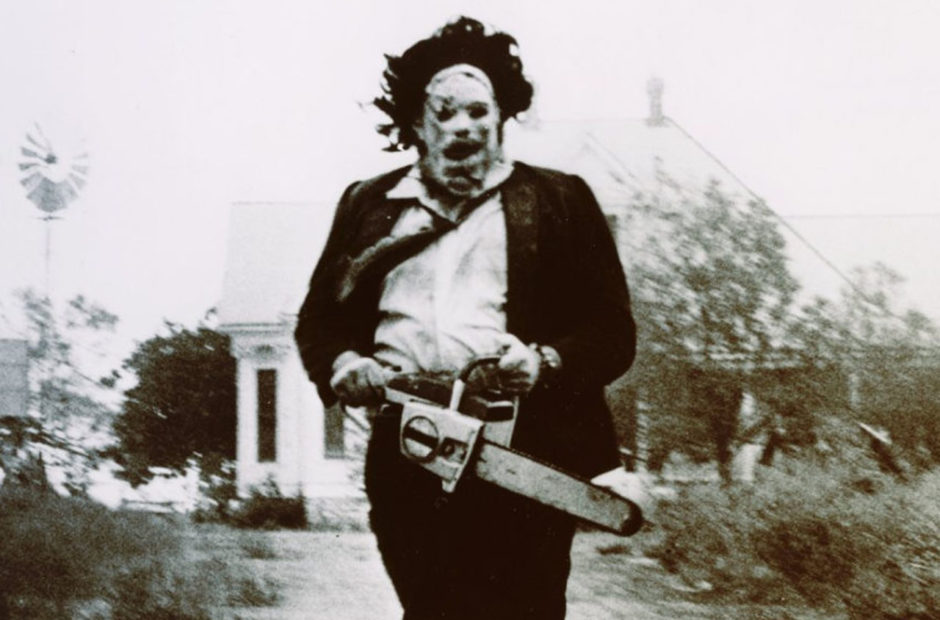
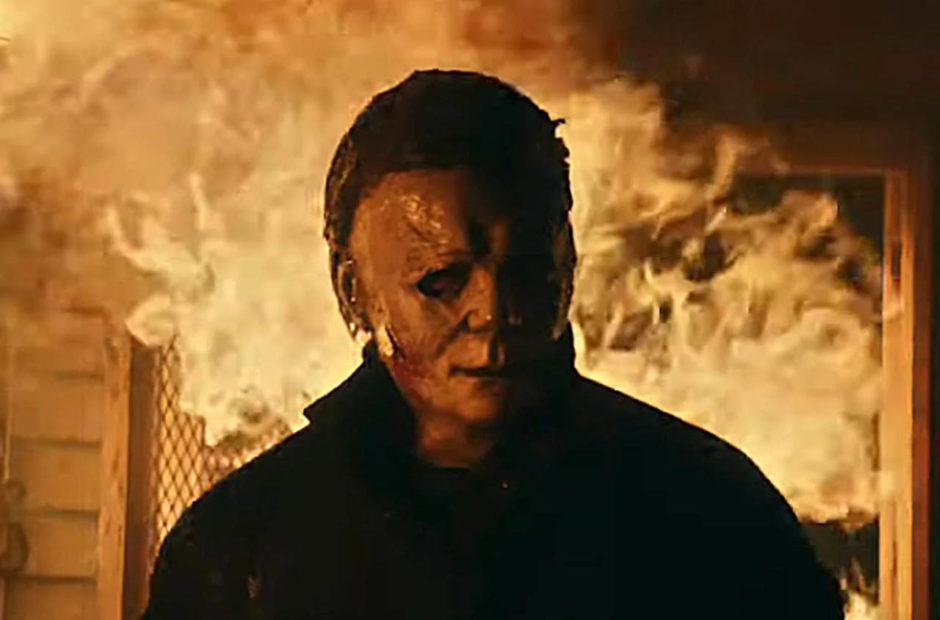
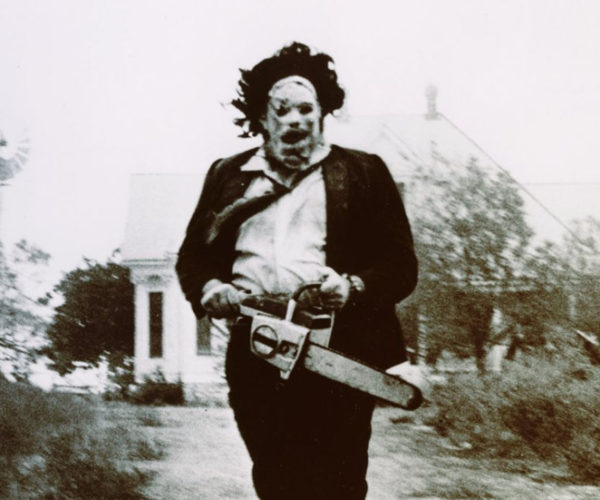
Jason Voorhees, Michael Myers, Ghostface, Freddy Krueger, and Leatherface became the recognizable faces of their franchises. The actors playing their victims could change from installment to installment without eliminating the commercial identity of the series.
Original horror has a similar advantage. A compelling premise can sometimes sell the movie more effectively than a famous name. “A family is terrorized by something inside its house” is a concept audiences can understand immediately, regardless of whether they recognize everyone in the cast.
Low-Budget Horror Can Take Bigger Creative Risks
Smaller budgets do more than reduce financial risk. They can also change the creative decisions surrounding a movie.
When a studio has invested hundreds of millions of dollars in a production, the movie needs an enormous audience. That creates pressure to make choices that will work across demographics and international markets, and every unusual creative decision potentially puts a very large investment at risk.
A movie costing a few million dollars does not face the same financial equation. It still needs an audience, but it does not need to become one of the year’s biggest releases simply to justify its existence.
That can give horror filmmakers room to make stranger, darker, more violent, or less conventional movies. An unusual ending or uncomfortable premise becomes easier to defend when the production does not have to generate blockbuster-level revenue.
This idea has been central to the business model associated with Blumhouse Productions. Rather than automatically increasing budgets after a successful movie, the company became known for keeping many productions relatively inexpensive while working with major studios for distribution and marketing. The financial exposure remains controlled, while filmmakers can sometimes retain more freedom than they would have on a much larger production.
Paranormal Activity Showed How Extreme the Math Can Get
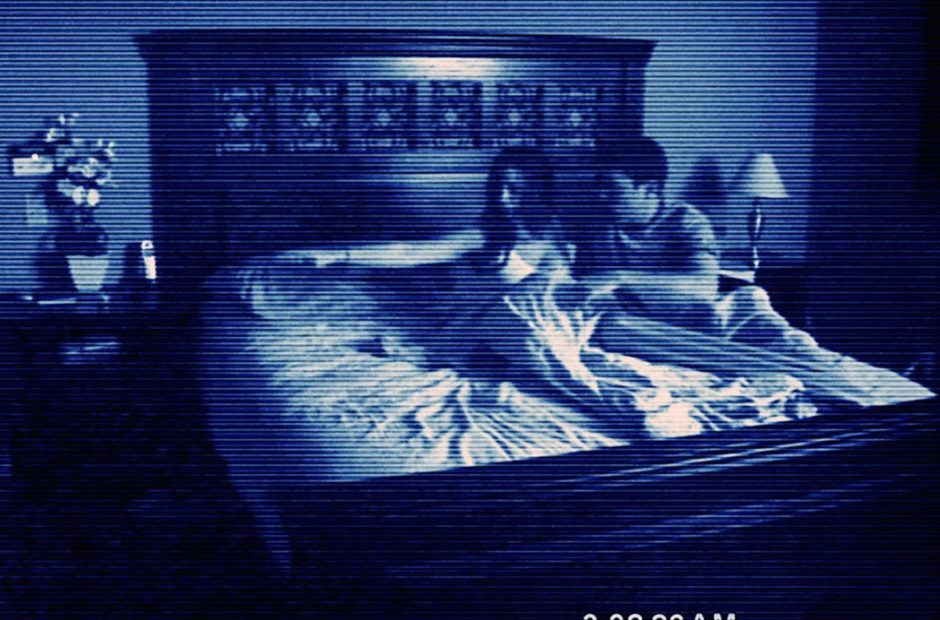
Few movies demonstrate the potential economics of low-budget horror better than Paranormal Activity. Writer-director Oren Peli has said he originally estimated that the movie would cost about $10,000 and ultimately spent roughly $15,000 shooting it, an astonishingly small production budget even by independent-film standards.
The supernatural found-footage movie was able to operate on that scale because most of the story takes place inside a house, with Peli using his own home as the primary location. The setup required no enormous creature sequences or elaborate fantasy environments, while much of the fear comes from watching apparently ordinary nighttime footage and waiting for something abnormal to happen.
The frequently quoted $15,000 figure does not represent everything eventually spent on the version audiences saw in theaters. After the movie was acquired, approximately another $200,000 was spent on post-production work, including a new ending. That puts the movie itself at roughly $215,000 before accounting for the much larger expense of turning it into a national theatrical release.
Marketing and distribution changed the equation further. Paramount said during the movie’s theatrical run that it had spent less than $15 million preparing and marketing Paranormal Activity for release. That is vastly more than the original $15,000 shooting budget, but still remarkably small compared with the approximately $193.4 million the movie ultimately earned at the worldwide box office.
Those different numbers are important because calling Paranormal Activity simply a “$15,000 movie that made $193 million” leaves out much of what happened between Peli shooting the film and Paramount releasing it nationwide. The original production really was extraordinarily inexpensive, but additional post-production, acquisition, distribution, and marketing costs were necessary to transform that tiny independent movie into a theatrical phenomenon.
The lesson Hollywood took from movies like Paranormal Activity was not that every horror movie should be made for almost nothing. It was that audiences would turn out in enormous numbers for the right scary idea even when the underlying movie did not require blockbuster spending. The fact that Paramount could spend millions promoting a film that cost only thousands to shoot also illustrates one of low-budget horror’s great attractions: studios can put substantial resources behind a movie after there is evidence that the concept works.
Saw Turned a Small Horror Movie Into a Major Franchise
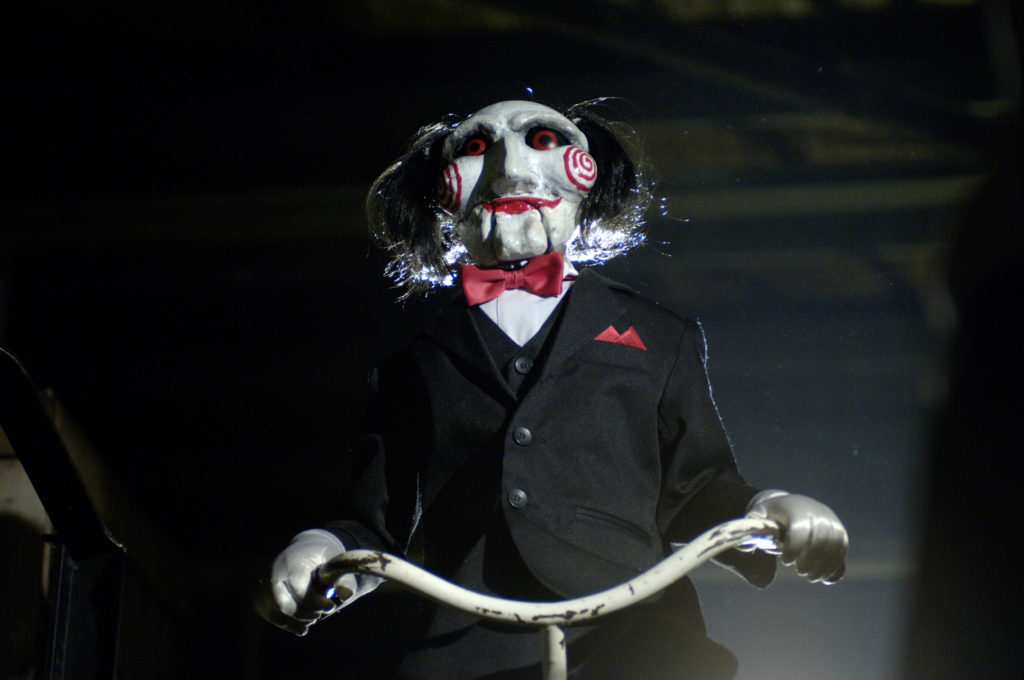
Saw provides another version of the same story. The original 2004 film was produced for roughly $1 million and built much of its story around characters trapped inside a room.
The movie eventually expanded beyond that location, but the central concept did not require massive spectacle. Its appeal came from the mystery surrounding Jigsaw, the moral traps imposed on his victims, and the increasingly disturbing realization that the situation was more complicated than it initially appeared.
Saw earned more than $100 million worldwide, and its sequels remained modestly budgeted even as the franchise became one of the defining horror series of the 2000s. The second film carried a production budget of about $5 million, while several later installments remained around the $10 million range.
That created a business model that would be difficult to reproduce with many blockbuster franchises. A Saw movie did not need to earn $500 million worldwide to justify another installment. Keeping production costs controlled meant a comparatively modest theatrical hit could still support the series.
The Blair Witch Project Made Its Limitations Part of the Movie
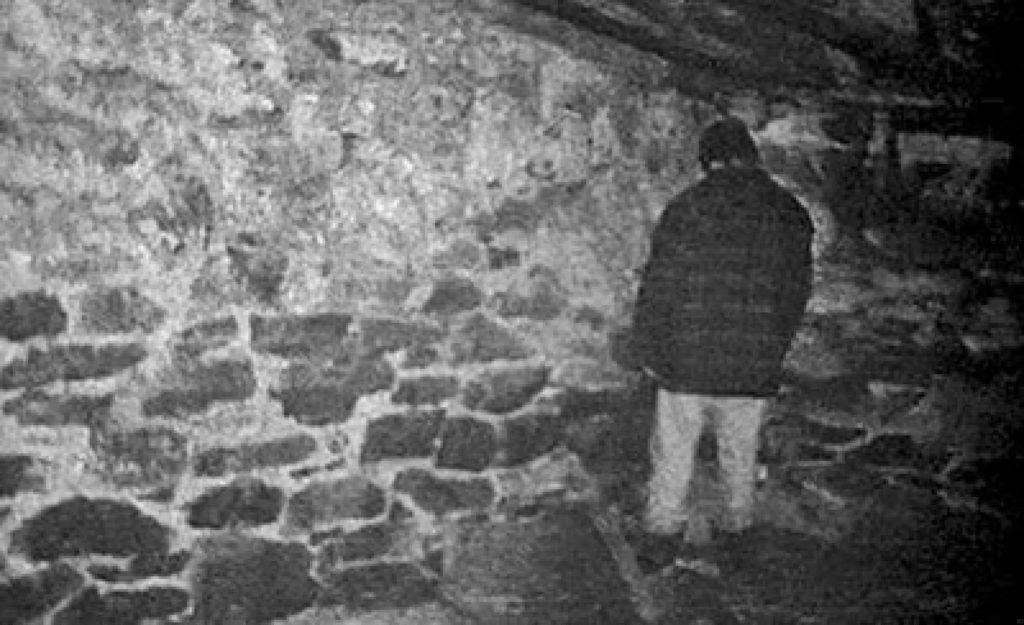
The Blair Witch Project is another famous example of how complicated the phrase “movie budget” can become. Co-director Eduardo Sánchez has said it cost about $35,000 to shoot the footage, while other accounts have placed the original production budget as high as $60,000. Once editing and other post-production work were included, the cost climbed into the hundreds of thousands of dollars, with commonly cited estimates putting the eventual total at roughly $500,000 to $750,000.
Even the high end of that range is extraordinary when compared with what happened next. The Blair Witch Project earned approximately $248.6 million worldwide, turning a production created for tens of thousands of dollars into one of the most famous independent-film success stories ever.
The movie’s limited resources were also inseparable from its identity. The handheld cameras, unknown performers, natural locations, and absence of an elaborate onscreen monster were not merely compromises. They were essential to the illusion that audiences were watching footage recovered after three filmmakers disappeared in the Maryland woods.
That helped demonstrate one of found footage’s unusual advantages as a low-cost horror format. In many genres, rough images, imperfect framing, and limited lighting can expose a production’s financial limitations. In The Blair Witch Project, those qualities made the footage feel more authentic. Spending considerably more money to make the movie look polished could actually have worked against the concept.
The enormous gap between its production cost and box office also makes The Blair Witch Project another reminder that the number attached to a movie’s “budget” needs context. The amount required to shoot the movie, the final cost after post-production, the distributor’s acquisition expense, and the money spent marketing a theatrical release are different figures. No matter which reasonable production estimate is used, however, a movie that ultimately grossed nearly $250 million began as an extraordinarily small financial gamble.
Practical Effects Can Stretch a Horror Budget
Horror also has a long relationship with practical makeup, prosthetics, puppetry, and mechanical effects. These techniques are not automatically inexpensive, particularly when elaborate creatures or transformations are involved, but filmmakers can use them selectively rather than constructing enormous digital sequences.
A convincing wound shown for several seconds may provide everything a scene needs. A creature can remain largely hidden until a carefully planned reveal. A masked killer requires considerably less effects work than a computer-generated army attacking a city.
Older horror movies often turned these restrictions into memorable imagery. Filmmakers knew they could not show an effect indefinitely, so editing, lighting, and camera placement became part of selling it.
Modern horror frequently combines practical and digital techniques, but the underlying principle remains useful: the movie only has to show enough to make the audience believe what is happening.
Marketing Can Cost More Than Making the Horror Movie
Production budget is only one part of what a movie costs, and this is where discussions of low-budget horror can become misleading.
If a horror movie is reported to have cost $5 million to produce, that does not mean the studio spent only $5 million getting it into theaters. Advertising, trailers, posters, publicity, distribution, and other release expenses exist outside the production budget commonly reported to the public.
A studio may intentionally spend far more marketing a successful low-budget horror movie than filmmakers spent shooting it. That is not a contradiction. The inexpensive production limits the amount initially at risk, while a strong marketing campaign can turn a small movie into a major theatrical event.
This is one reason simply comparing a reported production budget with worldwide box office does not tell you exactly how much profit a movie generated. Theaters retain part of ticket revenue, marketing has to be paid for, and other costs and revenue streams complicate the final accounting.
The low production budget still matters enormously. A movie that begins with a $5 million production cost has a very different financial hurdle from one that begins at $200 million, even if both eventually require substantial marketing.
Cheap Horror Movies Aren’t Automatically Profitable
Low cost reduces risk; it does not eliminate it. Horror’s spectacular success stories can make the business model look almost foolproof, but a small production budget still needs to be considered alongside marketing expenses, distribution costs, and the portion of ticket sales retained by theaters.
The Turning provides a useful example. The 2020 adaptation of Henry James’s The Turn of the Screw had a reported production budget of approximately $14 million and earned only about $19.4 million worldwide. Looking only at those two figures might make the movie appear to have earned more than it cost, but a studio does not receive every dollar collected at the box office, and the $14 million production figure does not include the cost of marketing and distributing the film. A worldwide gross only modestly higher than the production budget leaves little room for all of those additional expenses.
Even recognizable horror franchises can encounter the same problem. Blair Witch, the 2016 return to the series, was produced for approximately $5 million and earned about $45 million worldwide. Against its production budget alone, that looks like an excellent result. It was still a fraction of the approximately $248.6 million worldwide gross of The Blair Witch Project, however, and no immediate theatrical sequel followed. A movie can make money without generating the kind of response that convinces a studio to keep expanding the franchise.
These examples also show why there is no universal box-office number at which a horror movie becomes profitable. A $10 million production that earns $20 million worldwide is not automatically a $10 million profit. Marketing and distribution have to be paid for, theaters retain part of ticket revenue, and studios may have additional expenses that are not included in the publicly reported production budget.
What low-budget horror offers is a more forgiving financial structure, not guaranteed success. A $10 million horror movie can be commercially useful at a level of box office that would be disastrous for a $200 million action spectacle, while a breakout such as Paranormal Activity can produce an extraordinary return relative to its original cost. Keeping the initial investment low simply gives the studio more possible paths to a successful outcome.
Successful Horror Movies Don’t Always Become Expensive
Hollywood’s traditional response to success is expansion. The sequel gets a larger budget, the action becomes bigger, more recognizable actors join the cast, and the production attempts to deliver more of everything.
Horror has repeatedly demonstrated that this approach is optional.
The original Saw grew into a long-running franchise without suddenly turning into a $100 million production. The early Paranormal Activity sequels increased their budgets but remained extraordinarily inexpensive compared with mainstream studio blockbusters. Their concepts did not require massive financial escalation simply because audiences had shown up for the previous movie.
There is a practical reason to resist that escalation. One of horror’s greatest commercial advantages disappears if every successful series eventually becomes enormously expensive. Keeping the budget controlled means the next installment can remain worthwhile even if it earns less than the previous one.
It also preserves something creatively useful. A horror movie does not necessarily become scarier because the filmmakers can afford to show more.
Are All Horror Movies Cheap to Make?
No. Horror is capable of becoming every bit as expensive as other genres when the story demands it.
Large casts, extensive visual effects, period settings, major stars, complicated creatures, elaborate sets, and lengthy production schedules cost money regardless of genre. Horror can also overlap with science fiction, fantasy, and action, bringing the expenses associated with those genres along with it.
The important distinction is not that horror movies are inherently cheap. It is that horror can function extremely well at budget levels where many other forms of studio entertainment would struggle to deliver what audiences expect.
A $5 million superhero movie would have enormous difficulty reproducing the scale audiences associate with modern superhero blockbusters. A $5 million horror movie can make its limitations completely invisible or, even better, turn those limitations into part of what makes the story frightening.
Why Studios Keep Betting on Low-Budget Horror
The attraction becomes clear when creative flexibility and financial risk are considered together. Horror gives filmmakers the ability to build stories around contained locations, smaller casts, unfamiliar actors, unseen threats, and carefully rationed effects. Those same choices can make the movie more intimate and unsettling while keeping production costs under control.
If the movie fails, the financial damage may be relatively limited. If it succeeds, the upside can be enormous. A modest horror hit can generate a sequel, while an exceptional one can create a franchise worth hundreds of millions of dollars.
That does not make low-budget horror easy. Creating fear with limited resources requires filmmakers to understand exactly what audiences need to see, what they can merely suggest, and what should remain unseen entirely. Money can buy spectacle, but horror has spent decades proving that spectacle and fear are not the same thing.
Sometimes a dark room, a closed door, and the suspicion that something is standing on the other side are all a filmmaker needs.
Horror Movie Budgets FAQ
Why do horror movies have smaller budgets?
Many horror stories can be made with limited locations, smaller casts, fewer expensive visual effects, and actors who are not major stars. The genre can also use darkness, isolation, and unseen threats as storytelling tools, allowing financial limitations to complement the movie rather than undermine it.
Are horror movies more profitable than other movies?
Not automatically. A smaller production budget can reduce the amount a movie needs to earn before becoming financially successful, but marketing, distribution, the theaters’ share of ticket sales, and other expenses still matter. Many low-budget horror movies also fail to find large audiences.
What are some successful low-budget horror movies?
Paranormal Activity, Saw, and The Blair Witch Project are among the most famous examples. Each began as a comparatively inexpensive production and ultimately earned more than $100 million worldwide.
Why does Blumhouse make low-budget horror movies?
Blumhouse built much of its business around controlling production costs while giving filmmakers room to make distinctive creative choices. A smaller initial investment reduces financial exposure and means a movie does not have to achieve blockbuster-level box office to justify its production.
Does a movie’s production budget include marketing?
Generally, no. The production budget commonly reported for a movie covers the cost of making it, while marketing and distribution expenses are separate. This is why subtracting a reported budget from worldwide box office does not reveal a movie’s actual profit.
Does a bigger horror budget make a movie scarier?
No. A larger budget can provide filmmakers with more resources, but fear depends on how those resources are used. Performance, atmosphere, sound, editing, suspense, and what the movie chooses not to show can be more important than expensive visual effects.
More Horror Movie Reading
From complicated timelines to franchises that repeatedly start over, horror has developed some unusual rules of its own.