How to store action figures has perplexed collectors for years. Whether your action figure collection fits on one shelf or fills an entire room, proper storage can keep the figures, accessories, and packaging in good condition for years to come.
You don’t need museum-quality climate control to take care of a toy collection. In most homes, the biggest improvements come from avoiding a handful of common problems: direct sunlight, excessive heat, moisture, unstable storage environments, dust, pests, and physical damage.
Action figures can also present an unusual preservation challenge because one toy may contain several different materials. A figure can combine multiple types of plastic with paint, metal parts, adhesives, stickers, rubber-like materials, fabric clothing, and other components. A packaged figure adds cardboard, paper, printing inks, and the plastic blister or window to the equation.
No single perfect storage condition applies to every action figure ever made. Instead, aim to create a reasonably stable environment and eliminate as many obvious risks as possible.
Keep Action Figures Out of Direct Sunlight
One of the easiest ways to protect an action figure collection is to keep it out of direct sunlight.
Light exposure can cause fading and other deterioration in collection materials. This is especially true for packaging, where printed colors can fade after prolonged exposure, but figures and their painted details can also be affected.
According to the Smithsonian Institution Archives, light can cause both color fading and chemical deterioration in collection materials. Museums carefully manage light exposure for exactly this reason.
You don’t need to keep your action figures in darkness, but think carefully about where a display receives sunlight throughout the entire day. A shelf that appears shaded in the morning may receive several hours of direct afternoon sun.
UV-filtering window treatments and display cases can reduce some exposure, but they shouldn’t be treated as permission to place a valuable collection directly in sunlight indefinitely. Reducing the amount and duration of light reaching a collection remains the safer approach.
If you’re deciding between two walls for a display, choose the one that receives less direct sunlight.
Keep Temperature and Humidity Stable
Collectors sometimes search for one perfect temperature and humidity level for action figures, but toys are made from too many different materials for a universal number to make much sense.
Professional preservation recommendations vary according to the materials being protected. The Smithsonian notes that inappropriate temperature and relative humidity can accelerate deterioration and that different materials may require different environmental standards.
For a home action figure collection, the more useful goal is a reasonably cool, dry, and stable indoor environment.
Avoid locations that experience major swings in temperature or humidity. That makes attics and garages poor choices for long-term storage in many climates. A basement can present additional problems if it is damp or vulnerable to leaks or flooding.
The Library of Congress preservation guidance specifically advises against storing valuable collection objects in basements, attics, and garages because these areas often have poor temperature and humidity control as well as increased water risks.
Inside the home, don’t place figures directly beside radiators, heating equipment, or other significant heat sources. It’s also sensible to avoid locations where a collection is constantly exposed to dramatic environmental changes.
Stability matters more than trying to transform your collection room into a laboratory.
A Plastic Storage Bin Doesn’t Fix a Bad Environment
Putting action figures in a plastic tote can provide useful physical protection, but the container doesn’t make the surrounding environment irrelevant.
A storage bin won’t prevent the contents from experiencing the high temperatures of a hot attic or garage. Likewise, putting a collection into plastic containers and moving it into a damp basement doesn’t eliminate the humidity surrounding those containers.
The Library of Congress notes that polyethylene and polypropylene bags and bins can provide secondary protection against water, but they don’t protect collections from the environmental extremes found in basements, attics, and garages. The organization also warns that plastic containers in high-humidity areas can increase the risk of mold.
Think of a storage container as one layer of protection, not a miniature climate-controlled vault.
Choose Storage Plastics Carefully
If a plastic bag, sleeve, or container will be in long-term contact with your collection, knowing what it is made from matters.
The Library of Congress identifies uncoated polyethylene, polypropylene, and polyester, also known as PET, as stable plastics for collection storage. It recommends avoiding polyvinyl chloride, commonly known as PVC, and unidentified plastics.
The National Park Service Museum Handbook similarly discusses the importance of selecting appropriate materials for museum storage and warns that some plastics and additives can release substances harmful to collection objects.
This doesn’t mean you should panic because an action figure itself contains PVC or another material. The toy was manufactured from whatever materials its maker selected, and vintage and modern figures can contain many different plastics.
The practical lesson is much narrower: don’t introduce questionable storage materials unnecessarily.
If you’re buying bags, sleeves, or containers specifically for long-term storage, choose products that clearly identify their materials instead of assuming every clear plastic bag is equally suitable.
How to Protect Action Figures From Dust
Dust is one of the most persistent problems with displaying loose action figures because an open shelf will eventually collect it no matter how clean the room appears.
An enclosed display cabinet can substantially reduce how quickly dust reaches the figures, although it won’t eliminate cleaning entirely. Open shelves require more frequent attention.
Regular light cleaning is better than letting a heavy layer of dust accumulate for years. Be particularly careful around small accessories, delicate parts, stickers, decals, fabric elements, and painted details.
Avoid automatically reaching for household cleaning sprays, solvents, alcohol, or other chemicals when cleaning a figure. A product that is harmless to one type of plastic or finish can damage another, and it may be impossible to know every material used in a particular toy.
For routine dust removal, start with the least aggressive method appropriate for the figure. If an older or valuable toy needs more extensive cleaning, research that specific toy and material before applying a cleaner.
Displaying Loose Action Figures Safely
Displaying figures introduces another risk that has nothing to do with chemical deterioration: gravity.
Figures fall over. Shelves get bumped. A figure positioned near the edge can take several other toys with it on the way to the floor.
Give figures enough room to stand securely rather than packing a shelf so tightly that repositioning one figure disturbs everything around it. Figures that are difficult to balance may benefit from an appropriate stand.
Be especially careful with large figures, top-heavy designs, toys with limited articulation, and figures posed dynamically. A pose that remains standing for five minutes isn’t necessarily a pose that will remain standing for five months.
Also consider what is beneath the display. A fall of several feet onto a hard floor can break accessories, joints, or projecting parts. Positioning particularly fragile or valuable figures on the highest possible shelf may look impressive, but it also increases the distance they can fall.
If children or pets have access to the room, factor that into the display location as well. Small removable accessories can create hazards of their own, while an unsecured shelf or display cabinet presents a much larger safety concern than damage to the collection.
How to Store Loose Action Figures
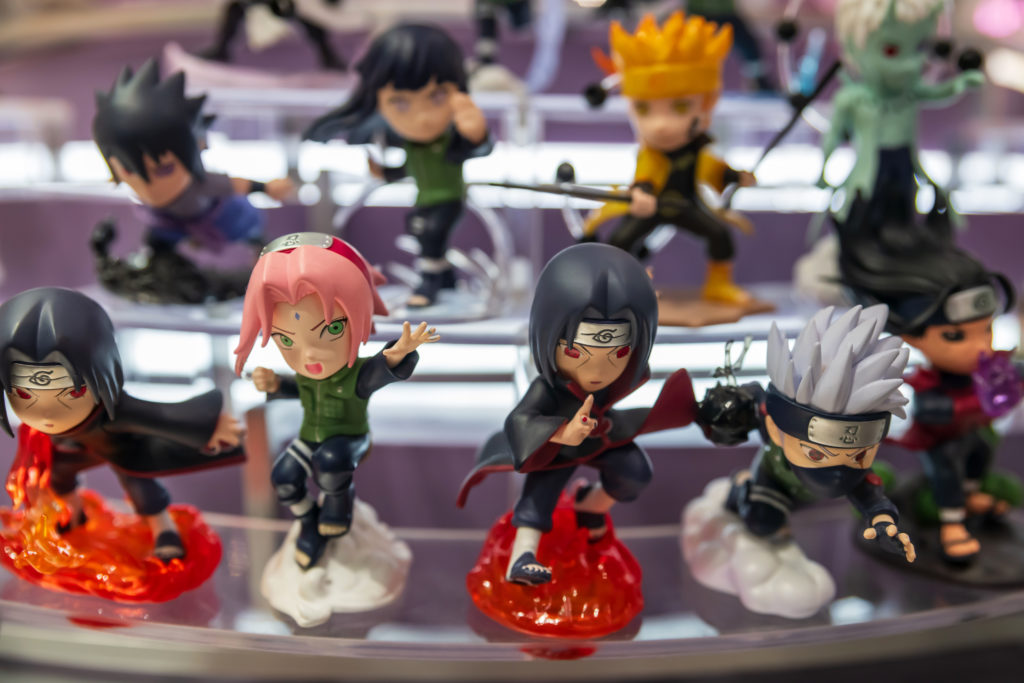
Credit: iStock/blanscape
If figures are going into storage instead of on display, the goal is to protect them without creating unnecessary pressure, rubbing, or contact with questionable materials.
Don’t simply dump a large collection of loose figures and accessories into a tote and assume the lid solves the problem. Figures piled together can rub against one another, accessories can become bent, and the weight of toys on top can place pressure on figures underneath.
For figures you particularly want to protect, individual bags or other suitable separation can reduce direct contact. Use storage materials made from known, appropriate plastics, and avoid forcing figures into bags or compartments that are too small.
Consider removing accessories from figures when leaving them attached could put prolonged stress on hands, joints, straps, or other parts. Keep the accessories associated with the correct figure by storing them together in a clearly identified bag or compartment.
Don’t use rubber bands to hold accessories to figures during long-term storage. Rubber bands can deteriorate, stick to surfaces, and place constant pressure on whatever they’re wrapped around.
Once protected, place figures into sturdy containers without packing them so tightly that closing the container compresses the contents.
Finally, label the container. “Action Figures” may seem sufficient when you own one tote. It becomes much less helpful after your collection expands to 12.
Keep Stored Collections Off the Floor
Where you place storage containers matters almost as much as what you put inside them.
Whenever possible, keep collectible items and their containers off the floor. A leaking pipe, appliance failure, backed-up drain, or other water problem can turn the lowest point in a room into the worst possible place for a collection.
Museum storage guidance follows the same basic principle. The National Park Service recommends raising the lowest museum storage shelves above floor level, in part to protect against water intrusion.
You don’t need museum shelving to apply the idea at home. Shelving that keeps your action figure containers elevated adds an extra layer of protection while also making the collection easier to access and inspect.
And if you already know that part of your home has a history of water intrusion, don’t make a plastic tote the only thing standing between that water and your collection.
How to Protect Carded and Boxed Action Figures
Keeping an action figure in its original packaging doesn’t eliminate the need for proper storage. In some ways, it gives you more materials to protect.
A packaged action figure may combine the toy itself with cardboard, printed paper, adhesives, plastic windows or blisters, and other packaging materials. Light, moisture, heat, physical pressure, and careless handling can affect the package even when the figure inside remains untouched.
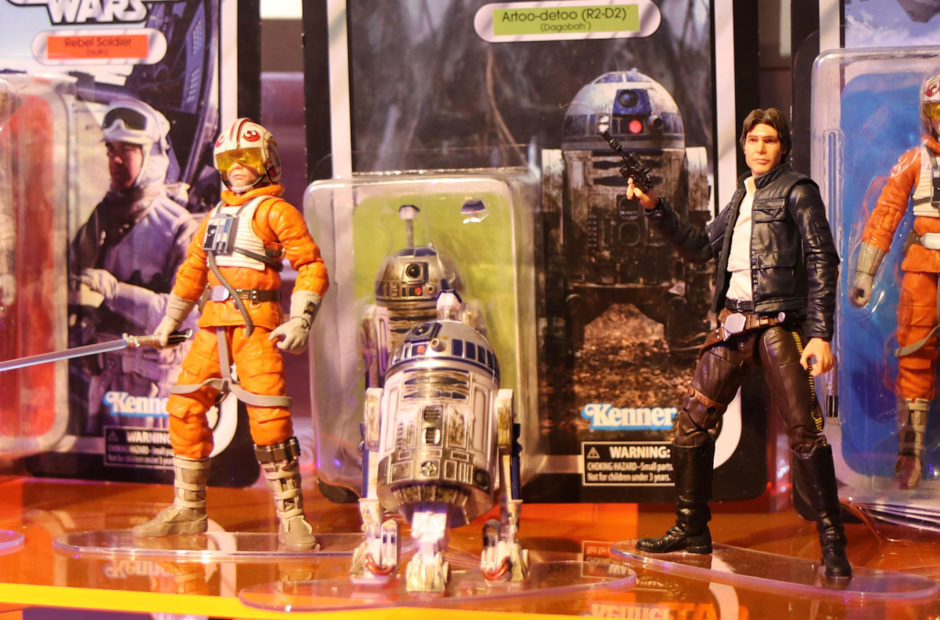
For carded figures, avoid placing pressure on the card or hanging the package in a way that damages the peg hole. Protective cases designed for appropriately sized carded figures can provide additional support and help protect corners, edges, and plastic blisters from accidental damage.
Store boxed figures so the packaging isn’t crushed by excessive weight. Stacking may be unavoidable with a large collection, but don’t build a tower of heavy boxes on top of lightweight packaging that wasn’t designed to support them.
If the packaging includes a clear plastic window, remember that the figure is still exposed to light passing through it. Keeping a toy “mint in box” doesn’t protect it from sunlight if the entire box sits for years across from a window.
Should You Keep Action Figure Packaging?
There isn’t one correct answer.
If you collect unopened figures, the packaging is obviously part of the collection. If you collect loose figures, keeping every empty box can eventually require almost as much storage space as the toys themselves.
Packaging can matter to collectors and may affect the desirability or resale value of some toys, particularly when a figure is complete with its original box, inserts, instructions, and accessories. That doesn’t mean every collector needs to preserve every package indefinitely.
Decide what matters to your collection.
You may want to keep packaging for expensive figures, limited releases, vintage toys, or items you expect to sell someday while discarding boxes from inexpensive figures you intend to keep permanently. Other collectors may consider the packaging an important part of every release.
And if you bought an action figure because you want to open it, pose it, and enjoy it on a shelf, you are allowed to do exactly that. No rule requires a toy collection to remain permanently sealed in its original packaging.
Be Careful With Soft Goods, Stickers, and Delicate Accessories
Not every part of an action figure collection is made from hard plastic.
Figures may include fabric capes and clothing, faux leather, elastic, stickers, decals, strings, foam, rubber-like components, and other materials that can age differently from the figure itself.
These elements deserve extra attention during storage. Avoid folding fabric accessories unnecessarily or placing weight on them for extended periods. Don’t position accessories so they are constantly pressing against stickers, painted surfaces, or other delicate details.
Older toys may require particularly careful handling. Adhesives can weaken, elastic components can lose flexibility, and materials that were once durable can become fragile with age.
If you notice a material changing, don’t assume a cleaning product or home repair will fix it. Research the specific problem before treating it, especially with a valuable or hard-to-replace figure.
Remove Batteries Before Long-Term Storage
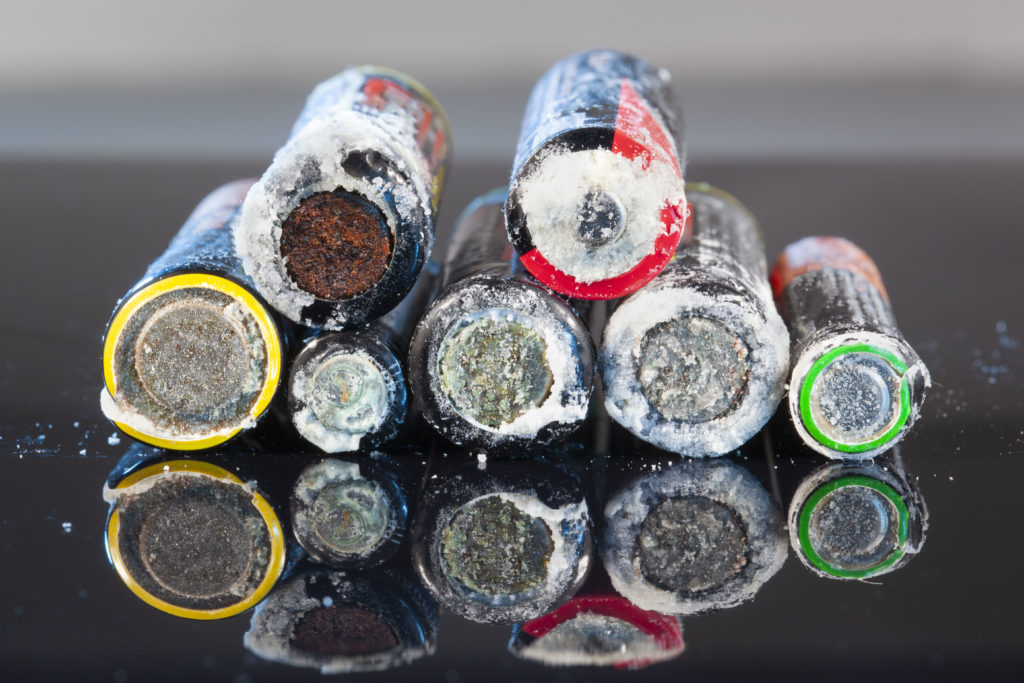
Credit: iStock/kievith
If an action figure, vehicle, playset, or other collectible uses removable batteries, remove them before long-term storage.
Battery manufacturers recommend removing batteries from devices you won’t use for extended periods. Batteries left inside can leak and damage electrical contacts and surrounding materials.
Check the battery compartment before storing an older electronic toy even if you don’t remember putting batteries in it. A forgotten set may have been sitting there since the last time you used the toy.
If you’re displaying a battery-operated collectible you rarely activate, consider whether the batteries need to stay installed. Removing them eliminates one avoidable source of potential damage.
Don’t Forget About Pests
Action figures themselves may not look particularly appetizing, but a collection and its packaging can still attract pests.
Cardboard boxes, paper materials, fabric elements, and the quiet spaces around stored collections can provide attractive environments for insects and rodents. Pest activity can also introduce droppings, nesting materials, staining, and physical damage.
Keep the collection area clean, avoid storing food with collectibles, and periodically inspect spaces that aren’t visited often. Look for signs such as droppings, chewed packaging, insects, webbing, or other unexplained damage.
If you discover a pest problem, address the infestation rather than simply moving damaged boxes around. Avoid casually spraying pesticides directly on or around collectibles without considering what the chemicals could do to the collection.
Don’t Overlook Shelving and Display Cases
A collection is only as secure as the furniture holding it.
Before loading a bookshelf or display case with figures, make sure it can safely support the intended weight. This becomes increasingly important when a display includes large statues, die-cast items, heavy vehicles, or numerous boxed collectibles.
Tall furniture may need to be anchored per the manufacturer’s instructions, especially in homes with children or where tipping is a concern.
Glass shelves and display cases have their own weight limits. Don’t assume a shelf can support an unlimited number of heavy collectibles simply because everything physically fits.
Also leave enough room to remove figures without knocking over neighboring items. A display can look impressive when every inch is occupied, but it becomes much harder to clean, rearrange, or retrieve anything safely.
Check Stored Action Figures Periodically
Long-term storage shouldn’t mean boxing up a collection and ignoring it for the next 20 years.
Periodically inspect stored figures and their environment. You don’t need to unpack an entire collection every month, but occasional checks can reveal a problem before it affects everything.
Look for:
- Signs of moisture or condensation
- Mold or unusual odors
- Pest activity
- Fading or discoloration
- Warping or deformation
- Sticky or tacky surfaces
- Paint transfer or unexpected marks
- Damaged or deteriorating packaging
- Corrosion in battery compartments
- Changes to fabric, elastic, foam, or other soft materials
If you notice something changing, don’t immediately apply cleaners, coatings, adhesives, or other treatments. First determine what the problem is and, when possible, what materials are involved.
Moving the affected item away from the rest of the collection may also be sensible while you determine whether the issue involves moisture, pests, leaking batteries, or another problem that could affect nearby items.
Action Figure Storage Checklist
Before putting an action figure collection into long-term storage, run through this checklist:
- Choose a reasonably cool, dry, and environmentally stable indoor location.
- Keep the collection away from direct sunlight.
- Avoid attics, garages, damp basements, and other locations with major environmental swings when possible.
- Keep storage containers and valuable collectibles off the floor.
- Use bags, sleeves, and containers made from known, appropriate materials.
- Avoid PVC and unidentified plastics as long-term storage materials that will directly contact the collection.
- Protect loose figures from unnecessary rubbing, crushing, and pressure.
- Store small accessories so they remain associated with the correct figure.
- Avoid rubber bands for long-term storage.
- Don’t overload boxes or force lids closed against the contents.
- Protect carded and boxed figures from crushing and bent corners.
- Remove batteries from electronic toys being placed into long-term storage.
- Label storage containers clearly.
- Keep the storage area clean and watch for signs of pests.
- Periodically inspect the collection and its environment for changes.
Protect the Collection Without Making It Impossible to Enjoy
You can become so concerned about preserving a collection that you stop enjoying it.
For most action figure collectors, proper storage doesn’t require perfect environmental conditions or expensive preservation equipment. Eliminating the biggest risks can do a lot.
Keep figures out of direct sunlight and away from environmental extremes. Protect them from water, dust, pests, falls, and unnecessary physical pressure. Use appropriate storage materials, remove batteries before long-term storage, and occasionally check on the things you’ve packed away.
Beyond that, decide what kind of collector you want to be.
If you enjoy keeping a figure sealed in pristine packaging, protect the package along with the toy. If you would rather open the figure and build a display, create one that protects it while still letting you see it. If you’re storing part of your collection because you don’t currently have room for everything, pack it carefully enough that you’ll still be happy to see it when you open the box again.
The purpose of protecting an action figure collection is to preserve something you enjoy, not to make you afraid to touch it.