Today, the annual Halloween episode is a mandatory television tradition. From the elaborate, multi-layered heists of Brooklyn Nine-Nine to the workplace costume chaos of The Office, we expect our favorite comedies to dedicate the last week of October to fake blood and jump scares. But this wasn’t always the case. For decades, broadcast networks largely ignored the spooky season. That all changed in the late 1980s, thanks to the massive ratings success of the iconic Roseanne Halloween episodes.
Rewind the broadcast clock to the 1970s and 1980s, and the Halloween sitcom episode basically did not exist. Networks viewed holidays through a highly traditional, sentimental lens. They poured their budgets into massive Christmas specials and heartfelt Thanksgiving dinners. Halloween was dismissed as a silly, low-stakes children’s event focused on candy, not a holiday meant for prime-time family viewing. That completely changed in 1989, and the entire television industry owes the shift to a gritty, working-class family from Lanford, Illinois.
The Conner Family’s Perfect Holiday
When Roseanne premiered in 1988, it was a revelation. It broke the mold of the wealthy, polished television families of the era by focusing on the financial struggles and cynical humor of the blue-collar Conner family.
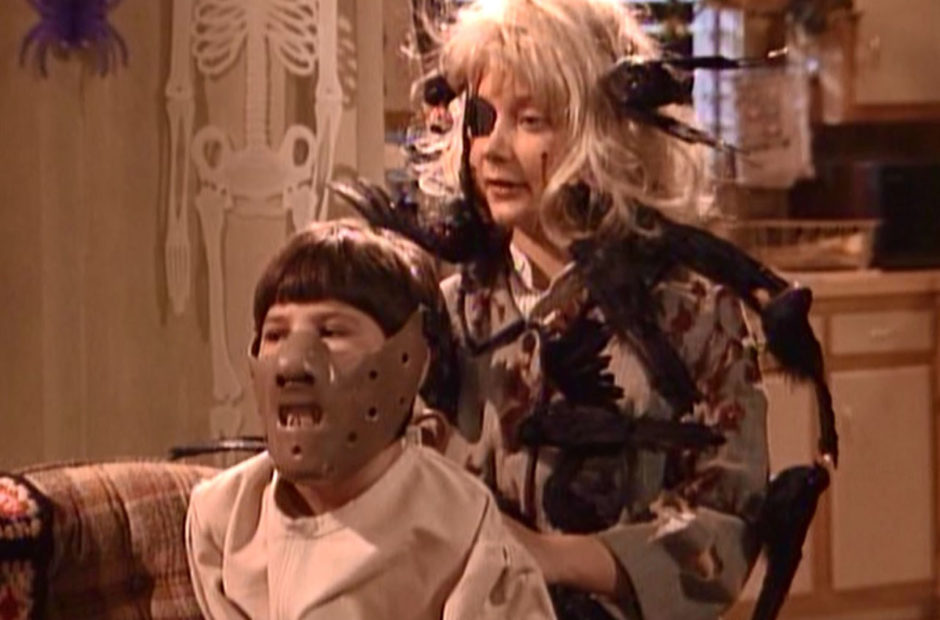
Roseanne Barr, the show’s star and creator, had a massive, real-life obsession with Halloween. She successfully pitched the writers on dedicating an entire episode to the holiday for season two. The result was the 1989 episode “BOO!”, which established an annual tradition that would define the series: the Master of the Macabre prank war.
From a character standpoint, Halloween was the absolute perfect holiday for the Conners. Christmas and Thanksgiving are notoriously expensive holidays that highlight what a struggling family cannot afford. Halloween, however, is cheap. It thrives on DIY creativity, fake blood, thrift store costumes, and terrifying your own family members. It allowed the Conners to be loud, chaotic, and fiercely competitive without spending a dime.
Changing the Network Calendar
When “BOO!” aired, network executives were stunned by the response. The episode was a massive critical and commercial success. It proved that audiences didn’t just want saccharine, lesson-learning holiday specials; they wanted to see their favorite characters have unhinged, spooky fun.
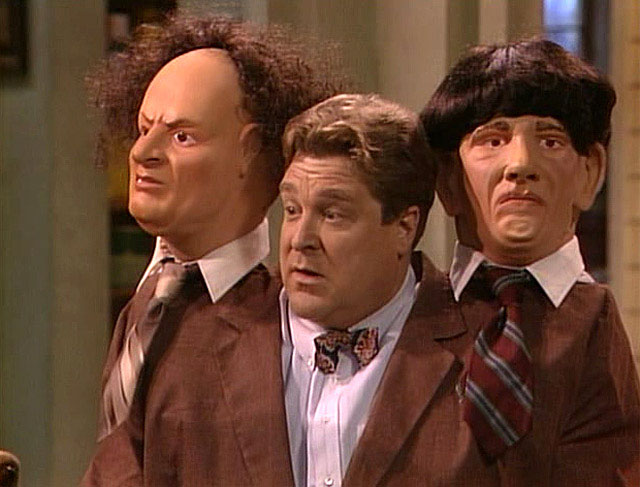
The production made Halloween an annual anchor of its schedule, eventually producing eight legendary Roseanne Halloween episodes over its original run. The show would pull out all the stops, featuring elaborate costumes (like Dan Conner’s terrifying Three Stooges routine) and increasingly complex, gruesome practical jokes that Roseanne and Dan would play on one another.
The rest of the television industry immediately took notes. Seeing the massive ratings Roseanne pulled in late October, rival networks realized they were leaving money on the table.
The 90s Halloween Boom
By the early 1990s, the sitcom Halloween episode became an industry standard. Just one year after Roseanne aired “BOO!”, Fox launched the very first The Simpsons “Treehouse of Horror” in 1990, birthing an animated institution that is still running over three decades later.
Soon, every major sitcom was jumping on the bandwagon. Tim Taylor turned his garage into a terrifying haunted house every year on Home Improvement. Frasier threw disastrous, high-society costume parties. Boy Meets World leaned heavily into the horror genre, famously trapping the cast in a school with a killer in “And Then There Was Shawn.”
Today, the October comedy schedule is packed with themed episodes. But before the Conners started turning their living room into a slaughterhouse with fake guts and rubber bats, Halloween was just a night for kids to trick-or-treat. Roseanne proved that the adults wanted to play, too.
The Classic TV History Series
Catch up on our complete guide to the bizarre rules, forgotten tech, and scheduling quirks that defined the broadcast era of television.
- Why Did Every 90s Sitcom Go to Disney World?
- What Is the “Cousin Oliver” Syndrome?
- What Was a “Very Special Episode”?
- What Does It Mean to “Jump the Shark”?
- What Is a Clip Show?
- The History of the TV Remote: Why Do We Call It a “Clicker”?
- How Much Does a TV Pilot Actually Cost?
- What Was the Friday Night Death Slot?
- What Is a Backdoor Pilot?
- Why Did Old Sitcoms Use Laugh Tracks?
- What Was a Sweeps Episode?
- What Was TGIF? ABC’s Friday Night Sitcom Block Explained
- What Happened to Made-for-TV Movies?
- What Is a Bottle Episode?