Some movies become classics almost immediately.
They open to strong reviews, perform well at the box office, win awards, and quickly establish themselves as part of popular culture. Their reputation grows because millions of people saw them from the beginning.
Cult classics follow a very different path.
Many receive mixed reviews. Some disappoint at the box office. Others barely receive a theatrical release before disappearing. By most traditional measures, they should simply fade away.
Instead, something unexpected happens.
People keep talking about them.
Friends recommend them to one another. Fans organize midnight screenings. Quotable lines become part of everyday conversation. Home video, cable television, and later streaming introduce the movie to entirely new audiences. Years after its original release, a film that seemed destined to be forgotten has developed one of the most loyal fan bases in popular culture.
That is what makes a cult classic so fascinating. The audience creates its reputation long after the marketing campaign has ended.
The term itself has become so common that it is often misused. Today, almost any older movie with passionate fans gets labeled a cult classic, whether the description actually fits or not. A beloved blockbuster, an Oscar winner, or even a film that was hugely successful from the day it opened may receive the label simply because people continue to enjoy it.
That is not what the phrase originally meant.
A cult classic is defined less by its quality than by the relationship it develops with its audience. These movies are discovered, shared, quoted, revisited, and celebrated in ways that often surprise the studios that released them. Their popularity grows from enthusiasm rather than marketing, and many of them build larger audiences years after leaving theaters than they ever had while they were playing there.
Understanding that difference helps explain why movies as different as The Rocky Horror Picture Show, The Big Lebowski, Office Space, and Donnie Darko all belong in the same conversation, even though they have almost nothing else in common.
Quick Answer: What Is a Cult Classic?
A cult classic is a movie or television show that develops a passionate, dedicated fan base, often long after its original release. While many cult classics were box office disappointments or received mixed reviews, that is not a requirement. What defines a cult classic is the enthusiasm of its audience and the way fans keep introducing the work to new generations.
| Characteristic | Typical of a Cult Classic? |
|---|---|
| Passionate, devoted fan base | Yes |
| Frequently quoted and rewatched | Yes |
| Discovered through word of mouth | Often |
| Initially unsuccessful at the box office | Sometimes |
| Critically acclaimed upon release | Sometimes, but not required |
| Mainstream blockbuster from day one | Usually not |
The important thing to remember is that a cult classic is not created by a studio or a marketing campaign.
It is created by its audience.
Where Did the Term “Cult Classic” Come From?
The idea behind the phrase existed long before the term became common.
Throughout the 1950s and 1960s, repertory theaters regularly brought older movies back to the big screen, allowing audiences to discover films that had already completed their original theatrical runs. College campuses, local film societies, and independent theaters often embraced unusual movies that never found mainstream success but inspired unusually loyal audiences.
The real explosion came during the 1970s with the rise of the midnight movie.
Independent theaters discovered that certain films attracted repeat customers who wanted to experience them with a crowd rather than simply watch them once. These late-night screenings became social events as much as movie presentations. Fans dressed as characters, shouted dialogue at the screen, and introduced newcomers to films that traditional Hollywood marketing had never managed to turn into hits.
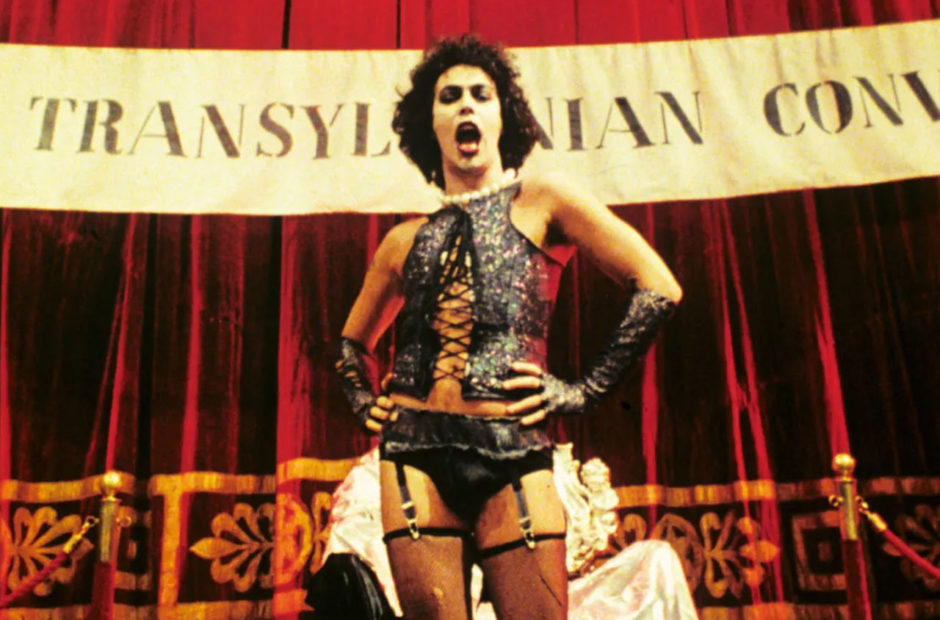
No movie represents that phenomenon better than The Rocky Horror Picture Show. Released in 1975, the musical struggled during its initial run before midnight screenings transformed it into one of the longest-running theatrical releases in history. Audiences didn’t simply watch the movie. They participated in it.
As home video expanded during the 1980s and 1990s, the definition of a cult classic grew with it. Viewers no longer had to wait for midnight screenings or repertory theaters. They could discover unusual movies through video rental stores, cable television, or recommendations from friends.
Today, streaming has made discovering overlooked films easier than ever. A movie no longer has to wait decades to find an audience, but the process remains remarkably similar. Word of mouth still matters. Enthusiastic fans still introduce favorite films to friends. The platforms have changed, but the audience’s role has not.
What Actually Makes a Movie a Cult Classic?
If there is one misconception worth clearing up, it is this: A cult classic is not simply a movie that failed at the box office.
Hollywood has produced thousands of commercial disappointments over the years. Most of them quietly disappeared because audiences never connected with them. A disappointing opening weekend may give a movie the opportunity to become a cult classic someday, but it does not guarantee one.
Likewise, critical reviews are only part of the story.
Some cult classics were dismissed when they first appeared before later being reevaluated. Others received strong reviews from the beginning but appealed to a relatively small audience that grew steadily over time. There is no single path that leads to cult status.
Instead, the defining feature is the audience itself.
Cult classics inspire a level of enthusiasm that goes beyond ordinary appreciation. Fans recommend them to friends, quote them endlessly, attend special screenings, collect memorabilia, debate small details, and return to them again and again. Watching the movie becomes more than a one-time experience. It becomes something people enjoy sharing with others.
That community is what separates a cult classic from an ordinary favorite.
Most Cult Classics Are Discovered, Not Marketed
Studios spend enormous amounts of money trying to persuade audiences that the next big release is an event.
Cult classics usually grow in the opposite direction.
Instead of opening on thousands of screens with massive advertising campaigns, many become popular because individual viewers cannot stop talking about them. One person recommends the movie to a friend, who recommends it to another, and gradually an audience forms that no marketing department could have predicted.
That process can take years.
Sometimes it happens through cable television. Sometimes it happens because a local video store employee keeps recommending the same movie to customers. More recently, streaming services and social media have made those discoveries easier, but the underlying pattern remains remarkably similar.
People do not feel as though a cult classic was sold to them.
They feel as though they discovered it.
That sense of personal discovery is one reason fans often become unusually protective of these movies. Recommending a cult classic can feel less like suggesting entertainment and more like introducing someone to a favorite local restaurant that deserves more attention than it receives.
Repeat Viewings Are Part of the Experience
Most successful movies are enjoyable enough to watch more than once.
Cult classics tend to encourage something closer to ritual.
Fans revisit them repeatedly because they notice new details, enjoy spending time with unusual characters, or simply appreciate the experience of sharing the movie with someone who has never seen it before. Certain lines become instantly recognizable within the community, while particular scenes develop almost legendary status among longtime viewers.
Think about how often fans quote The Big Lebowski, recite dialogue from Monty Python and the Holy Grail, or introduce friends to Office Space. Those movies have become part of popular conversation because audiences kept bringing them back into the conversation.
The same is true of films with interactive audiences.
The Rocky Horror Picture Show remains the gold standard because its fans transformed moviegoing into a participatory event. Costumes, props, call-backs, and audience traditions became just as important as the movie itself. Very few films inspire that level of commitment, which is one reason Rocky Horror is often considered the defining cult classic.
Not Every Weird Movie Becomes a Cult Classic
Another common misunderstanding is that unusual movies automatically qualify.
They do not.
Cinema history is filled with bizarre, experimental, and unconventional films that never developed much of an audience. Being strange may attract curiosity, but it does not create loyalty.
A genuine cult classic gives viewers a reason to come back.
Sometimes that reason is brilliant dialogue. Sometimes it is unforgettable performances. Sometimes it is an imaginative world unlike anything else in theaters. Occasionally it is because the movie is gloriously imperfect in ways that become part of its charm.
Tommy Wiseau’s The Room illustrates that last category perfectly. The movie has become famous not because audiences consider it well made, but because watching it with a crowd became an experience unlike almost any other. Fans celebrate its awkward dialogue, baffling storytelling, and endlessly quotable moments together.
Without that audience, The Room would simply be an obscure independent film.
The community transformed it into a cultural phenomenon.
Can a Blockbuster Become a Cult Classic?
Usually, no.
A movie that dominates the box office, wins major awards, and becomes an immediate part of mainstream culture is generally considered a classic rather than a cult classic. The audience is simply too large and too widespread for the “cult” label to describe it accurately.
That said, there are exceptions.
Some movies begin as cult classics before growing into something much larger.
Ridley Scott’s Blade Runner is one of the best examples. Its original theatrical release disappointed financially and divided critics, but the film steadily gained admirers through home video, television broadcasts, and multiple restored editions. Over time, it became so influential that many people now regard it as one of the greatest science fiction films ever made.
In other words, Blade Runner did not stop being beloved.
Its audience simply grew beyond the boundaries of what most people would call a cult following.
That evolution is relatively rare, but it reminds us that these labels are descriptive rather than permanent. Movies change. Audiences change. A film that begins life as a cult favorite can eventually become part of the broader cinematic canon.
Famous Cult Classics Across Different Genres
One of the reasons cult classics are difficult to define is that they do not belong to a single genre.
Horror has produced many of them, but so have comedies, science fiction, crime films, musicals, and even family movies. The stories themselves can be wildly different. What they share is the unusual relationship they develop with their audiences.
Horror
Horror has probably produced more cult classics than any other genre.
Part of the reason is practical. Horror films are often made on modest budgets, giving filmmakers more freedom to take creative risks. That willingness to experiment has produced movies that initially confused mainstream audiences but eventually found devoted fans.
The Rocky Horror Picture Show remains the best-known example. Its midnight screenings became interactive events that continue nearly fifty years after the film’s release.
Re-Animator embraced outrageous gore and dark comedy in ways that traditional studio horror rarely attempted during the 1980s. It never became a mainstream blockbuster, but it developed a loyal following that helped establish it as one of the defining cult horror films of its era.
Phantasm likewise succeeded because it felt unlike anything else. Its dreamlike storytelling, the mysterious Tall Man, and the unforgettable flying silver spheres created a mythology that fans continued discussing long after leaving the theater.
Comedy
Comedy produces cult classics for a different reason.
Many of them become endlessly quotable.
Viewers begin repeating favorite lines to one another until the movie develops its own shared language.
The Big Lebowski may be the modern gold standard. What began as a modest theatrical performer eventually inspired annual festivals, costume contests, bowling tournaments, and generations of fans who still introduce themselves to the film by saying, “The Dude abides.”
Office Space followed a similar path. It disappointed at the box office but found an enormous audience through DVD and cable television. Its satire of office life became even more relevant as new generations entered the workforce, turning phrases like “Sounds like somebody’s got a case of the Mondays” into part of everyday conversation.
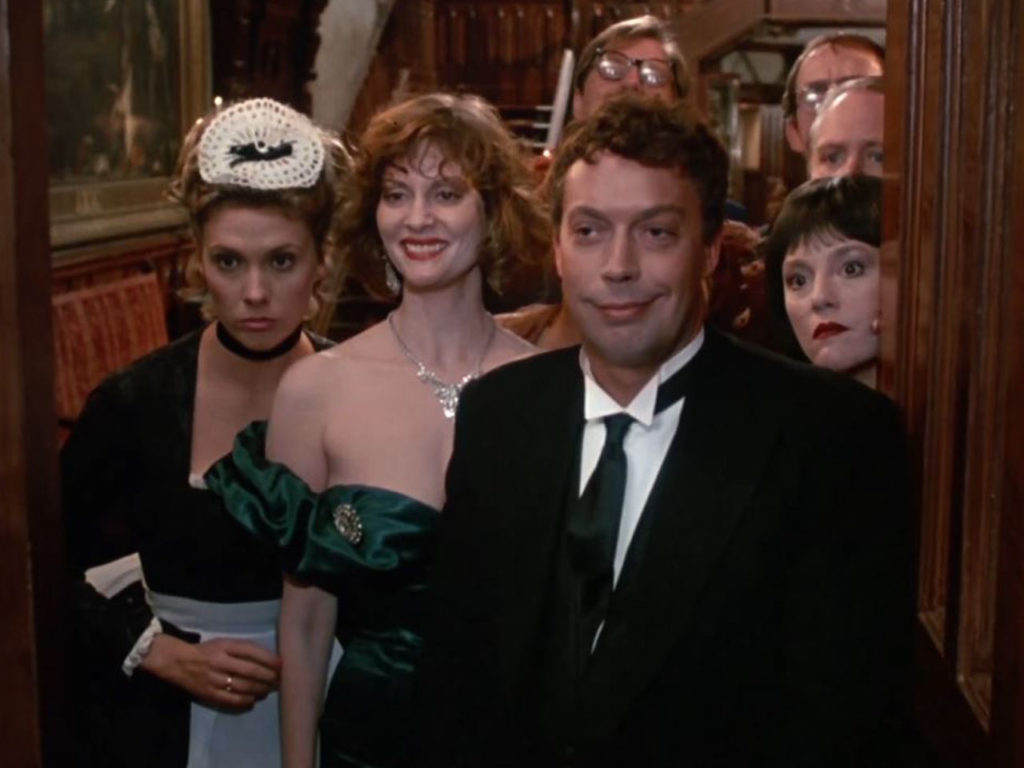
Clue is another fascinating example. Its original theatrical release was overshadowed by the unusual decision to send different endings to different theaters. Home video solved that problem by including every ending, allowing audiences to appreciate the film’s rapid-fire comedy and outstanding ensemble cast. Today, many people are surprised to learn it was not considered a hit when it first arrived in theaters.
Science Fiction
Science fiction has always attracted audiences willing to embrace ambitious ideas, even when those ideas were not immediately popular with mainstream moviegoers.
Brazil developed a devoted following because Terry Gilliam’s surreal vision refused to resemble conventional Hollywood science fiction. It challenged audiences, rewarded repeat viewings, and demonstrated that imaginative filmmaking could thrive outside blockbuster expectations.
Dark City quietly built a reputation after leaving theaters thanks to its striking visual style and ambitious exploration of identity and memory. Although it was overshadowed commercially during its original release, many science fiction fans now consider it one of the genre’s overlooked achievements.
Blade Runner, as discussed earlier, represents the rare case of a movie that began with many of the characteristics of a cult classic before growing into something much larger. Its influence eventually became so significant that it entered the broader conversation about the greatest science fiction films ever made.
The Beautifully Unclassifiable Ones
Some cult classics simply refuse to fit inside comfortable categories.
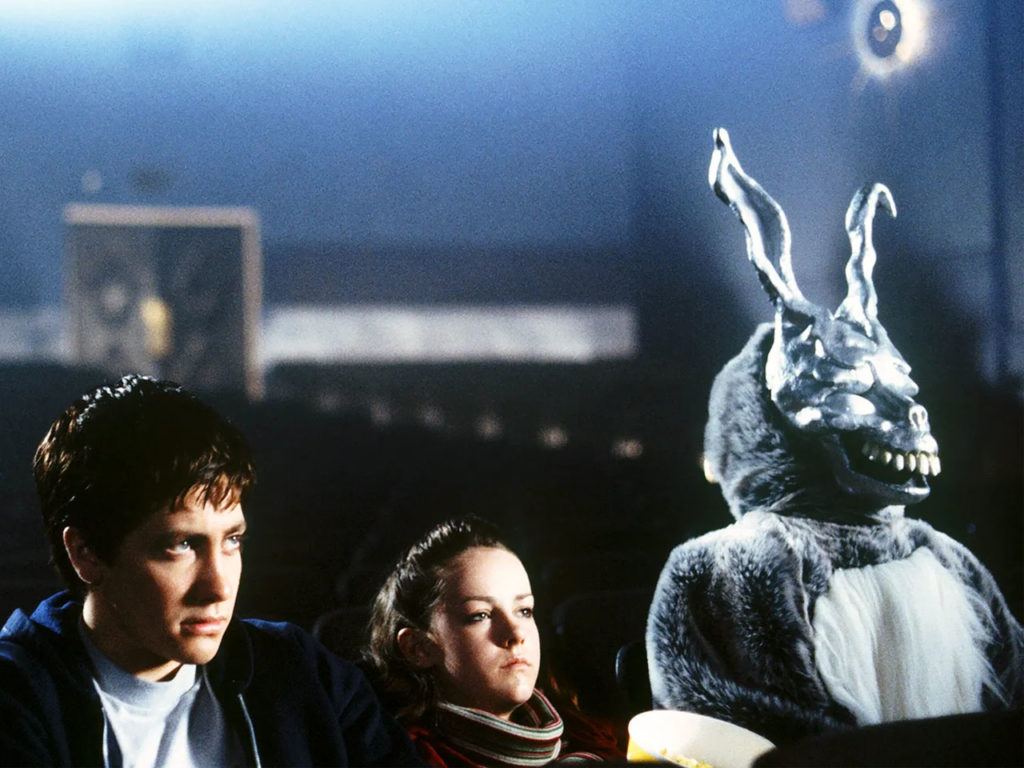
Donnie Darko blends science fiction, psychological drama, teenage angst, and dark comedy into something that remains open to interpretation more than two decades after its release.
Harold and Maude mixes romance, comedy, and reflections on mortality in ways that sounded commercially impossible when it was released. Its reputation grew steadily through college campuses and repertory screenings until it became one of the defining cult films of the 1970s.
Then there is The Room.
Very few people would argue that Tommy Wiseau’s film belongs alongside the artistic achievements mentioned above. Yet it illustrates one of the most important truths about cult classics. Audiences do not always gather because a movie succeeds. Sometimes they gather because the experience of watching it together becomes entertaining in its own right.
The movie itself matters.
The community matters even more.
What’s the Difference Between a Cult Classic and a Classic?
People often use the two terms interchangeably, but they describe different kinds of success.
A classic earns broad recognition across general audiences, critics, and film history. Whether someone personally enjoys Casablanca, The Godfather, or Jaws, there is widespread agreement that those films occupy an important place in cinema.
Cult classics usually inspire a narrower but more passionate audience.
| Classic | Cult Classic |
|---|---|
| Broad mainstream recognition | Passionate, dedicated following |
| Often successful upon release | Frequently discovered over time |
| Widely accepted as important | Popularity grows through fans |
| Appeals to a broad audience | Appeals intensely to a specific audience |
The distinction is not about quality.
Many cult classics are outstanding films. Many traditional classics are endlessly rewatchable. The difference lies in how those reputations developed.
What’s the Difference Between a Cult Classic and a Midnight Movie?
The terms are closely related, but they are not identical.
A midnight movie refers to how a film is exhibited. A cult classic describes the relationship between a movie and its audience.
Midnight screenings played an enormous role in creating many famous cult classics, particularly during the 1970s and 1980s. Movies such as The Rocky Horror Picture Show, Eraserhead, and Pink Flamingos built devoted audiences because theaters discovered that fans would return again and again for late-night screenings.
Not every cult classic became famous through midnight movies, however.
Many found their audiences through cable television, neighborhood video stores, DVD collections, streaming services, or simple word of mouth. Likewise, not every midnight movie ultimately develops the kind of long-lasting following that earns cult status.
The two ideas overlap, but they are not interchangeable.
If anything, midnight movies represent one of the many roads that can eventually lead to a cult classic.
Can a New Movie Become a Cult Classic?
Absolutely.
What it cannot do is become one overnight.
Every few months, a new release will be described as an “instant cult classic” in advertising or on social media. While the phrase may generate attention, it misunderstands how cult classics develop.
Cult status takes time.
A movie needs the opportunity to find its audience, whether through streaming, physical media, repertory screenings, or simple word of mouth. Fans have to return to it repeatedly, introduce it to other people, and keep the conversation alive long after the original marketing campaign has ended.
Sometimes that process takes only a few years.
More often, it takes decades.
That is one reason the label remains meaningful. A studio can spend millions promoting a movie, but it cannot manufacture the kind of long-term loyalty that creates a genuine cult following.
Why Cult Classics Continue to Matter
Cult classics remind us that audiences are often better judges of a movie’s long-term impact than its opening weekend.
Box office results measure how many tickets were sold over a relatively short period. Critical reviews capture opinions at a specific moment in time. Neither tells us how people will feel about a film twenty or thirty years later.
Many cult classics survived because viewers refused to let them disappear.
They rented the VHS. They recommended the DVD to friends. They organized midnight screenings. They quoted favorite scenes. They bought collector’s editions when boutique labels finally gave the films the releases they deserved.
In other words, they kept the movies alive.
That process continues today, even if the technology has changed. Streaming services, online communities, podcasts, YouTube essays, and social media have replaced many of the old ways people discovered unusual films, but enthusiastic fans remain the driving force behind every new generation of cult classics.
Looking for Cult Classics to Watch?
Understanding what makes a cult classic is one thing.
Finding your next favorite is another.
The wonderful thing about cult cinema is that there is no single path into it. Some viewers begin with horror. Others discover offbeat comedies, overlooked science fiction films, or strange independent productions that never found a wide audience during their original release.
That variety is exactly why we’ve spent time exploring cult classics from different decades and genres. Some became famous through midnight screenings. Others found new life on home video or cable television. A few simply waited for the right audience to come along.
More Cult Classic Reading
Now that you know what makes a movie a cult classic, it might be time to discover a few. We’ve been highlighting overlooked favorites from every decade, from midnight movie legends to films that quietly built devoted audiences years after leaving theaters.
Frequently Asked Questions About Cult Classics
Does a cult classic have to be a box office flop?
No. While many cult classics struggled during their original theatrical runs, the defining characteristic is a passionate fan base, not disappointing ticket sales. Some successful movies have also developed cult followings over time.
Can a blockbuster be a cult classic?
Usually not. Blockbusters generally achieve immediate mainstream popularity, while cult classics build their reputations gradually through dedicated audiences. A few films, such as Blade Runner, began as cult favorites before eventually becoming widely recognized classics.
What is the most famous cult classic?
Many film historians point to The Rocky Horror Picture Show because its midnight screenings, audience participation, and extraordinary longevity helped define what most people think of as cult movie culture.
Why are cult classics so quotable?
Many cult classics encourage repeat viewing, and fans often enjoy sharing favorite scenes and dialogue with one another. Those repeated viewings help certain lines become part of popular culture.
Are all weird movies cult classics?
No. Plenty of unusual movies never develop much of an audience. A cult classic requires an active, enthusiastic community that continues recommending and celebrating the film over time.
Can television shows become cult classics?
Yes. Television series can develop devoted followings in much the same way as movies, particularly through syndication, streaming, DVD releases, and word of mouth.
Final Thoughts
Studios do not decide which movies become cult classics.
Critics do not decide.
Awards do not decide.
Audiences do.
That may be the most interesting thing about the label. It cannot be planned, manufactured, or guaranteed. A marketing campaign can persuade people to buy an opening weekend ticket, but it cannot persuade them to keep talking about a movie twenty years later.
Cult classics earn that kind of loyalty one viewer at a time.
Sometimes they begin as overlooked theatrical releases. Sometimes they emerge from midnight screenings, video stores, or streaming recommendations. However they get there, they survive because people continue introducing them to friends, quoting favorite scenes, and returning to worlds that still feel unlike anything else.
That is why the term continues to matter. It is one of the few honors in entertainment that belongs almost entirely to the audience.
Fun Jug Media, LLC (operating TheNerdy.com) has affiliate partnerships with various companies. These do not at any time have any influence on the editorial content of The Nerdy. Fun Jug Media LLC may earn a commission from these links.