If you have ever watched your favorite television show and noticed that the entire cast is suddenly trapped in an elevator, locked in a basement, or stuck waiting in a lobby for 22 straight minutes, you are not just watching a fun creative experiment. You are watching a network accountant try to balance the books.
In the television industry, this highly specific, claustrophobic format is known as a “bottle episode.” While the constraint has produced some of the most critically acclaimed and memorable half-hours in television history, the origin of the format is purely financial.
The Season Budget Crunch
Historically, producing 22 to 26 episodes of television a year was a grueling and incredibly expensive marathon. As a season progresses, shows frequently blow through their allotted budgets on elaborate location shoots, massive stunt sequences, or highly paid guest stars. When producers realize the money is running out before the season is over, they need a way to deliver a required episode to the network as cheaply as humanly possible.
Enter the bottle episode. The rules are strict: use only one pre-existing set, rely exclusively on the regular cast, and completely eliminate any need for special effects, wardrobe changes, or complex lighting setups. It is the television production equivalent of making dinner out of whatever is left in the back of the pantry so you do not have to spend money at the grocery store.
The Term’s Sci-Fi Origins
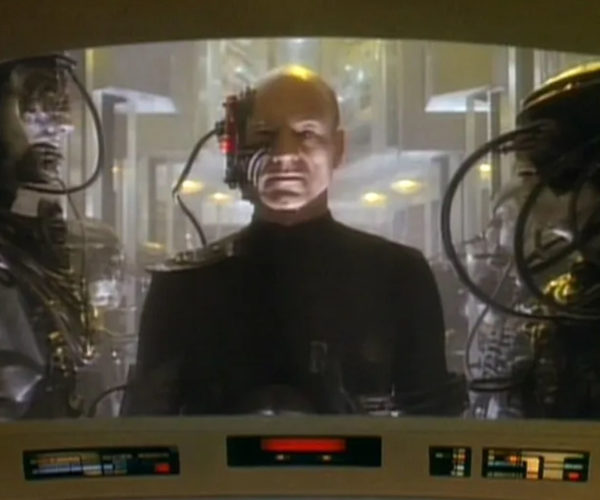
The actual phrase was coined during the production of the original 1960s Star Trek series. The ambitious sci-fi show was notoriously expensive, constantly requiring new alien landscapes and elaborate monster costumes.
To save money, creator Gene Roddenberry frequently commissioned scripts where the crew of the Enterprise never actually left the ship. The cast would simply run around the existing bridge and corridor sets dealing with an internal crisis. The production crew started referring to these cheap, contained stories as “ship-in-a-bottle” episodes, which eventually became shortened to just “bottle episodes.”
Limitation Breeds Creativity
While actors and directors sometimes dread bottle episodes because they are dialogue-heavy and visually static, they frequently turn into massive fan favorites. Stripping away the explosions, the guest stars, and the location changes forces the writers to focus entirely on character dynamics.
When characters cannot physically leave a room, they are forced to confront their lingering issues with one another. The tension builds organically, relying entirely on the strength of the script and the raw talent of the actors.
Classic Bottles
The format has been mastered by both sitcoms and prestige dramas over the decades.
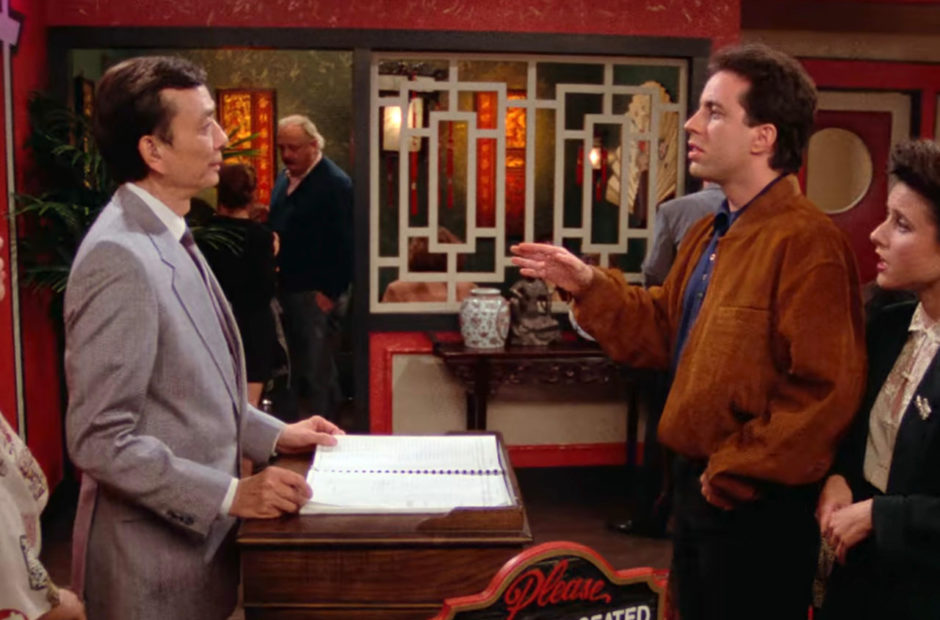
In 1991, Seinfeld aired “The Chinese Restaurant,” an entire episode dedicated to Jerry, George, and Elaine simply waiting for a table in real-time. NBC executives hated the idea, arguing that nothing actually happened, but it became a defining, revolutionary moment for the series. A few years later, Friends pulled off a similar masterclass with “The One Where No One’s Ready,” trapping the entire cast in Monica’s apartment as Ross desperately tries to get them out the door for a paleontology benefit.
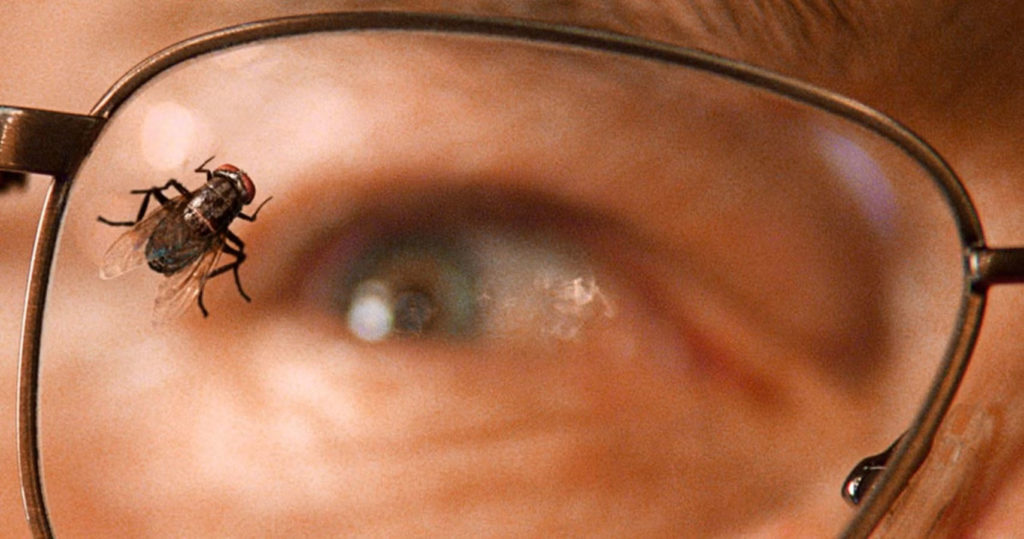
Dramas use the tactic for psychological warfare. Breaking Bad famously delivered “Fly,” an intensely polarizing episode directed by Rian Johnson where Walter White and Jesse Pinkman spend an entire hour locked in their meth lab trying to kill a single housefly. It saved the production money, but more importantly, it served as a brilliant, claustrophobic deep dive into Walter White’s deteriorating mental state.
So the next time your favorite characters get locked in a freezer or stranded in a parked car, pay close attention. The network might just be out of cash, but you are likely about to watch some of the best acting of the entire season.