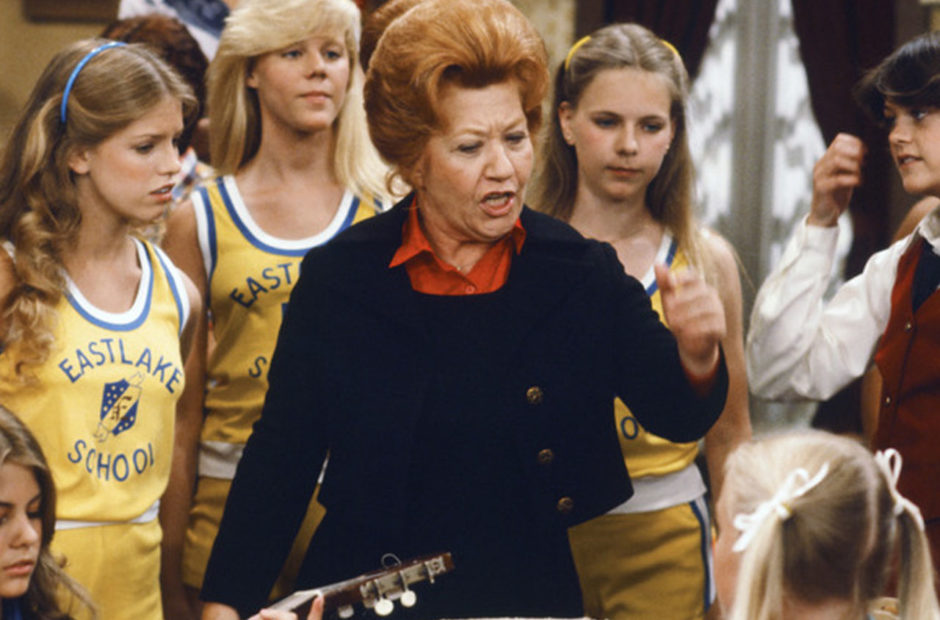
In the television industry, making a brand new show is a terrifying financial gamble. Networks routinely spend millions of dollars shooting a standalone pilot episode with absolutely no guarantee that the final product will be watchable, let alone find a dedicated audience. Most standard pilots fail quietly in a corporate boardroom and never see the light of day.
But network executives are highly allergic to burning money. To bypass that massive financial risk, they rely on a clever, highly efficient cheat code known as the backdoor pilot.
A backdoor pilot is an episode of an established, currently airing television show that functions as a stealthy introduction for a brand new spin-off series. Instead of asking viewers to take a chance on an unknown property, the network tricks a massive, built-in audience into watching a proof-of-concept for a completely different show.
The Art of the Handoff
The mechanics of a backdoor pilot are usually pretty obvious once you know what to look for. Midway through a normal season, the main characters of your favorite show will suddenly travel to a new city, or they will require the help of a highly specialized outside expert. Suddenly, the regular cast takes a backseat.
The camera lingers on these new guest stars. They are given tragic backstories, quirky sidekicks, and unresolved romantic tension. For one week, the existing show essentially acts as a Trojan horse to deliver a brand new cast into your living room.
If the audience hates the new characters or the ratings plummet, the network simply pretends the episode was just a fun, experimental deviation from the norm. The guest stars are never seen again, and the network saves the millions of dollars it would have spent launching a doomed standalone series. But if the audience responds well, those guest stars get their own show the following fall, hitting the ground running with a pre-established fanbase.
Classic Trojan Horses
You have likely watched dozens of backdoor pilots without ever realizing it. The tactic has been a cornerstone of broadcast television for decades.
In the spring of 2003, the hit military legal drama JAG aired a two-part episode called “Ice Queen” and “Meltdown.” The main characters of JAG were suddenly forced to work with a quirky, fast-talking team of naval criminal investigators. Those two episodes served as the backdoor pilot for NCIS, a spin-off that eventually eclipsed its parent show and remained on the air for over two decades.
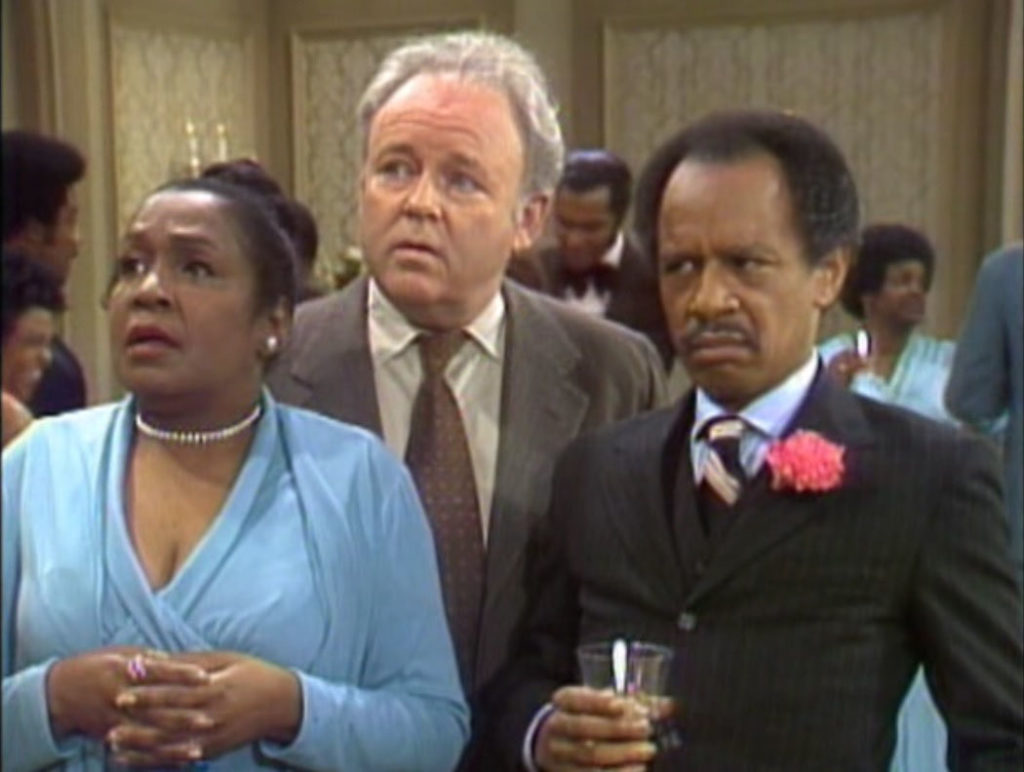
Norman Lear was an absolute master of this in the 1970s. All in the Family functioned as a launchpad for several iconic shows. While The Jeffersons were established neighbors who eventually “moved on up” into their own series, the backdoor pilot for Maude took a different approach. The character of Maude Findlay had actually been introduced earlier in the season when she visited the Bunkers to care for them during a flu outbreak. But the official backdoor pilot happened a few months later in an episode simply titled “Maude,” where Archie and Edith traveled to Maude’s home in Tuckahoe, New York, to attend her daughter’s wedding. That episode served as the highly successful launchpad for her standalone hit series.
On the flip side, some shows treated backdoor pilots like a volume business. Murder, She Wrote famously leaned on this tactic to give Angela Lansbury a break from her grueling production schedule. The producers created “bookend” episodes where Jessica Fletcher merely introduced a story featuring a new detective and then completely vanished. They tried to launch shows around a jewel thief named Dennis Stanton, an ex-cop with a dog, and a tough-guy private eye. While they threw multiple pilots at the wall, almost none of them were picked up. The only one that made it to series was The Law and Harry McGraw starring Jerry Orbach, which was swiftly canceled after one season.
The Ultimate Test Drive
While the terminology belongs to the old broadcast network era, the practice is still alive and well in the streaming age. Franchises are simply too valuable to leave to chance. Launching a spin-off from a cold start is hard, but launching a spin-off directly from the middle of a proven hit is a calculated, incredibly safe business decision.
So next time you are watching your favorite established show and the main characters suddenly step aside to let a group of incredibly attractive, heavily traumatized guest stars solve the central problem, take note. You are not just watching an episode. You are taking a brand new television show for a test drive.