If you were a kid in the 1990s, Friday night was not for going out. Friday night was an exclusive, two-hour commitment to your living room couch. You grabbed a slice of pizza, turned on ABC at 8:00 PM, and did not change the channel until 10:00 PM.
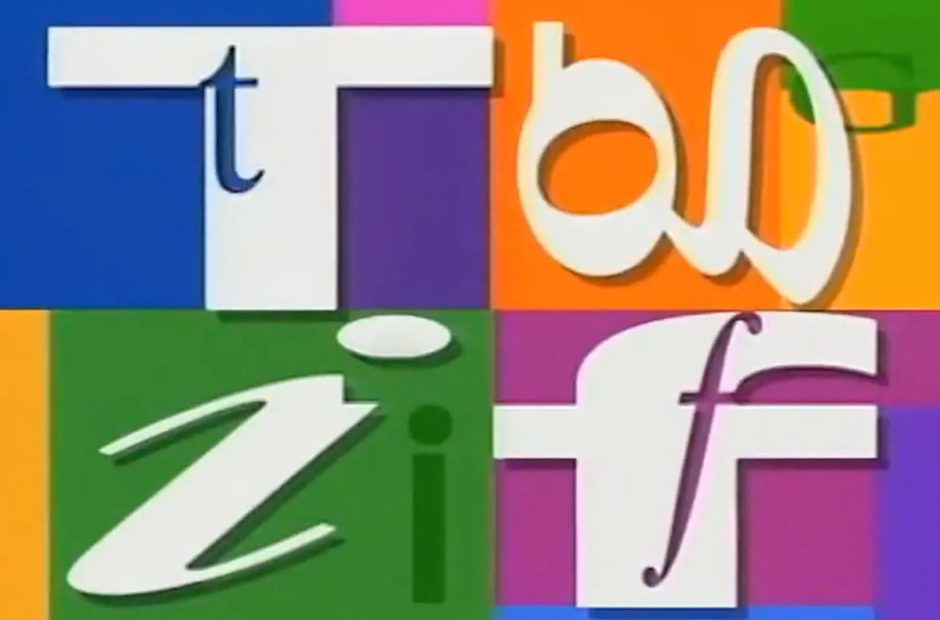
This was TGIF, an acronym that technically stood for “Thank Goodness It’s Funny.” It was not just a random assortment of sitcoms. It was a highly orchestrated, incredibly lucrative piece of broadcast television history that completely rewired how a generation watched TV.
The Magic of Block Programming
Before 1989, Friday night was largely considered a television graveyard. Networks assumed families were out at the movies or high school football games, so they rarely put their best or most expensive shows in that slot.
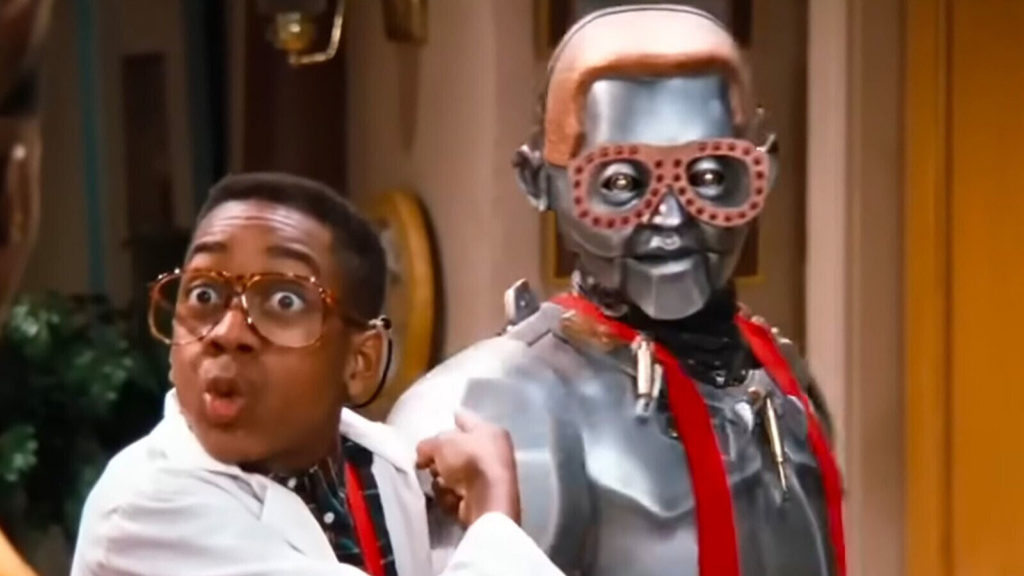
ABC executives decided to try something radical. Instead of just airing four separate shows, they packaged them together into a single, seamless event called “block programming.” They had the stars of the shows host the evening, delivering custom intros and transitions between the episodes. If Steve Urkel from Family Matters tossed to the commercial break and told you to stick around for Step by Step, you listened.
The genius of TGIF was that it eliminated the concept of changing the channel. It felt like one giant, two-hour television show. ABC successfully trained an entire generation of kids to sit through the commercials and stick around for whatever the network served up next.
The Miller-Boyett Formula
To keep the block cohesive, ABC relied heavily on two producers: Thomas L. Miller and Robert L. Boyett. The Miller-Boyett production company essentially built the DNA of TGIF.
Their formula was highly specific and incredibly successful. The shows featured quirky extended families, physical comedy, very distinct catchphrases, and a mandated emotional lesson usually accompanied by soft acoustic guitar music at the end of the episode.
The shows were bright, safe, and wildly popular. They also heavily utilized crossover events. Characters from one show would constantly pop up in another, reinforcing the idea that the entire Friday night lineup existed in the same friendly universe.
The Complete TGIF Roster
When people think of TGIF, they usually picture the core heavy hitters. But running a two-hour block for over a decade meant ABC had to constantly cycle through new shows. Some became cultural institutions, while others were quickly canceled fever dreams.
The Heavy Hitters: These were the foundational pillars of the block that defined the era.
- Perfect Strangers
- Full House
- Family Matters
- Step by Step
- Boy Meets World
- Sabrina the Teenage Witch
The Solid Mid-Carders: These shows had respectable runs on the block, keeping the momentum going between the massive hits.
- Just the Ten of Us
- Hangin’ with Mr. Cooper
- Dinosaurs
- Clueless
- Sister, Sister (which started here before moving to The WB)
- Two of a Kind
- The Hughleys
The Forgotten Experiments: Because ABC needed constant content, they threw a lot of bizarre concepts at the wall. Most of these lasted a single season or less.
- Baby Talk (a sitcom based on Look Who’s Talking)
- Camp Wilder
- Getting By
- Where I Live
- On Our Own
- Muppets Tonight
- Aliens in the Family (a Jim Henson Company creation)
- Teen Angel (a show about a teenager who dies after eating a bad burger and becomes an angel)
- You Wish (a sitcom about a genie)
- Brother’s Keeper
- Odd Man Out
The End of the Block
So why did the greatest Friday night block in history fall apart? Like most television phenomena, it suffered from a mix of shifting demographics and corporate restructuring.
By the late 1990s, the kids who grew up watching Boy Meets World and Sabrina the Teenage Witch were aging out of the target demographic and actually leaving the house on Friday nights. At the same time, Disney purchased ABC. The new corporate ownership tried to shift the programming toward their own synergistic properties, attempting to build theme park cross-promotions, and the distinct, cozy Miller-Boyett charm started to fade.
The original TGIF block officially folded in the year 2000. Networks have tried to revive the branding a few times since, but they could never recapture the original magic. Today, streaming allows you to watch whatever you want on your own schedule. But there was a brief, golden window when ABC united millions of kids for exactly two hours every single Friday night.