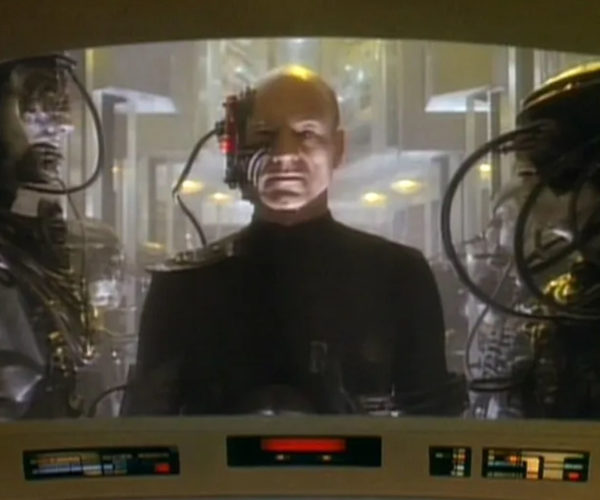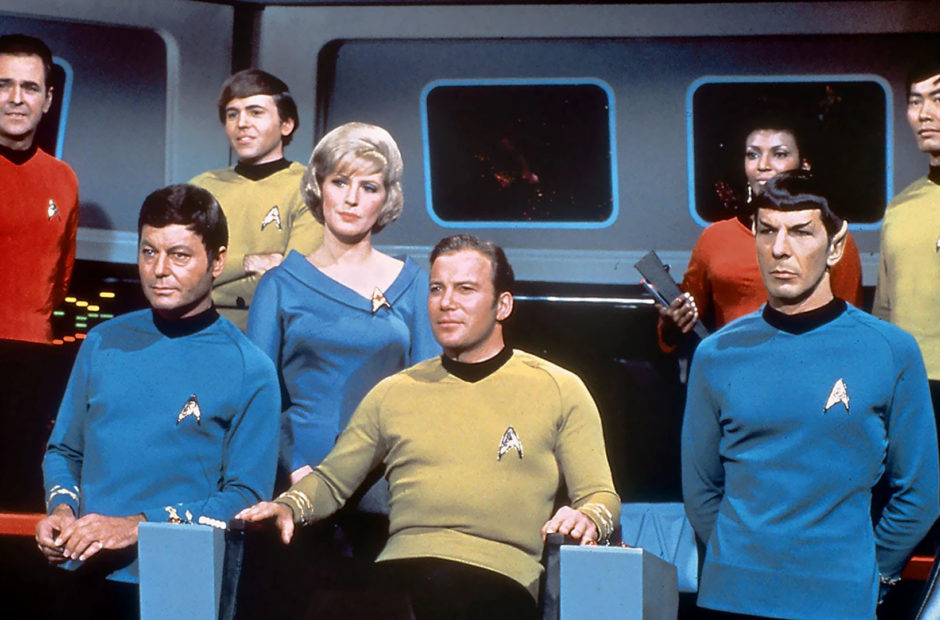
For decades, if you turned on your local television station at 4:00 PM on a Tuesday, you were stepping into a parallel universe of pop culture comfort. You might catch a four-year-old episode of Cheers, a classic black-and-white broadcast of The Andy Griffith Show, or a daytime run of Star Trek: The Original Series. These shows did not carry the logos of the major broadcast networks, and they aired at completely different times depending on what city you lived in.
If you read the television trade magazines of the era, this phenomenon was described with a single, highly technical word that most viewers knew but rarely understood: syndication.
To the average kid watching after-school television, syndication just meant reruns. But to the creators, writers, and studios producing those shows, syndication was the ultimate promised land. It was the financial engine of Hollywood, a system that could take a television series that pulled mediocre ratings during its prime-time run and transform it into a multi-billion-dollar empire. It was also the reason why showrunners would do anything, from begging executives to greenlighting disastrous creative changes, just to hit a specific, magical milestone: 100 episodes.
Understanding what syndication actually means is the key to understanding how classic television was built, how your childhood viewing habits were shaped, and why the modern streaming model is leaving billions of dollars on the table.
The Two Sides of the Syndication Coin
At its most basic level, syndication is a method of distribution that bypasses the traditional television networks. Instead of selling a show to ABC, NBC, or CBS to be broadcast simultaneously across the entire country, a distributor sells the broadcast rights to individual television stations city by city.
Historically, this fell into two distinct categories:
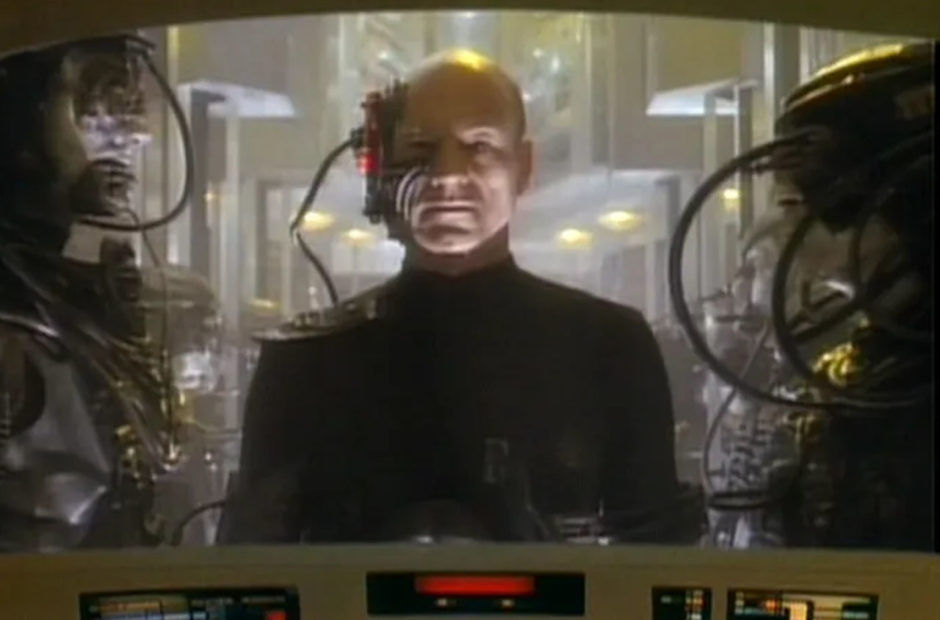
- First-Run Syndication: These were programs created specifically to be sold directly to local stations, completely bypassing the prime-time network pipelines. This was the home of daytime talk shows like The Oprah Winfrey Show, game shows like Wheel of Fortune, and cult sci-fi dramas like Star Trek: The Next Generation or Xena: Warrior Princess. A local Fox affiliate in Chicago and a local CBS affiliate in Miami could both buy the same show and broadcast it whenever they had a hole in their daily schedules.
- Off-Network Syndication: This is the classic “rerun” model. A show would debut on a major network like NBC, air once a week in prime time for several years, and then, after accumulating a massive library of episodes, the studio would sell those past seasons to local stations to be re-aired daily.
For independent local stations—especially the scrappy UHF channels that lacked a major network affiliation—syndication was life support. It allowed them to fill 24 hours of airtime with recognizable, high-quality Hollywood content without the astronomical expense of producing original shows.
The Magic of “Stripping” and the 100-Episode Metric
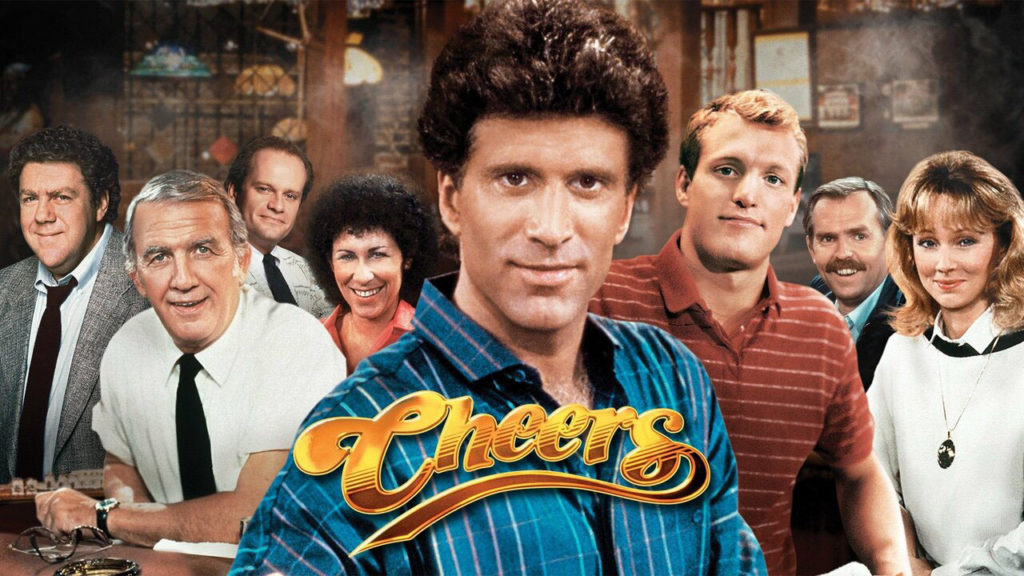
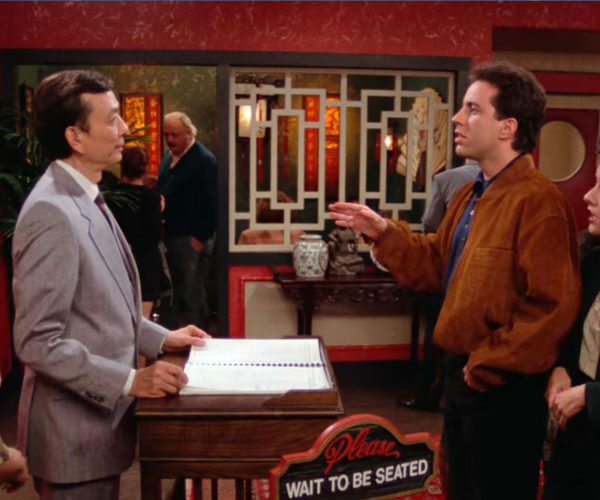
To understand why the 100-episode number became the holy grail of Hollywood, you have to understand the logistics of how local stations programmed their weekdays. When a network airs a show like Seinfeld or The Golden Girls, it airs once a week. But when a local station buys the syndicated reruns of that show, they do not air it once a week. They air it Monday through Friday at the exact same time every day.
In the television industry, this daily scheduling practice is known as “stripping”.
Now, let us look at the mathematics of a standard television year. A single year contains 52 weeks. If a local station strips a show five days a week, they will burn through 5 episodes a week. Over the course of 20 weeks—roughly five months of broadcasting—the station will use exactly 100 episodes.
If a show only lasted for two seasons and accumulated 44 episodes, a local station that tried to strip it daily would repeat the entire series in less than nine weeks. Viewers would quickly experience burnout, the ratings would plummet, and local advertisers would refuse to buy commercial spots. But if a show had 100 episodes, the station could run the series for nearly half a year before repeating a single episode. By the time the cycle started over, the early episodes felt fresh again.
This is why hitting the four-to-five-season mark was life or death for a network television show. A series could lose money for years on network television because production costs outpaced what the network paid in licensing fees. But if the studio could just keep the show alive until it hit 100 episodes, they could unlock the off-network syndication market, selling the rerun rights to hundreds of local stations simultaneously and generating pure, unadulterated profit that could sustain the creators for the rest of their lives.
More TV History Reading
TV history is gigantic and wider than any one article can cover.
The Government Rules That Created the Boom
The golden age of syndication did not happen by accident; it was mandated by the federal government. In 1970, the Federal Communications Commission became deeply concerned that the Big Three networks (ABC, NBC, and CBS) held an absolute monopoly over what Americans were allowed to watch. The networks controlled the production, the prime-time broadcast, and the subsequent rerun markets.
To break this monopoly, the FCC enacted the Financial Interest and Syndication Rules, universally known in Hollywood as the “Fin-Syn” rules.
Fin-Syn prohibited networks from owning a financial stake in the television shows they broadcast, and it explicitly banned them from running their own syndication companies. If an outside studio like Warner Bros. or Paramount produced a hit sitcom for NBC, NBC was allowed to broadcast it once, but the studio retained ultimate ownership of the episodes. Once the show hit the magic number, the studio—not the network—reaped the multi-million-dollar rewards of selling the reruns.
This rule created a hyper-competitive, incredibly lucrative independent studio system. It is the exact reason why a cult sci-fi show like Star Trek could be canceled by NBC in 1969 due to low network ratings, only to become a global phenomenon throughout the 1970s because Paramount was free to flood local independent stations with syndicated reruns. Syndication saved Star Trek, building a massive, dedicated fanbase out of children who watched the enterprise drift across their screens every single afternoon after doing their homework.
The Hidden Alchemy of the Syndication Cut
To make these packages even more attractive to local stations, distributors utilized a highly clever financing model known as “barter syndication.”
Instead of forcing a small, local TV station to pay millions of dollars upfront for the rights to air a massive hit show, the distributor would offer the show at a steep discount, or even entirely for free. In exchange, the distributor would keep a portion of the commercial airtime within each episode—usually two to three minutes—to sell to national advertisers themselves. The local station kept the remaining commercial slots to sell to local businesses like car dealerships or grocery stores.
This was a win-win scenario. The local station got a high-rated, premium television show to anchor its afternoon schedule without draining the bank account. The studio received guaranteed, daily access to national advertising revenue across hundreds of markets simultaneously.
It also explains a bizarre phenomenon that many viewers noticed but never understood: why syndicated reruns often felt slightly different than their original prime-time broadcasts. To squeeze more commercial minutes into a half-hour timeslot, syndicators would routinely cut minor scenes out of the episodes entirely. If you ever noticed that a syndicated rerun of your favorite sitcom seemed to skip a minor subplot or cut abruptly to a commercial break, you were witnessing the physical extraction of content to make room for more high-paying advertisements.
The Death of Fin-Syn and the Streaming Shift
The syndication landscape changed forever in April 1993, when the FCC officially voted to abolish the Fin-Syn rules. With the rise of cable networks like Fox, Warner Bros., and UPN, the government argued that the traditional big three networks no longer held a monopoly over the airwaves.
The elimination of the rules triggered a massive wave of corporate consolidation. Suddenly, networks were allowed to own the shows they broadcast, leading to the corporate mergers we see today, where Disney owns ABC, and Paramount owns CBS. The era of the truly independent studio selling reruns to the highest-bidding local station began to wither away.
Today, the television industry has shifted almost entirely to the streaming model, replacing the traditional syndication pipeline with “all-at-once” digital drops. Instead of keeping a show on the air for five years to slowly accumulate 100 episodes, streaming services regularly cancel critically acclaimed dramas after eight or ten episodes, concluding that continuing a series is too expensive under modern subscription funding models.
But by abandoning the slow build to 100 episodes, modern entertainment companies have lost the lucrative, long-term safety net that built Hollywood. Syndication was the ultimate cultural recycling system, ensuring that good art was preserved, local stations stayed funded, and generations of viewers could share the exact same afternoon traditions. It was a business model where losing the prime-time battle didn’t matter, because the afternoon war was where the real empires were won.