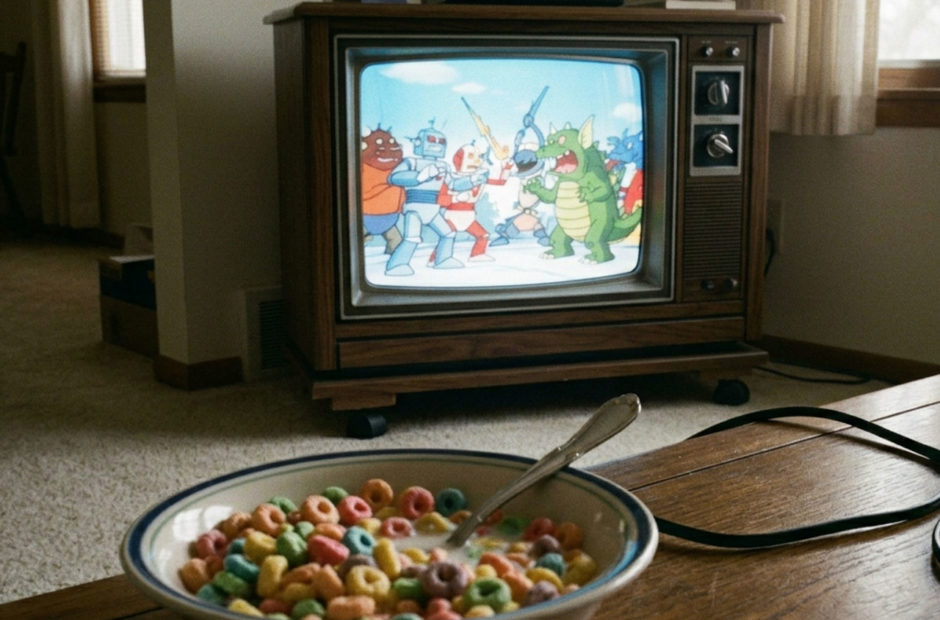
For decades, Saturday mornings were sacred ground. Kids across the country would wake up at the crack of dawn, pour an irresponsibly large bowl of sugary cereal, and park themselves in front of the television until noon. The big three networks treated this time slot like a battlefield, deploying heavy animated artillery to capture the youth demographic. It was an institution.
In its prime, this block of programming was a license to print money. Networks worked hand-in-hand with toy companies and cereal brands to create a perfectly optimized delivery system for commercialism. It was loud, it was colorful, and it was entirely focused on keeping a ten-year-old glued to the screen.
But if you look at a broadcast network schedule on a Saturday morning today, that animated wonderland is completely gone. You will mostly find local news, live sports, or wildlife shows hosted by enthusiastic conservationists. The vibrant, toy-driven chaos of the classic cartoon block simply vanished.
So, what actually killed the Saturday morning cartoon? The answer is a messy combination of new technology, changing childhood habits, and a massive shift in federal broadcasting rules.
The Cable Invasion
To understand the fall, you have to look at what made the original setup so special. In the 1970s and 1980s, you could only watch cartoons when the networks allowed you to watch cartoons. That scarcity made Saturday mornings an event. You had to tune in at exactly 8:00 AM, or you missed out on the kick-off to the weekly ritual.
That dynamic fractured when cable television moved into the mainstream. Networks like Nickelodeon and Cartoon Network built entire business models around offering animated programming 24 hours a day, seven days a week. By the mid-1990s, kids no longer had to wait for the weekend to get their fix. When cartoons became always available, Saturday mornings lost their exclusive magic.
Adding to the problem was the rise of the household VCR. For the first time, kids could record their favorite shows and watch them on a Tuesday afternoon. The broadcast networks were no longer in complete control of the viewing schedule, and that first crack in the armor allowed the audience to slowly start drifting away.
The Law That Changed Everything

While cable chipped away at the audience, the federal government delivered the fatal blow. In 1990, Congress passed the Children’s Television Act. This law required broadcast networks to serve the educational and informational needs of children. A few years later, the FCC tightened the rules, mandating that stations air a minimum of three hours of “E/I” programming every week to keep their broadcast licenses.
At first, networks tried to adapt by awkwardly shoehorning educational messages into traditional cartoons. Action heroes suddenly started delivering heavy-handed speeches about recycling and teamwork. But networks quickly realized they had a major financial problem. Producing high-quality animation is incredibly expensive, and producing educational animation that kids actually want to watch is almost impossible.
The math simply did not work anymore. It was significantly cheaper to hit their three-hour E/I quota by airing low-budget, live-action educational shows. They pivoted away from animation entirely, opting instead for teen sitcoms with moral lessons, generic science shows, and endless variations of animal experts walking around a zoo.
Advertisers also started pulling their money. The same FCC laws placed strict limits on how many commercial minutes could be shown during children’s programming. With viewership already dropping to cable and ad revenue artificially capped by the government, the massive profit margins of the Saturday morning cartoon block collapsed entirely.
The Final Sign-Off
As the 2000s rolled in, the landscape continued to shift. The rise of the internet, the explosion of home video game consoles, and the eventual dominance of streaming services gave kids a million other things to do on a weekend morning. The audience fragmented beyond repair.
Rather than fight a losing battle, the broadcast networks slowly threw in the towel. They began leasing their Saturday morning real estate entirely to outside production companies like Litton Entertainment, which packaged ready-made, strictly educational live-action blocks to satisfy the FCC requirements.
The official end of the era arrived on September 27, 2014. On that day, The CW aired the final broadcast of its “Vortexx” block. When it ended, the traditional broadcast network Saturday morning cartoon died with it.
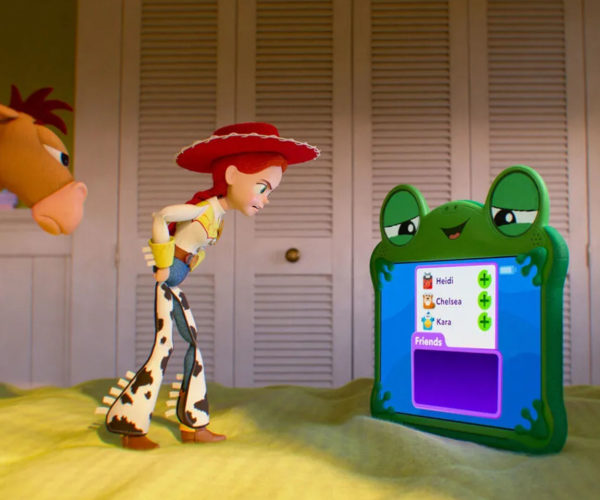
Today, kids have instant access to more high-quality animation than they could ever watch in a lifetime. Streaming offers a superior viewing experience in almost every measurable way. But for the generations who lived through the golden era, clicking a button on a tablet will never quite match the thrill of waking up before your parents to catch a brand new episode on a Saturday morning.