For much of Hollywood’s history, sports dramas were a dependable part of the studio ecosystem. They were not just about winning games. They were about discipline, failure, aging, pride, and the cost of ambition. Even when the final score mattered, it was rarely the point.
For decades, studios regularly released sports dramas aimed at broad audiences. They played in theaters, attracted major stars, and often became cultural touchstones. Then, gradually, they faded from the release calendar.
When Sports Movies Were About People First
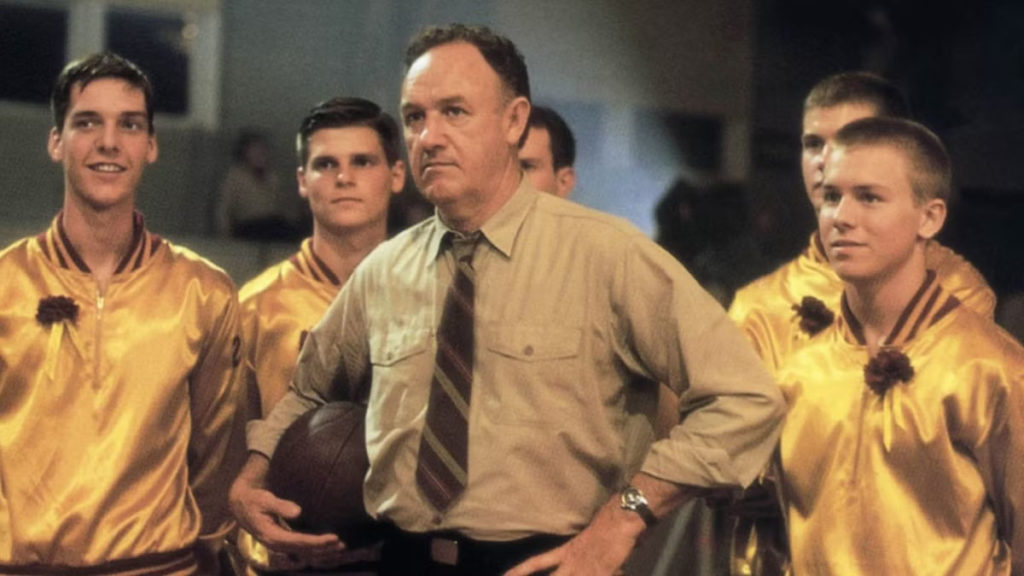
The classic sports drama treated athletics as a framework rather than the destination. Films like Rocky, The Natural, Hoosiers, and Raging Bull used sports to explore identity, obsession, and the passage of time. Victory was meaningful only because of what it cost.
These movies worked because they were fundamentally human stories. They focused on flawed characters confronting limits, both internal and external. The games mattered, but they mattered because of what they revealed about the people playing them.
Studios understood the appeal. Sports offered built-in stakes and recognizable structures, but the emotional core was universal. You did not need to love baseball, boxing, or basketball to connect with the story.
The 1980s and 1990s Peak
The sports drama thrived well into the 1980s and 1990s. Films like Bull Durham, Field of Dreams, A League of Their Own, The Natural, and Jerry Maguire blended romance, comedy, and drama with athletic settings. These were not niche releases. They were mainstream hits.
Star power played a significant role. Actors used sports films to signal range and maturity, while studios marketed them as prestige entertainment that still appealed to general audiences.
Importantly, these films did not rely on spectacle alone. They trusted dialogue, performance, and emotional payoff. The climactic moments worked because the audience cared about the characters, not because the action was louder or faster.
Why the Sports Drama Lost Its Place
The decline of the sports drama followed the same economic pressures that affected other adult-oriented genres. As studios chased global box office returns, films rooted in specifically American sports became harder to market internationally.
Budgets also crept upward. As production costs rose, the tolerance for modest, character-driven returns shrank. A sports drama that performed well domestically was no longer considered enough if it lacked franchise potential.
At the same time, real-world sports became more accessible than ever. Constant coverage, documentaries, and behind-the-scenes access reduced the novelty of fictionalized athletic stories. Reality often felt more immediate than dramatization.
Studios responded by pivoting toward either large-scale spectacle or inspirational formulas that felt safer and more broadly appealing. The nuanced, adult sports drama quietly slipped out of favor.
Where Sports Stories Went Instead
Like many displaced genres, sports dramas found new homes outside traditional theatrical releases. Streaming platforms embraced limited series and documentaries that allowed for deeper exploration of teams, seasons, and individual athletes.
While these projects often capture the complexity that theatrical films once delivered, they lack the shared cultural experience that made classic sports dramas resonate. Watching a season unfold over weeks is different from sitting in a theater and absorbing a complete story in one evening.
Why the Loss Still Resonates
The disappearance of the sports drama reflects a broader shift in how Hollywood approaches storytelling. These films once occupied a space where ambition, aging, failure, and redemption could be explored without irony or spectacle.
They offered audiences stories about effort rather than dominance, perseverance rather than invincibility. In an era increasingly defined by franchises and extremes, that kind of grounded storytelling has become rare.
The vanishing sports drama is not just about fewer movies being made. It is about the narrowing of what mainstream cinema considers worth celebrating.

Could the Sports Drama Return?
A return is possible, but it would require a recalibration of expectations. Sports dramas succeed when they are allowed to be intimate, reflective, and character-driven.
If studios once again recognize the value of stories that prioritize humanity over spectacle, the genre could find its footing. Until then, sports dramas remain a reminder of a time when Hollywood believed that effort itself was a compelling story.
Fun Jug Media, LLC (operating TheNerdy.com) has affiliate partnerships with various companies. These do not at any time have any influence on the editorial content of The Nerdy. Fun Jug Media LLC may earn a commission from these links.