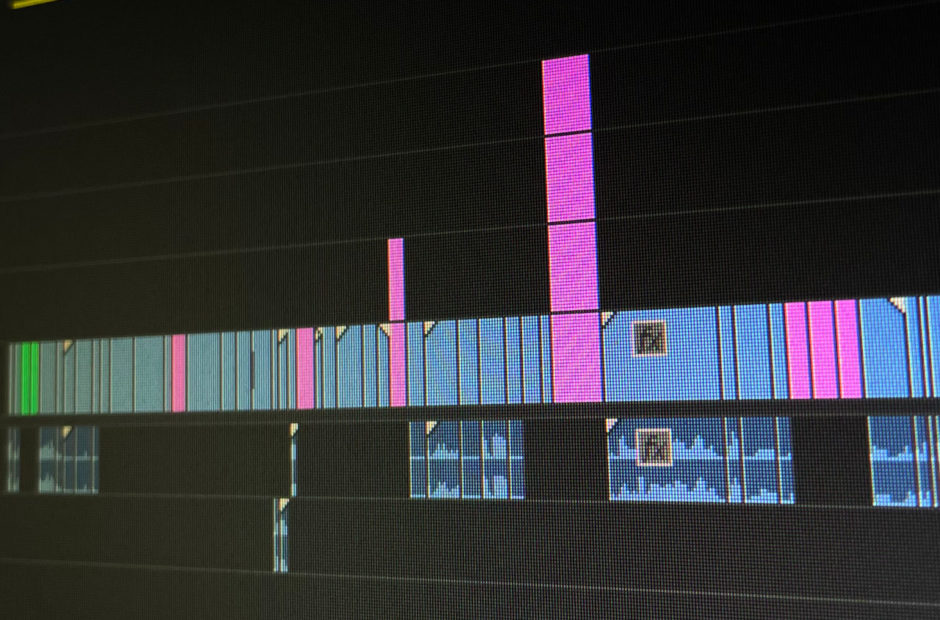
Ask someone why older movies feel “slow,” and the answer is usually vague. The story takes longer. Scenes linger. Dialogue stretches out. But what most people are responding to is not the story itself. It is the pacing.
Pacing is not just about how quickly a plot moves. It is about how long a film allows you to sit with a moment, a reaction, or a piece of information. Over the past few decades, that balance has shifted in noticeable ways.
When Movies Took Their Time
Films from the 1970s, 80s, and even into the early 90s often allowed scenes to unfold without urgency. Conversations played out in full. Reaction shots lingered. Silence was not treated as a problem to be solved.
This slower rhythm gave audiences time to process what they were seeing. It created space for performances to breathe and for tension to build gradually.
It also required patience. Movies assumed viewers would stay engaged without constant movement.
What Changed in the Late 1990s
By the late 1990s and early 2000s, pacing began to accelerate. Cuts became shorter. Scenes arrived at their point more quickly. Transitions tightened.
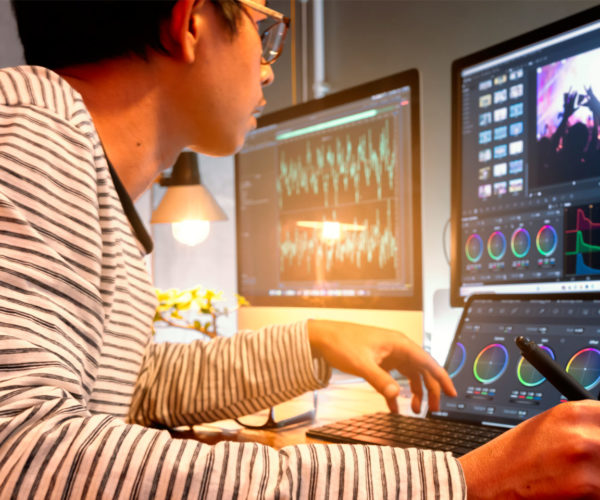
This shift was not caused by a single factor. It reflected changes in technology, editing workflows, and audience expectations. Digital editing made rapid cutting easier, while television and music videos influenced visual rhythm.
Movies began to move with more urgency, even in moments that would have previously been allowed to sit.
The Influence of Other Media
Television played a significant role in reshaping pacing. As more viewers spent time with episodic storytelling, expectations for how quickly information should be delivered began to change.
Music videos introduced a faster visual language, where quick cuts and strong imagery carried meaning without extended setup. Advertising reinforced the idea that attention had to be captured immediately.
These influences did not replace film pacing. They blended into it.
Why Faster Isn’t Always Better
Faster pacing can create energy and momentum, but it can also limit emotional depth. When scenes move too quickly, there is less time for performances to register or for tension to fully develop.
Moments that might have resonated in a slower film can pass by before the audience has time to absorb them. The experience becomes more immediate, but sometimes less lasting.
The challenge is not speed itself. It is balance.
Why Slower Isn’t Always Better Either
Slower pacing carries its own risks. Scenes that linger too long can feel indulgent or unfocused. Audiences may disengage if the film does not justify the time it asks for.
The most effective films, regardless of era, understand how to control rhythm. They know when to hold and when to move.
Pacing is not a fixed standard. It is a choice.
How Pacing Shapes Experience
Pacing determines how a film feels in the moment and how it stays with you afterward. A slower film may feel more immersive, while a faster film may feel more immediate.
Neither approach is inherently superior. Each creates a different relationship between the audience and the story.
What has changed is not just speed, but expectation. Viewers now anticipate a certain rhythm, and films are shaped to meet it.
Why This Shift Matters
Understanding pacing helps explain why films from different eras feel distinct even when their stories are similar. The difference is not always in what is being told, but in how long the film allows you to experience it.
Once you notice pacing, it becomes difficult to ignore. You start to see where films rush, where they linger, and how those choices affect everything else.
It is one of the most subtle ways movies have changed, and one of the most influential.
Fun Jug Media, LLC (operating TheNerdy.com) has affiliate partnerships with various companies. These do not at any time have any influence on the editorial content of The Nerdy. Fun Jug Media LLC may earn a commission from these links.
What to Read Next
- Why Editing Matters More Than You Think
- Why Movie Soundtracks Once Dominated Pop Culture
- When Going to the Movies Was a Weekly Habit