In the ruthless math of broadcast television, a show’s survival didn’t just depend on how good the writing was. It depended entirely on where the network put it on the schedule. And for decades, there was no placement more feared by showrunners, actors, and fans than the legendary “Friday Night Death Slot.”
Usually referring to the block between 8:00 PM and 10:00 PM on Friday nights, moving a struggling show into this timeslot was the network equivalent of sending it to a hospice. Executives knew the show was going to die; they just needed a place to put the body while the clock ran out on the production contract.
The Demographic Desert
To understand why Friday night was a graveyard, you have to look at how networks sold advertising. The most lucrative, highly sought-after demographic for advertisers was 18-to-49-year-olds. This is the age group that buys cars, switches beer brands, and goes to the movies.
The problem is that 18-to-49-year-olds are generally not sitting on their couches on a Friday night. They are out to dinner, going to bars, or attending high school sporting events. The audience that stayed indoors on a Friday evening skewed either very young (kids) or very old (retirees). If a network aired a high-budget drama aimed at adults on a Friday, the ratings would completely collapse because the target audience simply wasn’t in the building.

The Sci-Fi Curse
No genre suffered more at the hands of the Friday Night Death Slot than science fiction. Sci-fi shows are notoriously expensive to produce due to special effects, makeup, and elaborate sets. They also historically drew highly dedicated, but demographically narrow, cult audiences rather than massive mainstream crowds.
When an expensive sci-fi show underperformed on a Tuesday or Wednesday night, the network rarely canceled it outright. Instead, they moved it to Friday. This created a self-fulfilling prophecy. The ratings would plummet further, giving the network the financial justification they needed to finally pull the plug.
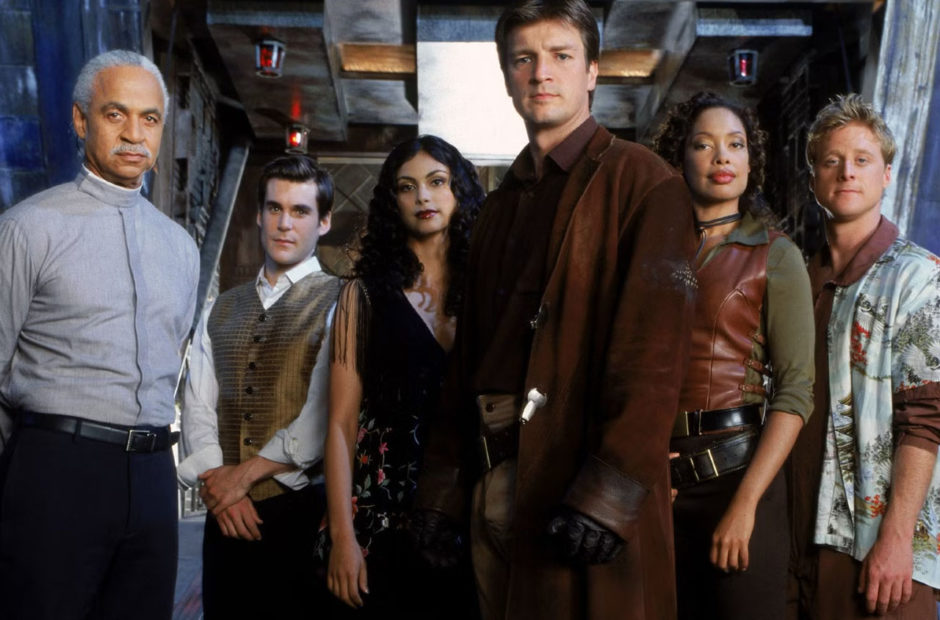
Fox was particularly notorious for this tactic. They sent beloved, critically acclaimed genre shows like Firefly, Terminator: The Sarah Connor Chronicles, and Dollhouse straight into the Friday meat grinder. Even absolute juggernauts weren’t immune; the original Star Trek was famously moved to Friday nights for its third season, which swiftly led to its cancellation in 1969.
The TGIF Exception
There was exactly one major exception to the Friday curse. In the late 1980s, ABC realized they could not win the adult demographic, so they completely leaned into the audiences that were actually home: kids and parents.
By creating the TGIF block (which we explored in a previous post), ABC successfully turned the death slot into a billion-dollar goldmine of family-friendly sitcoms. However, once a viewer aged out of the TGIF demographic, Friday night went right back to being a television wasteland.
The Death of the Death Slot
Today, the Friday Night Death Slot is entirely obsolete. The rise of DVRs in the 2000s began to decouple viewership from live schedules, allowing fans to record a Friday night show and watch it on Sunday morning.
Streaming completely finished the job. Netflix famously drops its biggest, most expensive blockbuster series on Friday mornings specifically so people can binge them all weekend. The day of the week no longer dictates a show’s survival, but for decades of broadcast history, a move to Friday was an absolute kiss of death.