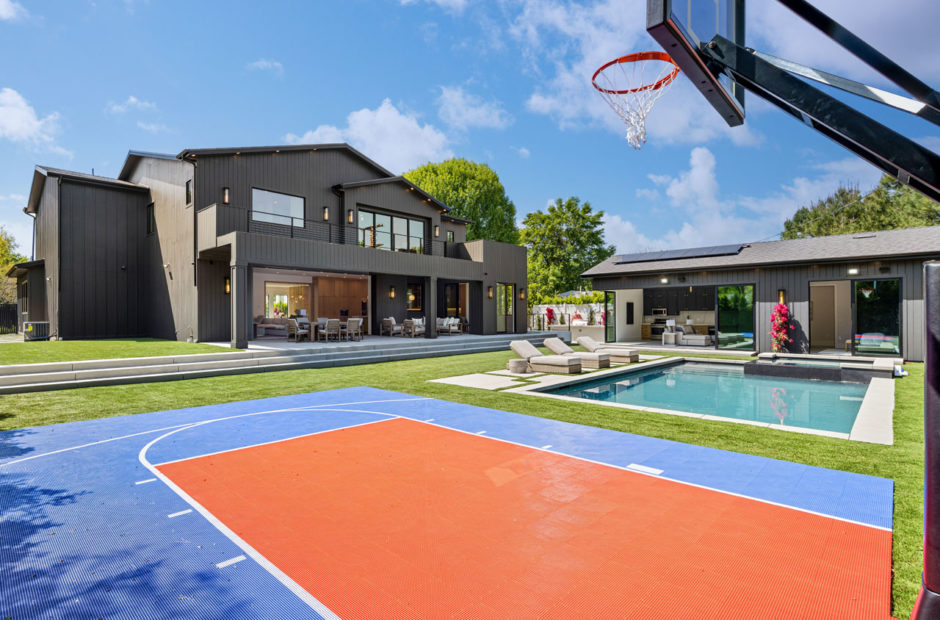
Most backyard setups fail because they look good but do not function. Kids will not use a space that requires setup every time or only supports one activity. A working setup is simple, repeatable, and built around movement. Here is how to build one that gets used.
Define Clear Play Zones
Do not treat the yard as one open space. Divide it into zones with specific purposes.
- Active zone: running games and team play
- Court zone: structured games with boundaries
- Flexible zone: overflow or free play
Mark these areas with cones, chalk, or natural boundaries so kids know where each game belongs.
Set Up One Permanent Game Area
Pick one game that can stay set up all week.
A simple court for How to Play Four Square or a marked area for running games works well.
If everything has to be rebuilt each time, it will not get used.
iStockphoto/EvgeniiAnd
Keep Equipment Visible and Accessible
Do not store everything out of sight.
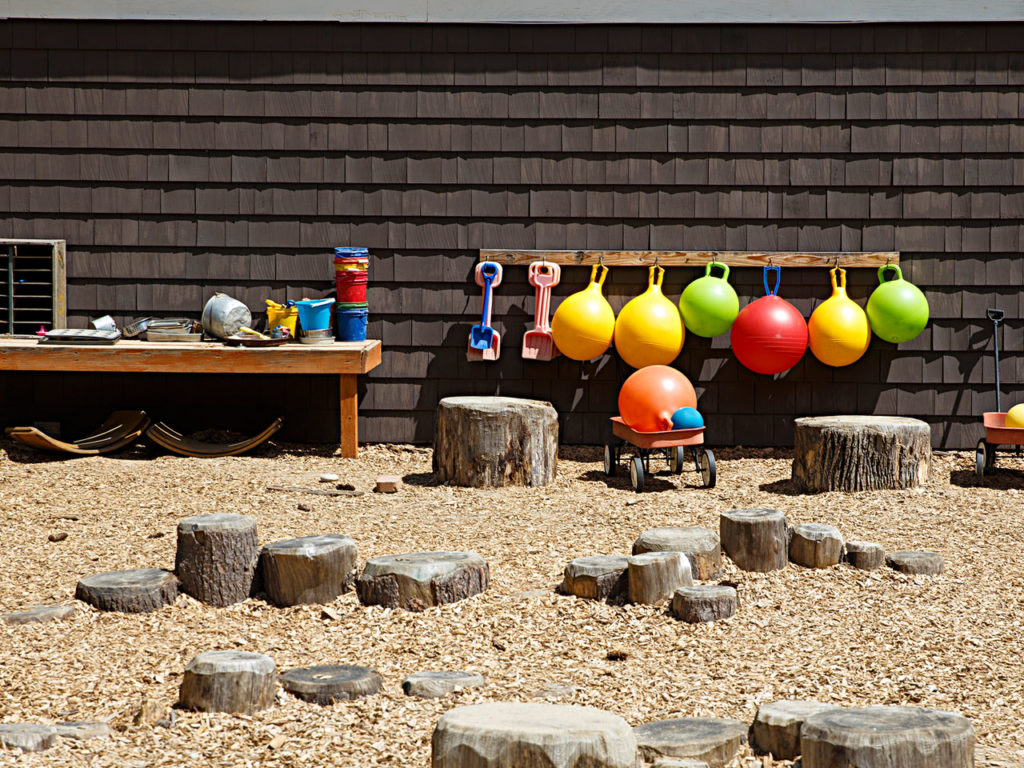
- Keep balls, cones, and chalk in one visible spot
- Use a bin or small container that stays outside when possible
- Limit equipment to what gets used regularly
If kids have to ask for access, they stop starting games on their own.
Build for Fast Start, Not Variety
A setup that supports five games poorly is worse than one that supports two games well.
Focus on:
- Games that start in under a minute
- Games that can reset instantly
- Games that scale with group size
How to Play Capture the Flag works because the field stays usable without constant adjustment.
Control the Boundaries
Unclear edges create constant interruptions.
- Mark field limits with cones, chalk, or landmarks
- Define out-of-bounds areas before play starts
- Keep the play area consistent from day to day
If boundaries change, arguments start and games slow down.
Plan for Rotation Without Stopping Play
Multiple games should run without interfering with each other.
- Separate active and court zones
- Keep running paths clear
- Avoid overlapping play areas
When one game ends, players should be able to move into another without waiting.
Adjust the Space Based on Group Size
Do not redesign the setup each time. Adjust scale instead.
- Expand boundaries for larger groups
- Split into two smaller games when needed
- Reduce field size for smaller groups
The layout stays the same. Only the spacing changes.
Remove Anything That Slows the Game Down
If something causes delays, take it out.
- Overcomplicated equipment
- Objects that need constant resetting
- Anything fragile or easily broken
The setup should support play, not interrupt it.
Best Age Range
This setup works best for ages 6 through 12. Younger kids need smaller zones and closer supervision, but the same structure applies.
Common Mistakes to Avoid
- Setting up too many game areas at once
- Hiding equipment out of reach
- Changing boundaries frequently
- Allowing zones to overlap
- Requiring setup before every game
Final Thoughts
A backyard game area works when it is simple, visible, and ready to use at any time. Define zones, keep equipment accessible, and remove anything that slows things down. Once the space is set up correctly, kids start games without being told.