By the 1970s, television had grown up. The medium moved away from the safe, idealized worlds of the 60s and into something sharper, more reflective of real life. Social issues, moral ambiguity, and character-driven storytelling took center stage.
These were not just popular shows. These were the series that reshaped television in real time, influencing tone, format, and subject matter. They did not just reflect the decade. They helped define it.
Here are 10 TV shows that defined the 1970s.
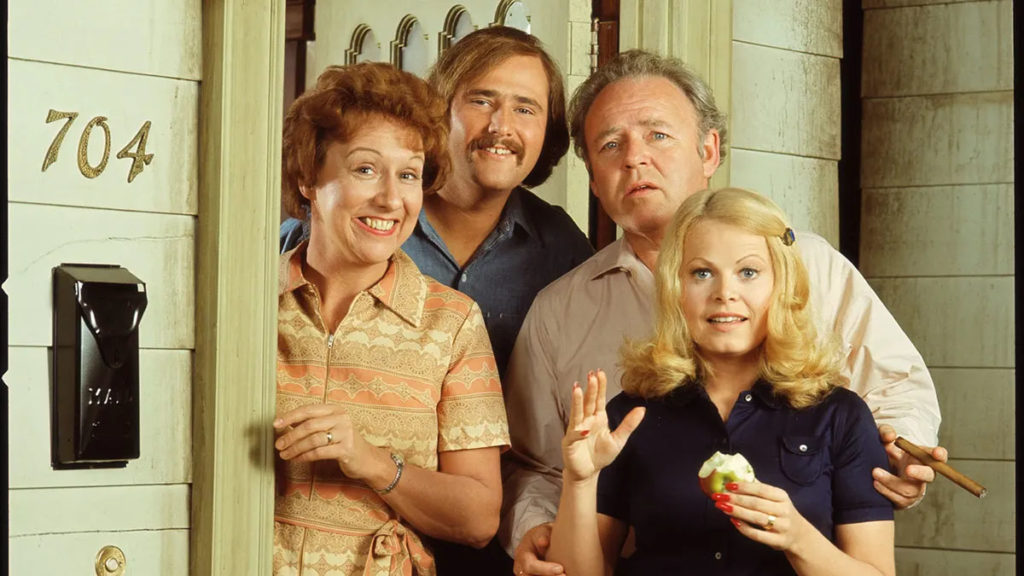
1. All in the Family (1971–1979)
Why it defined the decade: Television confronted social issues head-on for the first time in a mainstream sitcom.
Norman Lear’s groundbreaking series tackled racism, politics, and generational conflict through the character of Archie Bunker. It changed what sitcoms could talk about and how directly they could say it.
Where to watch: Available to stream; sold on physical media and digitally.
2. M*A*S*H (1972–1983)
Why it defined the decade: A comedy-drama that blended humor with emotional depth.
Set during the Korean War, M*A*S*H balanced sharp comedy with serious commentary on war and humanity. Its tonal flexibility became a blueprint for future television storytelling.
Where to watch: Available to stream; sold on physical media and digitally.
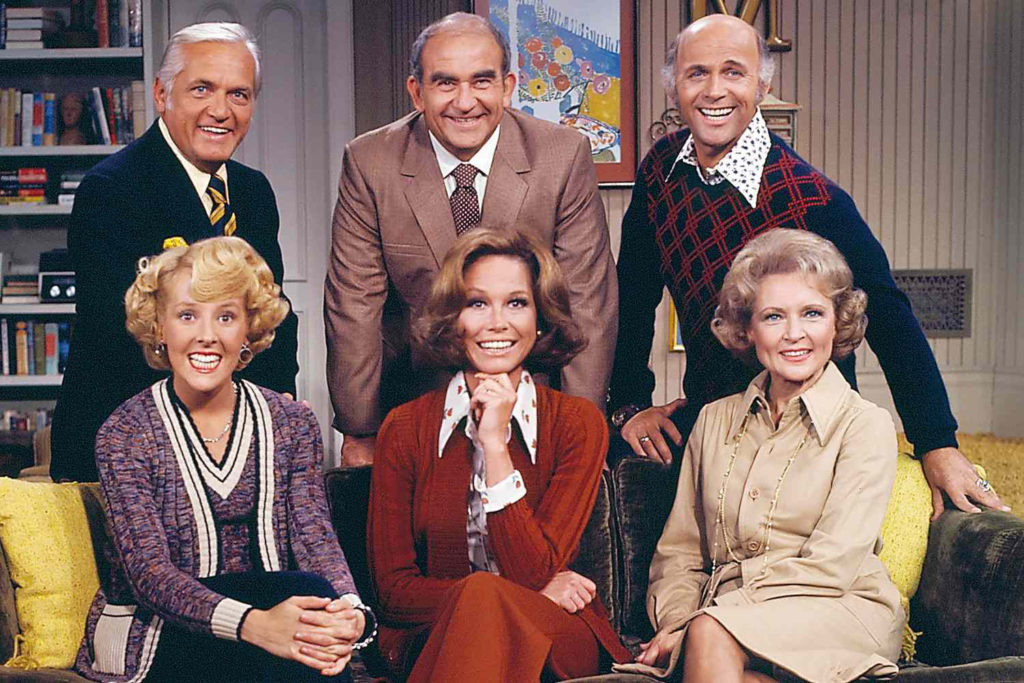
3. The Mary Tyler Moore Show (1970–1977)
Why it defined the decade: A modern sitcom centered on independence and career identity.
Mary Richards was one of television’s first fully realized independent female leads. The show’s workplace focus and ensemble cast structure influenced decades of sitcoms that followed.
Where to watch: Available to stream; sold on physical media and digitally.
4. The Waltons (1972–1981)
Why it defined the decade: A grounded family drama that resonated with audiences seeking sincerity.
The Waltons offered a quieter, more reflective look at American life during the Great Depression. Its tone stood in contrast to the era’s sharper shows, proving there was still an audience for heartfelt storytelling.
Where to watch: Available to stream; sold on physical media and digitally.
5. Columbo (1971–1978)
Why it defined the decade: A detective format that inverted the mystery structure.
Instead of asking “who did it,” Columbo showed the crime upfront and focused on how it would be solved. This structure influenced countless procedural dramas that followed.
Where to watch: Available to stream; sold on physical media and digitally.
6. Sanford and Son (1972–1977)
Why it defined the decade: A sitcom that brought a new voice and energy to network television.
Based on a British series, Sanford and Son became a defining American comedy, driven by Redd Foxx’s performance. It helped expand the range of voices and perspectives in mainstream sitcoms.
Where to watch: Available to stream; sold on physical media and digitally.
7. Happy Days (1974–1984)
Why it defined the decade: Nostalgia became a powerful television engine.
Happy Days looked back at the 1950s with a sense of comfort and simplicity. It demonstrated how nostalgia could drive ratings and cultural impact.
Where to watch: Available to stream; sold on physical media and digitally.

8. Kojak (1973–1978)
Why it defined the decade: Gritty urban crime drama entered the mainstream.
With its New York setting and morally complex cases, Kojak reflected the decade’s shift toward realism in police dramas. It helped redefine the tone of the genre.
Where to watch: Available to stream; sold on physical media and digitally.
9. The Rockford Files (1974–1980)
Why it defined the decade: A more grounded, character-driven approach to the detective genre.
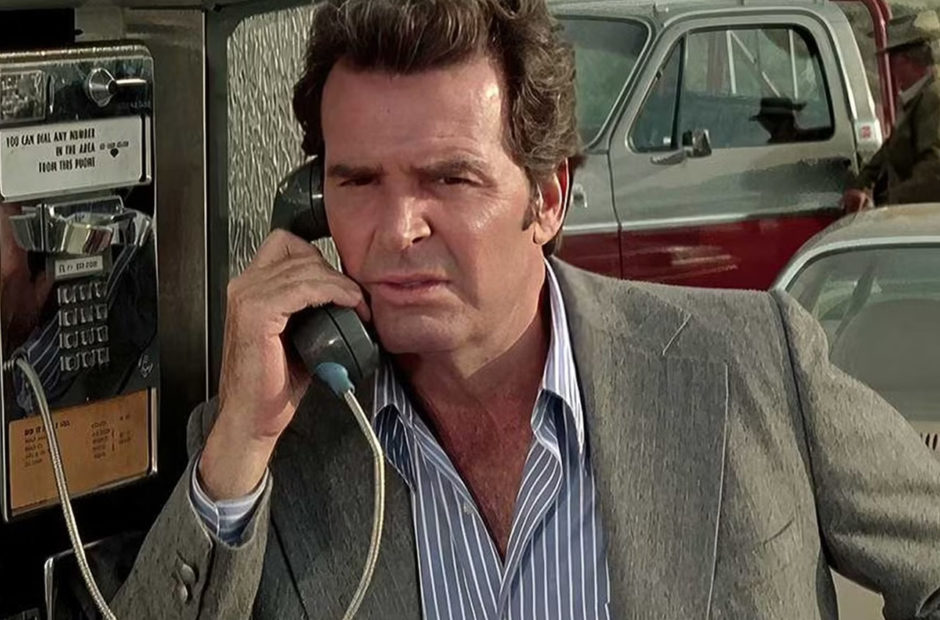
James Garner’s Jim Rockford brought a laid-back, human quality to the private investigator format. The Rockford Files emphasized personality and problem-solving over brute force, influencing decades of crime dramas that followed.
Where to watch: Available to stream; sold on physical media and digitally.
10. Saturday Night Live (1975–present)
Why it defined the decade: Television embraced live, topical, and youth-driven comedy.
Saturday Night Live broke away from traditional variety formats with a sharper, more irreverent tone. It became a cultural institution and a launching pad for generations of comedians.
Where to watch: Available to stream; sold on physical media and digitally.
Final Thoughts
The 1970s redefined what television could be. It became more honest, more complex, and more willing to engage with the world outside the screen. These shows did not just succeed. They pushed the medium forward.
By the end of the decade, television was no longer just entertainment. It was a reflection of culture itself.
Be sure to check out other entries in this series:
Fun Jug Media, LLC (operating TheNerdy.com) has affiliate partnerships with various companies. These do not at any time have any influence on the editorial content of The Nerdy. Fun Jug Media LLC may earn a commission from these links.