For decades of television history, the magic of creature features ruled the margins of the weekly broadcast schedule. Whether viewers were staying up past midnight on Friday to catch macabre antics in black and white or hunkering down on Saturday afternoons with the curtains drawn, vintage monsters were a fixture of American living rooms.
These broadcasts operated on two very different fronts. Late at night, eccentric performers in ghoulish makeup emerged from prop coffins to deliver campy jokes, spoof plot holes, and introduce vintage chillers after the local news. The following afternoon, local stations fired up the film chains again, running unhosted monster matinees to entertain kids who had just finished watching Saturday morning cartoons.
How did classic studio library titles transform from forgotten vault assets into a celebrated weekend ritual? The tradition was born out of a revolutionary syndication package, a desperate scramble by local stations to fill off-peak airtime, and a late-night broadcast culture that turned low-budget horror into an art form.
The Vault Door Opens: The Shock Theater Deal
In the early 1950s, the major Hollywood studios viewed television as an existential threat to cinema box office receipts. Studios guarded their back catalogs fiercely, refusing to license marquee theatrical films to broadcast networks.
That rigid wall collapsed in late 1957 when Screen Gems, the television syndication subsidiary of Columbia Pictures, pulled off a historic licensing coup. Screen Gems acquired the exclusive television broadcast rights to a massive library of pre-1948 theatrical films owned by Universal Pictures.
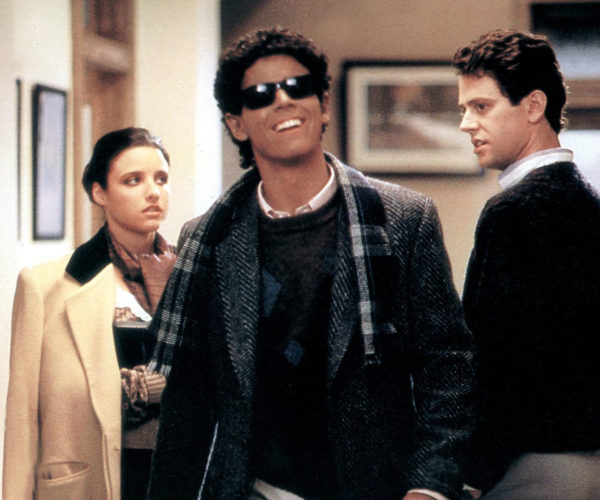
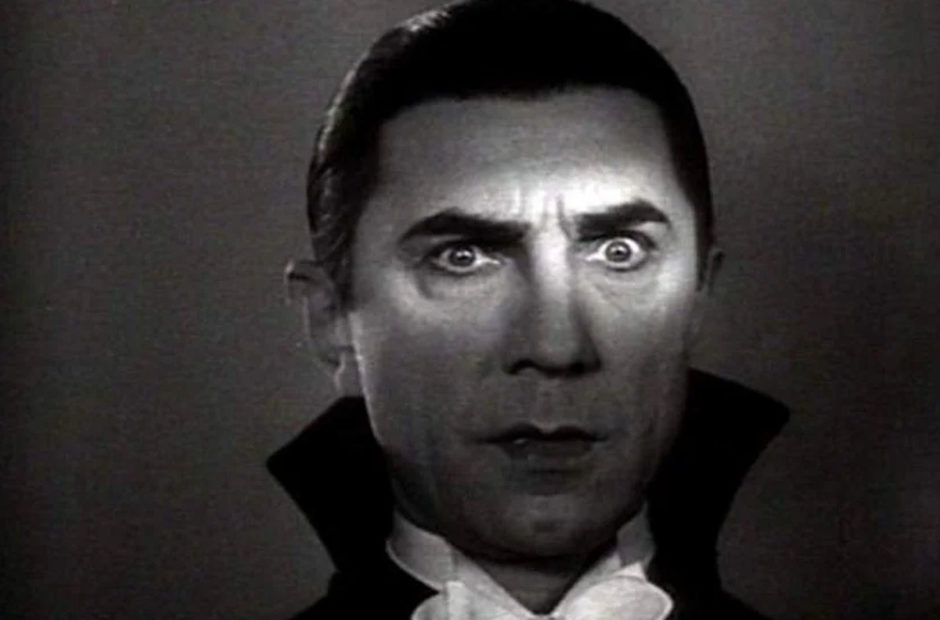
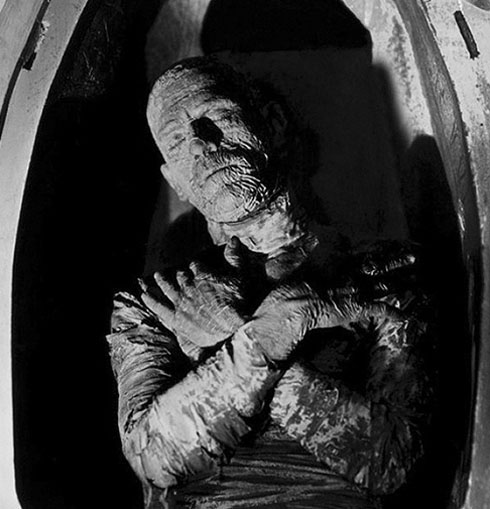
Screen Gems packaged 52 of Universal’s most famous titles into a syndication bundle titled Shock Theater. For the first time, legendary films like Dracula (1931), Frankenstein (1931), The Mummy (1932), The Invisible Man (1933), and The Wolf Man (1941) were made available to local television stations across the country.
The package was an immediate sensation. Independent stations and network affiliates that bought the rights saw their weekend ratings multiply within weeks. A generation of post-war children and teenagers who had never experienced the classic Universal monsters in movie theaters fell in love with the gothic performances of Boris Karloff, Bela Lugosi, and Lon Chaney Jr.
The Birth of the Late-Night Horror Host
When Screen Gems distributed Shock Theater, they gave station managers a key suggestion: do not air these films as cold broadcasts. Instead, introduce each movie with a local character to give the broadcast an event atmosphere.
The timing matched an emerging programming shift. By 1957, local stations needed low-cost original content to fill late-night time slots on Friday and Saturday nights after the network feeds signed off. Station executives turned to their own staff announcers, weathercasters, and floor directors, handing them cheap stage makeup and access to the prop room.
The blueprint had been established three years earlier in Los Angeles, when Maila Nurmi created Vampira for KABC in 1954. Dressed in a tight black gown and gliding through studio fog, Vampira shocked and charmed late-night adult audiences with dark humor and blood-curdling screams.
Following the arrival of Shock Theater, late-night hosts multiplied rapidly:
- Roland and Zacherley (John Zacherle): In 1957, Zacherle debuted on Philadelphia’s WCAU as Roland, living in a tomb alongside his unseen wife, My Dear. When he relocated to New York as Zacherley, he became an icon of metropolitan late-night television, cutting novelty records and delivering macabre running commentary.
- Bob Wilkins: In 1971, Wilkins launched Creature Features on KTVU in the San Francisco Bay Area. Unlike theatrical ghoul characters, Wilkins sat calmly in a rocking chair wearing a business suit and horn-rimmed glasses, dryly smoking a cigar while deadpanning about how terrible the night’s movie was going to be.
- Count Gore De Vol and Sir Cecil Creape: In markets like Washington D.C. and Nashville, personalities like Dick Dyszel (Count Gore De Vol) and Robert Elkins (Sir Cecil Creape) built passionate regional fanbases, ruling the midnight airwaves for years.
- Svengoolie (Jerry G. Bishop and Rich Koz): Launching in 1970 on Chicago’s WFLD, the character mixed Transylvanian vampire tropes with broad Midwestern slapstick, comedy sketches, and flying rubber chickens. Under Rich Koz, the persona eventually moved into national syndication decades later.
Because these shows aired close to midnight, hosts were free to be irreverent, sarcastic, and mildly transgressive, speaking directly to an audience of insomniacs, night-shift workers, and teenagers sneaking television access while their parents slept.
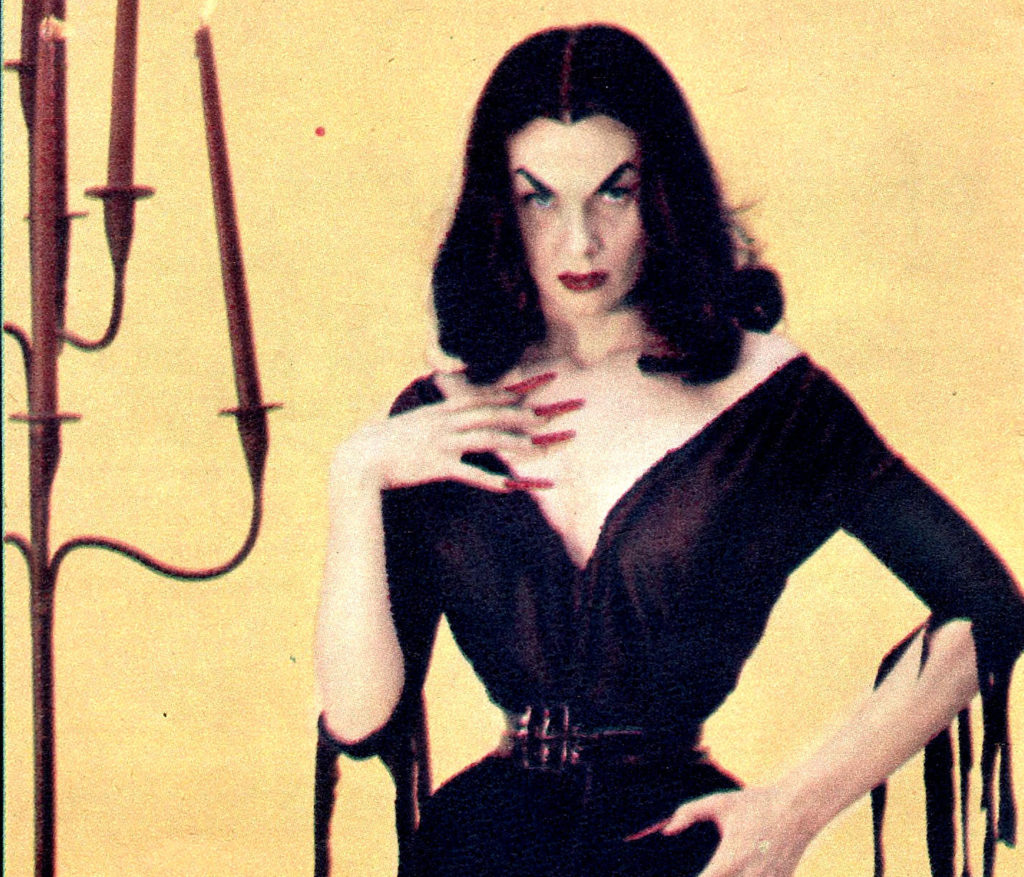
Picture of Vampira from TV Guide Pittsburgh (July 17, 1954)
The Saturday Afternoon Matinee
While the horror hosts owned the late-night airwaves, station programmers quickly realized that younger children could not consistently stay awake until 1:00 AM to finish a double feature. To monetize their expensive film packages fully, stations created daytime weekend movie slots.
Saturday afternoons were traditionally dead space for local stations, especially during seasons when network sports programming was absent. When the network Saturday morning cartoon blocks ended at noon, stations turned to their monster libraries to keep younger viewers parked in front of the television.
These daytime blocks were rarely hosted by the late-night horror personalities. Instead, stations ran unhosted movie packages under banners like Creature Features, The 4 O’Clock Movie, or Chiller Theater. Programmers filled the schedule with atomic creature features from the 1950s, such as giant ants in Them!, radioactive sea beasts in The Beast from 20,000 Fathoms, and imported Japanese kaiju epics featuring Godzilla and Gamera.
To fit family viewing expectations and accommodate commercial breaks, station projectionists physically spliced the film prints, cutting out bloodier moments and trimming running times to insert local advertisements for cereal, toys, and neighborhood businesses.
The Monster Merchandising Boom
The combination of midnight host broadcasts and daytime creature features sparked the very first wave of modern monster merchandising throughout the late 1950s and 1960s.
In 1958, publisher James Warren and editor Forrest J Ackerman released the first issue of Famous Monsters of Filmland. The magazine celebrated classic creature features and behind-the-scenes makeup effects, providing young fans with photos and production lore. The publication became an artistic bible for young readers who grew up to become major directors, including Steven Spielberg, John Carpenter, and Guillermo del Toro.
Toy shelves quickly followed suit. The Aurora Plastics Corporation produced do-it-yourself plastic model kits of Dracula, the Frankenstein monster, and the Creature from the Black Lagoon, struggling to keep pace with consumer demand. Halloween costume manufacturers like Ben Cooper printed millions of cheap vinyl monster masks, completing the transformation of classic movie monsters into permanent pop culture heroes.
The Changing Airwaves
The golden era of the weekend creature feature gradually dissolved throughout the 1980s and 1990s as local broadcast television consolidated.
Corporate station groups steadily purchased independent UHF and VHF channels, clearing out idiosyncratic local talent in favor of syndicated courtroom programs, infomercials, and national talk shows. Meanwhile, cable networks like USA Network (with Commander USA’s Groovie Movies) and TBS (with Super Scary Saturday) brought horror hosting to national audiences, accelerating the decline of local regional personalities.
By the time home video, DVD rental stores, and 24-hour cable channels made movie libraries available on demand, the need for appointment television on weekend afternoons and midnight slots faded away.
Even so, the tradition left a permanent mark on media history. By rescuing pre-war cinema treasures from studio vaults and packaging them with wit and theatrical flair, creature features transformed old horror films into a shared cultural touchstone that spanned generations.