For a few very specific months every year, television used to absolutely lose its mind. Main characters would get married, long lost twins would appear, and at least one hospital would get hit by a helicopter.
If you watched broadcast television in the 1980s or 1990s, you knew exactly when these chaotic events were going to happen. They happened during sweeps. But what exactly was a sweeps episode, and why did networks suddenly start trying so hard just a few times a year?
The Paper Diary System
Before the internet and smart TVs tracked every single thing you watched, the Nielsen company relied on a startlingly low-tech method to figure out what America was viewing. They mailed people physical paper diaries.
Selected households were asked to write down exactly what they watched and who was in the room watching it, and then mail the booklet back. Because printing, mailing, collecting, and tabulating millions of physical diaries all year long was financially impossible, Nielsen focused their biggest efforts on four specific periods: November, February, May, and July. During these months, they would “sweep” the nation to gather highly localized viewing data.
The Local Advertising Hustle
While the national networks cared about these numbers, sweeps were truly a matter of life and death for local affiliate stations.
Local broadcast stations used the specific ratings from these sweeps periods to set their advertising rates for the upcoming months. If a local NBC affiliate had a massive audience in May, they could charge top dollar for local car dealership and furniture store commercials all through the summer hiatus. If their ratings tanked during a sweep, they lost out on millions of dollars in potential revenue.
Because the local stations desperately needed huge ratings, the national networks were obligated to provide them with highly compelling, unmissable television. This financial dynamic created the sweeps stunt.
Stunts, Stars, and Cliffhangers
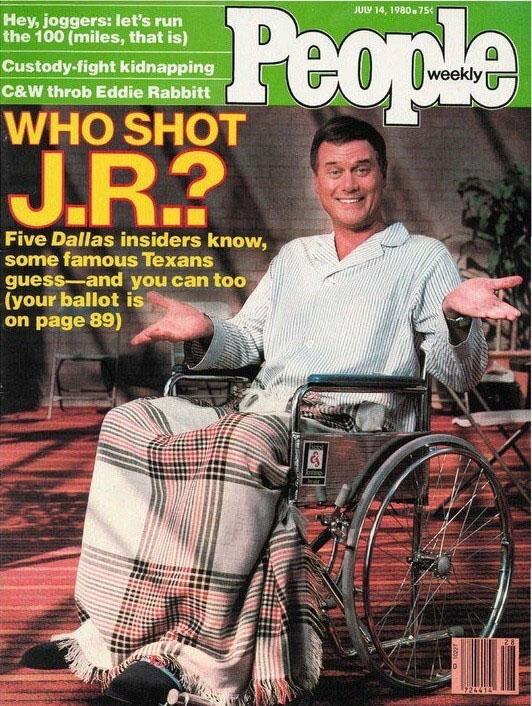
A sweeps episode was specifically designed to be event television. Writers and producers were instructed to stockpile their biggest plot twists, most expensive set pieces, and wildest ideas for November, February, and May.
This is when you saw massive celebrity stunt casting. If a gigantic movie star like Brad Pitt or Julia Roberts was suddenly guest starring on a sitcom, it was almost certainly a sweeps month. It is also when shows deployed major character deaths, highly publicized weddings, and elaborate crossover events between entirely different series to maximize viewership.
The May sweep was particularly intense because it coincided with the end of the traditional television season. This scheduling alignment birthed the massive season ending cliffhanger. Networks needed viewers absolutely glued to their screens while local stations locked in those lucrative summer ad rates.
The Death of the Diary
The chaotic magic of sweeps began to fade in the 2000s as Nielsen fully transitioned to electronic tracking meters that could gather data 365 days a year. Once local stations could accurately measure their audience on a random Tuesday in October, the desperate need for four hyper-focused stunt months evaporated.
Today, streaming platforms have real-time data on every single second of content you consume. Shows no longer need to save their best material for November or artificially inflate ratings with a sudden wedding. The wild, desperate energy of a sweeps episode is largely a thing of the past, but for decades, it gave us some of the most memorable and completely unhinged moments in television history.