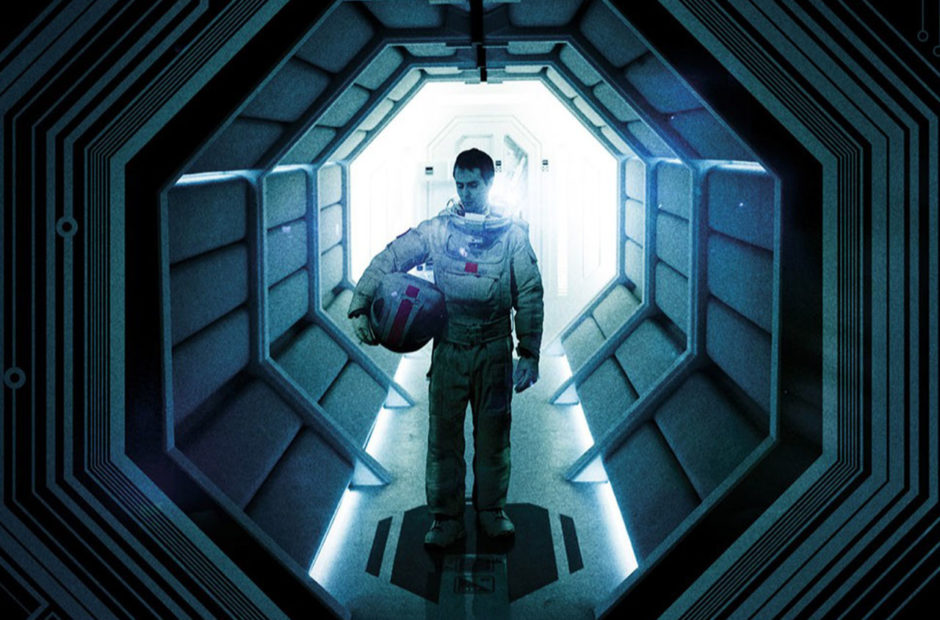
Isolation changes people. Moon understands that in a way few science fiction films attempt. It strips away spectacle and focuses on one man, one location, and a situation that becomes increasingly difficult to ignore. What starts as routine slowly turns into something far more unsettling.
This week in Cult Classics You Should Finally Watch, we are closing out June with a film that proves science fiction does not need scale to leave an impact.
Why Moon Is A Cult Classic
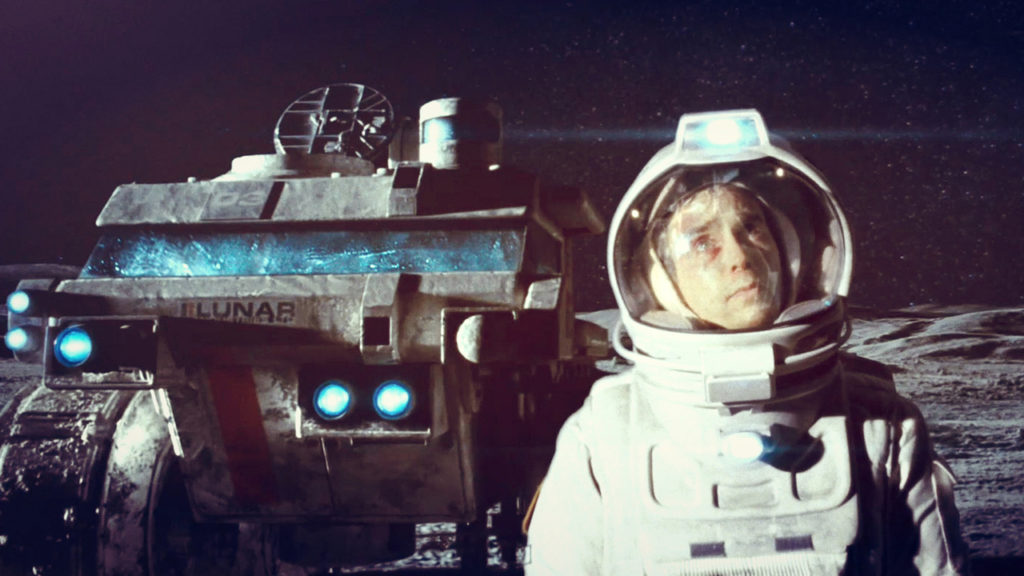
Moon earns its cult status through restraint and focus. Directed by Duncan Jones, the film centers almost entirely on Sam Bell, a worker nearing the end of a long contract on a lunar mining base. The simplicity of the setup allows the story to dig deeper into questions of identity and purpose.
Sam Rockwell carries the film with a performance that is both grounded and layered. He brings humor, frustration, and vulnerability to a role that could have easily felt static. The presence of GERTY, voiced by Kevin Spacey, adds another dimension, creating a dynamic that feels both comforting and uncertain.
Fans connected with Moon because it trusts its audience. It unfolds at its own pace, revealing its ideas without rushing. That confidence and clarity are what helped it build a devoted following over time.
Why People Missed It The First Time
When Moon was released in 2009, it had a limited theatrical run and did not benefit from a major marketing push. It arrived in a year dominated by larger, louder releases that drew most of the attention.
Its quiet tone also worked against it. Audiences expecting action or spectacle may have overlooked it, assuming it would be slow or uneventful. Without a clear hook for mainstream viewers, it slipped past many people.
As a result, the film found its audience gradually through streaming, recommendations, and critical discussion rather than immediate box office success.
Why Moon Still Holds Up
Watching Moon now, its simplicity feels like a strength. The practical effects, models, and contained setting give the film a tangible quality that still feels convincing. The focus on character over scale allows the story to remain engaging without relying on constant escalation.
The themes are also enduring. Questions about identity, autonomy, and the value of human life feel just as relevant today. The film explores these ideas without heavy exposition, letting the audience arrive at its conclusions naturally.
Most importantly, Moon respects the viewer’s intelligence. It does not overexplain or dilute its ideas, which makes it more rewarding on repeat viewings.
Where To Watch Moon (2009)
Moon rotates through streaming platforms, so availability can change. The easiest way to check current streaming, rental, or purchase options is through Reelgood. When available, the film typically appears as a digital rental or purchase on platforms like Prime Video and Apple TV. Physical media releases exist and are often the best way to revisit it.
Final Thoughts
Moon is a reminder that science fiction can be intimate. It does not need massive worlds or constant action to make an impression. Sometimes a single character, placed in the right situation, is enough.
If you have not seen it, or if it has been years since your last viewing, it is worth finally sitting down with it. Few cult classics deliver this much impact with this little noise.
Fun Jug Media, LLC (operating TheNerdy.com) has affiliate partnerships with various companies. These do not at any time have any influence on the editorial content of The Nerdy. Fun Jug Media LLC may earn a commission from these links.