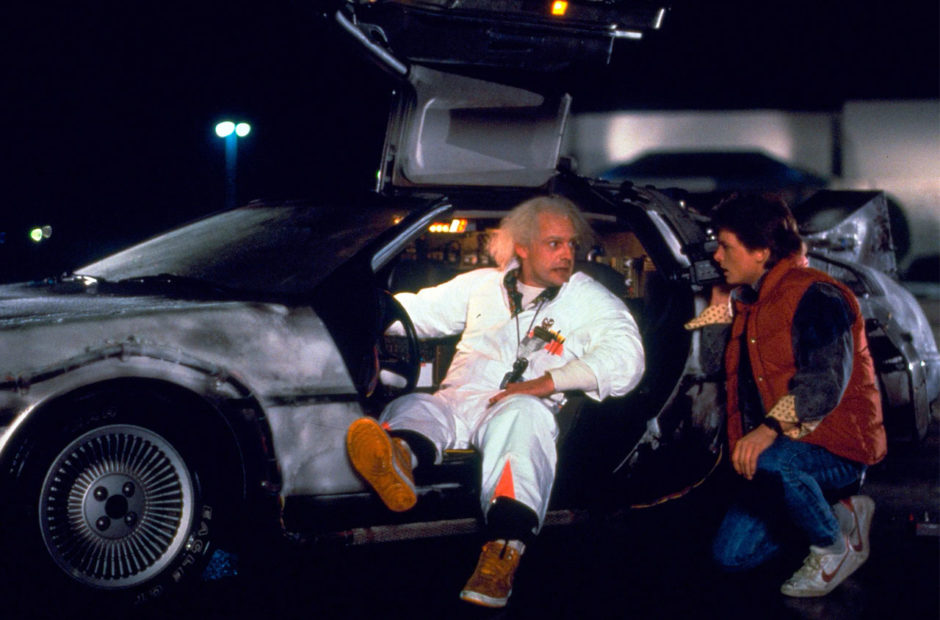
Time travel stories are notoriously messy. The moment you start thinking about paradoxes, cause and effect, or alternate timelines, most of them begin to fall apart under scrutiny.
Back to the Future does the opposite. The more you think about it, the more it holds together. Not just as a fun movie, but as a tightly constructed piece of storytelling.
And the reason for that comes down to something simple: discipline.
Every Setup Has a Payoff
From the opening minutes, the film begins laying groundwork. The clock tower. The plutonium. The skateboard. The strained relationship between George and Lorraine. Even small visual details are doing narrative work.
None of it feels like exposition. It feels like world-building. But as the story progresses, each of those elements comes back in a meaningful way.
This isn’t coincidence. It’s design.
The Rules Are Clear
Time travel only works when the audience understands the rules. Back to the Future establishes them quickly and reinforces them constantly.
Change the past, and the future changes. Interfere too much, and you risk erasing yourself. Cause and effect isn’t abstract. It’s visible.
The vanishing photograph is one of the clearest examples. It turns a complicated idea into something immediate and easy to understand.
Small Changes Matter
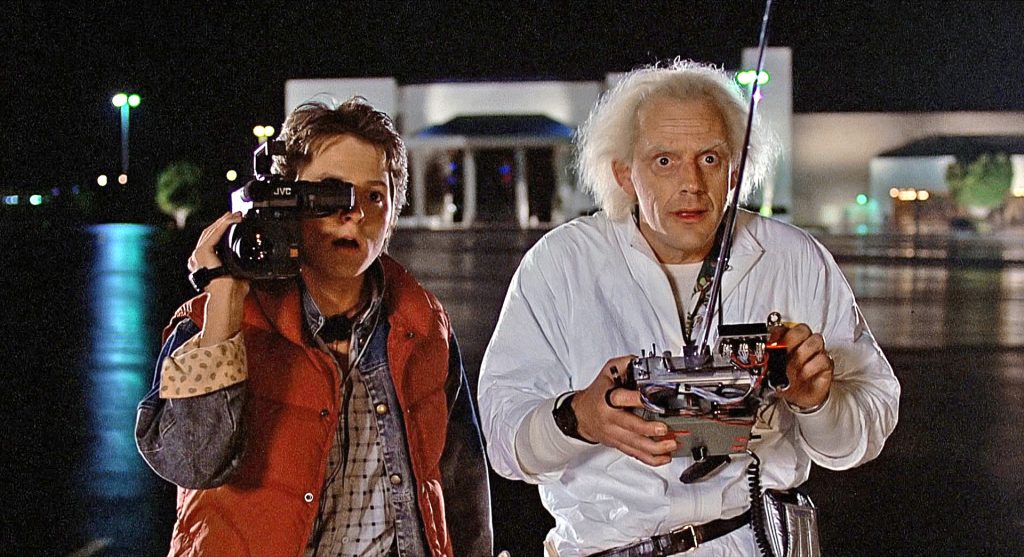
One of the most satisfying aspects of the film is how it handles detail. The shift from Twin Pines Mall to Lone Pine Mall is a small joke, but it reinforces the larger concept.
Actions have consequences, even when they seem minor. The world adjusts accordingly.
These details reward attention without demanding it.
Character Drives the Story
For all its structure, the movie never loses sight of character. Marty isn’t navigating time travel as a concept. He’s trying to fix a problem.
George’s transformation, Lorraine’s confusion, Doc’s urgency, all of it grounds the story in human stakes. The mechanics of time travel support the characters rather than overshadow them.
That balance is what keeps the film from feeling mechanical.
The Comedy Still Works
What makes Back to the Future especially impressive is that it maintains its structure without losing its sense of humor.
The jokes don’t interrupt the story. They’re built into it. Marty’s frustration, Doc’s intensity, the awkwardness of the 1950s setting, all of it flows naturally from the situation.
The film never has to stop to be funny. It already is.
Why It Holds Up
Many films fall apart when you look too closely. Back to the Future invites that closer look and holds together anyway.
Every piece connects. Every rule is followed. Every payoff feels earned.
It’s not just a great time travel movie. It’s a blueprint for how to construct a story that works on every level.
What It Gets Right
The film understands that complexity doesn’t have to feel complicated. It takes ideas that could easily become confusing and presents them with clarity and precision.
That clarity allows the audience to enjoy the ride without getting lost in the mechanics.
And when you do stop and think about it, everything is exactly where it should be.
Fun Jug Media, LLC (operating TheNerdy.com) has affiliate partnerships with various companies. These do not at any time have any influence on the editorial content of The Nerdy. Fun Jug Media LLC may earn a commission from these links.
What to Read Next
- Why Die Hard Became Endlessly Rewatchable for Me
- Why Ghostbusters Didn’t Click for Me Until I Saw It as a Workplace Comedy
- The Moment I Understood Why Jaws Works