A one-off game night is easy. Getting kids to show up every week is the hard part. That only works if the night is predictable, moves quickly, and never feels like a chore. Set it up once with the right structure, and it runs itself. Here is what actually works.
Lock the Schedule and Do Not Move It
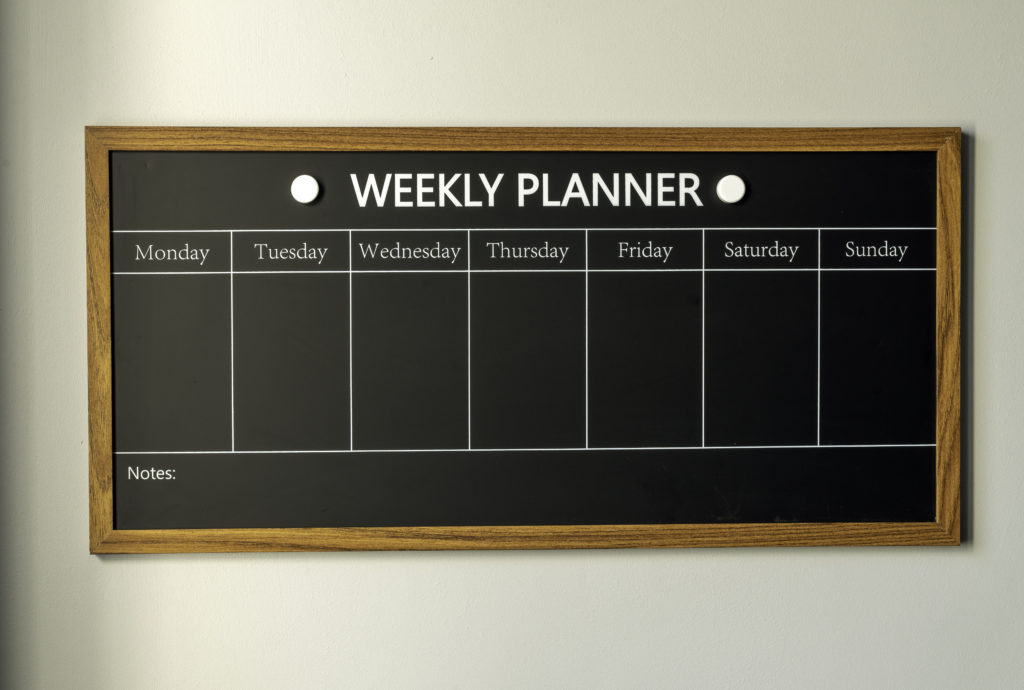
Pick one day and one time and keep it there.
Kids show up for routines. If the night shifts around, attendance drops. Aim for a consistent one-hour window and start on time whether everyone is there or not.
Use the Same Format Every Week
Do not rebuild the night every time. Use a repeatable structure and swap the games.
- Start with a quick, high-energy game
- Run one main group game
- Finish with something simple
Once kids recognize the flow, you stop explaining and start playing.
Pick Games That Do Not Leave Kids Sitting Out
If players are standing around, you picked the wrong game.
Use games that rotate quickly or keep everyone involved. How to Play Four Square works because players cycle in and out fast. How to Play Capture the Flag works because everyone has a role.
Drop anything that stalls or eliminates players early.
Repeat the Games That Work
Do not chase new ideas every week.
If a game runs well, bring it back. The second time it starts faster. The third time it runs without explanation. That is how the night builds momentum.
Keep Transitions Under Control
The gap between games is where you lose the room.
- Have the next game ready before the current one ends
- Explain rules in under a minute
- Start the next round immediately
If you need five minutes to reset, the night is already slipping.
iStockphoto/roobcio
Plan the Last Game Before You Start
Decide what the final game is before the night begins.
- Keep it short and easy to start
- Avoid anything that can drag or stall
- Give a clear five-minute warning before the final round
When the last game ends, stop. Do not add another round.
If kids leave wanting one more game, they come back next week.
Handle Changing Group Sizes Without Slowing Down
Some weeks you will have six kids. Other weeks you will have twelve.
Do not adjust the structure. Adjust the game.
- Add teams for larger groups
- Run multiple courts or stations if needed
- Switch to flexible games when numbers grow
The night stays the same. Only the scale changes.
Set Expectations Once and Enforce Them
Do this at the first game night, not every week.
- Listen when rules are explained
- Play moves quickly
- Respect other players
If you enforce it early, you do not have to keep repeating it.
Best Age Range
This structure works best for ages 6 through 12. Older kids can handle longer games and more competition, but the same format still applies.
Common Mistakes to Avoid
- Changing the time or day each week
- Introducing too many new games
- Letting games run too long
- Allowing long gaps between activities
- Trying to fix a slow game instead of moving on
Final Thoughts
A weekly game night works when it becomes routine. Keep the structure the same, run games that move, and end before it drags. Once kids know what to expect, the night stops needing management and starts running on its own.