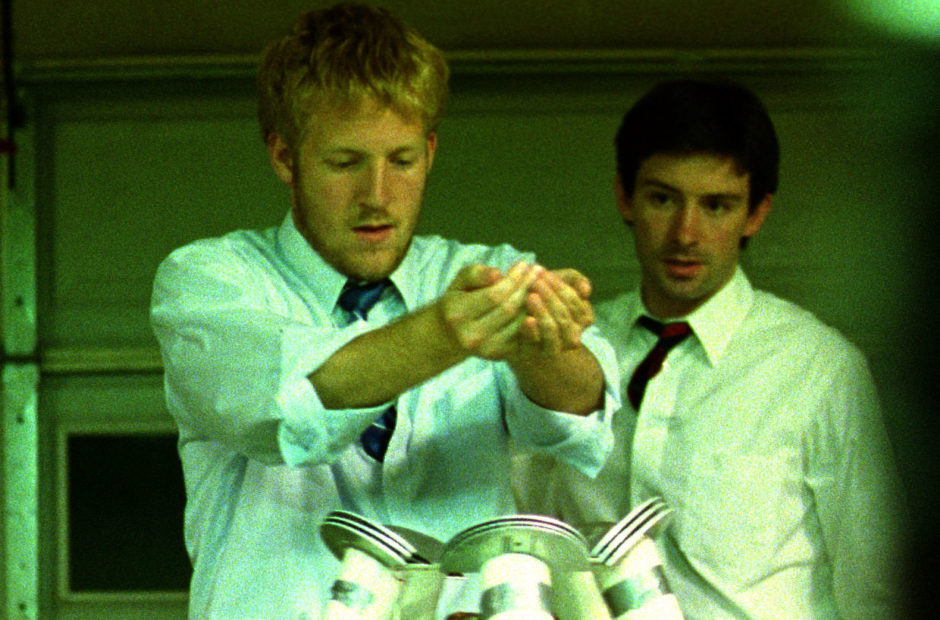
If you have ever heard someone say a movie “makes you work for it,” there is a good chance they were talking about Primer. This is not a film that walks you through its ideas. It drops you into the middle of them and expects you to keep up. For some viewers, that is frustrating. For others, it is exactly the appeal.
This week in Cult Classics You Should Finally Watch, we are looking at a film that turned a tiny budget into one of the most talked-about time travel stories in modern sci-fi.
Why Primer Is A Cult Classic
Primer became a cult classic because it treats its concept with unusual seriousness. Instead of simplifying time travel, it leans into the complexity. Characters speak in technical language, make decisions quickly, and deal with consequences that are not always explained in plain terms.
Shane Carruth’s direction keeps everything grounded. The setting is ordinary, the performances are restrained, and the tone never drifts into spectacle. That approach makes the story feel more believable, even as it becomes increasingly complicated.
Fans embraced Primer because it invites repeat viewing. It is a movie people map out, debate, and revisit to catch details they missed. That kind of engagement is at the heart of cult status.
Why People Missed It The First Time
When Primer was released in 2004, it had a limited theatrical run and a very small marketing footprint. Many viewers simply never had the opportunity to see it in theaters.
It also demands a level of attention that not every audience is looking for. The lack of exposition and the dense dialogue can be off-putting if you expect a more guided experience. Some viewers bounced off it quickly, unsure how to approach it.
Because of that, the film spread slowly through recommendations, online discussions, and film communities. It became something you heard about rather than something you stumbled across.
Why Primer Still Holds Up
Watching Primer now, its ambition still stands out. The low budget forces the film to focus on ideas rather than effects, and that gives it a clarity that many larger productions lack. The time travel mechanics feel intricate and consistent, even when they are difficult to track.
The themes also remain compelling. Trust, ambition, and the unintended consequences of innovation are explored in a way that feels grounded. The film shows how quickly control can slip away when people start experimenting with forces they do not fully understand.
Most importantly, it respects the audience. It does not simplify its ideas or provide easy answers. That challenge is what keeps it relevant for viewers who want something more demanding.
Where To Watch Primer (2004)
Primer rotates through streaming platforms, so availability can change. The easiest way to check current streaming, rental, or purchase options is through Reelgood. When available, the film typically appears as a digital rental or purchase on platforms like Prime Video and Apple TV. Physical media releases exist, though they can be harder to find than more mainstream titles.
Final Thoughts
Primer is not an easy watch, but it is a rewarding one. It asks more from the viewer than most films are willing to, and in return, it offers an experience that sticks with you.
If you have heard about it but never taken the time to dive in, this is the moment to finally watch it. Just be prepared to think about it long after it ends.
Fun Jug Media, LLC (operating TheNerdy.com) has affiliate partnerships with various companies. These do not at any time have any influence on the editorial content of The Nerdy. Fun Jug Media LLC may earn a commission from these links.