There was a time when movie effects had weight. Explosions threw debris into the air. Creatures occupied physical space. Sets could be touched, climbed, and broken. Even when the illusion was imperfect, it felt present.
Modern films often achieve far greater visual precision, but something about that physical presence can feel harder to replicate. The difference is not simply technological. It is experiential.
When Effects Were Built, Not Rendered
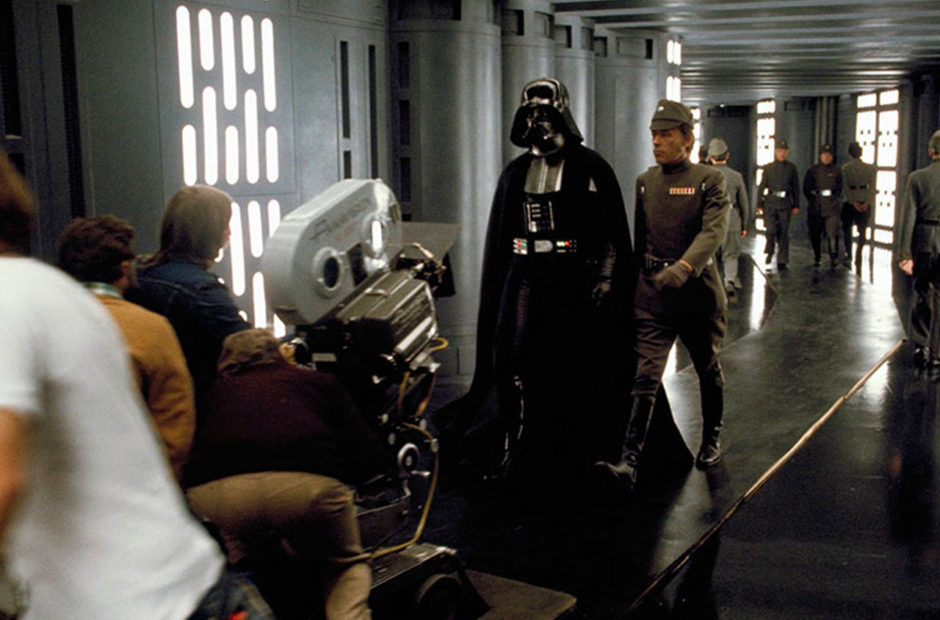
Practical effects rely on real-world materials. Miniatures, animatronics, prosthetics, and full-scale sets all create something that exists in front of the camera. Light interacts with it naturally. Actors respond to it directly.
Films like Jurassic Park, The Thing, and Aliens combined ingenuity with physical craftsmanship. The results may not have been flawless, but they were tangible.
That tangibility translated to the screen.
The Importance of Physical Interaction
When an actor shares a space with a physical effect, their performance changes. They have something to look at, react to, and move around. The environment shapes the performance rather than being added later.
This interaction creates subtle details that are difficult to manufacture digitally. Eye lines match. Movements feel grounded. The scene carries a sense of weight.
Even small practical elements can anchor a larger illusion.
The Rise of Digital Effects
Computer-generated imagery expanded what films could depict. Worlds, creatures, and sequences that were once impossible became achievable. Digital tools offered flexibility, control, and scale.
This shift was not a mistake. It opened new creative possibilities and allowed filmmakers to tell stories that practical effects alone could not support.
But it also changed how effects are integrated into the filmmaking process.
Why Some Effects Feel “Off”
When audiences describe digital effects as feeling artificial, they are often responding to a lack of physical reference. Lighting may be slightly inconsistent. Movement may lack natural resistance. The image can feel smooth in a way that real objects are not.
This does not mean digital effects are inherently worse. It means they require careful integration to achieve the same sense of presence.
When that integration falls short, the illusion weakens.
The Hybrid Approach
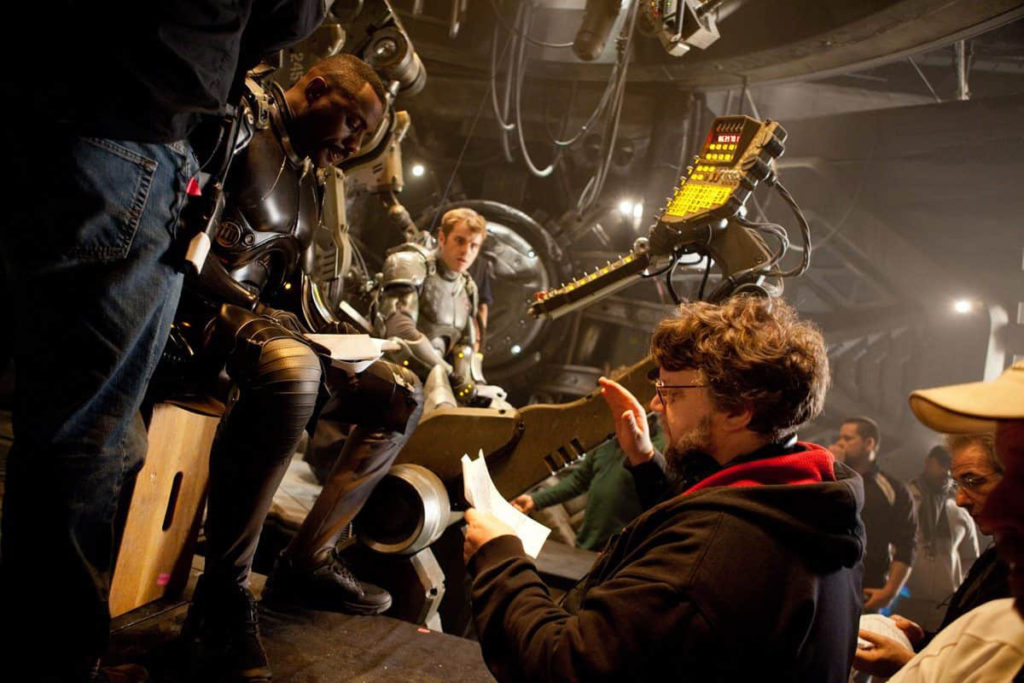
Many of the most effective modern films blend practical and digital techniques. Physical elements provide grounding, while digital tools extend and enhance them.
This hybrid approach recognizes that realism is not just about detail. It is about how different elements work together to create a convincing whole.
When done well, the line between practical and digital disappears.
Why Practical Effects Still Matter
Practical effects matter because they engage the camera in a direct way. They create texture, imperfection, and unpredictability. These qualities make images feel lived-in rather than assembled.
They also connect audiences to the craft of filmmaking. Knowing that something was physically built and performed adds another layer to the experience.
The appeal is not nostalgia. It is connection.
What This Shift Tells Us
The movement from practical to digital effects reflects a broader change in how movies are made and experienced. Control increased. Possibilities expanded. But the relationship between image and reality shifted.
Understanding that shift helps explain why certain scenes feel grounded while others feel distant, even when both are technically impressive.
In the end, realism in movies is not just about what you see. It is about what you believe is there.
Fun Jug Media, LLC (operating TheNerdy.com) has affiliate partnerships with various companies. These do not at any time have any influence on the editorial content of The Nerdy. Fun Jug Media LLC may earn a commission from these links.
What to Read Next
- Why Dialogue Sounds Different in Movies Now
- How Movie Pacing Changed After the 1990s
- Why Editing Matters More Than You Think
Image Suggestions
- Featured image: Practical creature or prop on a film set.
Alt text: “Practical movie effect prop used on a film set.” - Animatronic creature behind the scenes.
Alt: “Animatronic creature used in practical effects filmmaking.” - Miniature set used for filming.
Alt: “Detailed miniature set used for practical effects.” - Green screen set with actors for comparison.
Alt: “Actors performing on a green screen stage for digital effects.”