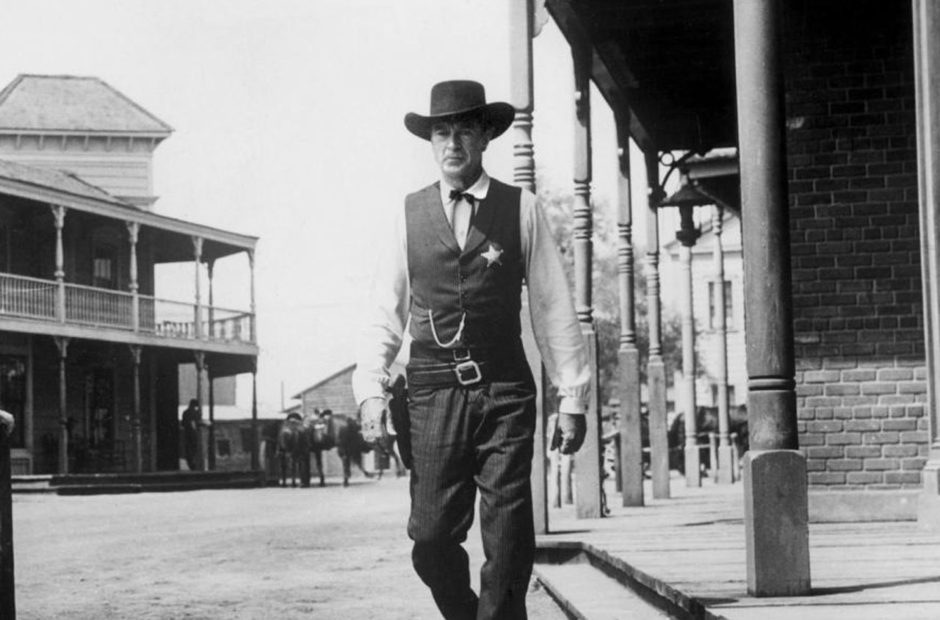
For much of Hollywood’s history, the Western was not just a genre. It was the genre. Studios built stars, careers, and entire release schedules around stories of frontier justice, moral codes, and an expanding American identity. Westerns were once so dominant that audiences expected to see them year after year.
Then, almost completely, they vanished from mainstream theatrical releases. Today, a new Western feels like an event rather than a staple. The question is not whether Westerns still matter, but why they stopped being a foundation of Hollywood storytelling.
When Westerns Ruled Hollywood
From the silent era through the 1950s, Westerns were Hollywood’s most reliable product. Films like Stagecoach, High Noon, Shane, and The Searchers were not niche entertainment. They were prestige pictures, box office hits, and star-making vehicles.
The appeal was simple and powerful. Westerns offered clear moral frameworks, striking landscapes, and stories about order versus chaos. They reflected national myths in a form audiences instantly understood.
Studios embraced the genre because it was adaptable. Westerns could be action-packed, romantic, comedic, or deeply philosophical. Budgets ranged from modest to epic, and audiences showed up regardless.
The Genre Grows Darker
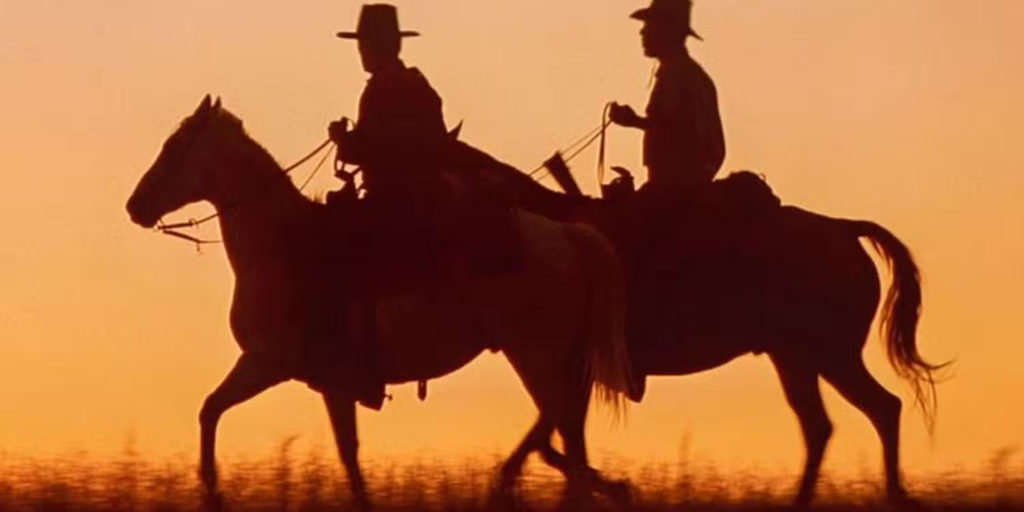
By the 1960s and 1970s, Westerns began to evolve. Filmmakers questioned the myths they once celebrated. Revisionist Westerns like The Wild Bunch, McCabe & Mrs. Miller, and Unforgiven explored violence, moral ambiguity, and the cost of expansion.
These films were often brilliant, but they marked a turning point. Westerns became more introspective and less comforting. The genre shifted from mass entertainment to cultural critique.
At the same time, television flooded the market with Western content. Familiarity bred fatigue. What once felt essential began to feel overexposed.
Why Westerns Fell Out of Favor
The decline of the Western was driven by both cultural and economic forces. As American society changed, the frontier myth lost some of its resonance. Younger audiences gravitated toward contemporary stories that reflected modern life.
Studios also found Westerns increasingly difficult to market internationally. Their themes were often tied closely to American history and identity, limiting global appeal in an era when box office success depended on worldwide returns.
Production costs played a role as well. Authentic locations, period details, and large casts made Westerns expensive, especially compared to genres that could be shot on soundstages or in urban settings.
Where the Western Went Instead
The Western never truly disappeared. It retreated into cycles of reinvention. Filmmakers continued to revisit the genre through revisionist takes, genre blends, and occasional prestige projects.
Modern Westerns often arrive framed as serious cinema rather than popular entertainment. They are treated as exceptions rather than part of an ongoing tradition. When they succeed, they are praised as revivals rather than reminders of a once-dominant genre.
Elements of the Western also migrated elsewhere. Crime films, science fiction, and even superhero stories borrowed their themes of lawlessness, frontier ethics, and lone protagonists navigating hostile territory.
Why Westerns Still Matter
The Western mattered because it provided a shared language for discussing morality, power, and progress. It offered stories where choices had consequences and ideals were tested against reality.
Its disappearance from the mainstream reflects a broader shift away from national mythmaking in cinema. Hollywood moved toward globalized stories with fewer cultural specifics.
When Westerns do return, they remind audiences that the genre never lost its relevance. It simply lost its place.
Could the Western Ever Return?
A full-scale revival is unlikely, but Westerns do not need dominance to matter. They need space. As audiences seek stories with clearer moral tension and grounded stakes, the genre remains quietly ready.
The Western may no longer rule Hollywood, but it continues to linger at its edges, waiting for filmmakers willing to reengage with its power.
Fun Jug Media, LLC (operating TheNerdy.com) has affiliate partnerships with various companies. These do not at any time have any influence on the editorial content of The Nerdy. Fun Jug Media LLC may earn a commission from these links.