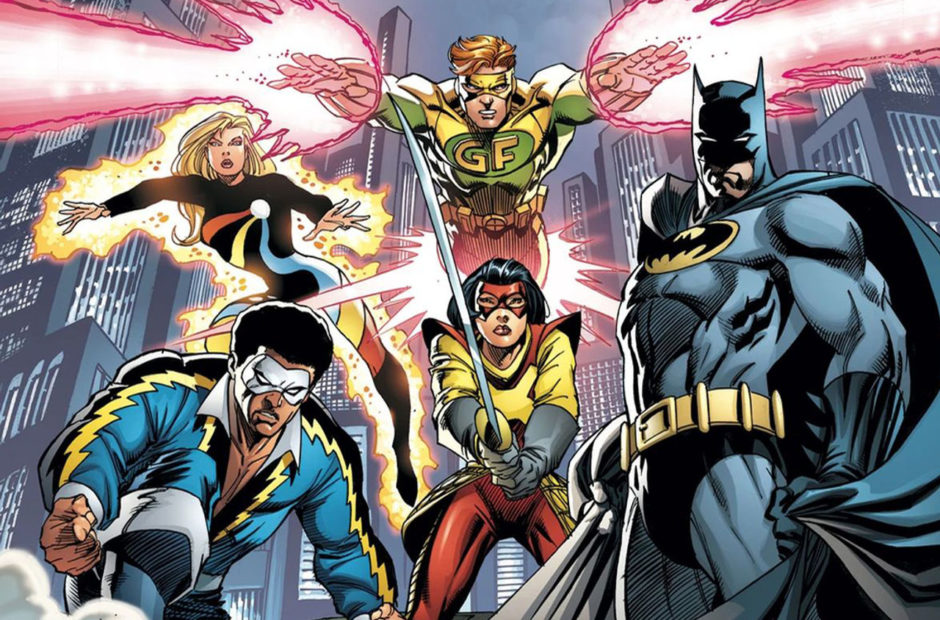
The Outsiders were never meant to be public heroes. They were built to operate where visibility was a liability and politics made traditional heroics impossible. While the Justice League represents global unity and moral clarity, the Outsiders exist in the gray areas, handling missions that require precision, secrecy, and deniability.
The Origins of the Outsiders
The Outsiders were formed after Batman left the Justice League following a dispute over how openly heroes should operate on the world stage. Rather than abandon teamwork altogether, Batman created a smaller, more agile group designed to act independently of governments, institutions, and public scrutiny.
This was not rebellion for its own sake. It was strategy. The Outsiders were meant to go where the League could not.
Batman’s Influence
Although Batman is not always a field leader for the Outsiders, the team reflects his philosophy. Preparation matters. Information matters. Missions are planned, not improvised. The Outsiders are not built around spectacle or symbolism. They are built around results.
That mindset shapes every roster iteration, even when Batman is not directly involved.
Core Members of the Outsiders
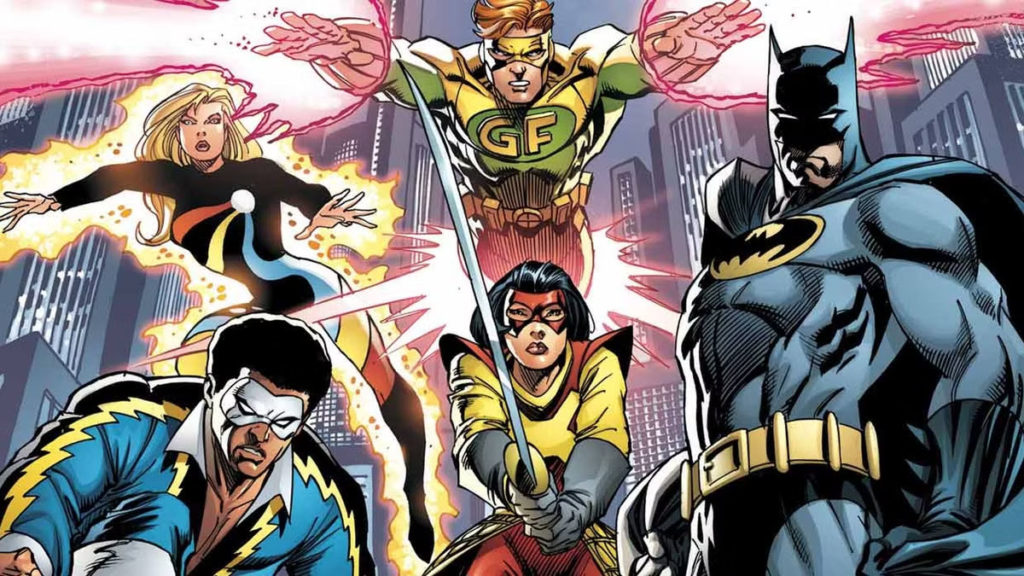
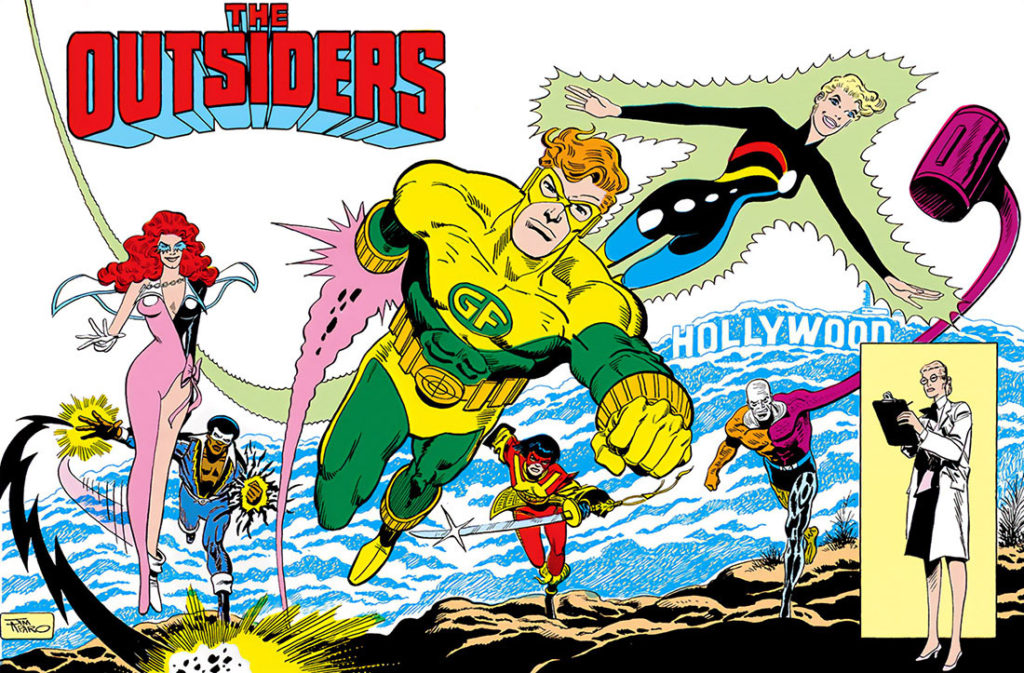
The Outsiders roster has evolved, but several characters define the team’s identity across eras:
- Black Lightning: Often serving as the team’s moral center and operational leader.
- Katana: A disciplined warrior whose loyalty and code shape the team’s tone.
- Metamorpho: A versatile asset capable of adapting to extreme environments.
- Geo-Force: A powerful but volatile member whose emotions often complicate missions.
Outsiders teams are assembled for balance, not popularity.
How the Outsiders Operate
The Outsiders function as a covert strike unit. Missions are often international, politically sensitive, or time-critical. Unlike the Justice League, the Outsiders do not seek consensus or public approval. They move quickly, complete objectives, and disappear.
This operational style creates internal tension. Members must trust leadership without always knowing the full picture.
The Outsiders Versus the Justice League
The Outsiders are not a replacement for the Justice League. They are a response to its limitations. Where the League must consider diplomacy, public perception, and global consequences, the Outsiders act decisively.
This difference has caused friction over the years, but it also explains why the team continues to exist. Some problems demand discretion over idealism.
The Outsiders Across Media
The Outsiders have appeared in animation, comics, and live-action adaptations. These versions emphasize the team’s tactical nature and internal conflict rather than traditional heroics. Even when rebranded or restructured, the Outsiders remain defined by secrecy and independence.
Why the Outsiders Matter
The Outsiders represent a hard truth within the DC Universe. Not every threat can be handled in the open. Not every victory can be celebrated. By existing outside the spotlight, the Outsiders preserve the Justice League’s ideals while doing the work those ideals cannot always support.
FAQs
Are the Outsiders villains?
No. They are heroes who operate outside traditional structures.
Does Batman always lead the Outsiders?
No. While he founded the team, leadership has shifted across eras.
Are the Outsiders part of the Justice League?
No. They intentionally operate independently.
Conclusion
The Outsiders exist because heroism is not always clean. They handle the missions that require silence, speed, and sacrifice. In doing so, they protect the ideals that larger teams are built to represent.