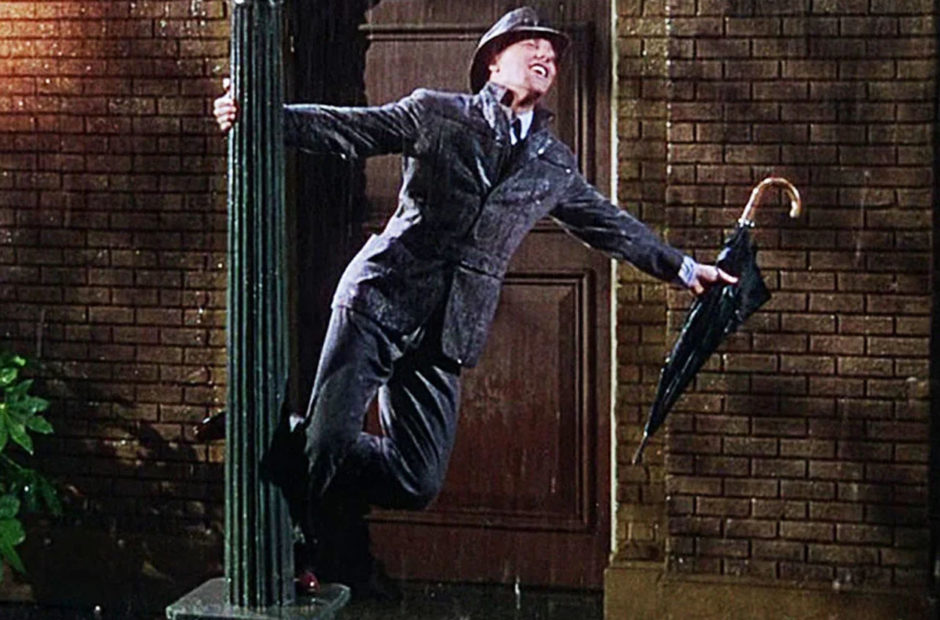
Hollywood musicals once represented the industry at its most confident. They were bold, expensive, and unapologetically theatrical. Studios treated them as showcases for talent and technology, betting that audiences wanted spectacle, emotion, and artifice all rolled into one.
Over time, that confidence eroded. Musicals became riskier, rarer, and increasingly framed as exceptions rather than essentials. When a modern musical succeeds, it is described as a comeback or a reinvention, not as part of a living tradition. The genre did not disappear overnight, but its place at the center of Hollywood steadily slipped away.
When Musicals Were the Main Event
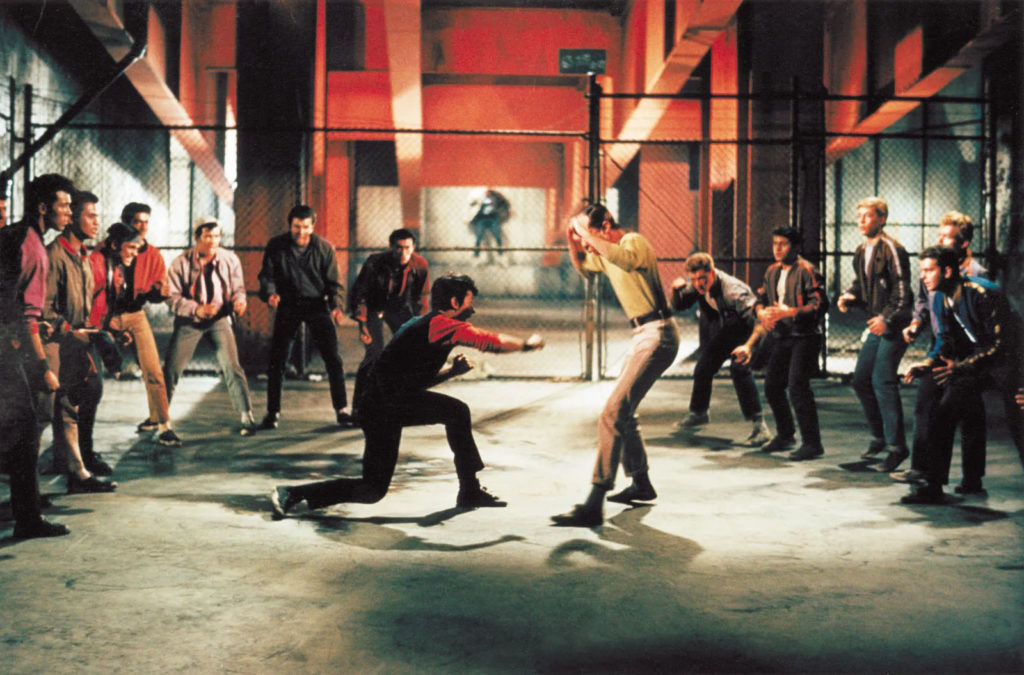
From the 1930s through the 1960s, musicals were among Hollywood’s most prestigious offerings. Studios invested heavily in choreography, set design, costumes, and orchestration. Films like Singin’ in the Rain, The Sound of Music, and West Side Story were not niche entertainments. They were cultural landmarks.
The genre thrived because it was built around the strengths of the studio system. Contract players trained in singing and dancing. Backlots and soundstages allowed for total visual control. Technicolor and widescreen formats turned musical numbers into spectacle.
Musicals also offered something uniquely cinematic. They embraced artifice rather than realism. Emotion was externalized through song and movement, creating moments that could not exist in any other medium.
The Slow Shift in Audience Tastes
By the late 1960s and 1970s, audience expectations began to change. New Hollywood favored realism, grit, and psychological complexity. The heightened emotion and theatricality of musicals started to feel out of step with the cultural moment.
Some musicals adapted, incorporating darker themes or contemporary music, but the genre struggled to find a stable identity. Large-scale productions became increasingly expensive, while box office returns grew less predictable.
At the same time, television absorbed some of the musical’s appeal. Variety shows, concert specials, and later music videos offered musical performance without the commitment of a theatrical feature.
Why Studios Pulled Back
The decline of the Hollywood musical was driven largely by economics. Musicals are costly. They require long rehearsal periods, specialized performers, elaborate sets, and extensive post-production work. When they fail, they fail loudly.
As studios shifted toward franchise filmmaking, musicals became harder to justify. Their success often depended on domestic audiences and cultural familiarity, limiting international appeal. A musical that underperformed could not be easily spun into sequels or extended universes.
Studios responded by treating musicals as occasional prestige projects rather than dependable releases. The genre moved from a pillar of production to a calculated gamble.
Where Musicals Found New Life
While theatrical musicals became rarer, the form did not disappear. Broadway adaptations continued to provide source material, and animation embraced musical storytelling more comfortably than live-action film.
When modern musicals succeed, they are often framed as reinventions rather than continuations. They are marketed as bold experiments or nostalgic throwbacks, not as part of an ongoing tradition.
Streaming has also created new outlets for musical storytelling, allowing niche audiences to engage without the pressure of theatrical box office performance.
Why the Musical Still Matters
The Hollywood musical mattered because it represented cinema at its most expressive. It fused performance, music, design, and technology into a single experience. No other genre embraced the idea of movies as pure spectacle quite so unapologetically.
Its decline reflects a broader shift toward realism and franchise logic in mainstream filmmaking. What was lost was not just a genre, but a willingness to embrace joy, artifice, and emotional excess.
When musicals do break through today, they remind audiences that the genre never lost its power. It simply lost its place.
Can the Musical Return?
A full revival is unlikely, but musicals do not need dominance to endure. They need confidence. When filmmakers trust the form, and audiences are invited to accept its language, musicals still resonate.
The Hollywood musical may no longer be a fixture of the release calendar, but it remains one of cinema’s most distinctive achievements.
Fun Jug Media, LLC (operating TheNerdy.com) has affiliate partnerships with various companies. These do not at any time have any influence on the editorial content of The Nerdy. Fun Jug Media LLC may earn a commission from these links.
Image Suggestions
- Featured image: A collage featuring Singin’ in the Rain, The Sound of Music, and West Side Story.
Alt text: “Collage of classic Hollywood musical films.” - Singin’ in the Rain – Gene Kelly dancing in the rain.
Alt: “Gene Kelly dancing in the rain in Singin’ in the Rain.” - The Sound of Music – The hillside opening sequence.
Alt: “Julie Andrews singing on a hillside in The Sound of Music.” - West Side Story – A stylized dance confrontation.
Alt: “Dance confrontation scene from West Side Story.”