For a stretch of time in the 1980s and 1990s, Hollywood could reliably sell audiences a very specific promise in an erotic thriller. The movie would be glossy, adult, a little dangerous, and unapologetically sexy. Desire would collide with paranoia. Attraction would turn into obsession. And by the final act, someone’s life would be in ruins.
This was the era of the erotic thriller, a genre that once dominated studio slates, fueled star careers, and packed theaters with grown-up audiences. Then, almost as quickly as it arrived, it vanished.
When Sex and Suspense Sold Tickets
The erotic thriller was not a fringe genre. It was mainstream Hollywood entertainment. Films like Body Heat, Fatal Attraction, and Basic Instinct were major studio releases with A-list stars, wide theatrical runs, and aggressive marketing campaigns. These were not midnight movies. They were date night events.
What made the genre work was its balance of familiarity and risk. On the surface, these movies borrowed the structure of classic noir. A seductive figure enters a stable life. Temptation leads to bad decisions. Consequences spiral out of control. But unlike the noirs of the 1940s, erotic thrillers pushed sexuality to the foreground. Desire was no longer implied. It was the engine of the plot.
Audiences responded because these films spoke directly to adult anxieties. Marriage, infidelity, career ambition, power dynamics, and fear of losing control were all baked into the stories. The sex was provocative, but the real hook was psychological. Viewers watched ordinary people make catastrophic choices and wondered how close they themselves might be to doing the same.
The Films That Defined the Erotic Thriller Genre
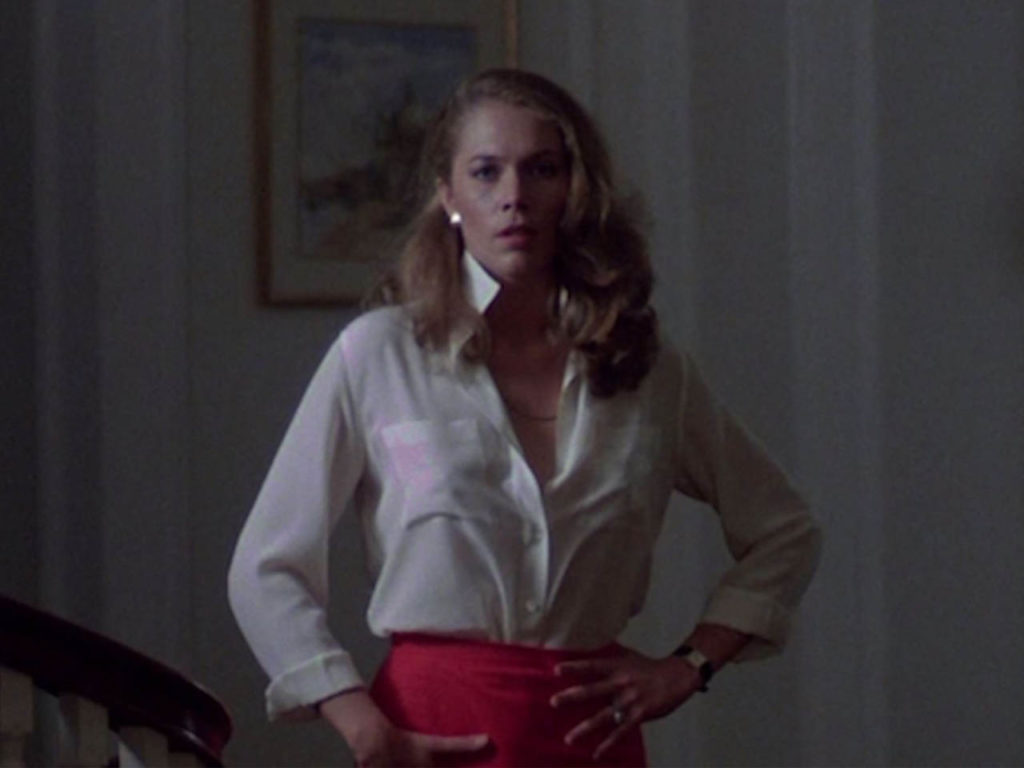
Early entries like Body Heat revived noir sensibilities with modern heat and explicitness. By the late 1980s, Fatal Attraction turned infidelity into a cultural panic, sparking debates that extended far beyond the theater. The film’s success proved that erotic thrillers could be both sensational and massively profitable.
The genre hit its most notorious peak with Basic Instinct, a film that weaponized sexuality, controversy, and star power all at once. Sharon Stone’s performance became iconic, and the film’s marketing leaned into outrage as much as allure. It was discussed everywhere, not just reviewed. That level of cultural penetration is almost impossible to imagine today for a non-franchise adult thriller.
Other films followed, each putting a slightly different spin on the formula. Jagged Edge played with courtroom drama and romantic suspicion. The Hand That Rocks the Cradle shifted the threat into suburban domestic spaces. Single White Female explored obsession through identity and intimacy. Even workplace thrillers like Disclosure found a way to inject erotic tension into corporate settings.
Together, these films created a recognizable, bankable genre. Studios understood how to market them, stars understood how they could elevate profiles, and audiences knew exactly what kind of experience they were buying a ticket for.

Why Hollywood Walked Away
The collapse of the erotic thriller was not caused by a single failure. It was the result of several shifts happening at once.
First, audience habits changed. As home video and later streaming expanded, studios became increasingly wary of theatrical releases aimed exclusively at adults. The mid-budget, R-rated thriller lost its place in a marketplace that began prioritizing either massive blockbusters or ultra-low-budget genre fare.
Second, cultural attitudes toward on-screen sexuality shifted. Erotic thrillers thrived in an era where mainstream films could still treat sex as provocative rather than routine. Over time, explicit content became more common in other mediums, particularly prestige television. What once felt daring on the big screen began to feel safer and more nuanced on cable.
Third, studios grew more risk-averse. Erotic thrillers often relied on ambiguity, morally compromised protagonists, and endings that did not reassure the audience. As corporate consolidation increased, those kinds of projects became harder to justify without franchise potential.
Finally, the genre’s tropes became self-parody. By the mid-to-late 1990s, the erotic thriller had been copied, exaggerated, and diluted. What once felt dangerous started to feel formulaic, and audiences moved on.
Where the Genre Went Instead
The erotic thriller did not disappear entirely. It migrated. Elements of the genre found new life on premium cable and streaming platforms, where serialized storytelling allowed for slower burns and deeper psychological exploration. Shows embraced sexuality and suspense without the constraints of a two-hour runtime or studio expectations.
Meanwhile, mainstream cinema split its focus. Thrillers leaned more heavily into action or spectacle. Adult dramas emphasized character over danger. The specific alchemy that defined the erotic thriller was left behind.
Occasional attempts to revive the genre surface every few years, but they rarely achieve the same cultural impact. Without a theatrical ecosystem that supports adult-oriented mid-budget films, the conditions that allowed the erotic thriller to thrive simply no longer exist.
Why the Erotic Thriller Still Matters
Looking back, the erotic thriller represents a period when Hollywood trusted adult audiences to show up for stories driven by psychology rather than spectacle. These films were imperfect, often messy, sometimes exploitative, but they were undeniably confident in their appeal.
They remind us of a time when studios were willing to take risks on stories about desire, fear, and moral collapse without needing superheroes or cinematic universes. In that sense, the rise and fall of the erotic thriller is not just about a genre. It is about how the industry itself changed.
For anyone revisiting these films today, the appeal is not just nostalgia. It is the realization that something uniquely adult once sat at the center of mainstream cinema, and that Hollywood has not quite figured out what to replace it with.
Fun Jug Media, LLC (operating TheNerdy.com) has affiliate partnerships with various companies. These do not at any time have any influence on the editorial content of The Nerdy. Fun Jug Media LLC may earn a commission from these links.